
Trevi Fountain
Rome

Trevi Fountain, Rome
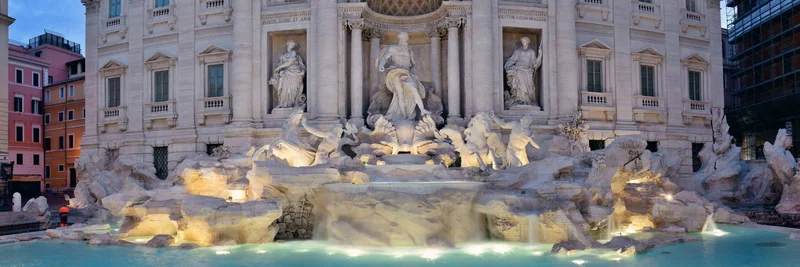
Designed by Nicola Salvi in the 18th century and completed by Giuseppe Pannini, it features an awe-inspiring display of mythological figures, gushing waters, and intricate sculptures. The central figure, Oceanus, majestically rides a shell-shaped chariot pulled by seahorses symbolizing the varying moods of the sea. The sound of cascading water, combined with the beauty of the fountain’s marble architecture, creates an enchanting atmosphere both day and night. Whether you’re fascinated by the Trevi Fountain history or simply soaking in its grandeur, visiting this site offers an unforgettable glimpse into Rome’s artistic and cultural soul.
Italy Tour Packages



Best time to visit
How to reach Trevi Fountain
- By Car: Drive to the historic center of Rome and park nearby at available paid garages. Walk a few minutes to the fountain as the area is mainly pedestrian.
- By Train: Take a metro to Barberini Station (Line A); from there, it’s just a 10-minute walk.
- By Bus: Tourists can also take a direct bus to reach the Trevi Fountain, with the journey taking approximately 45 minutes. These buses depart from the Rome Fiumicino Airport Bus Station every 30 minutes and run daily.
- By Foot: If you’re sightseeing in Central Rome, the fountain is an easy walk from landmarks like the Pantheon or Piazza di Spagna.
Opening hours
Suggested Duration - 30 to 60 MinutesHighlights of Trevi Fountain
- Admire the stunning Baroque sculptures of Oceanus, seahorses, and Tritons that capture the power and emotion of the sea.
- Experience the magical coin-throwing ritual that brings good luck and promises a return journey to beautiful Rome.
- Marvel at the fountain’s cascading waters and intricate marble carvings symbolizing harmony between art, nature, and mythology.
- Witness the breathtaking beauty of the illuminated fountain at night, creating an enchanting and romantic atmosphere.
- Capture perfect photographs with the grand Palazzo Poli backdrop, enhancing the charm of the iconic Trevi Fountain Rome.
Point of Interests!

Trevi Fountain Statues
The fountain’s sculptures depict Oceanus commanding the waters, surrounded by graceful Tritons and sea horses representing calmness and turbulence. These Trevi Fountain history details highlight the symbolism of nature’s duality, beautifully captured through fine Baroque artistry.

Throw a Coin Tradition
Visitors toss coins into the fountain over their left shoulder using their right hand, one coin ensures a return to Rome, two promise romance, and three signify marriage. Thousands of euros collected go to charity, continuing a tradition that unites travelers from around the world.

The Water of the Trevi Fountain
The water that flows through the fountain still comes from the Aqua Virgo aqueduct, an ancient Roman system built in 19 BC. Its crystal clarity and constant motion create a soothing soundscape, adding a vibrant, lifelike charm to the monument.

Trevi Fountain Underground
Beneath the fountain lies an underground archaeological site revealing remnants of ancient Roman baths and aqueducts. This lesser-known attraction offers a glimpse into the engineering marvels that made Rome’s water systems legendary.
Baroque Architecture & Design Details
The Trevi Fountain Rome epitomizes Baroque artistry, dynamic composition, rich emotion, and architectural harmony. Every marble carving tells a story, blending mythological grandeur with urban design, making the fountain both a sculpture and a city spectacle.

Palazzo Poli (Backdrop of the Fountain)
Behind the fountain stands Palazzo Poli, an impressive 18th-century palace forming part of the fountain’s grand façade. The palace’s classical columns and large windows enhance the scenery, serving as the perfect backdrop for photographs.

Lighting at Night (Illuminated Fountain Experience)
At night, the Trevi Fountain Rome at night radiates elegance as white lights reflect off the marble and water. The warm glow transforms the square into a serene haven, ideal for couples and photographers seeking unforgettable views.
Tips to visit Trevi Fountain
- Visit early morning or late evening to avoid large crowds.
- Keep coins handy for the classic tossing tradition.
- Be mindful of pickpockets in crowded areas.
- Avoid climbing or sitting on the fountain edge; it's prohibited.
- Stay near the lighted area at night for the best photos.
- Use nearby gelaterias and cafes for short breaks during your visit.
Want the best Italy package, handpicked just for you?
Share your travel needs and our travel experts will reach out to you.