
Japan Packages
There's a reason Japan tours consistently top bucket lists for Indian travellers; this is a country that delivers on every level simultaneously. In the morning, you're inside a 12th-century Zen temple in Kyoto with absolute silence except for raked gravel. By afternoon, you're in Osaka eating the world's best street food from a stall that has been in the same family for four generations. That night, you're on a Shinkansen bullet train doing 320 km/h through lit countryside, watching mountains blur past the window. And somehow it all feels effortless, because Japan is the most organised, clean, safe, and visitor-friendly country in Asia.
For Indian travellers, Japan travel used to feel like an aspirational dream rather than a practical reality. That perception has changed sharply. Over 150,000 Indian visitors arrived in Japan in the first five months of 2025 alone - a 64% increase compared to 2024. New direct flight routes, more accessible visa processing, and a weak yen that stretches the Indian rupee further than it has in years have combined to make a Japan trip from India more achievable than ever before.
Travalot's Japan tour packages from India start from ₹1,40,000 per person for 7 nights, covering Tokyo, Kyoto, and Osaka. Every package includes the Japan Rail Pass, daily breakfast, airport transfers, guided sightseeing, and visa assistance, built around your travel style, not a fixed group timetable.
Best Japan Trip Packages:
| Package | Duration | Starting Price (Per Person) |
| Ultimate 8 Days Japanese Honeymoon Escape: Tokyo, Kyoto & Osaka |
8Days 7Nights | 124399 |
| Family Adventure in Japan: 8 -Day Tour Package to Tokyo, Kyoto & Osaka |
8Days 7Nights | 124399 |
| 9 Days Romantic Japan Honeymoon Trip: Tokyo, Kyoto & Osaka |
9Days 8Nights | 126499 |
| 9 Days Best of Japan: Family Trip to Tokyo, Kyoto and Osaka |
9Days 8Nights | 134299 |
All Japan tour packages are fully customisable. Want to add Hiroshima, Nara, Hakone, or a ryokan stay? Tell us - we'll build it in.
Japan Tour Packages from India: Budget Discussion
Japan has a reputation for being expensive, and compared to Southeast Asia, it is. But compared to Europe or Australia, Japan tour costs are very manageable if planned well. Here is an honest breakdown of what a Japan trip from India actually costs.
Flights
Average price on round-trip flights from India to Japan: ₹40,000-₹75,000 per person in economy class, depending on city and booking timing. Book 3-4 months in advance for the best fares.
Major airlines: Air India (direct Delhi-Tokyo), All Nippon Airways (ANA), Japan Airlines (JAL), IndiGo (via Singapore or Bangkok), and Singapore Airlines. Air India launched a direct Delhi–Tokyo route that has significantly opened up access for Indian travellers.
Major airlines: Air India (direct Delhi-Tokyo), All Nippon Airways (ANA), Japan Airlines (JAL), IndiGo (via Singapore or Bangkok), and Singapore Airlines. Air India launched a direct Delhi–Tokyo route that has significantly opened up access for Indian travellers.
Accommodation
- Capsule hotels and budget hostels: ₹2,000-₹5,000 per night
- Business hotels (clean, efficient, station-adjacent): ₹5,000-₹10,000 per night
- Mid-range 3-4 star hotels: ₹9,000–₹15,000 per night
- Traditional Ryokan (Japanese inn with kaiseki dinner): ₹20,000-₹50,000+ per night
Japan Rail Pass (JR Pass)
- The JR Pass is the most efficient way to cover multiple cities on a Japan travel itinerary. A 7-day pass covering unlimited Shinkansen travel between Tokyo,
- Kyoto, Osaka, and Hiroshima costs approximately ₹28,000-₹35,000 per person. Worth buying if your itinerary includes two or more Shinkansen legs.
Food
- Food in Japan is surprisingly good value; especially if you eat at convenience stores (7-Eleven and FamilyMart serve restaurant-quality meals for ₹300-₹500),
- ramen shops, and soba restaurants. Budget eaters: ₹800-₹1,500/day; mid-range: ₹1,500-₹3,000/day.
Total Japan Trip Cost from India (per person, 7 days)
| Travel Style | Japan Tour Package Cost (all-in) |
Daily On-Ground Spend |
| Budget | ₹90,000–₹1,30,000 | ₹5,000–₹8,000/day |
| Mid-range | ₹1,55,000–₹2,20,000 |
₹10,000–₹16,000/day |
| Luxury/Ryokan | ₹2,50,000–₹4,00,000+ |
₹20,000–₹30,000+/day |
A 7-day trip to Japan covering Tokyo, Kyoto, and Osaka costs approximately ₹1.7 lakh to ₹2.2 lakh per person, including flights, accommodation, food, and transportation. Travalot's Japan tour packages from India bundle these components with group rates, typically saving 10–20% versus booking individually.
Japan Tour Packages from Major Indian Cities
Japan packages from Delhi:
Discover Japan tour packages from Delhi with convenient flight options and well-planned itineraries covering Tokyo, Kyoto, Osaka, and Mount Fuji. These packages are ideal for couples, families, and groups looking for a smooth international holiday experience.
Japan packages from Mumbai:
Choose from a wide range of Japan holiday packages from Mumbai designed for all kinds of travellers, from honeymooners to family vacationers. With easy departures and customizable stays, you can enjoy Japan’s culture, city life, and scenic landscapes without any hassle.
Japan packages from Bangalore:
Japan trip packages from Bangalore offer a perfect mix of sightseeing, leisure, and cultural experiences for every type of traveller. Whether you want a short getaway or a detailed multi-city trip, there are plenty of options to explore Japan comfortably.
Japan packages from Hyderabad:
Book Japan travel packages from Hyderabad and enjoy a memorable journey through Japan’s vibrant cities, heritage districts, and iconic attractions. These packages are crafted to provide convenience, great value, and a seamless travel experience.
Japan packages from Chennai:
Explore Japan tour packages from Chennai with thoughtfully designed itineraries that include top destinations, comfortable stays, and guided experiences. These holidays are perfect for travellers seeking a mix of tradition, modernity, and scenic beauty.
Japan packages from Ahmedabad:
Japan tours from Ahmedabad are a great choice for travellers looking for an exciting international escape with easy planning. From bustling urban hubs to peaceful cultural landmarks, these tours bring together the best of Japan in one trip.
Japan packages from Kolkata:
Find Japan trip from Kolkata that let you experience the country’s stunning landscapes, rich traditions, and world-famous attractions. With flexible travel options and curated sightseeing, these packages make your Japan holiday simple and enjoyable.
Why Book Japan Holiday Packages with Travalot?
- Years of experience/customer testimonials: Trusted and experienced with consistently positive client reviews.
- Best price guarantee: Guaranteed lowest prices, ensuring maximum value without hidden extras for your Vietnam packages.
- 24x7 support during the trip: Round-the-clock assistance providing peace of mind at all times.
- Expert honeymoon planners: Skilled professionals crafting personalized and unforgettable holiday experiences.
- Verified resort partnerships: Collaborations with trusted luxury resorts for safe, premium stays guaranteed.
Best Cities to Explore on a Japan Tour
1. Tokyo:
Tokyo is the world's largest city and also one of its most navigable, efficient, clean, safe, and endlessly layered. You could spend 4 days here and barely scratch the surface: Shibuya Crossing (the world's busiest pedestrian intersection), the temples of Senso-ji in ancient Asakusa, the neon of Shinjuku at midnight, the quiet of Yanaka (a neighbourhood that somehow survived both the 1923 earthquake and WWII bombing), the otaku culture of Akihabara, the fashion of Harajuku, the art museums of Ueno. Tokyo is the best starting point for any Japan trip package, it anchors everything.
2. Kyoto:
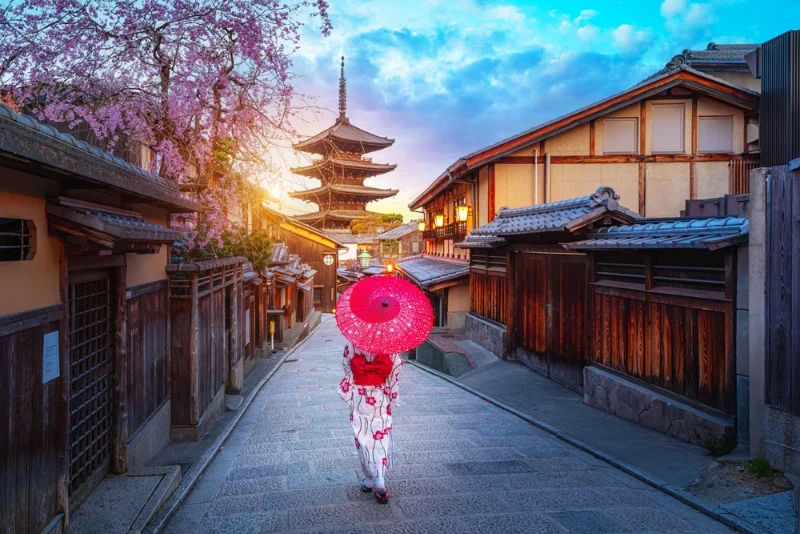
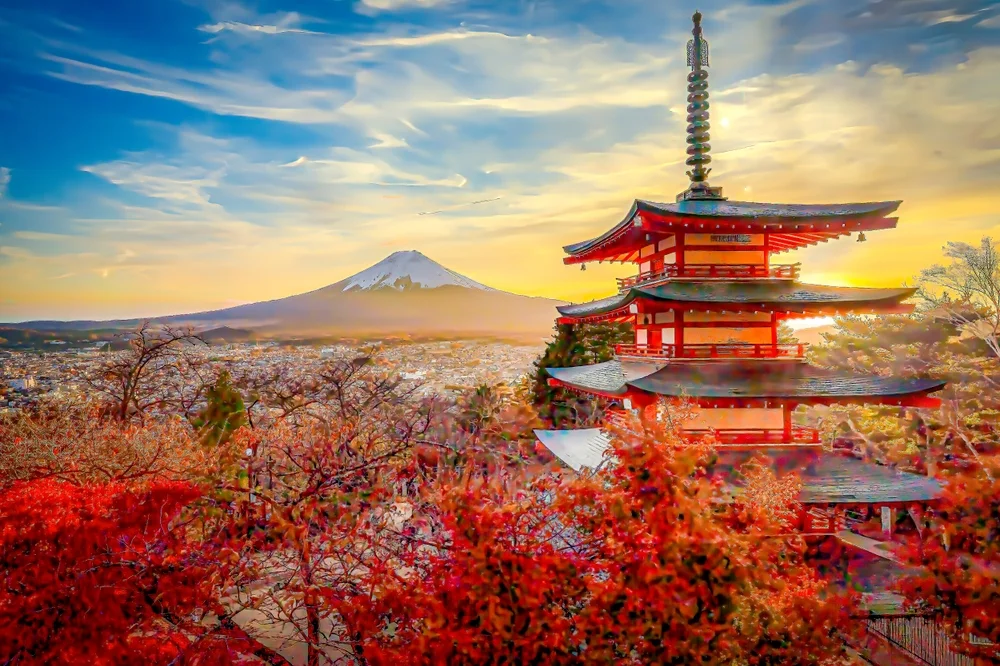
Kyoto was the imperial capital of Japan for over a thousand years and retains more of that history than any other city. The temples, shrines, and tea houses are not museum exhibits, they are living institutions. Fushimi Inari Shrine has thousands of vermillion torii gates winding up a forested mountainside; Arashiyama's bamboo grove is genuinely extraordinary; Kinkaku-ji (the Golden Pavilion) is exactly as beautiful as every photograph suggests. The Philosopher's Path in autumn (November) is one of the great walks in Japan. During cherry blossom season, Kyoto becomes perhaps the most photogenic city on Earth.
3. Osaka:
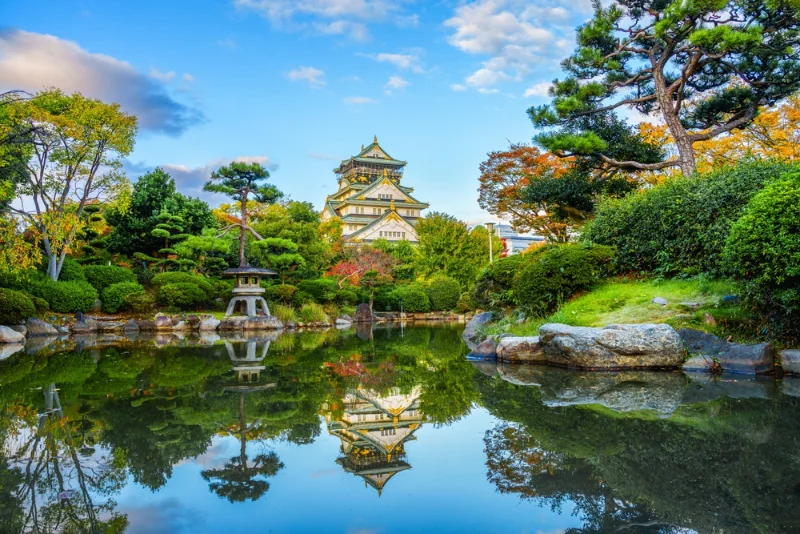
Japan's kitchen, and its most convenient city. Osaka has a different energy from Tokyo: louder, more irreverent, prouder of its food than anywhere. Dotonbori is where you eat takoyaki (octopus balls), okonomiyaki (savoury pancakes), and kushikatsu (deep-fried skewers) on the street while the neon signs flash overhead. Osaka Castle is one of Japan's most impressive medieval fortifications. Universal Studios Japan is next-level compared to its Singapore counterpart. And Osaka is the launch point for Nara (45 minutes away, with deer that bow for crackers) and Hiroshima (1.5 hours by Shinkansen).
4. Hiroshima and Miyajima;
Hiroshima's Peace Memorial Park and Museum document the world's first atomic bombing (August 6, 1945) with restraint, precision, and profound moral clarity. It is essential, deeply moving, and something every thoughtful traveller should see. A 30-minute ferry from Hiroshima brings you to Miyajima Island, home to the floating Torii Gate of Itsukushima Shrine, one of Japan's three most celebrated views, particularly stunning at high tide when the gate appears to float above the water.
5. Hakone:
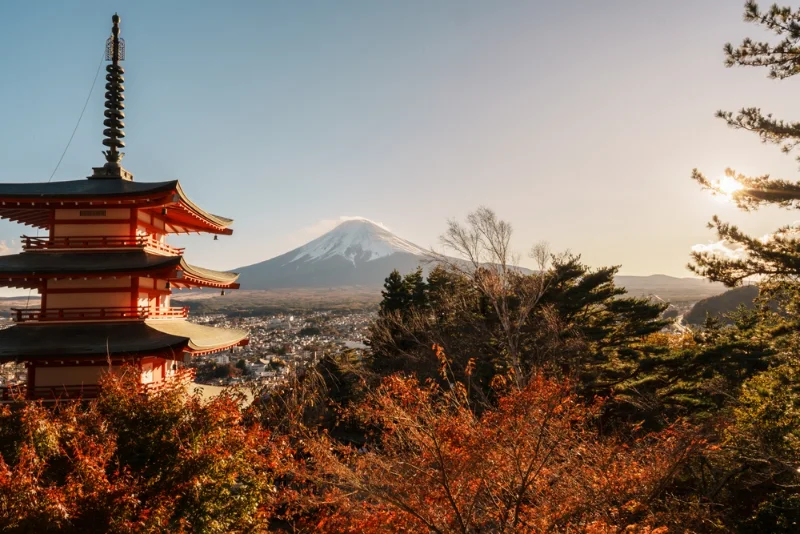
Hakone is where Tokyo residents go when they want Mt. Fuji, hot springs, and mountain air within 90 minutes of the city. The Hakone Open Air Museum, the Owakudani volcanic valley, and the traditional ryokan culture of the area make it an excellent 1–2 night add-on to any Tokyo-focused Japan tour package. On clear days (best in winter), Mt. Fuji is visible from across Lake Ashi.
6. Nara:
Ancient Japan at its most accessible, Nara was the country's first permanent capital (710–794 AD) and contains eight UNESCO World Heritage Sites within a compact, walkable area. The 1,200 free-roaming sika deer in Nara Park are sacred according to Shinto tradition and are entirely habituated to visitors. Todai-ji Temple houses the world's largest bronze Buddha (15 metres tall, inside the world's largest wooden building). Nara is an easy day trip from Kyoto (35 minutes by Kintetsu railway) or Osaka.
Best Attractions in Japan to Visit on Your Trip
1. Fushimi Inari Taisha, Kyoto:
The iconic tunnel of thousands of vermillion torii gates winding up the forested slopes of Mt. Inari is one of the most photographed spots in Japan, and justifiably so. The full trail to the summit (4 km each way) takes 2–3 hours; even walking 30–45 minutes into the tunnel gets you past most of the day-tripper crowds. Go at dawn for golden light and empty paths.
Location: 68 Fukakusa Yabunouchicho, Fushimi Ward, Kyoto
Timings: Open 24 hours
Entry fee: Free
Location: 68 Fukakusa Yabunouchicho, Fushimi Ward, Kyoto
Timings: Open 24 hours
Entry fee: Free
2. Senso-ji Temple, Asakusa, Tokyo:
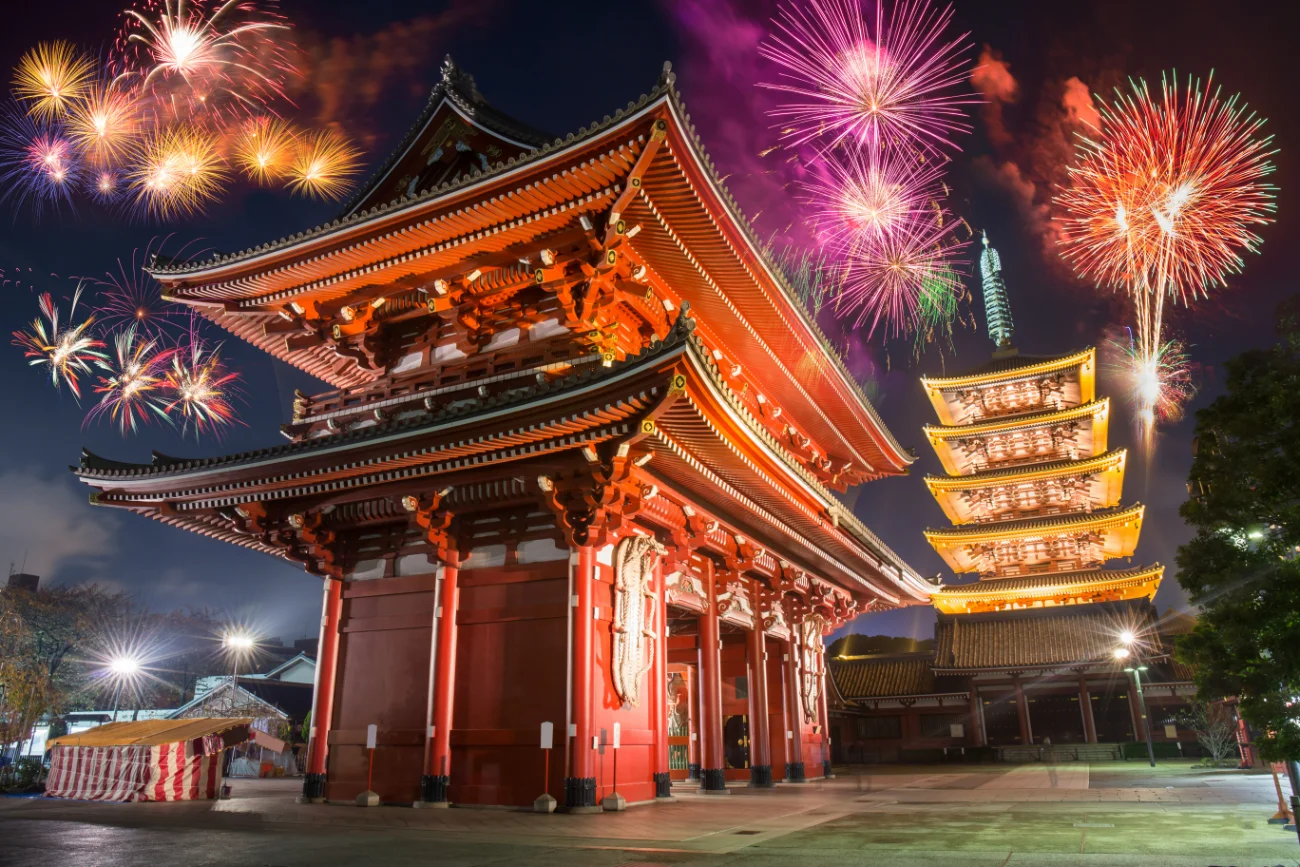
Tokyo's oldest temple, founded in 628 AD, is reached through the magnificent Kaminarimon (Thunder Gate) and Nakamise shopping street, lined with souvenir and food stalls. The main hall and five-storey pagoda are spectacular at night when lit up. Asakusa is one of Tokyo's most atmospheric and preserved old neighbourhoods, combining the temple with the Sumida River, rickshaw rides, and the nearby Tokyo Skytree.
Location: 2 Chome-3-1 Asakusa, Taito City, Tokyo 111-0032, Japan
Timings: 6 AM – 5 PM (main hall), 24 hours for outer sections
Entry fee: Free
Location: 2 Chome-3-1 Asakusa, Taito City, Tokyo 111-0032, Japan
Timings: 6 AM – 5 PM (main hall), 24 hours for outer sections
Entry fee: Free
3. Kinkaku-ji (Golden Pavilion), Kyoto:
A 14th-century Zen Buddhist temple whose top two floors are entirely covered in gold leaf, reflected in the mirror-still surface of the Kyokochi pond. Crowded in season, arrive early morning for less crowd and good lighting for photos. One of the most recognisable buildings in Asia and a must on any Japan tour package that includes Kyoto.
Location: 1 Kinkakujicho, Kita Ward, Kyoto, 603-8361, Japan
Timings: 9 AM – 5 PM
Entry fee: ¥500
Location: 1 Kinkakujicho, Kita Ward, Kyoto, 603-8361, Japan
Timings: 9 AM – 5 PM
Entry fee: ¥500
4. Tokyo Skytree:
At 634 metres, the Tokyo Skytree is the tallest structure in Japan and the second tallest in the world. Two observation decks, Tembo Deck at 350 metres and Tembo Galleria at 450 metres, offer panoramic views of Tokyo and, on clear days, Mt. Fuji. The surrounding Solamachi shopping complex at the base is an excellent afternoon's entertainment.
Location: 1 Chome-1-2 Oshiage, Sumida City, Tokyo 131-0045, Japan
Timings: 10 AM - 10 PM (Mon to Fri); 9 AM - 10 PM (Sat-Sun)
Entry fee: ¥1,800–₹3,100 (depending on deck and corridor)
Location: 1 Chome-1-2 Oshiage, Sumida City, Tokyo 131-0045, Japan
Timings: 10 AM - 10 PM (Mon to Fri); 9 AM - 10 PM (Sat-Sun)
Entry fee: ¥1,800–₹3,100 (depending on deck and corridor)
5. Arashiyama Bamboo Grove and Tenryu-ji, Kyoto:
The bamboo grove at Arashiyama is one of those places that photographs can't quite prepare you for; the sound of wind through 16-metre bamboo is as distinctive as the visual. Combined with Tenryu-ji Zen garden (UNESCO World Heritage), a walk to Jojakko-ji hillside temple, and a visit to the Iwatayama Monkey Park for a full-day Arashiyama itinerary.
Location: Sagaogurayama Tabuchiyamacho, Ukyo Ward, Kyoto, 616-8394, Japan
Timings: Open 24 hours (grove); Tenryu-ji: 8:30 AM – 5:30 PM
Entry fee: Grove: Free; Tenryu-ji: ¥500
Location: Sagaogurayama Tabuchiyamacho, Ukyo Ward, Kyoto, 616-8394, Japan
Timings: Open 24 hours (grove); Tenryu-ji: 8:30 AM – 5:30 PM
Entry fee: Grove: Free; Tenryu-ji: ¥500
6. Hiroshima Peace Memorial Park and Museum:
The Peace Memorial Museum, rebuilt in 2019, is one of the most powerful and carefully curated museums in Asia. The Genbaku Dome (Atomic Bomb Dome), the only surviving structure near the hypocentre, stands at the centre of the park as a permanent UNESCO-listed monument. The Flame of Peace has burned continuously since 1964, lit to remain burning until all nuclear weapons on Earth are abolished.
Location: 1-2 Nakajimacho, Naka Ward, Hiroshima
Timings: Museum: 7:30 AM - 7 PM; Park: 24/7
Entry fee: Museum: ¥200; Park: Free
Location: 1-2 Nakajimacho, Naka Ward, Hiroshima
Timings: Museum: 7:30 AM - 7 PM; Park: 24/7
Entry fee: Museum: ¥200; Park: Free
7. Universal Studios Japan, Osaka:
Universal Studios Japan in Osaka is one of Asia’s most popular theme parks, offering thrilling rides, immersive attractions, and world-class entertainment. From the magical Wizarding World of Harry Potter to the action-packed Super Nintendo World, every zone promises excitement. Visitors can enjoy live shows, themed dining, and character meet-and-greets. Perfect for families and adventure lovers, it delivers a fun-filled day packed with unforgettable cinematic experiences and vibrant energy.
Location: 2 Chome-1-33 Sakurajima, Konohana Ward, Osaka, 554-0031, Japan
Timings: Typically 9 AM – 8 PM (timings varies, please check before visiting)
Entry fee: ¥9,400–¥12,000 depending on day and express pass
Location: 2 Chome-1-33 Sakurajima, Konohana Ward, Osaka, 554-0031, Japan
Timings: Typically 9 AM – 8 PM (timings varies, please check before visiting)
Entry fee: ¥9,400–¥12,000 depending on day and express pass
8. Floating Torii Gate, Miyajima Island:
The Otorii Gate of Itsukushima Shrine stands in the sea off Miyajima Island and appears to float during high tide, creating one of Japan's three officially designated scenic views (nihon sankei). The island itself, 30 minutes by ferry from Hiroshima, is sacred; a mountain deer roams freely, and one of the best kept wooden shrine complexes in Japan covers the shoreline. Time your visit for high tide for the floating gate effect.
Location: Miyajima, Hatsukaichi, Hiroshima
Timings: 6:30 AM - 6:00 PM (time varies seasonally)
Entry fee: ¥300
Location: Miyajima, Hatsukaichi, Hiroshima
Timings: 6:30 AM - 6:00 PM (time varies seasonally)
Entry fee: ¥300
Best Things to Do on a Japan Tour
1. Ride the Shinkansen (Bullet Train);
The Shinkansen bullet train network is one of Japan's defining experiences, punctual to the second, breathtakingly smooth at 320 km/h, and offering window views of Mt. Fuji on the Tokyo–Kyoto line on clear days. The 2.5-hour Tokyo–Kyoto run on the Nozomi makes distance feel irrelevant. Book reserved seats; the unreserved cars fill quickly.
Price: Tokyo–Kyoto one-way: ¥13,320; covered by JR Pass
Price: Tokyo–Kyoto one-way: ¥13,320; covered by JR Pass
2. Experience Hanami (Cherry Blossom Viewing):
Joining a hanami picnic under fully blooming sakura trees is one of Japan's great cultural participations, everyone does it, from office workers to grandparents, with bento boxes, sake, and genuine joy. The best spots fill up early on peak days; send someone ahead at 7 AM to claim a tarpaulin space. See our dedicated Cherry Blossom section below.
Price: ¥6,383 per person; cost varies depending on crowd, spot, and food
Price: ¥6,383 per person; cost varies depending on crowd, spot, and food
3. Attend a Traditional Tea Ceremony:
A formal Japanese tea ceremony (chado), the ritualistic preparation and presentation of matcha tea in a carefully curated setting that takes around 45 minutes to an hour. Kyoto has the most authentic experiences; Urasenke and Omotesenke (the two major schools of tea ceremony) both welcome visitors. It is an excellent way to understand why Japan places such weight on deliberate, mindful action.
Price: ₹1,500–₹4,000 per person for a guided ceremony
Price: ₹1,500–₹4,000 per person for a guided ceremony
4. Soak in an Onsen (Hot Spring Bath):
Japan has over 3,000 onsen resorts, and bathing in geothermal mineral water is a cultural ritual rather than just a wellness activity. The protocol is specific (shower first, no towels in the water, no tattoos in most traditional establishments), and the experience, particularly in an outdoor rotenburo bath with mountain views, is deeply restorative. Hakone and Beppu are the most famous onsen regions; Tenzan Onsen in Hakone is excellent for day visitors.
Price: Around ¥1,500 per person
Price: Around ¥1,500 per person
5. Watch a Live Kabuki Performance:
Kabuki, a 400-year-old theatrical tradition combining music, dance, elaborate costumes, and stylised performance, is one of Japan's great performing arts and a UNESCO Intangible Cultural Heritage. Kabukiza Theatre in Tokyo's Ginza has single-act tickets available for shorter performances without committing to a 4-hour full programme. One of the most distinctively Japanese things you can do on a Japan holiday without speaking Japanese.
Price: Single act costs around: ¥1,000–¥2,000
Price: Single act costs around: ¥1,000–¥2,000
6. Explore Nishiki Market, Kyoto:
Nishiki Market or "Kyoto's Kitchen" is a 400-metre covered arcade running parallel to Shijo Avenue, lined with over 100 stalls selling Kyoto pickles, fresh tofu, matcha sweets, grilled skewers, and seasonal produce. The best-value food experience in Kyoto and an excellent way to understand the city's culinary traditions.
Price: Free to browse; food from ¥200–₹800
Price: Free to browse; food from ¥200–₹800
7. Shopping in Shibuya and Ginza, Tokyo:
Shibuya is youth fashion and street culture with 109 department stores, Tokyu Hands, HMV Japan, and a dozen floors of independently-operated boutiques. Ginza is upscale: Ginza Six, Itoya (Japan's most famous stationery store), Uniqlo's flagship, and the luxury international brands all are present here. On weekends, Ginza's main street becomes a pedestrian-only promenade.
Price: ¥300 - ¥10,000 (depends on your shopping choices)
Price: ¥300 - ¥10,000 (depends on your shopping choices)
8. Day Trip to Nara:
Nara can be reached in 35 minutes by Kintetsu express from Kyoto or 45 minutes from Osaka, making it one of the easiest half-day additions to any Japan trip. The deer bow when offered crackers (sold at stalls near the park), which is charming and slightly unsettling at the same time. Todai-ji's Great Buddha (Daibutsu) alone is worth the train fare.
Price: Todai-ji entry: ¥600
Price: Todai-ji entry: ¥600
Cherry Blossom Season in Japan: Complete Guide
For many Indian travellers, seeing Japan's cherry blossom season (sakura) is the primary motivation for the entire trip. It is worth planning around carefully.
When Does Cherry Blossom Season Happen?
The best months for cherry blossoms are late March to early April for Tokyo, Kyoto, and Osaka, with mid-to-late April for Northern Japan. A typical cherry tree stays in bloom for about 10–14 days, with peak viewing lasting only 5–7 days once full bloom is reached.
The sakura front moves from south to north: the cherry blossom season begins in Okinawa in around January/February, passes through the middle of Japan in March and April, and finishes with a late bloom in northern Hokkaido in May.
The sakura front moves from south to north: the cherry blossom season begins in Okinawa in around January/February, passes through the middle of Japan in March and April, and finishes with a late bloom in northern Hokkaido in May.
What are the Best Places to See Cherry Blossoms in Japan?
1. Ueno Park, Tokyo: 800 Somei-yoshino cherry trees line the main avenue; 800 hanging lanterns illuminate them during the Ueno Sakura Matsuri festival. One of Tokyo's most famous hanami spots; expect very large crowds on weekends.
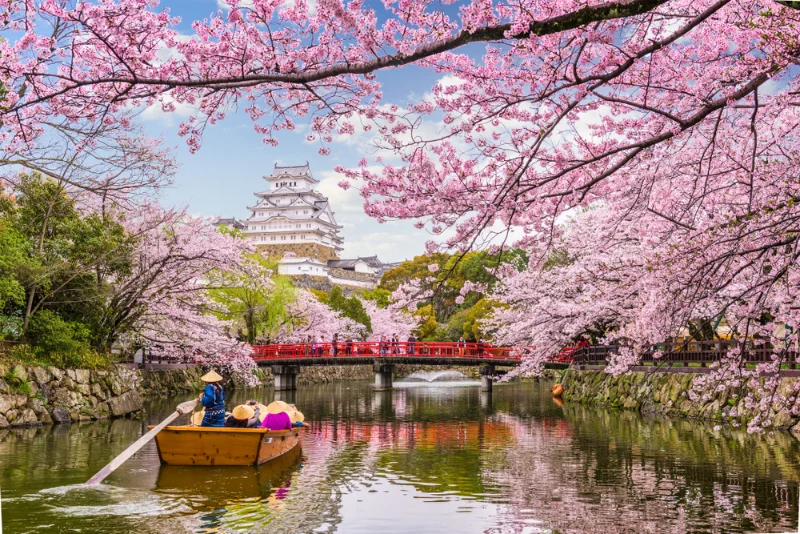
2. Chidorigafuchi, Tokyo: A moat-side promenade in central Tokyo where cherry trees arch over the water. Rowing boats can be hired to float beneath the canopy. Quieter than Ueno and arguably more beautiful. Best in the evening when the trees are lit up.
3. Shinjuku Gyoen, Tokyo: A formal garden with over 1,000 cherry trees of multiple varieties, which extends the season longer than single-variety parks. Entry costs ¥500 but keeps the crowds manageable.
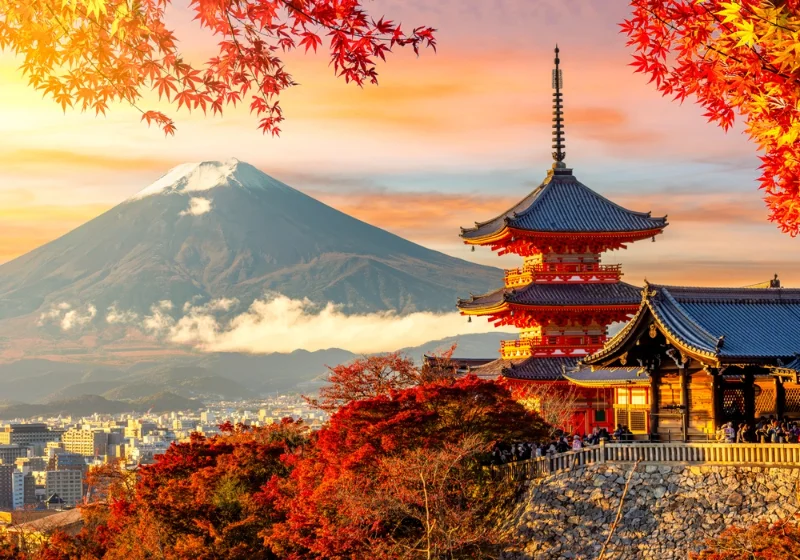
4. Maruyama Park and Philosopher's Path, Kyoto: Kyoto's Philosopher's Path is a peaceful trail lined with hundreds of cherry trees, and Maruyama Park is perfect for people-watching and nighttime illuminations. Kiyomizu-dera Temple offers breathtaking views of the city framed by blossoms.
5. Osaka Castle Park: Surrounded by 3,000 cherry blossom trees, the castle grounds are great for ticking off both the iconic architecture and hanami in a single visit, with peak bloom expected around March 31–April 5.
6. Hirosaki Park, Aomori: Late April blooms, 2,600 cherry trees around a castle moat. Less crowded than central Japan and one of the most beautiful hanami settings in the country.
2. Chidorigafuchi, Tokyo: A moat-side promenade in central Tokyo where cherry trees arch over the water. Rowing boats can be hired to float beneath the canopy. Quieter than Ueno and arguably more beautiful. Best in the evening when the trees are lit up.
3. Shinjuku Gyoen, Tokyo: A formal garden with over 1,000 cherry trees of multiple varieties, which extends the season longer than single-variety parks. Entry costs ¥500 but keeps the crowds manageable.
4. Maruyama Park and Philosopher's Path, Kyoto: Kyoto's Philosopher's Path is a peaceful trail lined with hundreds of cherry trees, and Maruyama Park is perfect for people-watching and nighttime illuminations. Kiyomizu-dera Temple offers breathtaking views of the city framed by blossoms.
5. Osaka Castle Park: Surrounded by 3,000 cherry blossom trees, the castle grounds are great for ticking off both the iconic architecture and hanami in a single visit, with peak bloom expected around March 31–April 5.
6. Hirosaki Park, Aomori: Late April blooms, 2,600 cherry trees around a castle moat. Less crowded than central Japan and one of the most beautiful hanami settings in the country.
Practical Tips for Cherry Blossom Travel
- Book accommodation 3–6 months in advance, Kyoto in particular sells out entirely during peak sakura week
- Cherry blossom season comes at a premium: flights and hotels spike by 40–60% during peak bloom dates. Budget extra or travel slightly before or after peak for better value
- The "sakura forecast" (published by the Japan Meteorological Corporation from late January) allows you to plan around specific bloom dates, follow it in the weeks before travel
- Yozakura (night sakura viewing), blossoms illuminated after dark at Ueno, Rikugien, and Chidorigafuchi, is perhaps the most beautiful version of the experience
Indian Restaurants in Japan
1. T's Tan Tan, Tokyo Station:
A vegan ramen restaurant inside Tokyo Station that impressed one Indian food blogger so much she went twice in three days. All dishes are plant-based, making it an extraordinary find for vegetarians, and genuinely delicious for everyone.
Location: Luz Jiyugaoka B1F, 2-9-6 Jiyugaoka, Meguro-ku, Tokyo 152-0035
Timings: 11:30 AM - 9:00 PM
Price Range: ¥1000–¥1500 per person
Location: Luz Jiyugaoka B1F, 2-9-6 Jiyugaoka, Meguro-ku, Tokyo 152-0035
Timings: 11:30 AM - 9:00 PM
Price Range: ¥1000–¥1500 per person
2. New Delhi Restaurant, Kyoto:
A dependable stop 10 minutes from Nijo Castle, run by a warmhearted father-and-son team, frequently listed among the best Indian restaurants in Kyoto. Indian travellers often choose this as a favourite stop after temple visits. Rich curries and a balanced menu.
Location: Near Nijo Castle, Nakagyo Ward, Kyoto
Timings: 11:00 AM - 3:00 PM; 5:00 PM - 9:00 PM
Price Range: ¥1300–¥2,500 per person
Location: Near Nijo Castle, Nakagyo Ward, Kyoto
Timings: 11:00 AM - 3:00 PM; 5:00 PM - 9:00 PM
Price Range: ¥1300–¥2,500 per person
3. Moti Mahal Kyoto:
Inspired by the famous Delhi brand, Moti Mahal Kyoto delivers rich North Indian curries and tandoori dishes in a calm, refined setting that fits Kyoto's character well.
Location: Central Kyoto, near major sightseeing areas
Timings: 10:30 AM - 3:00 PM; 5:00 PM - 10:30 PM
Price Range: ¥1500–¥2,600 per person
Location: Central Kyoto, near major sightseeing areas
Timings: 10:30 AM - 3:00 PM; 5:00 PM - 10:30 PM
Price Range: ¥1500–¥2,600 per person
4. Shama Vegetarian Indian Restaurant, Osaka:
Shama is a well-liked Indian restaurant in Osaka known for its pure vegetarian menu with many vegan options, making it a great pick for veg and Jain travellers. A reliable address for Indian vegetarians in a city where finding meat-free options otherwise requires effort.
Location: Osaka (near Shinsaibashi area)
Timings: 11:00 AM - 3:00 PM; 5:00 PM - 10:00 PM (Monday closed)
Price Range: ¥1300–¥2,400 per person
Location: Osaka (near Shinsaibashi area)
Timings: 11:00 AM - 3:00 PM; 5:00 PM - 10:00 PM (Monday closed)
Price Range: ¥1300–¥2,400 per person
Japan Visa for Indian Citizens: Updated 2026
Indian citizens must obtain a visa before travelling to Japan, which is not a visa-free destination for Indian passport holders, and there is no visa-on-arrival for Indians. You cannot arrive at a Japanese airport and obtain a visa, entry without prior approval is not allowed.
The good news: Japan offers one of the most affordable and accessible visa options for Indians, with a remarkably low rejection rate of just 5.8%, making it significantly easier to obtain than Schengen or US visas.
The good news: Japan offers one of the most affordable and accessible visa options for Indians, with a remarkably low rejection rate of just 5.8%, making it significantly easier to obtain than Schengen or US visas.
Visa Types
Standard Tourist Visa (most common):
Applied through VFS Global centres across India, no embassy visit required
Standard tourist visa fee is just ₹450 + ₹800 VFS service charge. Apply through VFS Global centres across India. Processing takes 5–10 working days. You can stay up to 90 days on a tourist visa.
Standard Tourist Visa (most common):
Applied through VFS Global centres across India, no embassy visit required
Standard tourist visa fee is just ₹450 + ₹800 VFS service charge. Apply through VFS Global centres across India. Processing takes 5–10 working days. You can stay up to 90 days on a tourist visa.
Japan eVisa (since September 2025):
The eVisa system launched in September 2025 continues for tourism. However, Indian nationals must apply through accredited travel agencies in India — you cannot apply directly on the Japan eVisa portal.
Upon approval, you receive a digital Visa Issuance Notice that must be displayed on a live smartphone connection at the airport (printed copies and screenshots are NOT accepted)
Currently available only for single-entry tourist visits
2026 Updates for Japan Visa:
Japan has made two significant changes for Indian applicants from March 2026: mandatory appointment booking has replaced walk-in submissions at VFS centres in Chennai, Hyderabad, Kochi, Puducherry (from March 2, 2026) and Mumbai (from March 16, 2026). Check your local VFS centre for current appointment availability before planning your application date.
Documents Required
- Valid Indian passport with at least 6 months validity from travel date and 2 blank pages
- Visa application form (downloaded from Embassy of Japan website, completed in English)
- Recent passport-sized photograph (4.5 cm × 4.5 cm, white background, matte finish, different from standard Indian passport photo size)
- Confirmed flight itinerary (entry and exit from Japan)
- Hotel booking confirmation for full duration
- Bank statements, recent 3–6 months showing sufficient funds
- Proof of employment or income (ITR, salary slips, or business registration)
- Cover letter explaining your travel purpose and intent to return
Timeline
Apply at least 3–4 weeks before your travel date, during peak periods like cherry blossom season (March–April) or autumn foliage (October–November), volumes increase significantly. Applications can be submitted up to 90 days in advance.
Travalot provides complete Japan visa guidance and document review for all Japan packages from India. We check every application before submission.
Travalot provides complete Japan visa guidance and document review for all Japan packages from India. We check every application before submission.
Best Time to Visit Japan
Japan has four genuinely distinct seasons, each with compelling reasons to visit. The right time depends entirely on what you're looking for.
| Season | Month | Temperature | Highlights | What to Avoid |
| Spring | March–May |
10–22°C | Cherry blossom season, cherry blossoms, Hanami |
Crowds and price spike during peak bloom |
| Summer | June–August |
28–35°C |
Fuji climbing season, festivals (Matsuri), fireworks | Heat and humidity; Golden Week in late April–May |
| Autumn | Sept–November |
10–25°C |
Autumn foliage (koyo), clear skies, mild weather |
October–November peak crowds at temples |
| Winter | December–February |
-2–10°C |
Snow festivals, skiing in Hokkaido, onsen season, off-season prices |
Cold in northern regions; heavy snow in Hokkaido |
Cherry Blossom Season (Late March to Early April): The Most Sought-After Time
Cherry blossom season is the most popular time for Indian tourists to visit Japan and for excellent reason. For most travellers, late March is the Golden Window for the Tokyo–Kyoto–Osaka route; April is better if you plan to visit the mountains or northern Japan. If you have one moment to visit Japan, this is it.
The trade-off: Cherry blossom season comes at a premium, hotels in Kyoto are often fully booked 6 months ahead, and flights during peak bloom dates spike significantly. Book early or travel slightly off-peak (early March before bloom, or late April after peak) for better value.
The trade-off: Cherry blossom season comes at a premium, hotels in Kyoto are often fully booked 6 months ahead, and flights during peak bloom dates spike significantly. Book early or travel slightly off-peak (early March before bloom, or late April after peak) for better value.
Autumn Foliage Season (October–November): The Connoisseur's Choice
Autumn foliage (koyo) rivals cherry blossoms for visual impact, maples turn crimson and gold against temple rooftops in Kyoto, creating a colour palette that feels almost unreal. The weather is crisp and clear, perfect for walking, and the crowds, while significant, are generally better-managed than spring. This is when many repeat Japanese visitors consider the country at its most beautiful.
Shoulder Season (January–February and June–September)
January and February offer the lowest Japan tour cost from India, flights and hotels can be 25–35% cheaper than peak. Hokkaido's Snow Festival (February) and winter sports season are excellent reasons to visit in this window. June–September is warm, sometimes hot, with festivals (Gion Matsuri in Kyoto in July is one of Japan's greatest), but summer humidity in Tokyo and Osaka can be considerable.
How to Reach Japan from India?
By Air
All India–Japan long-haul flights arrive at one of two main Tokyo airports: Narita International Airport (NRT), the main gateway 60 km east of central Tokyo, or Haneda Airport (HND), 20 km from the city centre and preferred for convenience.
Key routes:
Key routes:
- Delhi → Tokyo Haneda: Air India operates a non-stop service (8 hours) - the only direct India–Japan flight currently operating
- Mumbai → Tokyo Narita: Connecting via Singapore (SIA, ANA), Bangkok (Thai Airways, ANA), or Kuala Lumpur (AirAsia); total time approximately 9–10 hours
- Bangalore → Tokyo: Via Singapore Airlines or AirAsia through Singapore; approximately 9 hours total
- Chennai → Tokyo: Via Singapore or Bangkok; approximately 9–10 hours
- Kolkata → Tokyo: Via Bangkok or Singapore; approximately 8–9 hours
- Airlines: Air India, Japan Airlines (JAL), All Nippon Airways (ANA), Singapore Airlines, Thai Airways, AirAsia, IndiGo (via Singapore/Bangkok)
How to Get Around Japan: Local Commute?
JR Rail Pass (Shinkansen):
The Japan Rail Pass is the foundation of any multi-city Japan travel itinerary. A 7-day pass covers unlimited Shinkansen bullet train travel between Tokyo, Kyoto, Osaka, Hiroshima, and Nara, plus local JR trains across the country.
A 7-day ordinary pass costs approximately ¥50,000; purchase before departure in India through authorised agencies or JR Rail Pass website
A 7-day ordinary pass costs approximately ¥50,000; purchase before departure in India through authorised agencies or JR Rail Pass website
IC Cards (Suica / Pasmo):
Suica and Pasmo are reloadable contactless IC cards that work across the Tokyo, Osaka, and Kyoto metro networks, local JR trains, buses, and even convenience store purchases. Available from any major station vending machine. Essential for city travel.
Initial deposit starts from ¥500; top up at any station vending machine or convenience store
Initial deposit starts from ¥500; top up at any station vending machine or convenience store
Tokyo Metro (Subway):
Tokyo's subway system covers 9 lines and 195 stations across the city, operating from 5 AM to midnight. Single fares start from ¥170–₹320 depending on distance. A Tokyo Metro 24/48/72-hour pass (¥600/₹1,200/₹1,500) is excellent value for heavy users.
Osaka Metro and Kyoto Bus:
Osaka has a similarly excellent metro system covering all tourist areas. In Kyoto, most temple and shrine areas are better served by bus, a ¥600 day pass gives unlimited rides on city buses, which is excellent value for a day of temple-hopping.
Taxis and Ride Services:
Taxis in Japan are metered, clean, and reliable but expensive. A 20-minute city ride costs ¥2,000–₹3,000. Uber operates in Japan but is not cheaper than metered taxis in most cities. Use taxis for late-night travel when trains have stopped (around midnight).
Couple Retreats
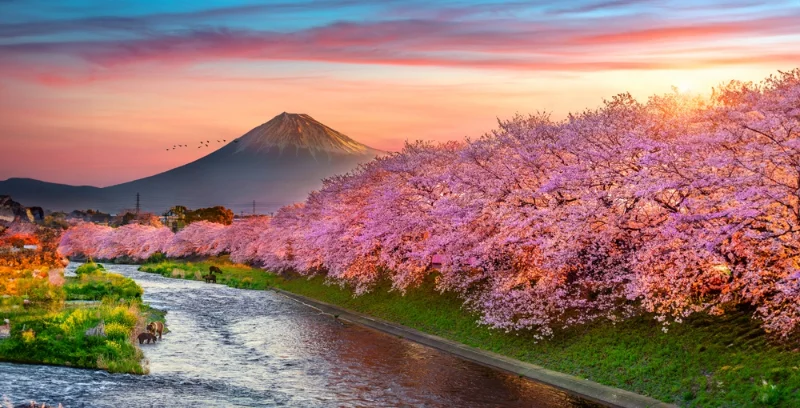
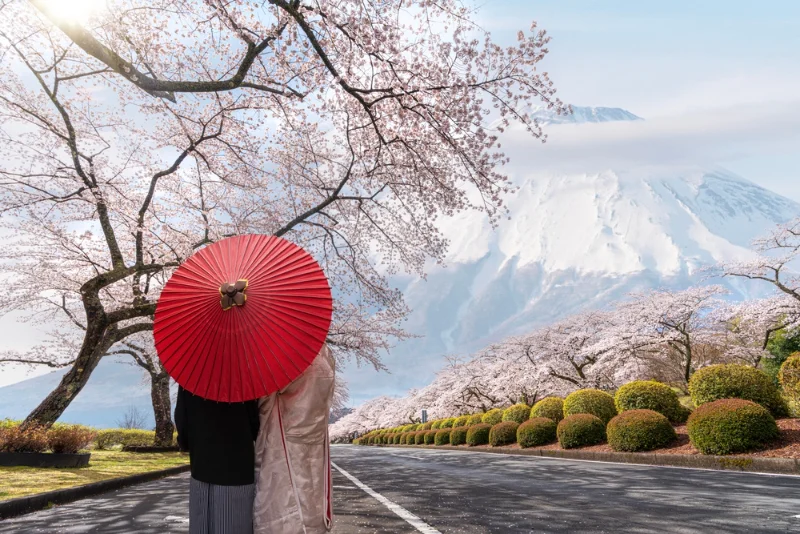
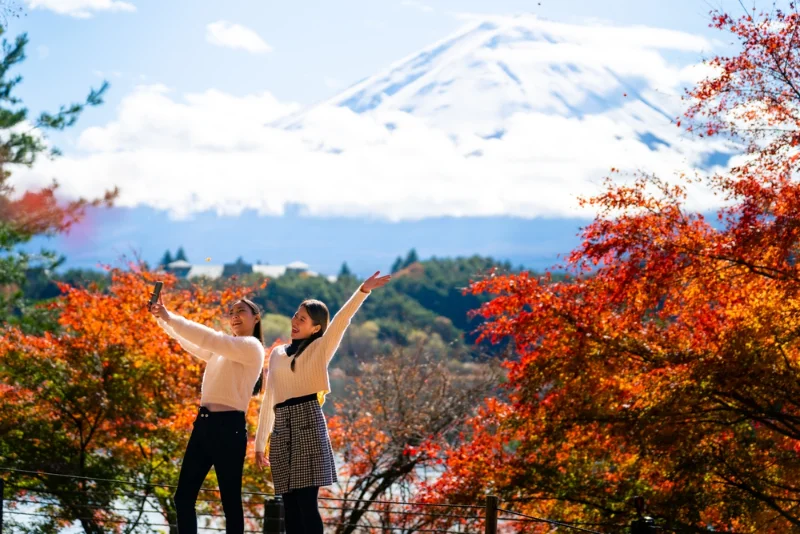
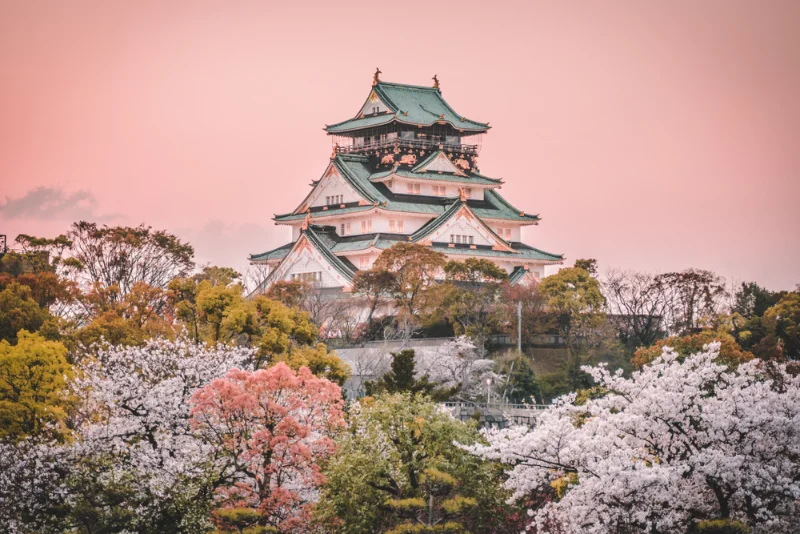
Family Getaways
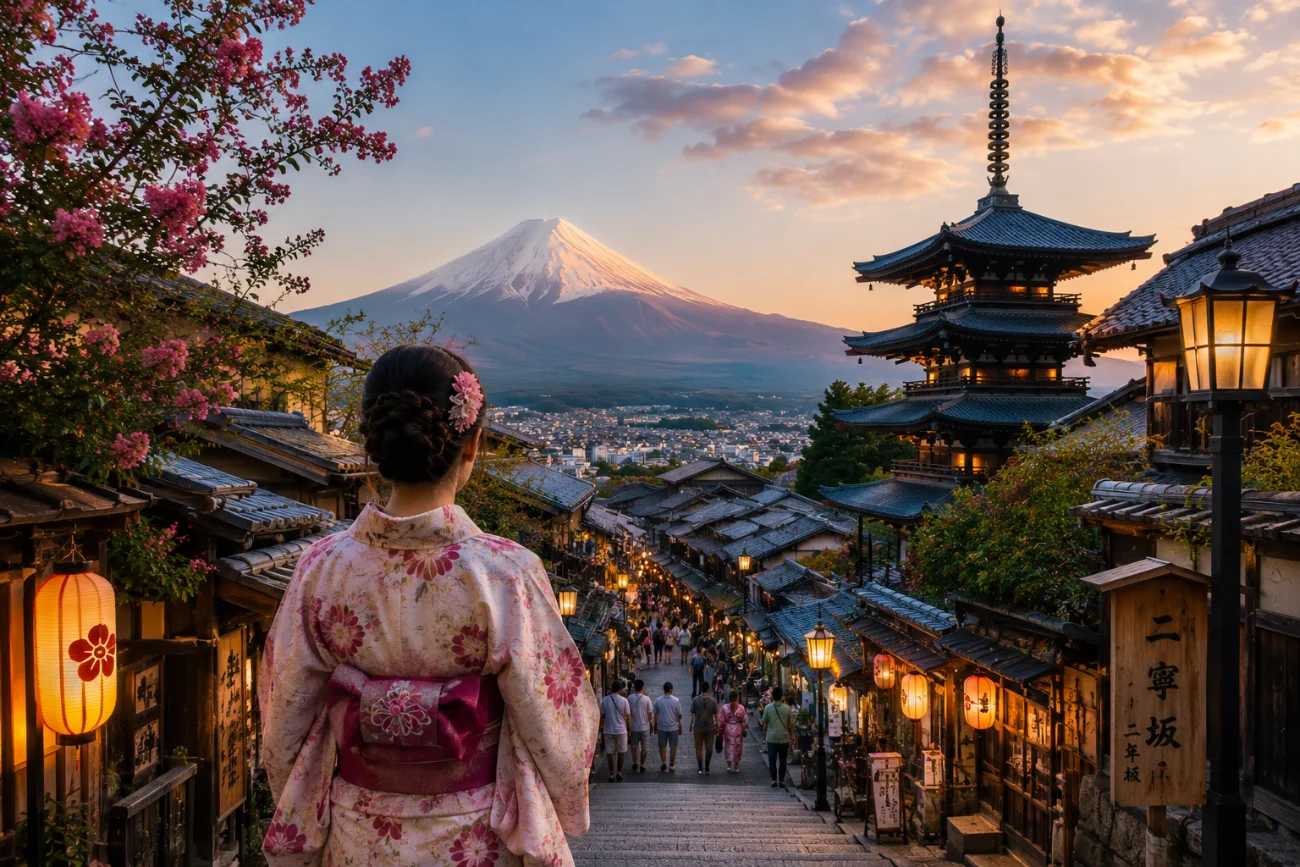
Japan in August: A Complete Guide to Summer Festivals, Weather & Top Attractions Riddhi Jain
Riddhi Jain24 July, 2026
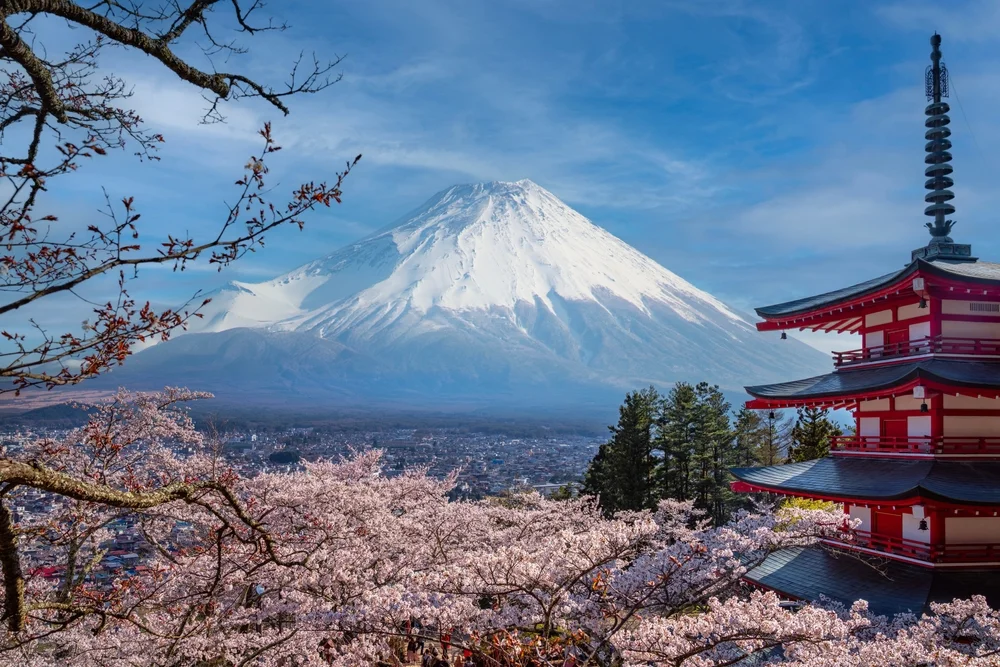
Japan in Bloom: Top Cherry Blossom Places Mridulakshi Jain
Mridulakshi Jain8 February, 2026
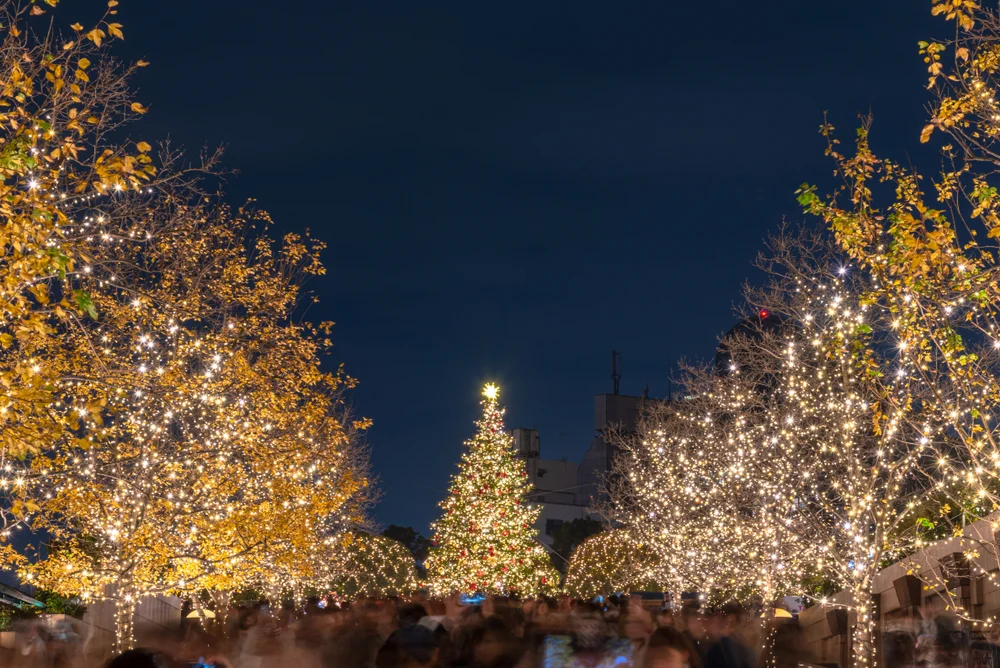
Christmas in Japan 2025: Magical Winter Lights, Snowy Romance & Festive JoyRiddhi Jain
Riddhi Jain3 November, 2025


Frequently Asked Questions for Japan
The average Japan trip cost from India in 2026 is between ₹1.5 lakh and ₹2.5 lakh per person for a 6–8 day trip. Budget travellers can spend around ₹1.2 lakh, while luxury trips can exceed ₹3 lakh depending on flights, hotels, and itinerary. These figures include return flights from India, accommodation, food, local transport, JR Pass, and sightseeing. Travalot's Japan tour packages from India for 7 nights start from ₹1,55,000 per person for mid-range travel.
A 7 to 10-day trip is ideal to explore Japan’s top highlights, Tokyo, Kyoto, Osaka, and Mount Fuji. If you’re short on time, a 5-day itinerary covering Tokyo and Kyoto works too. For deeper cultural immersion and offbeat places, 2 weeks is perfect. It depends on your interests and pace.
Yes, Japan visa for Indians is relatively easy if you submit proper documents like flight tickets, hotel bookings, financial proof, and itinerary. Processing usually takes 5-7 working days. Most tourists apply for a short-term visa. Applying through a certified travel agency or VFS can simplify the process further.
Absolutely! Japan offers a perfect blend of tradition and technology. From ancient temples and cherry blossoms to bullet trains and anime culture, it’s a unique experience. The country is clean, safe, and full of scenic beauty, delicious cuisine, and warm hospitality, making it a dream destination for many travelers.
Bring a universal adapter, a power bank, a Japan Rail Pass, suitable walking shoes, weather-appropriate clothing, travel insurance, local currency (Yen), and a simple Japanese phrasebook or translating app. Pack light, as public transportation frequently requires walking and climbing stairs. Don't forget toiletries and any personal medications you may require.
For a comfortable mid-range Japan tour package - 3-star business hotels, daily breakfast, JR Pass, guided sightseeing, and airport transfers, the total Japan tour package price from India runs approximately ₹1.6 lakh to ₹2.2 lakh per person for 7 nights, including flights. The Japan tour package cost rises to ₹2.5 lakh–₹4 lakh for ryokan stays and private guides. Budget itineraries (capsule hotels, convenience store meals, self-guided) can come under ₹1.2 lakh.
For on-ground spending (excluding pre-paid package costs), budget approximately ₹5,000–₹8,000 per day for budget travel, ₹10,000–₹16,000 per day for mid-range, and ₹20,000+ per day for luxury.
Compared to Southeast Asia (Thailand, Vietnam, Bali), yes, Japan costs 2–3 times more. Compared to Europe or Australia, Japan is competitive for what you receive.
For first-time visitors: late March to early April for cherry blossoms, or October to November for autumn foliage. For the best value: January–February (off-peak prices, Hokkaido snow festivals) or September (shoulder season before autumn peak). Avoid Golden Week (late April–early May) and cherry blossom peak dates unless you book accommodation 4–6 months ahead.
Both are extraordinary and the right choice depends on your priorities. Walking through a canopy of pink sakura in Kyoto's Arashiyama or having a hanami picnic under Ueno Park's trees is genuinely life-changing, but it comes at a premium. Cherry blossom season (late March–early April) is higher-energy, more festive, and the most Instagram-worthy. Autumn foliage (October–November) is quieter, cooler, often considered more beautiful by repeat visitors, and slightly more manageable for booking. Autumn is also when Japan's mountain areas, Nikko, Arashiyama, the Japanese Alps, are at their absolute peak.
Japan is more vegetarian-friendly than its reputation suggests, particularly in major cities. A typical meal at an Indian restaurant in Japan costs between ₹900 and ₹1,800, making it affordable compared to Western cuisine in Japan. Most Indian restaurants in Japan offer vegetarian options, and some are even fully vegetarian. Beyond Indian restaurants: convenience stores (7-Eleven, FamilyMart) have vegetarian onigiri (rice balls) and bento labelled clearly; ramen shops increasingly offer vegetable broth options (T's Tan Tan inside Tokyo Station is famous for vegan ramen); the Japanese Buddhist tradition of Shojin Ryori is temple vegetarian cuisine at its finest, available in Kyoto at select restaurants; and apps like HappyCow map verified vegetarian and vegan restaurants in real time.
Best International Tour Packages
France Tour PackagesBali Tour PackagesCroatia Tour PackagesGreece Tour PackagesSingapore Tour PackagesSwitzerland Tour PackagesTurkey Tour PackagesAustralia Tour PackagesAustria Tour PackagesCzech Republic Tour PackagesDubai Tour PackagesFinland Tour PackagesHungary Tour PackagesIceland Tour PackagesNetherlands Tour PackagesNew Zealand Tour PackagesNorway Tour PackagesPoland Tour PackagesGermany Tour PackagesVietnam Tour PackagesItaly Tour PackagesMauritius Tour PackagesThailand Tour PackagesMalaysia Tour PackagesKenya Tour PackagesDenmark Tour PackagesSweden Tour PackagesSpain Tour PackagesIndia Tour PackagesMexico Tour PackagesPortugal Tour PackagesMaldives Tour PackagesSouth Africa Tour PackagesSri Lanka Tour PackagesPhilippines Tour PackagesUnited Kingdom Tour PackagesFiji Tour PackagesEurope Tour PackagesSeychelles Tour Packages
Best International Honeymoon Tour Packages
Thailand Honeymoon PackagesBali Honeymoon PackagesSingapore Honeymoon PackagesDubai Honeymoon PackagesMauritius Honeymoon PackagesGreece Honeymoon PackagesSwitzerland Honeymoon PackagesItaly Honeymoon PackagesSri Lanka Honeymoon PackagesJapan Honeymoon PackagesVietnam Honeymoon PackagesMalaysia Honeymoon PackagesMaldives Honeymoon PackagesNorway Honeymoon PackagesFinland Honeymoon PackagesIceland Honeymoon PackagesSpain Honeymoon PackagesCroatia Honeymoon PackagesDenmark Honeymoon PackagesAustralia Honeymoon PackagesSweden Honeymoon PackagesCzech Republic Honeymoon PackagesHungary Honeymoon PackagesGermany Honeymoon PackagesNetherlands Honeymoon PackagesPortugal Honeymoon PackagesPoland Honeymoon PackagesFrance Honeymoon PackagesAustria Honeymoon PackagesEurope Honeymoon PackagesSeychelles Honeymoon Packages
Best International Family Tour Packages
Thailand Family PackagesDubai Family PackagesBali Family PackagesMaldives Family PackagesMalaysia Family PackagesSingapore Family PackagesSwitzerland Family PackagesMauritius Family PackagesSri Lanka Family PackagesGreece Family PackagesItaly Family PackagesNorway Family PackagesVietnam Family PackagesDenmark Family PackagesFinland Family PackagesIceland Family PackagesJapan Family PackagesSweden Family PackagesPhilippines Family PackagesHungary Family PackagesPoland Family PackagesCzech Republic Family PackagesCroatia Family PackagesPortugal Family PackagesAustria Family PackagesSpain Family PackagesGermany Family PackagesNetherlands Family PackagesFrance Family PackagesEurope Family Packages