
Sri Lanka Tour Packages From India | The Pearl of the Indian Ocean
Sri Lanka is one of those destinations that quietly surprises you. You arrive expecting beaches, and you get spectacular ones. But within a day, you're also standing at the base of a 200-metre rock fortress that dates to the 5th century AD, watching an elephant being bathed at a river's edge, riding one of the most scenic trains in Asia through a landscape of tea plantations and waterfalls, or walking through an ancient town that existed when Rome was still building its empire. In just a few days, Sri Lanka can show you more variety than most countries offer in a week.
For Indian travellers specifically, Sri Lanka makes sense in a way that few international destinations do. The shared Hindu heritage, the Tamil-speaking population in the north, the rice and curry on every menu, the spice levels that feel calibrated for an Indian palate, and a visa process that is now among the simplest in the world. Add flights that are shorter than many domestic Indian sectors, and Sri Lanka becomes almost irresistible for a first international trip or a quick getaway.
Travalot's Sri Lanka holiday packages from India start from ₹27,999 per person for 4 days and 3 nights. We offer everything from 5-night cultural circuits covering Sigiriya, Kandy, and Galle, to 10-night full-island itineraries that include the north, the hill country, the east coast, and the beaches of the south, all fully customizable.
Why Book Sri Lanka Holiday Packages with Travalot?
Travalot have been sending Indian travellers to Sri Lanka since our early days, and our team has been on the ground across the island. We know which Kandy hotels genuinely have lake views, which Yala safari operators run ethical drives, and how to structure a Ramayana Trail itinerary so it flows rather than rushes.
Every Sri Lanka travel package from Travalot comes with a dedicated travel advisor on WhatsApp, complete ETA visa guidance (including document review before submission), transparent pricing with no hidden fees, airport transfers on arrival and departure, and the flexibility to adjust any element before confirmation. We don't sell fixed group departures; everything we build is around your travel group and your dates.
Sri Lanka Tour Packages from India: Budget Discussion?
Sri Lanka is one of the most affordable international destinations for Indian travellers, with total trip costs that often compare favourably to a domestic holiday in Goa or Rajasthan when quality is accounted for.
Flights: Sri Lanka is extremely well-connected from India. Flights from Chennai, Bangalore, and Kochi typically range from ₹8,000–₹18,000 round-trip, with some budget deals as low as ₹6,000–8,000. From Mumbai and Delhi, expect ₹12,000–22,000 round-trip. Airlines on the route include SriLankan Airlines, Air India, IndiGo, and SpiceJet.
Smart booking tips:
Book 4–6 weeks ahead for the best fares; last-minute bookings are significantly more expensive
Flying mid-week is typically cheaper than weekend departures
December and Christmas/New Year, Indian school holidays, and Poya (full moon) holiday weekends in Sri Lanka push prices up — book 2–3 months ahead for these periods
The cheapest months to fly are generally May–September and October–November
Accommodation (per night, per room):
Budget guesthouses and homestays: ₹800–2,500
Mid-range hotels (3-star): ₹2,500–5,000
Boutique and heritage properties: ₹5,000–10,000
Luxury beachfront resorts: ₹12,000–30,000+
Food: Meals at local restaurants cost 200–800 LKR (₹50–210 at current rates); tourist restaurants run 1,500–3,000 LKR (₹400–800) per person. Eating local means eating very well for very little.
Total Sri Lanks trip cost from India (complete package including flights):
Budget trip, 6N: ₹25,000-40,000 per person
Mid-range trip, 6N: ₹45,000-75,000 per person
Luxury honeymoon, 6N: ₹80,000-1,50,000+ per person
These figures include return flights from India, accommodation, meals, transfers, sightseeing, and visa. Booking a Sri Lanka vacation package from India with Travalot typically saves 15–20% against booking each component separately.
Sri Lanka Tour Packages from Major Indian Cities
Sri Lanka packages from Delhi: Discover Sri Lanka tour from Delhi with convenient flight options and well-planned itineraries covering Colombo, Kandy, Nuwara Eliya, and Galle. These packages are ideal for couples, families, and groups looking for a smooth international holiday experience.
Sri Lanka packages from Mumbai: Choose from a wide range of Sri Lanka packages from Mumbai designed for all kinds of travellers, from honeymooners to family vacationers. With easy departures and customizable stays, you can enjoy Sri Lanka's culture, beaches, and wildlife without any hassle.
Sri Lanka packages from Bangalore: Sri Lanka holiday packages from Bangalore offer a perfect mix of sightseeing, leisure, and adventure for every type of traveller. Whether you want a short getaway or a detailed multi-city trip, there are plenty of options to explore Sri Lanka comfortably.
Sri Lanka packages from Hyderabad: Book Sri Lanka travel packages from Hyderabad and enjoy a memorable journey through Sri Lanka's vibrant cities, hill country, and coastal gems. These packages are crafted to provide convenience, great value, and a seamless travel experience.
Sri Lanka packages from Chennai: Explore Sri Lanka trip packages from Chennai with thoughtfully designed itineraries that include top destinations, comfortable stays, and guided experiences. These holidays are perfect for travellers seeking a mix of relaxation, culture, and scenic beauty.
Sri Lanka packages from Ahmedabad: Sri Lanka travel packages from Ahmedabad are a great choice for travellers looking for an exciting international escape with easy planning. From tea plantations to ancient temples, these tours bring together the best of Sri Lanka in one trip.
Sri Lanka packages from Kolkata: Find Sri Lanka tour packages from Kolkata that let you experience the island's stunning landscapes, rich heritage, and wildlife safaris. With flexible travel options and curated sightseeing, these packages make your Sri Lanka holiday simple and enjoyable.
Best Time to Visit Sri Lanka: Regional Guide
Sri Lanka's two monsoon seasons affect different coasts at different times of year. Understanding this is essential for planning your trip, the same month can mean sunshine on one coast and heavy rain on the other.
| Region/Coast |
Peak Season (Travel Tips) |
Shoulder Season (Travel Tips) |
Off-Season (Travel Tips) |
Avg. Temp (°C) |
| West/Southwest (e.g., Colombo, Galle, Bentota, Mirissa) | Dec-Mar: Prime for beaches, whale watching; book ahead | Oct-Nov, Apr: Fewer crowds, good for safaris; value stays | May-Sep: Rainy but cheap; inland cultural trips |
25-33 |
| East (e.g., Trincomalee, Arugam Bay, Batticaloa) |
May-Sep: Surfing, diving peaks; dry for road trips |
Mar-Apr, Oct: Transitional surf, fewer tourists |
Nov-Mar: Monsoon; focus on hill country instead |
26-35 |
| North (e.g., Negombo to Jaffna, Kalpitiya) |
Feb-Oct: Kitesurfing, dry explorations; festivals | Oct: Pre-rain winds; budget beach stays |
Nov-Jan: Heavy rain; heritage sites viable |
23-34 |
The beauty of Sri Lanka's climate is that there is always a region with good weather; when the southwest coast is wet, the east coast is sunny, and vice versa. The most popular and reliable time for a first visit is December to March, when the south, west, hill country, and cultural triangle all enjoy dry, clear conditions simultaneously.
West and South Coast (Colombo, Galle, Bentota, Mirissa, Hikkaduwa)
Peak: December to April- cool, dry, and sunny. The southwest coast's best beach conditions and ideal for whale watching in Mirissa (November to April). Expect higher accommodation prices in December and January.
Monsoon: May to September- the southwest monsoon brings significant rainfall, rough seas, and closures of some beach activities. The hill country is particularly wet. Travel is possible but beach itineraries are not ideal.
East Coast (Trincomalee, Arugam Bay, Nilaveli, Passikudah)
Peak: April to September- when the west coast is in its monsoon, the east coast is sunny and dry with calm sea conditions perfect for swimming, snorkelling, and surfing (Arugam Bay's surf season peaks June to August).
Monsoon: October to January- the northeast monsoon brings heavy rain to the east coast. Trincomalee and Arugam Bay are not suitable for beach holidays during this period.
Hill Country (Kandy, Nuwara Eliya, Ella)
The hill country has cooler temperatures year-round (17–25°C). The driest months are January to April. October and November can bring rain from both monsoons converging on the highlands. The train ride from Kandy to Ella is beautiful in any season- even rainy days in the mountains have a particular atmosphere.
Best Places To Visit In Sri Lanka
Here is the list of best tourist places in Sri Lanka that you can add to your Sri Lanka travel itinerary:
1. Sigiriya:
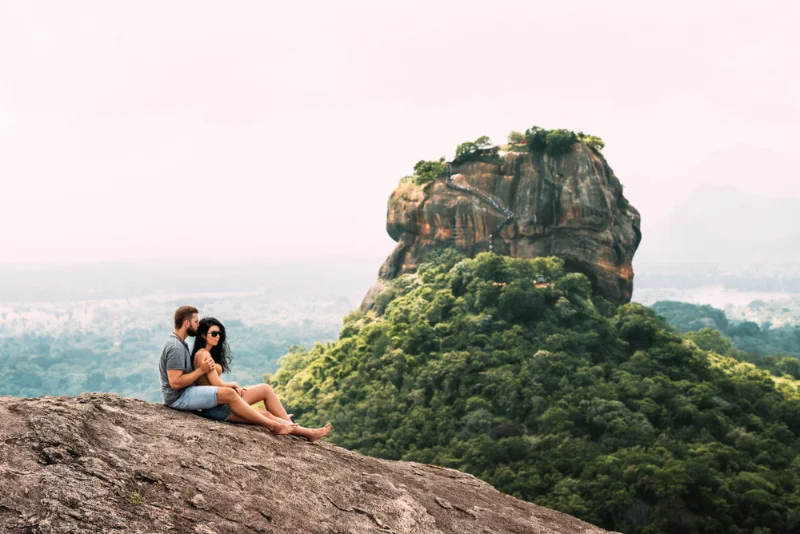
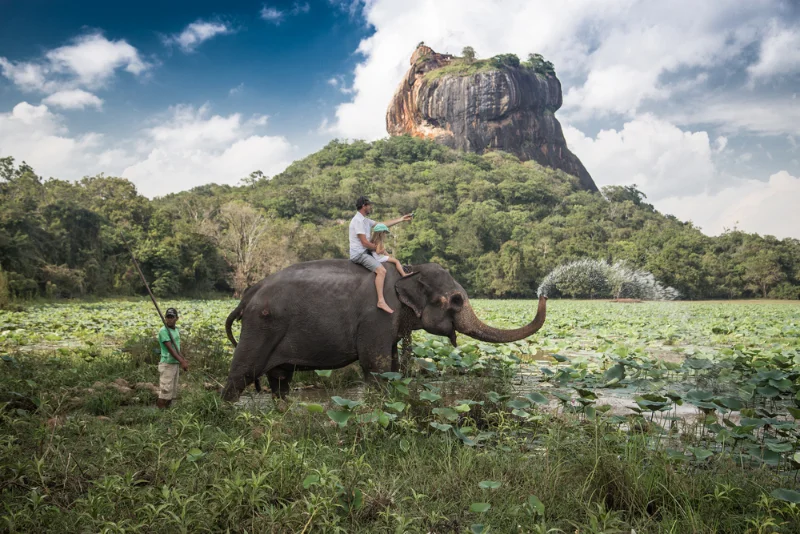
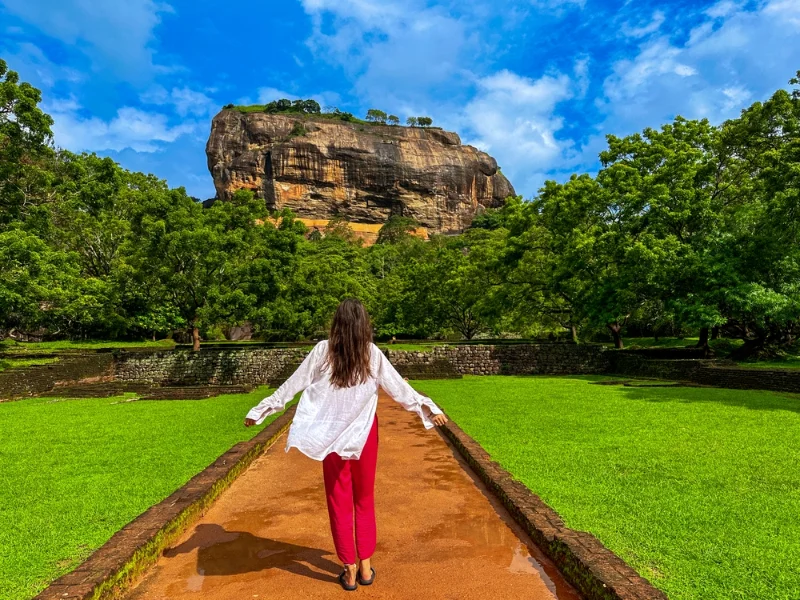
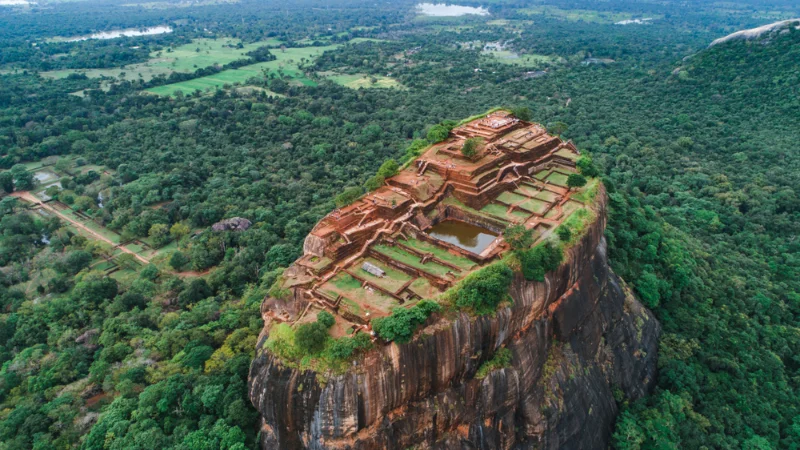
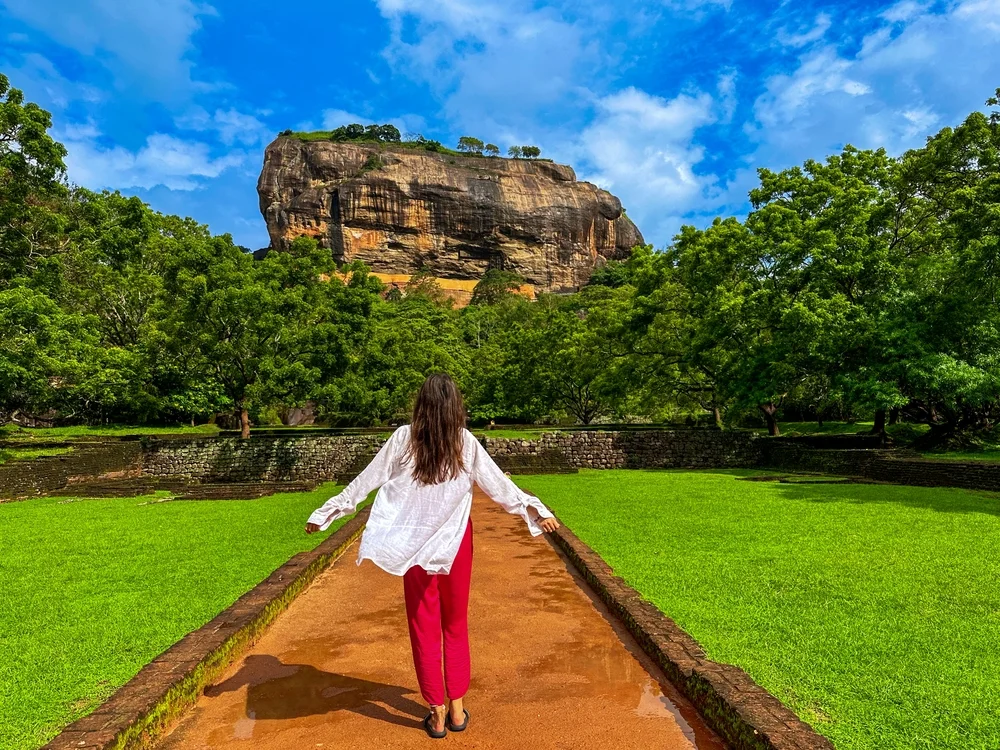
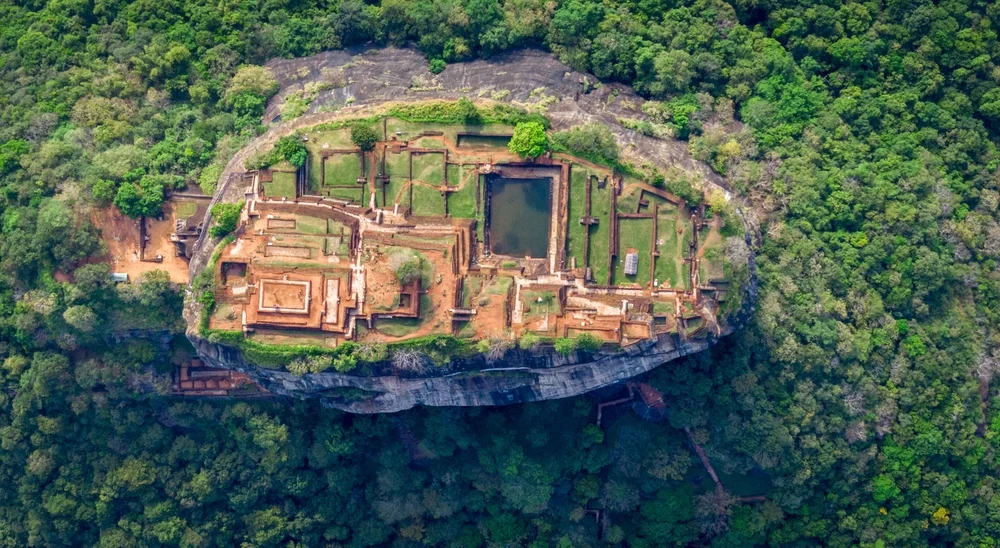
Sri Lanka's most dramatic sight, a 200-metre column of volcanic rock rising from the jungle floor, with the ruins of a 5th-century palace complex at its summit. King Kashyapa (477–495 AD) built his palace here, accessible only by climbing through the Lion's Gate (a pair of giant carved stone paws that flank the final staircase) past gallery frescoes of celestial maidens that have survived 1,500 years. The view from the top across the surrounding jungle and reservoir system is remarkable.
Location: Sigiriya, Sri Lanka
Timings: 5 AM - 6:30 PM daily
Price: LKR 11143 (USD 35) per person for foreign tourists
Best time to visit: January to April (weather is pleasant for day trips); avoid midday heat by arriving at 7 AM
2. Kandy :
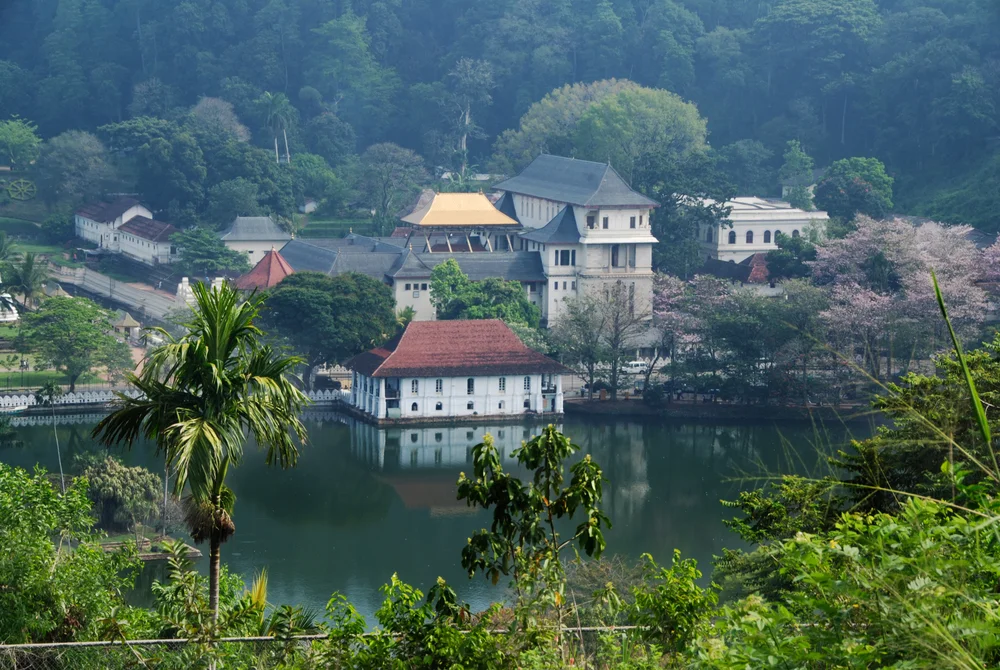
Sri Lanka's cultural capital sits in a bowl of green hills in the Central Highlands, built around a lake and centred on the Temple of the Tooth Relic; Sri Lanka's holiest Buddhist site, which houses a tooth of the Gautama Buddha. The temple complex is active, beautiful, and worth attending for a morning puja ceremony when drums and horns echo across the water. Beyond the temple: the Royal Botanical Gardens at Peradeniya (just outside the city) are among the finest in Asia, covering 147 acres with orchid houses, fern gardens, and a 350-year-old Java fig tree with a canopy spread of 2,500 square metres.
In August, Kandy hosts the Esala Perahera, one of the largest Buddhist festivals in the world, a 10-day procession of elephants, fire dancers, and drummers through the city streets. Booking accommodation well in advance is essential for this period.
Best time to visit: December to April; August for Perahera
3. Nuwara Eliya:
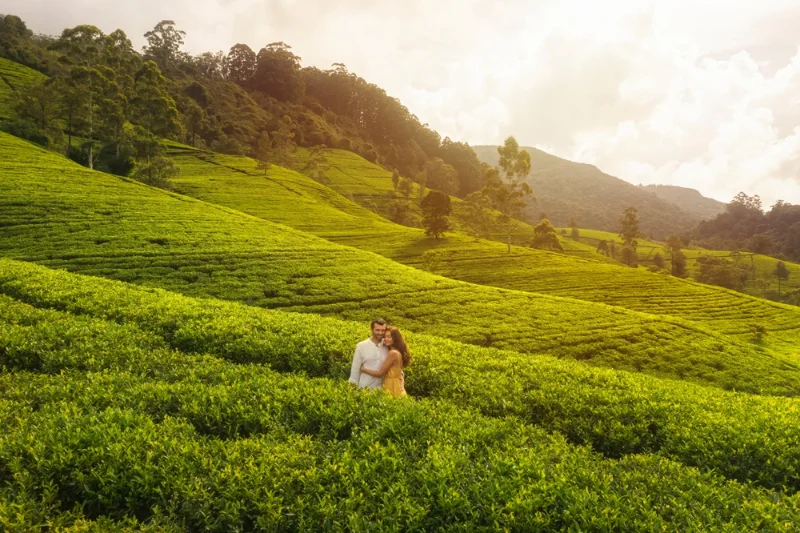
At 1,868 metres above sea level, Nuwara Eliya (pronounced "Noo-relia") is Sri Lanka's hill station; sometimes called Little England for its colonial-era bungalows, golf courses, rose gardens, and temperatures that drop to 11°C in January. The surrounding hills are carpeted with tea plantations; the tea grown here, Ceylon High-Grown, is among the most prized in the world. Visit a working tea factory to see the full process from leaf to cup, and drink a freshly brewed cup at the source.
The drive or train ride from Kandy to Nuwara Eliya is one of the highlights of any Sri Lanka trip, the road winds through waterfalls, mist, and tea country for three hours, with views that reward every turn.
Best time: January to April (drier, clearer); spectacular but cold in December–January
Average temperatures: 11–20°C year-round (bring a warm layer)
4. Ella:
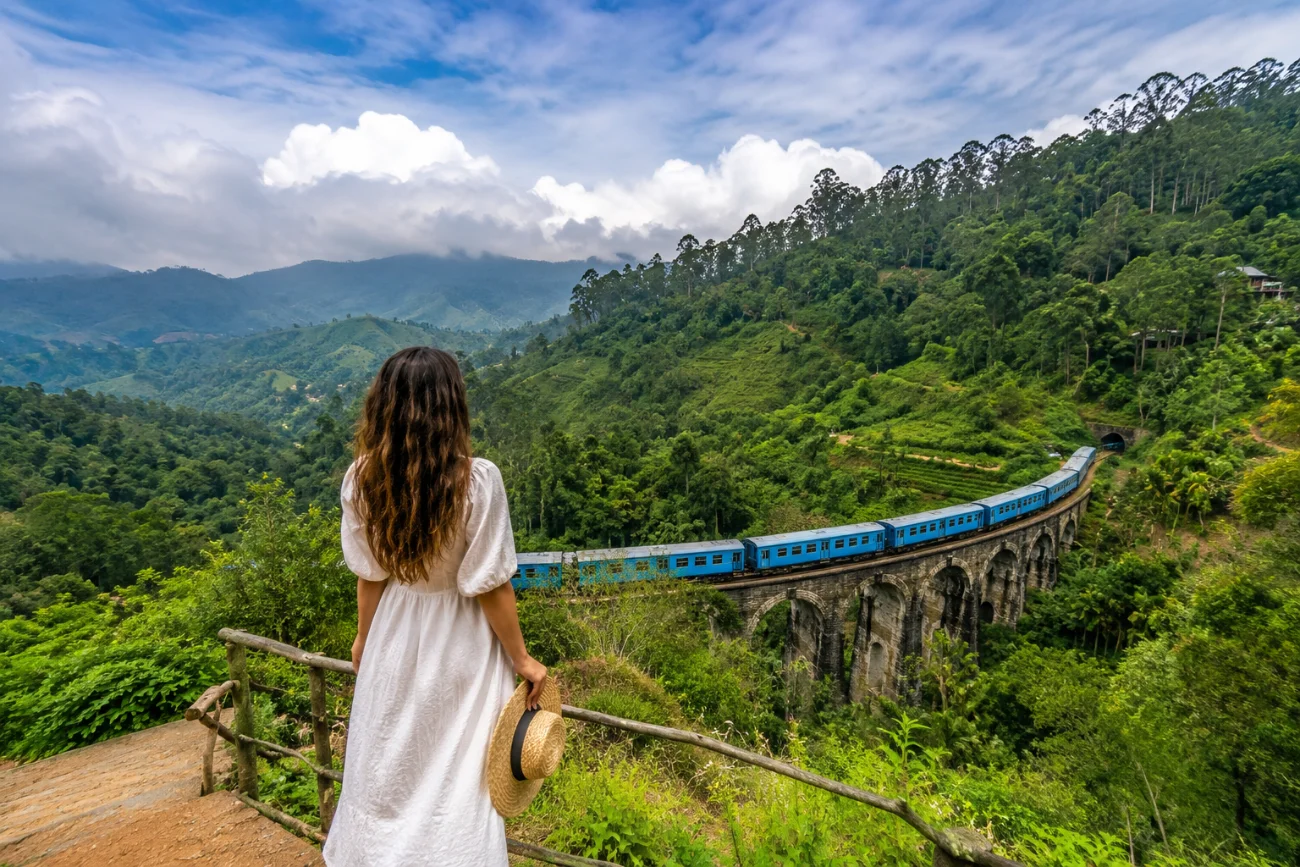
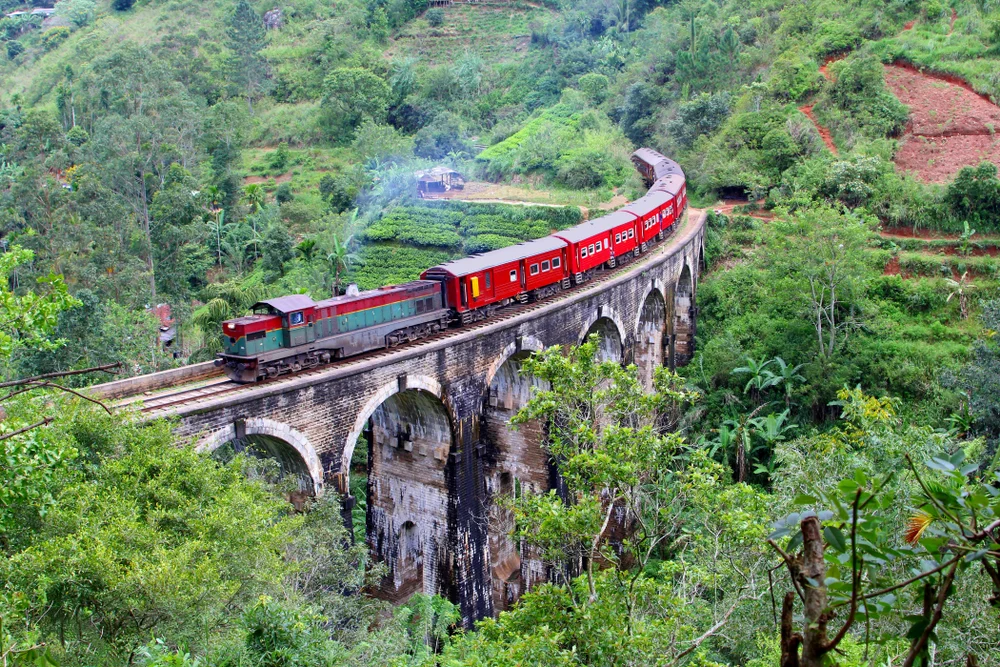
A small mountain town in the Uva Province that has become one of Sri Lanka's most beloved stops for both international travellers and Indian visitors. The draw: the Nine Arch Bridge (a colonial-era viaduct where trains pass over a 91-metre-high stone arch surrounded by jungle),
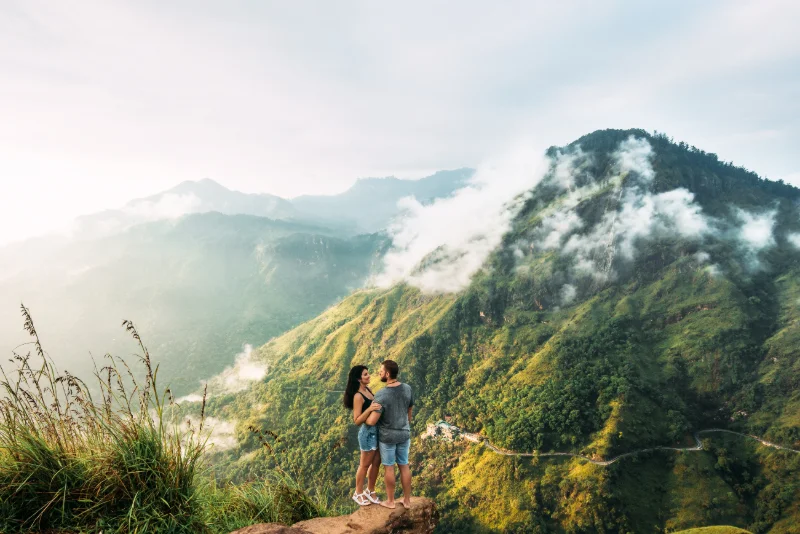
Little Adam's Peak (a 2-hour hike with outstanding valley views), and Ella Rock (a steeper 4-hour hike to a summit at 1,041 metres with 360° views). The food scene here is excellent, the guesthouses have mountain terraces, and the pace is exactly right for a 2-night stay.
Best time: January to April; September to November
5. Galle:
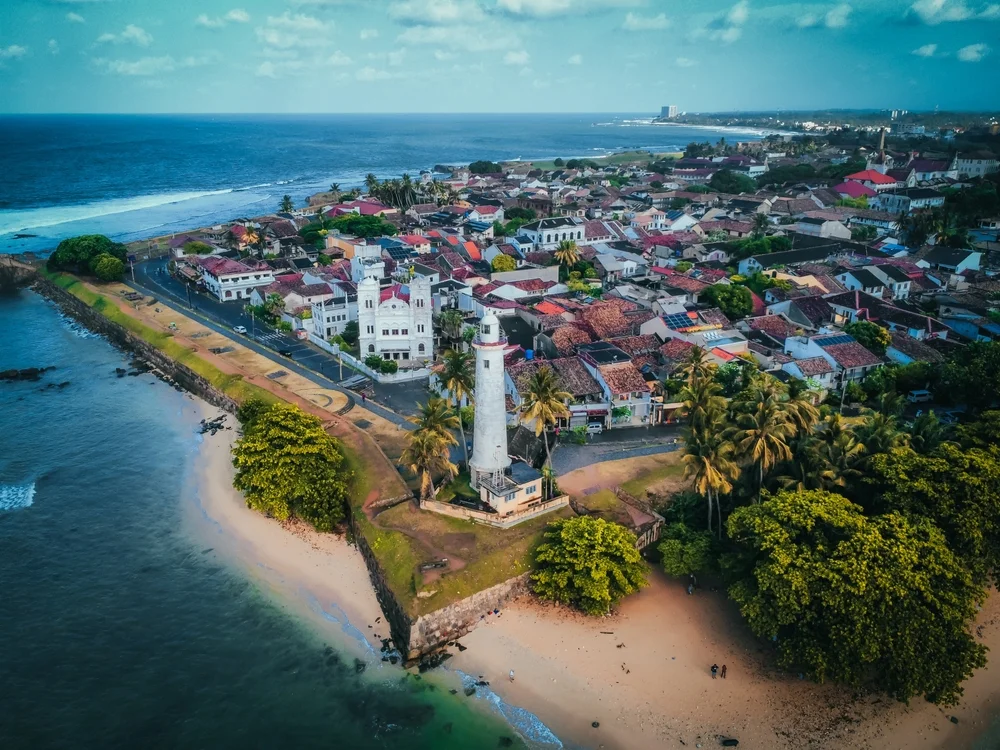
Galle is Sri Lanka's most captivating colonial city, a 16th-century Portuguese and Dutch fort occupying a rocky headland on the southern coast, its ramparts still intact, its cobblestoned streets still lined with the original Dutch-era buildings. Inside the fort walls are boutique hotels, excellent restaurants, gem merchants, and small museums. The Galle Fort Lighthouse, built in 1938, stands at the southwestern tip.
The National Maritime Museum tells the story of Sri Lanka's seafaring past. Walking the ramparts at sunset, with the Indian Ocean on one side and the old town on the other, is one of the best hours you can spend in Sri Lanka. Beyond the fort, you can visit the Unawatuna beach which is 5 km east, one of the prettiest bays on the south coast.
Best time: December to April (south coast dry season)
6. Yala National Park:
Sri Lanka's most visited national park and one of the best places in the world to see leopards in the wild. Yala has the highest density of leopards of any national park globally, roughly one leopard per 5 square km, which makes sightings far more reliable than anywhere in India. The park also has large elephant herds, sloth bears, crocodiles, and over 200 bird species.
Game drives (by open-top jeep with a ranger and tracker) typically run 5:30 to 10 AM and 3 to 6:30 PM to avoid midday heat. Plan a minimum of two game drives for a reasonable chance of a leopard sighting.
Location: 260km South East of Colombo; Entry Points are - Gate1: Katagamuwa Gate 2: Palatupana
Timings: 6 AM to 6 PM; park closed on Tuesdays (first Tuesday of the month)
Safari Price: Starts from LKR 28,100 (full day) (price changes seasonally)
Best time: June to September (pleasant weather); avoid the park in October when the southeast monsoon makes some areas inaccessible
7. Colombo:
Often treated as a transit hub rather than a destination, Colombo rewards an unhurried day. The historic Pettah Market, a labyrinth of wholesale shops, food stalls, and textile traders that has been operating continuously for centuries, is genuinely fascinating. Galle Face Green, the urban seafront promenade, is perfect at dusk when the city exhales and food vendors arrive.
The Dutch Hospital Precinct (a 400-year-old restored colonial building housing restaurants including the famous Ministry of Crab) is the best dining address in the city. The Gangaramaya Temple on Beira Lake is architecturally unusual and culturally rich, and the National Museum covers Sri Lanka's history from prehistoric times through the colonial period.
Best Time: Tropical year-round; 25–31°C; best visited December to March for lower humidity
8. Anuradhapura:
The ancient city of Anuradhapura was the capital of Sri Lanka for over 1,300 years (from the 4th century BC to the 10th century AD) and is one of the oldest continuously inhabited cities in the world. Today it is both a UNESCO World Heritage Site and a living pilgrimage city for Sri Lanka's Buddhist community. The sacred Sri Maha Bodhi tree, grown from a cutting of the original Bodhi tree in Bodh Gaya, India, under which the Buddha attained enlightenment, is believed to be the oldest historically documented tree in the world (over 2,300 years old). Thousands of pilgrims in white clothing visit in their daily lives. The Ruvanvelisaya Dagoba, a gleaming white stupa 55 metres tall, is the city's most visible landmark. The ancient moonstone carvings at the entrances of the Isurumuniya temple are extraordinary.
Timings: Archaeological sites: 7 AM - 5:30 PM
Price: LKR 8000 per person (approx. ₹2,100); covers all major sites within the zone
Best time: May to September (drier, clearer; the north is less affected by the southwest monsoon)
9. Polonnaruwa:
If Anuradhapura represents Sri Lanka's earliest chapter, Polonnaruwa is its medieval golden age, a 10th to 13th century imperial capital that flourished after Anuradhapura was abandoned to invaders from south India. The ruins are better preserved and more compact than Anuradhapura, making them easier to explore in a single day by bicycle (hire at the entrance for ₹200–400). The Gal Vihara, four colossal Buddha figures carved directly into a single granite face, are among the finest examples of ancient stone carving in South Asia. The Parakrama Samudra reservoir, an ancient irrigation lake that still functions today, surrounds the city on three sides.
Timings: 7 AM - 5 PM daily
Price: LKR 9500 per person; covers the main archaeological zone
Best time: May to September (dry season in the north)
10. Jaffna:
Jaffna is the cultural capital of Sri Lanka's Tamil community and one of the most distinctive cities in the country, unlike anywhere else on the island. Its culture is deeply Tamil: the food is Jaffna-style (drier, spicier, more crab-forward than the rest of Sri Lanka), the temples are spectacular Dravidian-style kovils, and the connection to South India feels immediate. For Indian visitors, particularly those from Tamil Nadu, Jaffna carries a sense of cultural recognition unlike any other Sri Lankan destination.
The Nallur Kandaswamy Kovil, a 17th-century Hindu temple dedicated to Lord Murugan, is one of the most important Hindu temples outside India. The Jaffna Fort (a Dutch colonial fort) and the Jaffna Public Library (rebuilt after being burned during the civil war) are significant landmarks. The Jaffna lagoon islands, reached by causeway, have some of the most pristine and least-visited beaches on the island.
Best time: February to September (dry, hot, excellent for the lagoon islands)
11. Bentota:
Sri Lanka's premier beach resort town on the west coast, 90 minutes south of Colombo. Bentota Beach is wide, clean, and calm enough for swimming; the Bentota River estuary behind the town creates a lagoon ideal for water sports. Activities on offer are jet skiing, parasailing, snorkelling, Ayurvedic spa treatments, and the turtle hatchery at the beach where you can release baby turtles into the sea in the evenings. The Brief Garden (the private jungle garden of famous Sri Lankan landscape architect Geoffrey Bawa) is 20 minutes away and genuinely beautiful.
Best time: December to April (west coast dry season)
12. Trincomalee:
Trincomalee, "Trinco" to most travellers, is Sri Lanka's great eastern port city, with a natural harbour ranked among the finest in the world. The Koneswaram Temple, a Hindu temple perched on Swami Rock 130 metres above the Indian Ocean, is one of the Pancha Ishwarams (five ancient Shiva temples of Sri Lanka) and one of the most dramatic temple settings in the country. Pigeon Island National Park, reachable by boat from Trinco's Nilaveli Beach, has excellent snorkelling, blacktip reef sharks, sea turtles, and colourful reef fish in clear water. Nilaveli Beach itself is a long, uncrowded, and genuinely beautiful stretch of sand.
Best time: April to September (east coast dry season, calm seas)
Best Beaches in Sri Lanka
Sri Lanka's beaches are one of its greatest assets, with both the west/south and east coasts offering good swimming conditions at different times of year.
West and South Coast Beaches (best: December to April)
Unawatuna: Located near Galle, Unawatuna is one of the most picturesque beaches in Sri Lanka, known for its crescent-shaped shoreline and calm, turquoise waters. Ideal for swimming and snorkeling, it also offers coral reefs and vibrant marine life. The beach is lined with cozy cafes, boutique stays, and nightlife spots. Travelers love the laid-back vibe, scenic sunsets, and easy access to cultural attractions like the historic Galle Fort nearby.
Mirissa: Mirissa is a tropical paradise famous for its golden sands and palm-fringed coastline. Located on the southern coast of Sri Lanka, it is best known for whale watching, where travelers can spot blue whales and dolphins in the Indian Ocean. The beach offers a relaxed atmosphere with beach bars, seafood shacks, and stunning sunsets. It’s perfect for surfing beginners and those seeking a peaceful escape with a touch of adventure and lively nightlife.
Bentota Beach: Bentota Beach, situated along the southwest coast of Sri Lanka, is known for its pristine sands and luxury resorts. It is a hotspot for water sports like jet skiing, windsurfing, and banana boat rides. The nearby Bentota River adds to the charm with scenic boat safaris through mangroves. Ideal for honeymooners and families, Bentota offers a perfect mix of relaxation, adventure, and upscale coastal experiences.
Hikkaduwa: Hikkaduwa is a vibrant beach destination famous for its coral sanctuary and lively atmosphere. Located close to Galle, it attracts snorkelers and divers eager to explore colorful reefs and tropical fish. The beach is also popular among surfers, especially during peak season. With beachside cafes, nightlife, and cultural experiences, Hikkaduwa offers a dynamic travel experience, making it a favorite among backpackers and young travelers visiting Sri Lanka.
Arugam Bay: Arugam Bay, on the east coast of Sri Lanka, is a world-renowned surfing destination attracting wave riders from across the globe. Known for its laid-back vibe, it offers stunning natural beauty, uncrowded beaches, and excellent surf breaks like Main Point. Beyond surfing, travelers can enjoy lagoon safaris, wildlife spotting, and nearby cultural sites. Arugam Bay is ideal for those seeking a peaceful, offbeat beach experience combined with adventure and scenic coastal charm.
East Coast Beaches (best: April to September)
Nilaveli Beach, Trincomalee: Located near Trincomalee, Nilaveli Beach is a serene coastal escape on the northeastern shores of Sri Lanka. Known for its powdery white sand and crystal-clear waters, it is perfect for swimming and sunbathing. A major highlight is a short boat ride to Pigeon Island National Park, where travelers can snorkel among coral reefs and reef sharks. Ideal for peace seekers, Nilaveli offers untouched beauty and minimal crowds.
Passikudah: Passikudah, situated on the eastern coast of Sri Lanka, is famous for its shallow, calm waters that stretch far into the sea, making it ideal for safe swimming. Located near Batticaloa, the beach is perfect for families and leisure travelers. Its tranquil setting, luxury resorts, and opportunities for water sports like kayaking and windsurfing make it a relaxing getaway. Passikudah is especially loved for its long coastline and soothing, crowd-free ambiance.
The Famous Ramayana Trail / Circuit
For Indian travellers, particularly those from Hindu and specifically Vaishnava traditions, Sri Lanka is uniquely sacred. Sri Lanka is home to over 50 sites associated with the events of the Ramayana, from sacred temples and lush gardens to caves, waterfalls, and historical formations that are traditionally placed in the epic's narrative. This is the land of Ravana's Lanka, and the stories are woven into the island's geography in a way that resonates deeply with Indian visitors. A dedicated Ramayana Trail tour of Sri Lanka typically spans 7–11 days and covers the following key sites:
Munneswaram Temple, Chilaw: Believed to be where Lord Rama prayed to Lord Shiva after defeating Ravana, seeking to cleanse himself of the sin of Brahmahatya (killing a Brahmin). One of the five ancient Ishwarams of Shiva in Sri Lanka.
Manavari Temple, Chilaw: Believed to be where Lord Rama installed the first Siva Lingam after defeating Ravana, the only lingam in the world named after Ram (the Ramalingam).
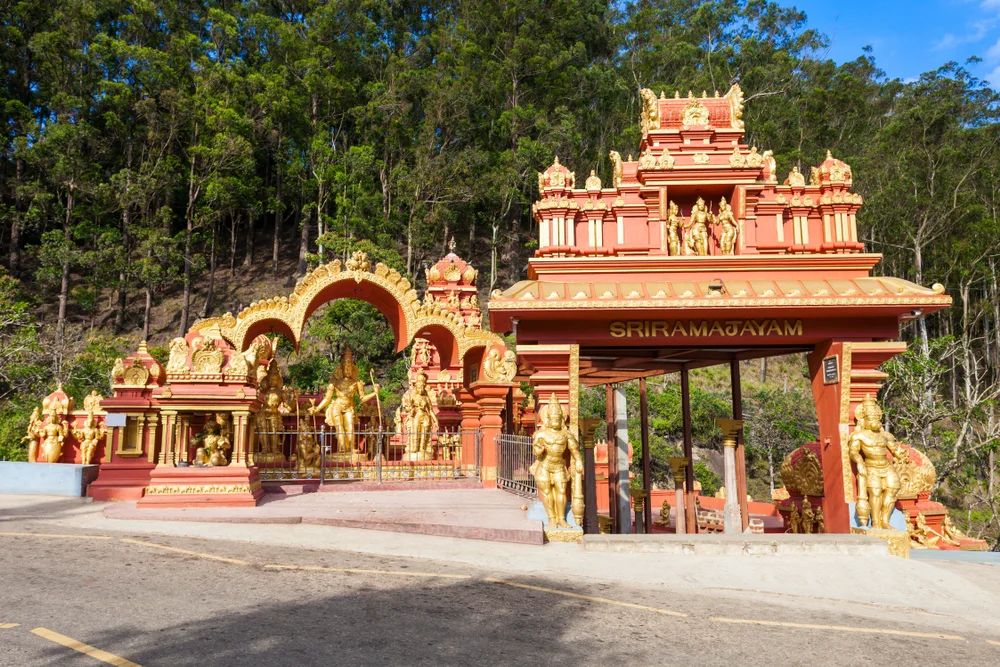
Seetha Amman Temple (Sita Eliya), Nuwara Eliya: The only Hindu temple in Sri Lanka dedicated to Princess Sita. Tradition holds that this is where Ravana held Sita captive; a stream nearby with rock depressions believed to be Hanuman's footprints runs through the site. The surrounding area, including Hakgala Botanical Gardens, is identified as the Ashok Vatika of the Ramayana.
Divurumpola Temple: The site traditionally acknowledged as where Sita underwent the Agni Pariksha (trial by fire) to prove her purity before Lord Rama. The name Divurumpola translates as "place for oath-taking." Still used by locals today for oath-taking ceremonies.
Sri Bhaktha Hanuman Temple, Ramboda: Perched on Ramboda Hill along the Kandy-Nuwara Eliya road, this temple is dedicated to Lord Hanuman and believed to mark the area where he searched for Sita. The 16-foot Hanuman statue and the surrounding valley views are spectacular, particularly at sunrise.
Ravana Falls and Ravana Caves, near Ella: A beautiful 25-metre cascading waterfall and cave network near Ella, both linked in tradition to King Ravana. The caves are believed to have been part of his network of passages and are visited by devotees and curious travellers alike.
Thirukoneswaram Temple, Trincomalee: One of the Pancha Ishwarams, perched on Swami Rock above the Indian Ocean. Of great significance on the Ramayana Trail for its devotion to Lord Shiva.
Adam's Bridge (Ram Setu), Talaimannar: The natural chain of limestone shoals stretching from Talaimannar, Sri Lanka to Rameswaram, India, believed to be the bridge built by Lord Rama's Vanara army to rescue Sita from Ravana's Lanka. The physical connection between the two countries is visible from the air and carries profound symbolic and religious weight.
Kelaniya Vibhishana Temple, near Colombo: Believed to be the site where Lakshmana crowned Vibhishana as King of Lanka after Ravana's defeat.
Travalot offers dedicated Ramayana Trail packages from India covering all major sites. These are especially popular with pilgrimage groups and families with strong Hindu traditions. Contact us for a customised Ramayana Trail itinerary.
Best Things to Do in Sri Lanka
Here is the list of best things to do in Sri Lanka that you can add to your Sri Lanka travel itinerary
1. Climb Sigiriya Rock Fortress:
One of the most awe-inspiring experiences in all of South Asia, climbing the ancient palace rock of King Kashyapa at dawn, past 1,500-year-old frescoes, through the carved Lion's Gate, to the summit with its terraced gardens and panoramic views across the jungle canopy. Arrive when the gates open at 5 AM to beat both the heat and the crowds.
Location: Sigiriya, Sri Lanka
Timings: 5 AM - 6:30 PM daily
Price: LKR 11143 (USD 35) per person for foreign tourists
2. Ride the Kandy–Ella Train:
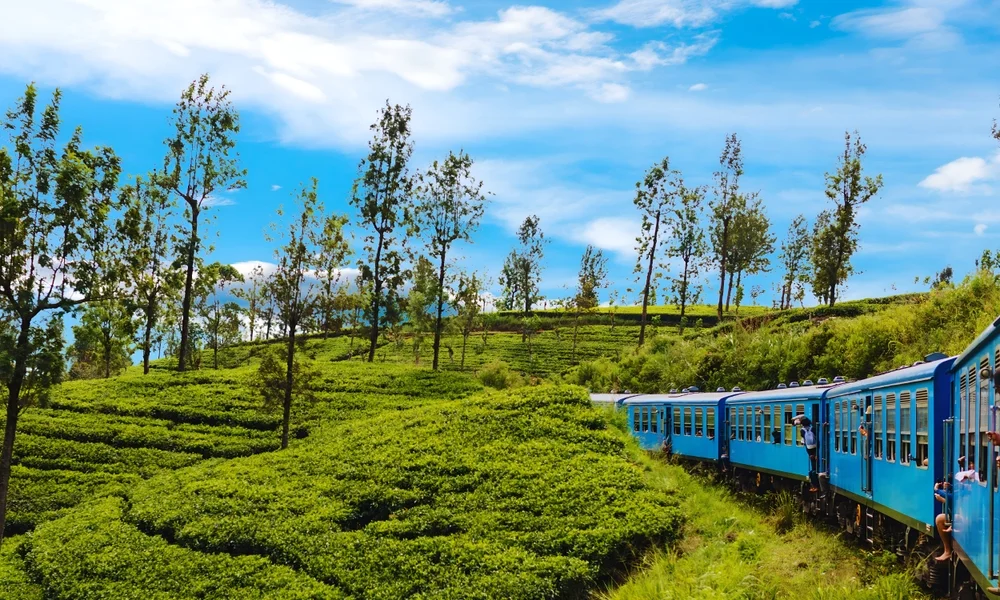
The Colombo to Kandy to Ella train journey is considered one of the most scenic in Asia, passing through misty mountains, tea plantations, waterfalls, and hill-country villages. The 7-hour Kandy–Ella segment in a second-class observation car, with a cup of tea in hand and the carriage door open to the mountain air, is one of the great travel experiences in South Asia. Book in advance through Sri Lanka Railways or ask Travalot to arrange reserved seats.
Timings: Multiple daily departures; morning trains offer the clearest views and pleasant weather.
Location: From Kandy to Ella via Sri Lanka Railways hill-country route.
Price: Ticket prices range from LKR 4000 to LKR 5,000 depending on class and seat reservation.
3. Whale Watching in Mirissa:
Sri Lanka's southern waters are a blue whale feeding ground from November through April, with consistent daily sightings that make Mirissa one of the most reliable whale watching destinations in the world. Blue whales, the largest animals that have ever lived, surface frequently in these waters, sometimes within 100 metres of the boat. Sperm whales, spinner dolphins, and flying fish are regularly seen on the same trip.
Timings: Boat tours usually operate between 6:00 AM and 10:00 AM, depending on sea conditions.
Location: Mirissa Harbour, Southern Province of Sri Lanka.
Price: Whale-watching tours cost approximately LKR 16,000–18,000 per person.
4. Safari at Yala National Park:
A sunrise jeep safari through Yala, the world's densest leopard habitat, is one of the great wildlife experiences in Asia. The park's leopards are habituated to vehicles and sometimes come within metres of open jeeps. Early morning and late afternoon drives (when big cats are most active) offer the best chances. The park’s varied landscape of scrublands, forests, and lagoons supports diverse wildlife, including elephants, sloth bears, crocodiles, and exotic birds.
Location: Yala National Park, Southern and Uva Provinces.
Timings: Morning safaris from 6:00 AM and evening safaris from 4:00 PM.
Price: Safari jeep and entry fees cost approximately LKR 12,000 to LKR 18,000.
5. Visit the Temple of the Tooth Relic, Kandy:
Sri Lanka's holiest Buddhist site, the Dalada Maligawa (Temple of the Sacred Tooth Relic), houses a tooth of the Gautama Buddha enshrined in a golden casket within a golden relic chamber. Attending an early morning puja ceremony, when drums beat, white-clad pilgrims file past with lotus offerings, and incense rises through the chambers, is deeply moving regardless of one's faith.
Location: Kandy, Central Province of Sri Lanka.
Timings: Open daily from 5:30 AM to 8:00 PM, including special prayer sessions.
Price: Entry is free; donations are optional for visitors.
6. Trek to Adam's Peak (Sri Pada):
Adam's Peak is a conical 2,243-metre mountain in the Central Highlands with a sacred "footprint" at its summit revered by Buddhists, Hindus, Muslims, and Christians alike. The 7-km night ascent (typically starting at midnight to reach the summit by dawn) is strenuous but achievable for reasonably fit travellers; the staircase is lit throughout the pilgrimage season. The sunrise view from the summit, the mountain casting a perfect triangular shadow across the surrounding landscape, is extraordinary.
Location: Central Sri Lanka, near Hatton.
Timings: Pilgrimage season runs from December to May; hikes usually start between 2:00 AM and 3:00 AM.
Price: Entry is free; small donations are encouraged at rest stops.
7. Explore the Dambulla Cave Temple:
The Royal Rock Temple at Dambulla, a UNESCO World Heritage Site, is a complex of five cave temples cut into a granite outcrop that rises 160 metres above the surrounding plains. Inside are 157 statues of the Buddha and a series of ceiling and wall paintings covering over 2,100 square metres, the largest area of cave paintings in Sri Lanka. The site dates to the 1st century BC, with additions by subsequent kings through the 18th century.
Location: Kandy - Jaffna Hwy, Dambulla, Sri Lanka.
Timings: 7:00 AM to 7:00 PM daily, last entry before sunset.
Price: Entrance fee approximately LKR 2,000 for foreign visitors.
8. Witness the Kandy Esala Perahera:
If your Sri Lanka holiday falls in July or August, witnessing the Esala Perahera in Kandy is a once-in-a-lifetime experience. For 10 nights, a grand procession of costumed elephants (the lead elephant carries a golden casket replica of the Tooth Relic), traditional dancers, fire performers, and musicians moves through the streets of Kandy to the beat of Kandyan drums. The procession grows longer and more elaborate each night, culminating in the Randoli Perahera on the last night. Book accommodation in Kandy 6–12 months ahead for Perahera dates.
Location: Sri Dalada Veediya, Kandy 20000, Sri Lanka
Dates: From 18th to 28th August 2026
9. Visit Pinnawala Elephant Orphanage:
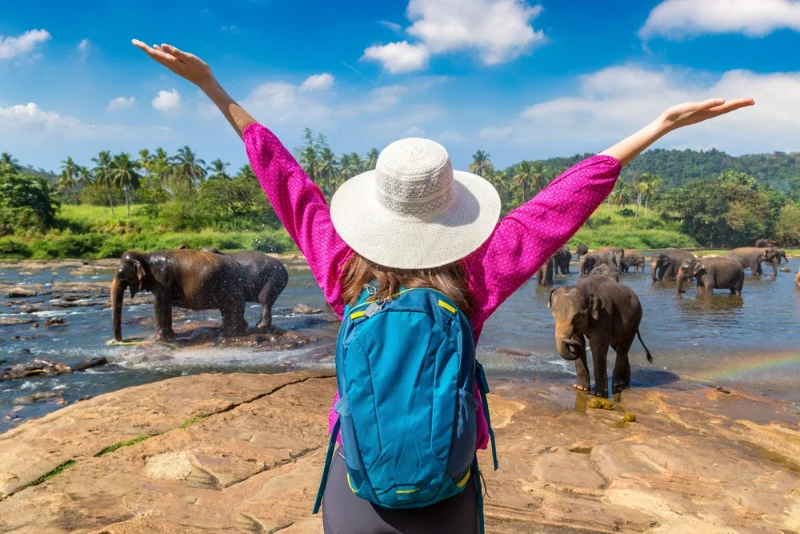
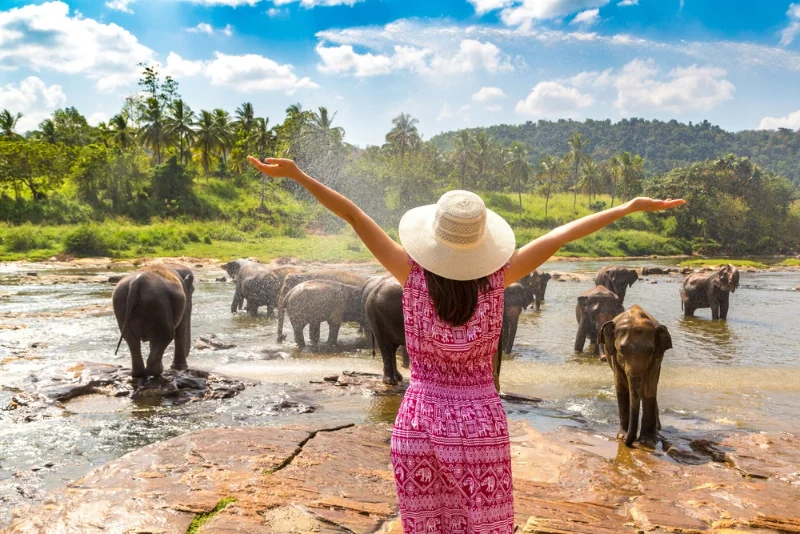
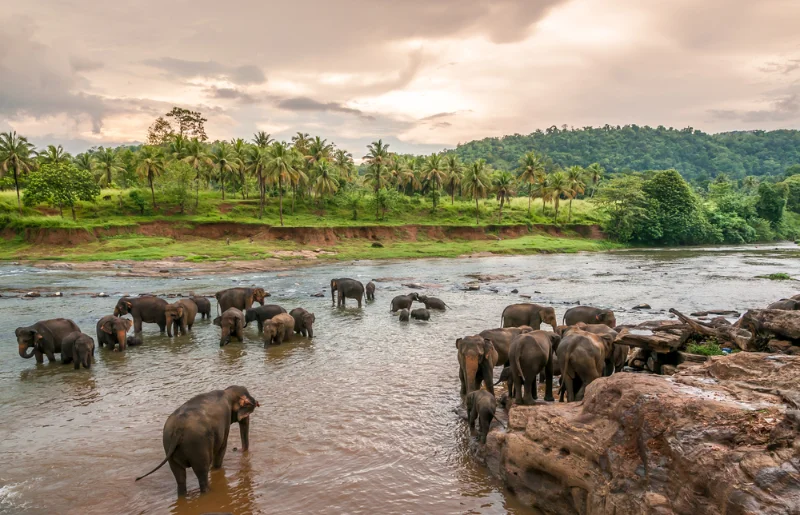
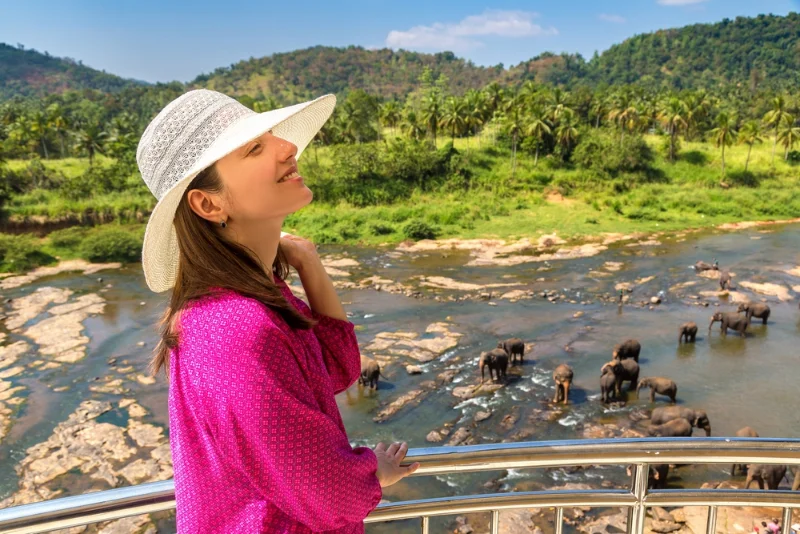
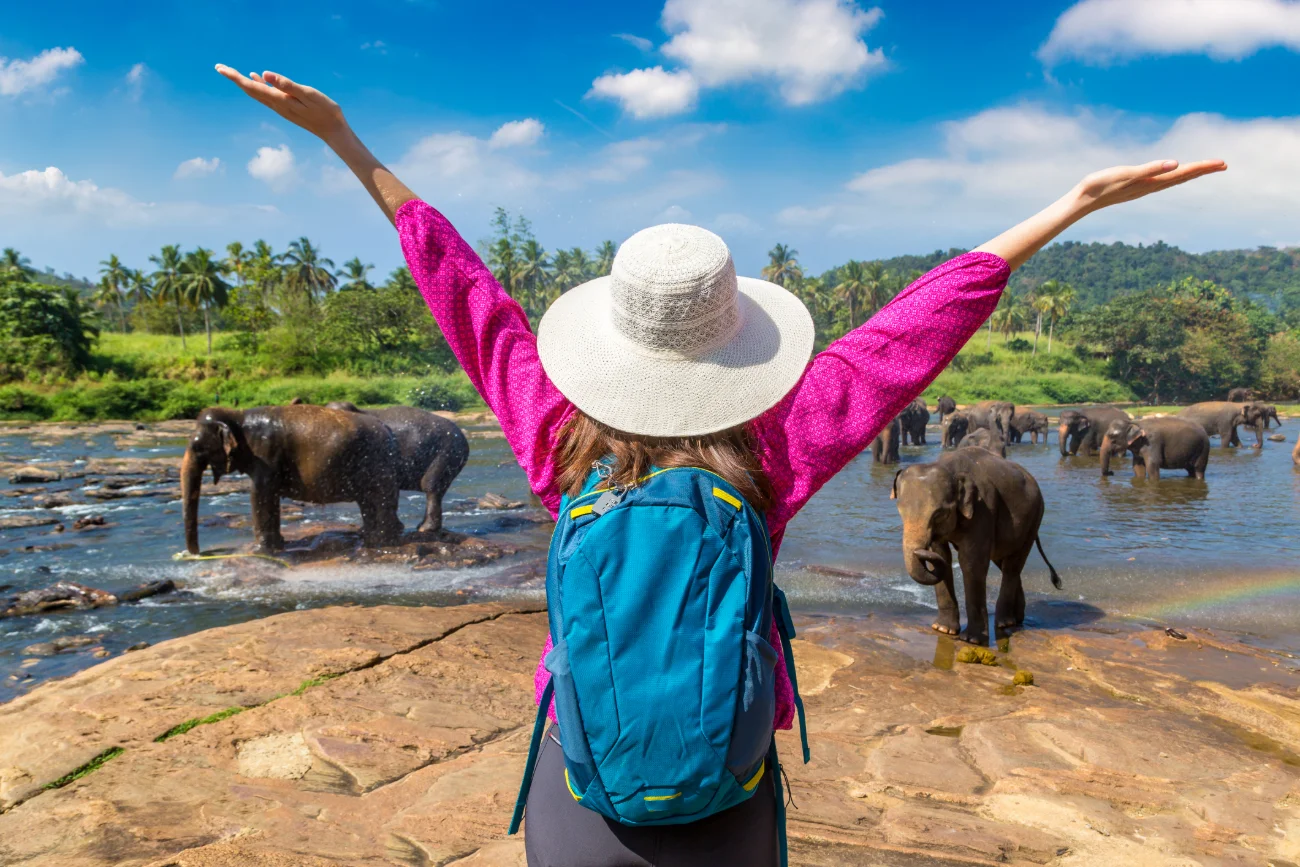
Sri Lanka's most famous elephant sanctuary, in a village outside Kandy, cares for over 90 rescued elephants that are orphaned calves, injured animals, and elephants from various circumstances. Twice daily the entire herd is walked to the Maha Oya River for bathing, an extraordinary spectacle when up to 60 elephants enter the water simultaneously. The orphanage has drawn criticism for elephant riding but the bathing visits and observation areas are worthwhile.
Location: Rambukkana, Sri Lanka
Timings: 8:30 AM - 5:30 PM
Price: Approx. LRK 5000
10. Boat Trip on the Madu River:
Glide through 900 acres of mangrove islands and waterways in a traditional river boat, stopping at fish therapy pools (small carp nibble dead skin from your feet, genuinely effective), cinnamon plantations, and an island Buddhist temple. The Madu River Biosphere Reserve is one of Sri Lanka's most ecologically important wetlands, and a 2-hour boat trip through it is a meditative, beautiful experience.
Location: Madu River, Balapitiya, Southern Province.
Timings: Boat safaris operate between 6:00 AM and 5:00 PM.
Price: Boat safari costs approximately LKR 8,000 to LKR 10,000.
Food to Try in Sri Lanka
1. Rice and Curry: The National Meal:
Approx. Price: ₹200–500 at local restaurants; ₹600–1,200 at tourist restaurants
Where to Find: Available everywhere; try it at Upali's by Nawaloka in Colombo for an authoritative version
Bowl-shaped pancakes made from fermented rice flour and coconut milk, crispy around the edges, soft and slightly spongy in the centre. Egg hoppers (an egg cracked into the bowl while it cooks) are the most popular version. Eaten at breakfast with lunu miris (a fresh chilli and onion sambal) and coconut sambol, they are a genuinely excellent start to a day's travel.
Approx. Price: ₹50–150 per hopper at street stalls and local cafés
Where to Find: Try them at: SkinnyTom's in Unawatuna, morning street stalls in Kandy or Ella, or any guesthouse breakfast
You hear kottu before you see it, the rhythmic metallic clang of two metal blades chopping roti on a sizzling iron griddle announces its preparation from 50 metres away. Chopped godamba roti (a flaky, layered flatbread) is stir-fried with vegetables, egg, and your choice of meat or cheese, seasoned with spices and served with a curry sauce to pour over. It's Sri Lanka's definitive street food and the country's most satisfying late-night meal.
Approx. Price: ₹250–600 depending on filling
Where to Find: Street stalls and all-night restaurants, Hotel de Pilawoos in Colombo (open 24 hours) is the legendary address; late-night vendors in Kandy are also excellent
Delicate nests of steamed rice-flour noodles, eaten at breakfast with coconut sambol, dhal curry, and a thin coconut-milk curry. Recognisable to South Indian travellers as idiyappam, but the Sri Lankan version tends to be slightly coarser and the accompaniments more complex. A filling, affordable breakfast that fuels a morning of sightseeing.
Approx. Price: ₹150–350 per plate at local cafés and guesthouses
Where to Find: Any guesthouse breakfast in Ella, Nuwara Eliya, or the hill country
Jaffna's cuisine is in a category of its own, drier, more intensely spiced, and crab-forward in a way that the rest of the island isn't. Jaffna crab curry is one of the great dishes in Sri Lanka: large, fresh mud crabs cooked in a dry, intensely aromatic curry powder blend that is specific to the north. The crab must be fresh (it almost always is in Jaffna) and the curry must be eaten with your hands, with string hoppers or parotta to mop up the gravy.
Approx. Price: ₹800–2,000 depending on crab size
Where to Find: Local restaurants in Jaffna city; the Jaffna Rest House and Malayan Cafe are well-regarded
A ubiquitous condiment that elevates every meal it accompanies, freshly grated coconut mixed with dried chilli, red onion, lime juice, and sometimes Maldive fish (dried tuna that adds a deep umami). It's made fresh daily and varies noticeably from kitchen to kitchen. Eaten with hoppers, string hoppers, rice and curry, or even plain bread, pol sambol is what Sri Lankan food tastes like at its most essential.
Approx. Price: Served as a condiment at no additional cost in most local restaurants
Sri Lanka's most distinctive dessert, a rich, dark steamed pudding made from jaggery (coconut palm sugar), coconut milk, eggs, and spices (cardamom, cloves, nutmeg). It originated in the Malay community and has a deep, caramel-molasses flavour with a silky, dense texture. Available at most Sri Lankan restaurants and traditional sweet shops.
Approx. Price: ₹150–350 per serving
Where to Find: Traditional sweet shops in Colombo's Pettah market; also at Nuga Gama restaurant in Colombo
Sri Lanka ETA Visa for Indian Citizens
The Good News: Free ETA for Indian Citizens
As of 2026, Indian passport holders can obtain a free 30-day tourist ETA for Sri Lanka. The free visa covers tourism, family visits, and short business trips, with double-entry permitted, meaning you can leave Sri Lanka and re-enter once within the 30-day window.
- Valid Indian passport with at least 6 months' validity from arrival date and at least 2 blank pages
- Printed or digital ETA approval notice
- Confirmed return or onward flight ticket
- Proof of accommodation (hotel booking confirmation)
- Proof of sufficient funds (bank card or statement showing funds for the duration of stay)
- Digital Arrival Card
Couple Retreats
Family Getaways
Wander with Friends

 Riddhi Jain
 Riddhi Jain
 Riddhi Jain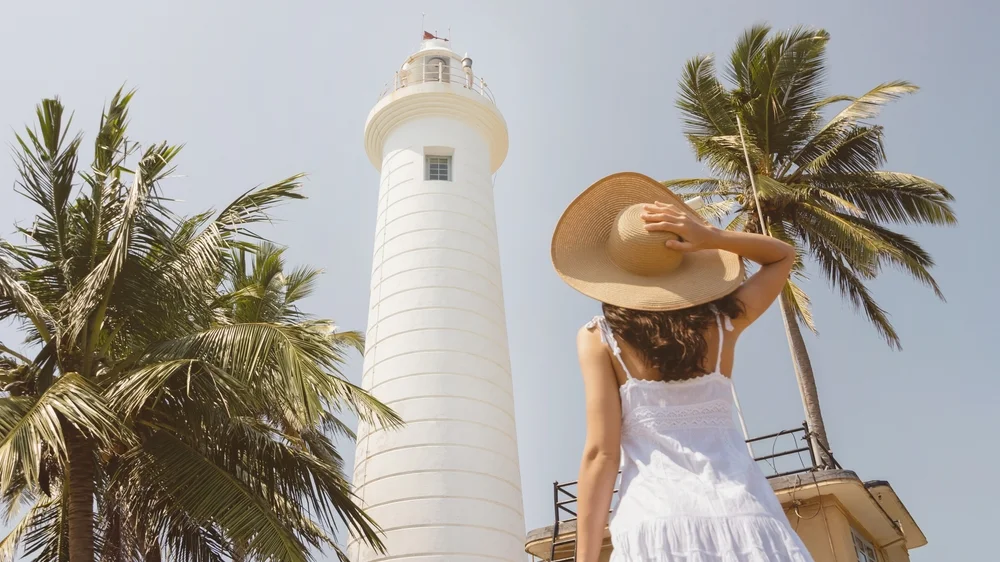
Frequently Asked Questions for Sri Lanka
- Ella, with its misty mountain mornings, tea-garden views, and candlelit café evenings, tops most honeymoon lists.
- Mirissa, for a romantic beach town with whale-watching sunrises and a relaxed pace. Galle Fort, for atmospheric old-city evenings and boutique hotels in colonial buildings.
- Nuwara Eliya, for cool hill-country air, rose gardens, and the sense of being in a different world.
- Bentota, for private beach resort stays with Ayurvedic spa treatments and river boat evenings.
- Ministry of Crab, Colombo: Asia's best known Sri Lankan restaurant; famous for lagoon crab in the Dutch Hospital Precinct | ₹1,600–3,200 per person
- Upali's by Nawaloka, Colombo: Best traditional Sri Lankan rice and curry in Colombo | ₹600–1,200 per person
- Hotel de Pilawoos, Colombo: 24-hour kottu institution, open all night | ₹300–600 per person
- The Gallery Café, Colombo: Art gallery meets restaurant in Cinnamon Gardens; excellent cocktails and desserts | ₹1,200–2,000 per person
- Fort Printers / 39 Bistro, Galle: Refined dining in a restored 18th-century printing house inside Galle Fort | ₹1,500–3,000 per person
- Café Chill, Ella: Mountain views and good food; the best café in Ella | ₹600–1,500 per person
- Nuga Gama, Colombo: Traditional Sri Lankan cooking in a village-style setting inside the Cinnamon Grand hotel | ₹1,000–2,000 per person