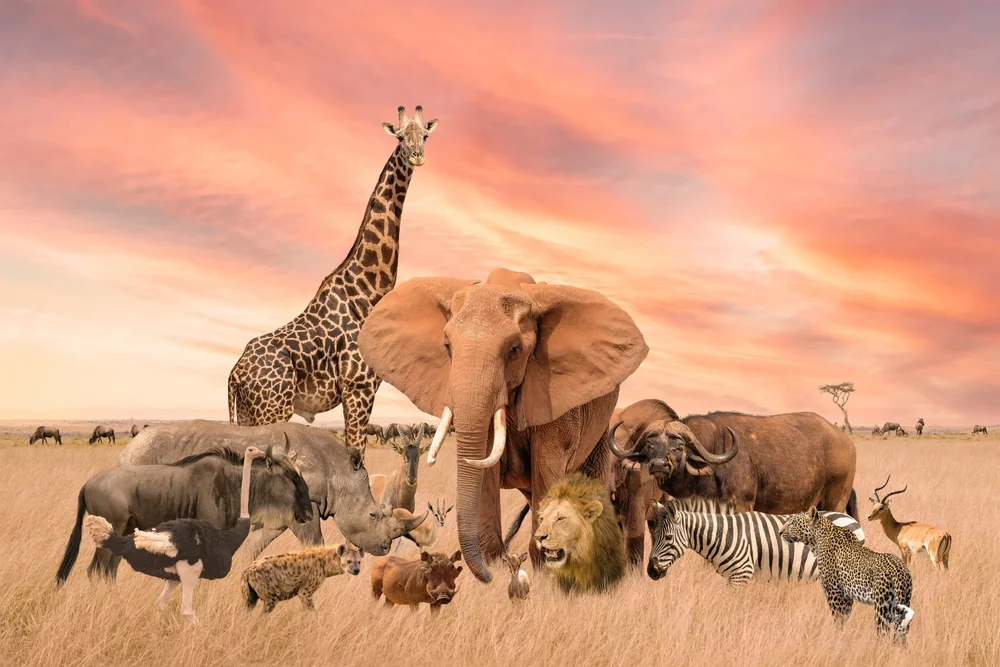

If you're planning a trip to Kenya, you've probably heard the term “Big Five” more times than you can count. But what exactly does it mean? Originally coined by big-game hunters, the Big Five animals in Kenya refer to the five most difficult animals to hunt on foot in Africa.
The Big Five safari animals include the lion, leopard, elephant, buffalo, and rhinoceros. Each one is iconic, not just for their size or strength, but for their character and presence in Africa's grasslands.
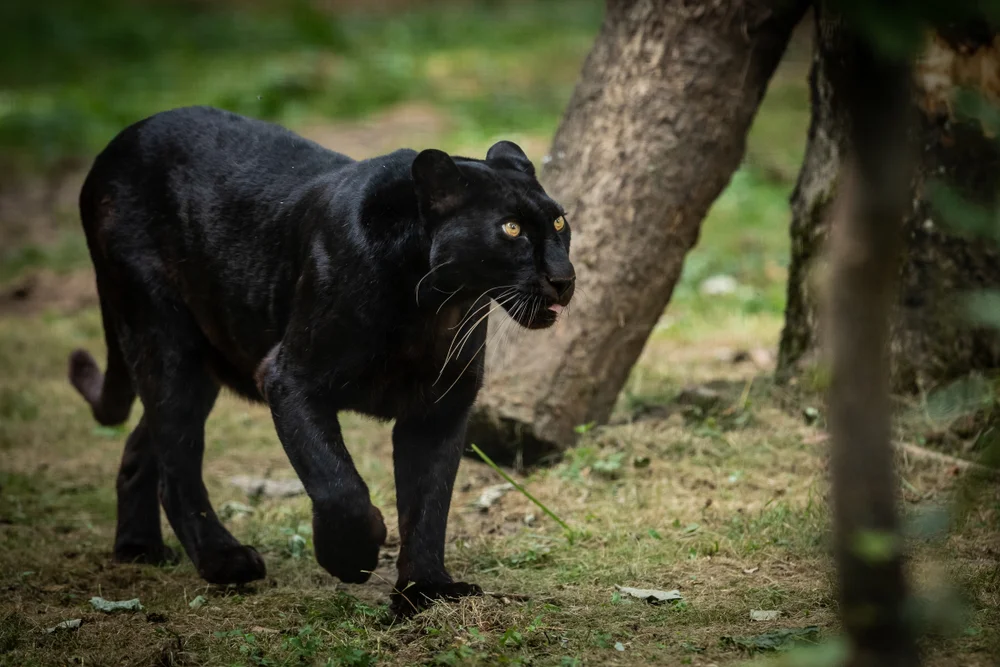
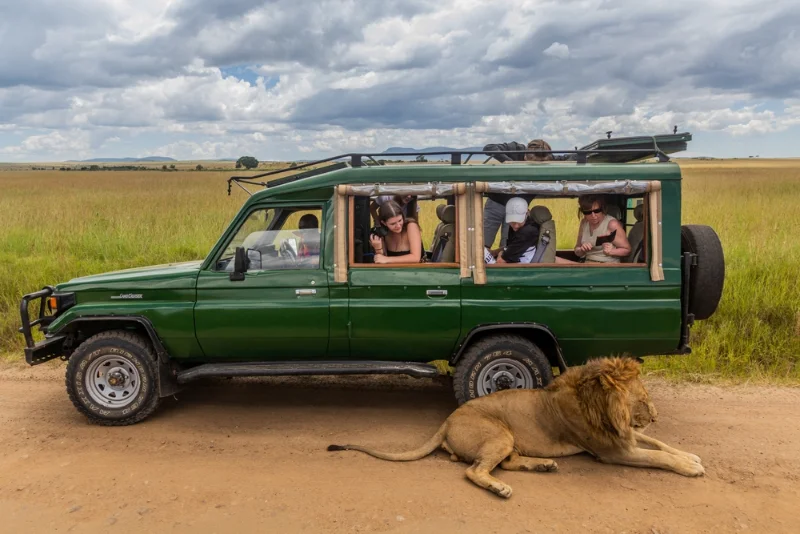
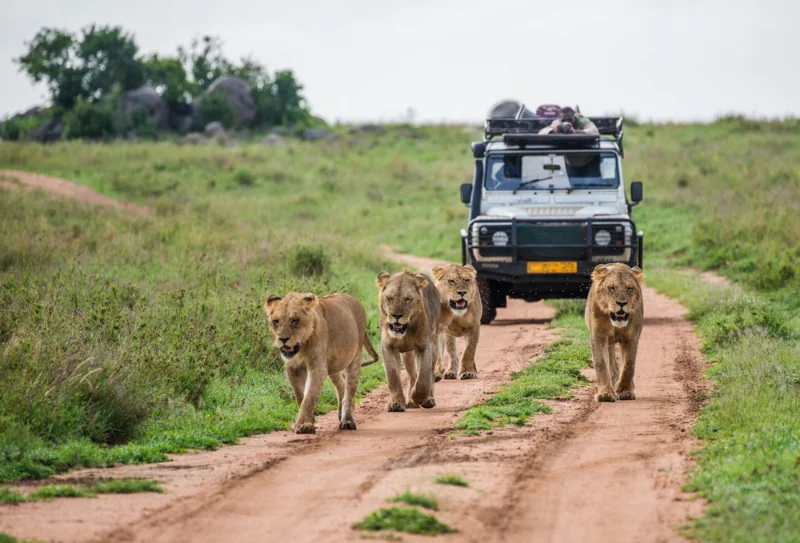
Lions, often spotted in prides, are the kings of the savannah. Leopards, elusive and solitary, are the hardest to see, often hiding in trees or thick bushes. African elephants, the largest land mammals, are gentle giants with surprising intelligence. Buffaloes may look like oversized cows, but don’t be fooled, as they are unpredictable and dangerous. And lastly, there’s the rhino, a prehistoric-looking powerhouse that’s sadly under constant threat from poaching.
Seeing all five on a single safari is considered a major achievement, and some even call it the safari version of hitting the jackpot. Kenya, with its rich biodiversity and legendary national parks like Maasai Mara and Amboseli, our Kenya tour packages offers one of the best chances to witness these majestic creatures in their natural habitat.
The Big Five safari animals include the lion, leopard, elephant, buffalo, and rhinoceros. Each one is iconic, not just for their size or strength, but for their character and presence in Africa's grasslands.
Lions, often spotted in prides, are the kings of the savannah. Leopards, elusive and solitary, are the hardest to see, often hiding in trees or thick bushes. African elephants, the largest land mammals, are gentle giants with surprising intelligence. Buffaloes may look like oversized cows, but don’t be fooled, as they are unpredictable and dangerous. And lastly, there’s the rhino, a prehistoric-looking powerhouse that’s sadly under constant threat from poaching.
Seeing all five on a single safari is considered a major achievement, and some even call it the safari version of hitting the jackpot. Kenya, with its rich biodiversity and legendary national parks like Maasai Mara and Amboseli, our Kenya tour packages offers one of the best chances to witness these majestic creatures in their natural habitat.
Beyond the Big Five – Other Animals
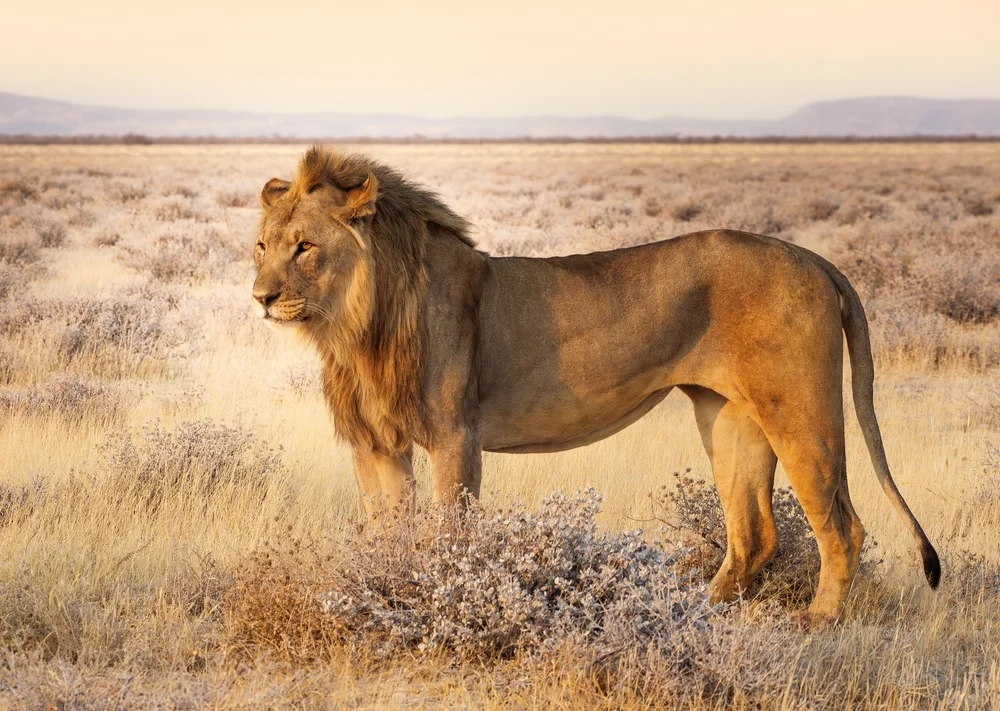
While the Big Five animals in Kenya may be the headline of an African safari, the real magic lies in everything else that moves, soars, and grazes across the savannah. Kenya’s national parks and reserves are filled with wildlife, offering a vibrant, diverse ecosystem that goes far beyond just five species. For many travelers, it’s these “supporting characters” that end up stealing the actual show.
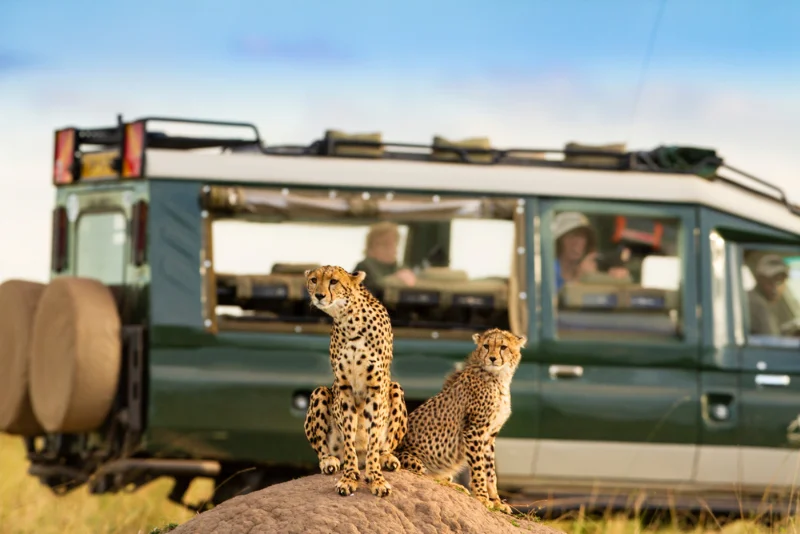
Let’s start with the cheetah, a sleek and elegant predator that holds the title of the fastest land animal on Earth. Capable of going from 0 to 100 km/h in just a few seconds, watching a cheetah on the hunt is like witnessing nature’s version of a high-speed chase. Unlike leopards, which are solitary and stealthy tree-dwellers, cheetahs are more commonly seen on open plains, which makes Kenya’s Maasai Mara an ideal place for sightings.
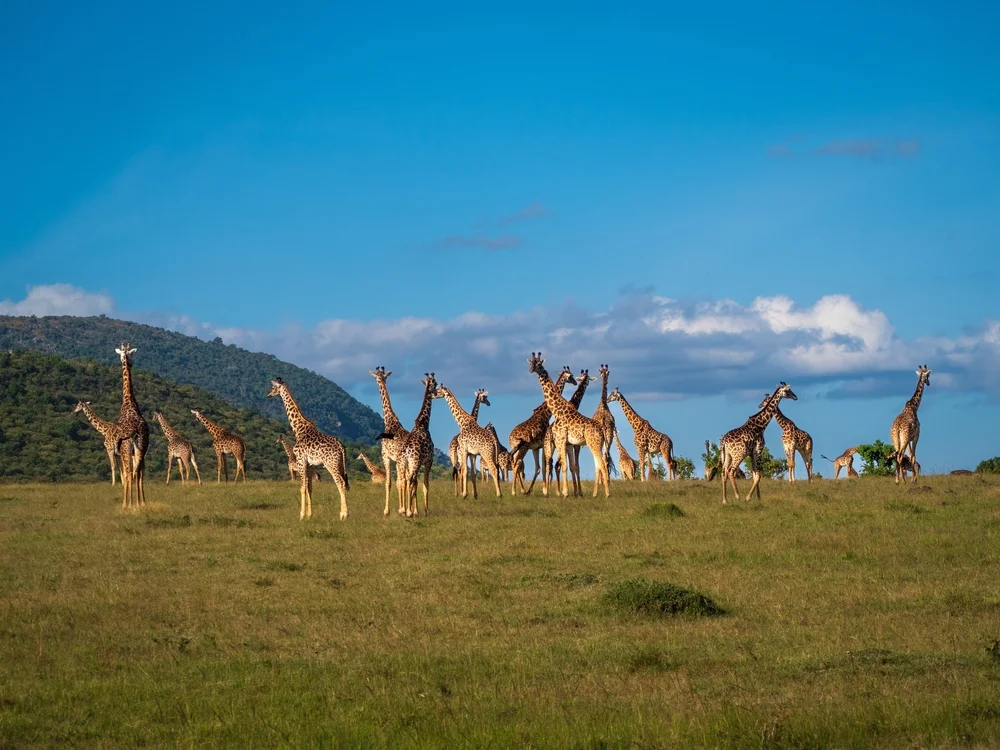
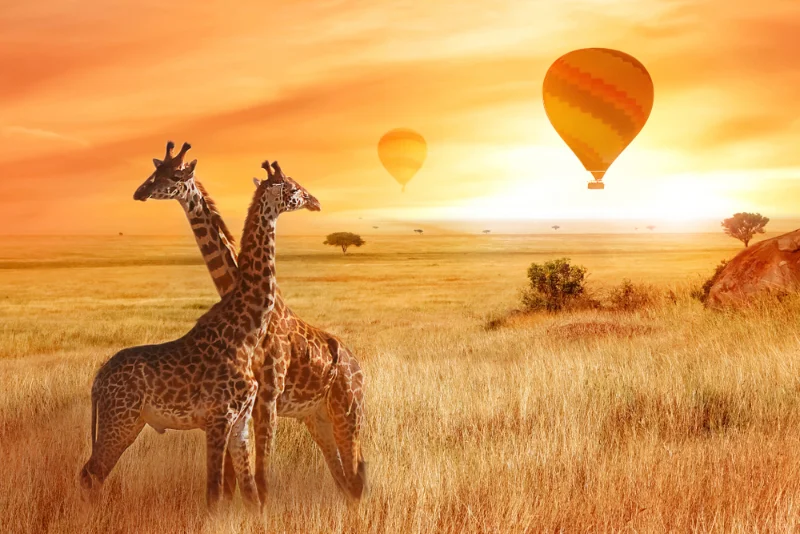
Then, towering above the rest, are the giraffes. Graceful and majestic, they move through the savannah like tall shadows, plucking leaves from acacia trees. Kenya is home to the endangered Rothschild’s giraffe, as well as the more commonly seen Masai giraffe, both of which are mesmerizing to watch in the wild.
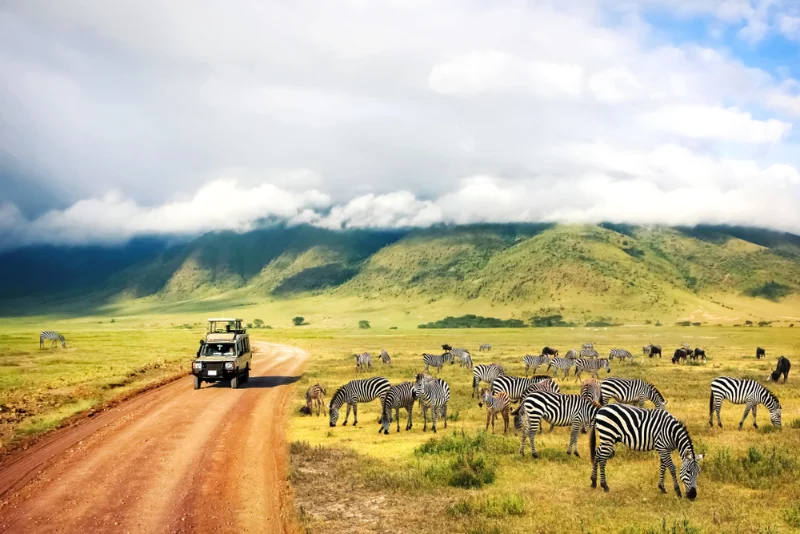
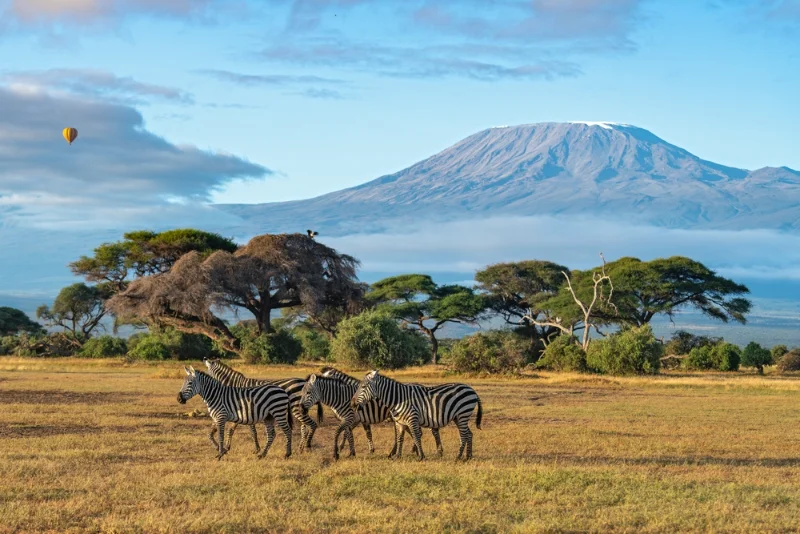
Equally charming are the zebras, with their striking black-and-white stripes that serve as natural camouflage in the golden grasslands. You’ll often find them mingling with wildebeest, especially during the Great Migration, one of nature’s most spectacular shows, where over a million animals cross the Mara River in search of greener pastures.
Speaking of rivers, the hippos are never far away. These bulky, water-loving giants spend most of the day submerged, surfacing only to yawn wide or grunt at one another. In the same waters, you’ll find Nile crocodiles, stealthy and still, patiently waiting for the perfect moment to strike, especially during migration season.
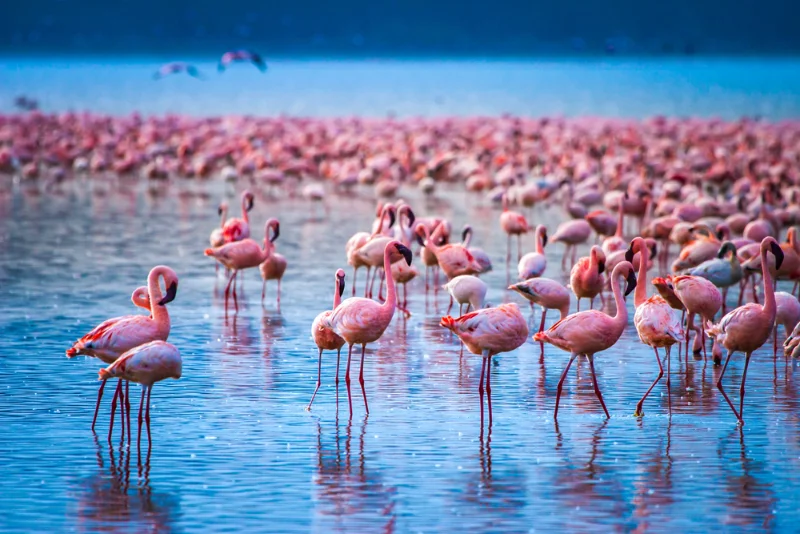
Beyond the mammals and reptiles, Kenya is also a paradise for birdwatchers. With over 1,100 bird species, the skies and trees are always alive with color. The lilac-breasted roller, Kenya’s national bird, looks like a flying rainbow. You might also spot flocks of flamingos turning Lake Nakuru and Lake Bogoria into vast pink carpets, or eagles, hornbills, and weavers busy in their natural habitats.
Then there are the lesser-known but equally captivating creatures like warthogs, who run with their tails straight up, and hyenas, whose calls echo through the night. Jackals, mongoose, and baboons add to the diversity, often spotted near trails or in wooded areas.
And let’s not forget the wide variety of antelopes. From the small Thomson’s gazelles to the large eland, these herbivores form the backbone of the predator-prey dynamic on the plains.
In Africa, a game drive is never just about ticking off the Big Five animals in Kenya, but about immersing yourself in a wild world where every species plays one role or the other. From a graceful impala leaping through the grass to a pair of ostriches racing across the plains, you need to keep your eyes wide open, for you never know what you might spot next.
Let’s start with the cheetah, a sleek and elegant predator that holds the title of the fastest land animal on Earth. Capable of going from 0 to 100 km/h in just a few seconds, watching a cheetah on the hunt is like witnessing nature’s version of a high-speed chase. Unlike leopards, which are solitary and stealthy tree-dwellers, cheetahs are more commonly seen on open plains, which makes Kenya’s Maasai Mara an ideal place for sightings.
Then, towering above the rest, are the giraffes. Graceful and majestic, they move through the savannah like tall shadows, plucking leaves from acacia trees. Kenya is home to the endangered Rothschild’s giraffe, as well as the more commonly seen Masai giraffe, both of which are mesmerizing to watch in the wild.
Equally charming are the zebras, with their striking black-and-white stripes that serve as natural camouflage in the golden grasslands. You’ll often find them mingling with wildebeest, especially during the Great Migration, one of nature’s most spectacular shows, where over a million animals cross the Mara River in search of greener pastures.
Speaking of rivers, the hippos are never far away. These bulky, water-loving giants spend most of the day submerged, surfacing only to yawn wide or grunt at one another. In the same waters, you’ll find Nile crocodiles, stealthy and still, patiently waiting for the perfect moment to strike, especially during migration season.
Beyond the mammals and reptiles, Kenya is also a paradise for birdwatchers. With over 1,100 bird species, the skies and trees are always alive with color. The lilac-breasted roller, Kenya’s national bird, looks like a flying rainbow. You might also spot flocks of flamingos turning Lake Nakuru and Lake Bogoria into vast pink carpets, or eagles, hornbills, and weavers busy in their natural habitats.
Then there are the lesser-known but equally captivating creatures like warthogs, who run with their tails straight up, and hyenas, whose calls echo through the night. Jackals, mongoose, and baboons add to the diversity, often spotted near trails or in wooded areas.
And let’s not forget the wide variety of antelopes. From the small Thomson’s gazelles to the large eland, these herbivores form the backbone of the predator-prey dynamic on the plains.
In Africa, a game drive is never just about ticking off the Big Five animals in Kenya, but about immersing yourself in a wild world where every species plays one role or the other. From a graceful impala leaping through the grass to a pair of ostriches racing across the plains, you need to keep your eyes wide open, for you never know what you might spot next.
Birds, Reptiles & More
A Kenyan safari isn't just about the big mammals roaring across the savannah but about pausing, looking closely, and discovering an entire world you might otherwise overlook. From vivid birds painting the sky to quietly lurking reptiles and fascinating insects, Kenya’s wilderness is bursting with life in all shapes and sizes.
Let’s begin with the birds, because if you think safari is all about lions and elephants, Kenya’s skies will quickly change your mind. With more than 1,100 bird species, Kenya is a dream come true for bird lovers and a pleasant surprise for even casual nature enthusiasts. One of the most striking is the lilac-breasted roller, often voted Kenya’s most beautiful bird, flaunting its turquoise wings and vibrant purple chest as it dives and spins through the air.
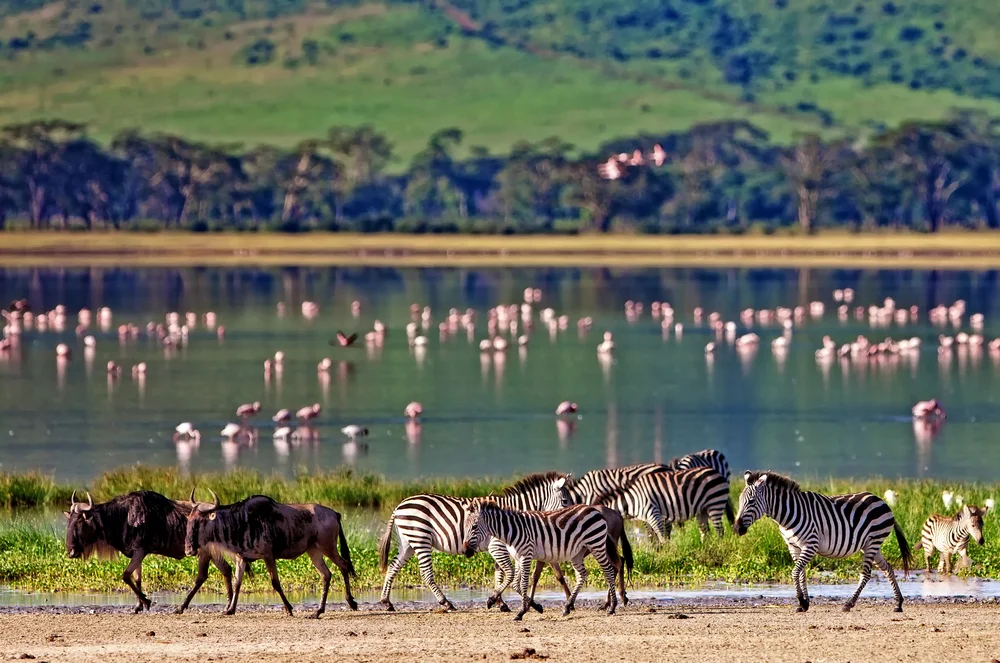
In Kenya’s Rift Valley, lakes like Lake Nakuru, Lake Bogoria, and Lake Elementaita, thousands of flamingos create a pink spectacle against the blue water. Look closer and you might spot African fish eagles circling overhead, letting out their distinct, haunting call, or catch a glimpse of secretary birds pacing through the grasslands, looking half-dinosaur, half-stork, as they pick & drag out snakes with deadly precision.
Other highlights include hornbills, kingfishers, sunbirds, vultures, and owls, each playing its part in the vast Kenyan ecosystem. Whether it’s a flash of color in the bush or the high-pitched whistle of a weaver bird, the avian world in Kenya is astonishingly rich and diverse.
Then, we move to the reptiles, the silent, scaly residents of the wild. The most famous is undoubtedly the Nile crocodile, which can grow up to 20 feet long. These prehistoric predators are often seen lazing on riverbanks, but during the Great Migration, they become ambush hunters as wildebeest plunge into the Mara River. Alongside, you’ll find various lizard species hiding across rocks, geckos clinging to lodge walls at night, and chameleons blending into their surroundings with surprising skill.
Kenya is also home to an array of snakes, most of which are shy and rarely seen. The African rock python, boomslang, and the feared but rarely encountered black mamba are among the more well-known species. While the thought of snakes might be unsettling for some, the reality is that they play an essential role in maintaining balance in the ecosystem and pose very little risk during a well-guided safari.
Beyond the reptiles and birds, there’s a whole miniature world to appreciate. Spot a determined dung beetle rolling its prize across the dirt, or watch a trail of safari ants marching like military personnel. After dark, the bush comes alive with crickets, fireflies, and frogs croaking under the stars, adding a rhythm and soundtrack to the African night.
In the grand theatre of a Kenyan safari, the Big Five safari animals may be the headliners, but it’s the birds, reptiles, and smaller creatures that add layers of color, mystery, and wonder. Together, they turn the savannah into a living, breathing masterpiece, one that rewards those who take the time to truly observe.
Let’s begin with the birds, because if you think safari is all about lions and elephants, Kenya’s skies will quickly change your mind. With more than 1,100 bird species, Kenya is a dream come true for bird lovers and a pleasant surprise for even casual nature enthusiasts. One of the most striking is the lilac-breasted roller, often voted Kenya’s most beautiful bird, flaunting its turquoise wings and vibrant purple chest as it dives and spins through the air.
In Kenya’s Rift Valley, lakes like Lake Nakuru, Lake Bogoria, and Lake Elementaita, thousands of flamingos create a pink spectacle against the blue water. Look closer and you might spot African fish eagles circling overhead, letting out their distinct, haunting call, or catch a glimpse of secretary birds pacing through the grasslands, looking half-dinosaur, half-stork, as they pick & drag out snakes with deadly precision.
Other highlights include hornbills, kingfishers, sunbirds, vultures, and owls, each playing its part in the vast Kenyan ecosystem. Whether it’s a flash of color in the bush or the high-pitched whistle of a weaver bird, the avian world in Kenya is astonishingly rich and diverse.
Then, we move to the reptiles, the silent, scaly residents of the wild. The most famous is undoubtedly the Nile crocodile, which can grow up to 20 feet long. These prehistoric predators are often seen lazing on riverbanks, but during the Great Migration, they become ambush hunters as wildebeest plunge into the Mara River. Alongside, you’ll find various lizard species hiding across rocks, geckos clinging to lodge walls at night, and chameleons blending into their surroundings with surprising skill.
Kenya is also home to an array of snakes, most of which are shy and rarely seen. The African rock python, boomslang, and the feared but rarely encountered black mamba are among the more well-known species. While the thought of snakes might be unsettling for some, the reality is that they play an essential role in maintaining balance in the ecosystem and pose very little risk during a well-guided safari.
Beyond the reptiles and birds, there’s a whole miniature world to appreciate. Spot a determined dung beetle rolling its prize across the dirt, or watch a trail of safari ants marching like military personnel. After dark, the bush comes alive with crickets, fireflies, and frogs croaking under the stars, adding a rhythm and soundtrack to the African night.
In the grand theatre of a Kenyan safari, the Big Five safari animals may be the headliners, but it’s the birds, reptiles, and smaller creatures that add layers of color, mystery, and wonder. Together, they turn the savannah into a living, breathing masterpiece, one that rewards those who take the time to truly observe.
Best Places for Wildlife Spotting in Kenya
When it comes to wildlife safaris, Kenya has an unmatched league of its own. From the world-famous savannahs of the Maasai Mara to the snow-capped backdrop of Mount Kenya, this East African gem is home to some of the most diverse and dramatic wildlife habitats on the continent. Whether you're hoping to catch the Big Five or looking for lesser-known species, Kenya houses countless opportunities to get up close with the wild.
1. Maasai Mara National Reserve
The Maasai Mara is Kenya’s crown jewel of wildlife viewing, and for all the good reasons. This vast savannah is not only home to all the Big Five animals in Kenya but is also the stage for the Great Migration, when over a million wildebeest and zebras thunder across the plains in search of fresh grass. The predator action here is intense, with lions, cheetahs, and leopards regularly spotted on the hunt. If you're a first-time visitor or an ardent safari-lover, Masai Mara will surely never disappoint.
2. Amboseli National Park
Famous for its large elephant herds and unbeatable views of Mount Kilimanjaro, Amboseli offers a safari experience straight out of a dream. The dry, open plains make it easy to spot wildlife, and the park is one of the best places in Africa to observe elephants at close range. Buffaloes, giraffes, zebras, hyenas, and a variety of bird species also call this park home.
3. Lake Nakuru National Park
If you're a bird lover, Lake Nakuru is a must-visit. Once known for its massive flamingo population, the lake now supports a more diverse birdlife due to changing water levels, but the flamingos still come here. The park is also home to both black and white rhinoceroses, as well as lions, leopards, warthogs, and baboons, all surrounded by forests and waterfalls.
4. Samburu National Reserve
Located in northern Kenya, Samburu offers a more rugged, remote safari experience. It’s known for the “Samburu Special Five”: the Grevy’s zebra, reticulated giraffe, Somali ostrich, beisa oryx, and gerenuk. Elephants are commonly seen here too, and the reserve is a great place to see leopards in the wild. Its unique ecosystem, created by the Ewaso Nyiro River, supports a variety of wildlife rarely seen in southern parks.
5. Tsavo National Parks (East & West)
Together, forming the largest protected area in Kenya, Tsavo East and West are wild, vast, and less crowded than other parks. Tsavo East is known for its red elephants, coated in the park’s rusty soil while Tsavo West has dramatic landscapes, volcanic hills, and the stunning Mzima Springs, where you can see hippos and crocodiles through an underwater viewing chamber.
6. Ol Pejeta Conservancy
This private conservancy is a conservation success story and home to the last two northern white rhinos on Earth. Located near Mount Kenya, Ol Pejeta offers Big Five sightings, guided bush walks, and even a chance to visit a chimpanzee sanctuary. It’s ideal for travelers looking for ethical, sustainable safari experiences.
Tips for Wildlife Viewing
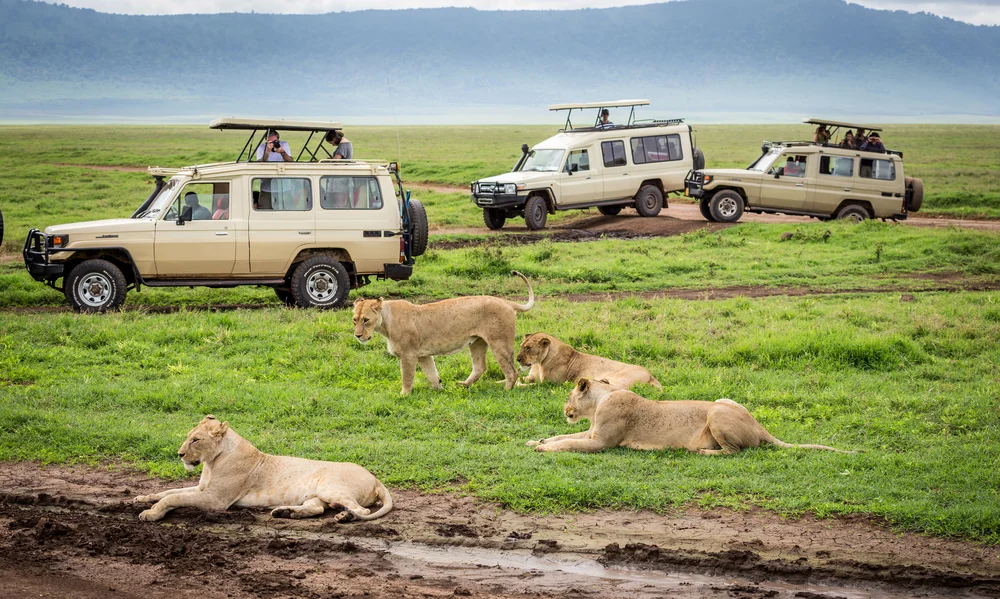
Going on a game drive in Kenya is an adventure like no other, but a little preparation can go a long way in making your experience truly unforgettable. Here are some simple yet smart tips to help you make the most of your wildlife encounters.
1. Go early or late: Animals are most active during the early morning and late afternoon when the sun is softer. These are the golden hours for game drives, photography and sightings.
2. Be patient and quiet: Nature doesn’t run on a schedule like humans do. Sometimes, the best moments come when you simply wait, observe, and stay silent. Avoid loud noises and sudden movements that can scare animals away.
3. Dress the part appropriately: Wear neutral-colored clothes like khaki, beige, or olive. Bright colors can scare wildlife, while dark clothes attract heat and insects.
4. Bring the right gear: A good pair of binoculars and a camera with zoom lens can enhance your viewing experience. Don’t forget sunscreen, a hat, and a refillable water bottle.
5. Trust your guide: Your safari guide is your best friend out there. Their knowledge, experience, instincts, and tracking skills can lead you to sightings you’d never find on your own.
And lastly, the most important tip: Respect the wild, stay alert, and let nature do the rest!
1. Go early or late: Animals are most active during the early morning and late afternoon when the sun is softer. These are the golden hours for game drives, photography and sightings.
2. Be patient and quiet: Nature doesn’t run on a schedule like humans do. Sometimes, the best moments come when you simply wait, observe, and stay silent. Avoid loud noises and sudden movements that can scare animals away.
3. Dress the part appropriately: Wear neutral-colored clothes like khaki, beige, or olive. Bright colors can scare wildlife, while dark clothes attract heat and insects.
4. Bring the right gear: A good pair of binoculars and a camera with zoom lens can enhance your viewing experience. Don’t forget sunscreen, a hat, and a refillable water bottle.
5. Trust your guide: Your safari guide is your best friend out there. Their knowledge, experience, instincts, and tracking skills can lead you to sightings you’d never find on your own.
And lastly, the most important tip: Respect the wild, stay alert, and let nature do the rest!
FAQs
1. What are the Big Five animals in Kenya?
Ans: The Big Five animals in Kenya are the lion, leopard, elephant, buffalo, and rhinoceros. Hunters originally named these iconic species as the toughest to track on foot. Today, they are the most sought-after wildlife sightings on safaris. Spotting all five in Kenya’s national parks is considered a major highlight for all safari travelers.
2. Where can I see the Big Five on a safari in Kenya?
Ans: You can see the Big Five safari animals in Kenya at top destinations like Maasai Mara National Reserve, Amboseli National Park, Tsavo East and West, Lake Nakuru, and Laikipia Conservancy. These parks offer rich wildlife, expert guides, and excellent opportunities to spot lions, leopards, elephants, buffalo, and rhinos in their natural habitat, particularly during early morning or evening game drives.
3. Is the Great Migration part of the Big Five safari experience?
Ans: Yes, the Great Migration is often part of the Big Five safari experience, especially in Kenya’s Maasai Mara. While it doesn’t involve the Big Five directly, it features millions of wildebeest, zebras, and gazelles crossing the plains and often encountering predators like lions and leopards along the way. It’s a dramatic, once-in-a-lifetime wildlife spectacle that complements Big Five sightings perfectly.
4. Which national parks in Kenya are best for wildlife safaris?
Ans: Kenya’s top national parks for wildlife safaris include Maasai Mara, famous for the Big Five and the Great Migration, and Amboseli, known for elephants and views of Mount Kilimanjaro. Lake Nakuru is ideal for birdwatching and rhinos, while Tsavo East and West offer vast grasslands and diverse wildlife. All these parks, together, promise unforgettable safari experiences.
5. What birds can be spotted during a game drive in Kenya?
Ans: During a game drive in Kenya, you can spot stunning birds like the lilac-breasted roller, African fish eagle, secretary bird, hornbills, vultures, kingfishers, and colorful sunbirds. Around lakes, you can also get to spot thousands of flamingos. With over 1,100 bird species in Kenya, every safari offers a chance to see vibrant and fascinating birds in their natural habitat.
Want the best Kenya package, handpicked just for you?
Share your travel needs and our travel experts will reach out to you.
Insider guides
Game Drive Etiquette: Tips for Responsible Safari Tourism in Kenya Mridulakshi Jain
Mridulakshi Jain16 October, 2025
The Great Wildebeest Migration: Nature’s Most Spectacular Journey Riddhi Jain
Riddhi Jain16 September, 2025
Experience the Magic of a Kenya Game Drive from Sunrise to SunsetRiddhi Jain
Riddhi Jain13 July, 2025

Best International Tour Packages
France Tour PackagesBali Tour PackagesCroatia Tour PackagesGreece Tour PackagesSingapore Tour PackagesSwitzerland Tour PackagesTurkey Tour PackagesAustralia Tour PackagesAustria Tour PackagesCzech Republic Tour PackagesDubai Tour PackagesFinland Tour PackagesHungary Tour PackagesIceland Tour PackagesNetherlands Tour PackagesNew Zealand Tour PackagesNorway Tour PackagesPoland Tour PackagesGermany Tour PackagesVietnam Tour PackagesItaly Tour PackagesMauritius Tour PackagesThailand Tour PackagesMalaysia Tour PackagesJapan Tour PackagesDenmark Tour PackagesSweden Tour PackagesSpain Tour PackagesIndia Tour PackagesMexico Tour PackagesPortugal Tour PackagesMaldives Tour PackagesSouth Africa Tour PackagesSri Lanka Tour PackagesPhilippines Tour PackagesUnited Kingdom Tour PackagesFiji Tour PackagesEurope Tour PackagesSeychelles Tour Packages
Best International Honeymoon Tour Packages
Thailand Honeymoon PackagesBali Honeymoon PackagesSingapore Honeymoon PackagesDubai Honeymoon PackagesMauritius Honeymoon PackagesGreece Honeymoon PackagesSwitzerland Honeymoon PackagesItaly Honeymoon PackagesSri Lanka Honeymoon PackagesJapan Honeymoon PackagesVietnam Honeymoon PackagesMalaysia Honeymoon PackagesMaldives Honeymoon PackagesNorway Honeymoon PackagesFinland Honeymoon PackagesIceland Honeymoon PackagesSpain Honeymoon PackagesCroatia Honeymoon PackagesDenmark Honeymoon PackagesAustralia Honeymoon PackagesSweden Honeymoon PackagesCzech Republic Honeymoon PackagesHungary Honeymoon PackagesGermany Honeymoon PackagesNetherlands Honeymoon PackagesPortugal Honeymoon PackagesPoland Honeymoon PackagesFrance Honeymoon PackagesAustria Honeymoon PackagesEurope Honeymoon PackagesSeychelles Honeymoon Packages
Best International Family Tour Packages
Thailand Family PackagesDubai Family PackagesBali Family PackagesMaldives Family PackagesMalaysia Family PackagesSingapore Family PackagesSwitzerland Family PackagesMauritius Family PackagesSri Lanka Family PackagesGreece Family PackagesItaly Family PackagesNorway Family PackagesVietnam Family PackagesDenmark Family PackagesFinland Family PackagesIceland Family PackagesJapan Family PackagesSweden Family PackagesPhilippines Family PackagesHungary Family PackagesPoland Family PackagesCzech Republic Family PackagesCroatia Family PackagesPortugal Family PackagesAustria Family PackagesSpain Family PackagesGermany Family PackagesNetherlands Family PackagesFrance Family PackagesEurope Family Packages