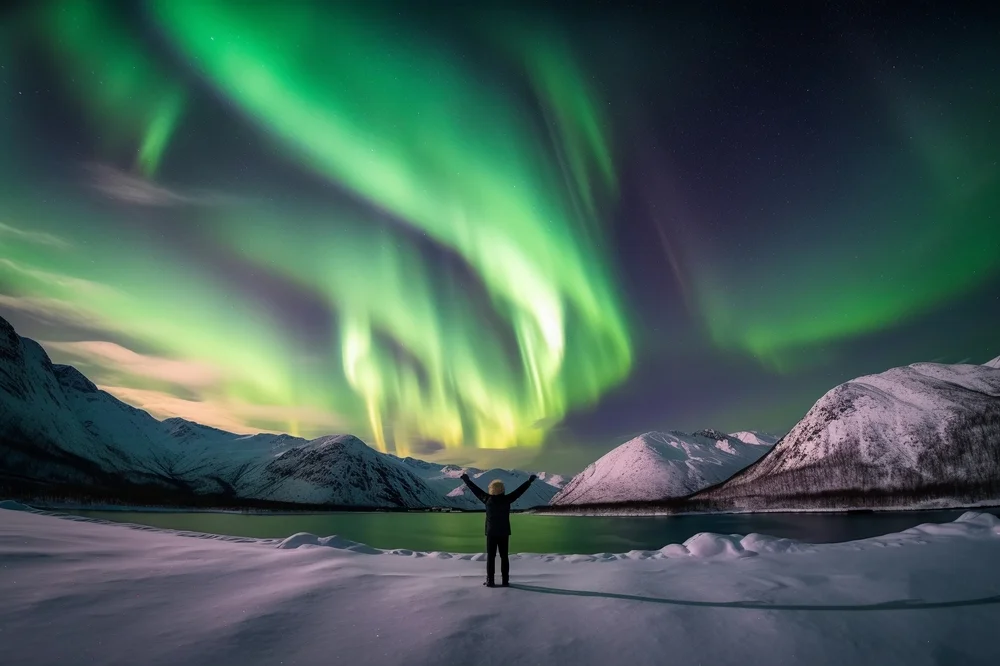
Iceland in Winter lures travelers with its ethereal snowscapes, dazzling Northern Lights, and otherworldly geothermal wonders. Set at the edge of the Arctic Circle, this Nordic destination transforms into a magical winter wonderland from October to March, embodying both stark beauty and raw adventure. Amid geothermal fields and frozen waterfalls, cozy villages nestle amidst lava plains, offering unforgettable panoramas and authentic local experiences. The winter chill is crisp, but scenes of turquoise ice caves, steaming hot springs, and pitch-black nights glowing with auroras draw those in search of both tranquillity and thrills. For a closer look at curated winter experiences tailored to your journey, explore our thoughtfully designed seasonal itineraries.
Winter’s embrace reveals the true magic of the North. For those seeking places to visit in Iceland in Winter, each icy landscape and vibrant sight promises a memory for a lifetime. Majestic glaciers, legendary volcanoes, and iconic landmarks become dramatically adorned in frost, offering a plethora of activities for every traveler. The season is uniquely primed for exploration, with natural phenomena at their peak and fewer crowds than in summer. Whether soaking in geothermal lagoons, trekking across glittering glaciers, or marveling at 10,000-year-old waterfalls, the breadth of things to do in Iceland in Winter guarantees a fulfilling and extraordinary journey. To plan your dream Nordic getaway, explore our exclusive Iceland tour packages that bring these winter wonders to life.
Weather and Temperature in Winter
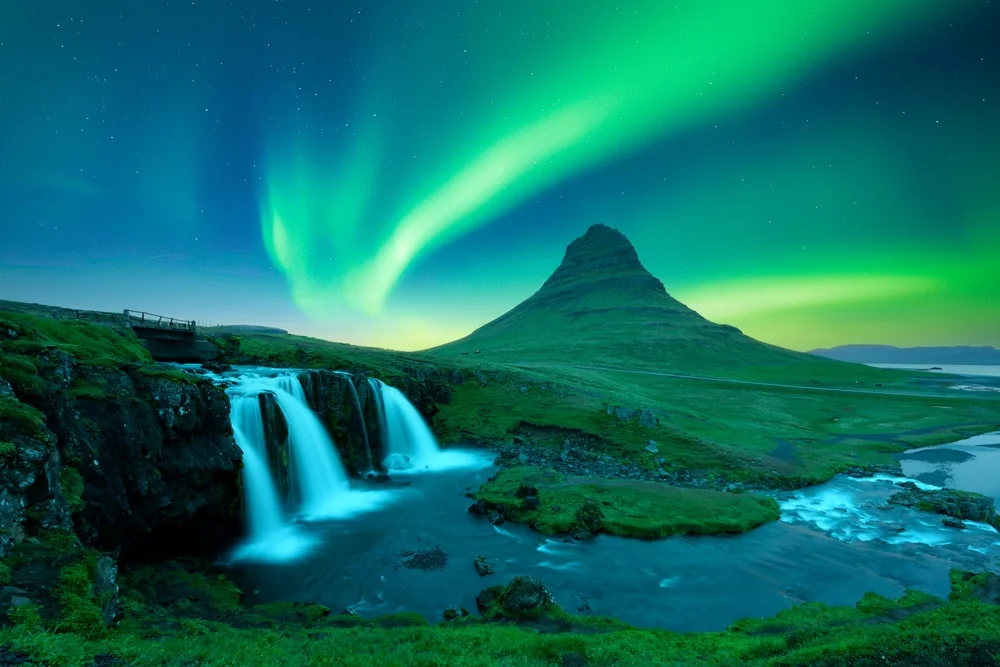
Icelandic winter is known for its unpredictability and rapid shifts, demanding both flexibility and preparedness from visitors. From late October to March, daytime temperatures typically hover between -1°C to 4°C (30°F to 39°F). While these numbers might seem moderate for an Arctic nation, the relentless North Atlantic winds heighten the chill, often creating biting, icy conditions. Snowfall is frequent, blanketing the countryside in a dazzling white mirage, especially inland and at higher elevations. Coastal towns tend to be milder and see a mix of snow and rain.
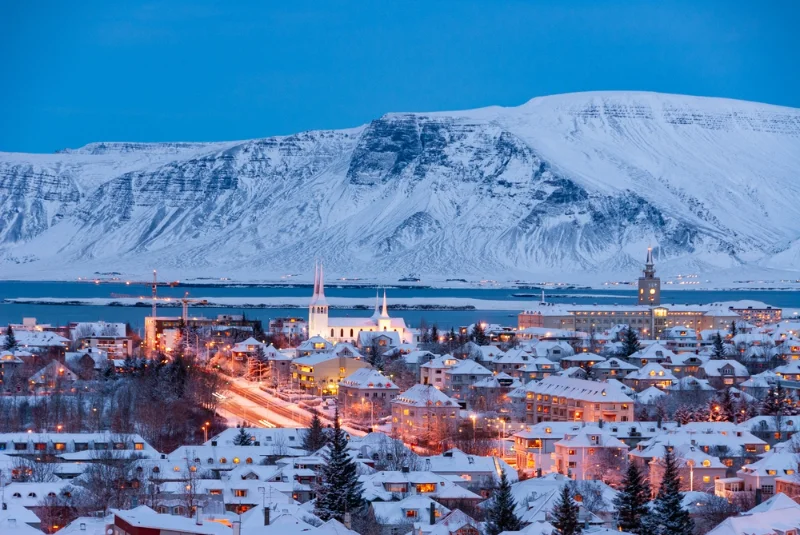
Daylight dramatically shrinks during winter, ranging from 5 hours in December to about 7 hours by February. This extended twilight gives the entire landscape an unearthly blue hue known as "blue hour," making every vista feel cinematic. Sudden storms, gale-force winds, and icy roads are common, so plans may need regular adjustment. Despite the cold, winter brings crystal-clear skies ideal for aurora viewing, and geothermal activity ensures a wealth of natural hot spots to warm up in. Understanding the nuances of Iceland in Winter weather is key to planning a safe and memorable adventure.
Daylight dramatically shrinks during winter, ranging from 5 hours in December to about 7 hours by February. This extended twilight gives the entire landscape an unearthly blue hue known as "blue hour," making every vista feel cinematic. Sudden storms, gale-force winds, and icy roads are common, so plans may need regular adjustment. Despite the cold, winter brings crystal-clear skies ideal for aurora viewing, and geothermal activity ensures a wealth of natural hot spots to warm up in. Understanding the nuances of Iceland in Winter weather is key to planning a safe and memorable adventure.
Best Time to Visit Iceland in Winter
Timing is everything for a successful Nordic adventure. The best months for exploring places to visit in Iceland in Winter are generally November through March. December and January promise the most profound winter atmosphere, think frosted waterfalls, frozen lagoons, and gently snowing villages, but they also offer the least daylight (around 4–5 hours). The payoff is long, dark nights ideal for aurora hunting. Those prioritizing outdoor exploration may prefer February or March, when daylight stretches closer to 8 hours and snow-blanketed landscapes offer slightly more manageable travel conditions.
Mid-winter sees many cultural events, such as Christmas and New Year festivities, where towns glow with lights and traditional Icelandic foods are in abundance. Early winter (November) marks the onset of icy scenery but avoids the thickest tourist crowds, while late winter (March) combines winter beauty with mild beginnings of spring. Weather can still be generous with snow, making tours and activities possible throughout the season. For those who wish to maximize winter activities and capture the splendor of the country’s landmarks under a veil of white, these mid-winter months are optimal for things to do in Iceland in Winter.
Mid-winter sees many cultural events, such as Christmas and New Year festivities, where towns glow with lights and traditional Icelandic foods are in abundance. Early winter (November) marks the onset of icy scenery but avoids the thickest tourist crowds, while late winter (March) combines winter beauty with mild beginnings of spring. Weather can still be generous with snow, making tours and activities possible throughout the season. For those who wish to maximize winter activities and capture the splendor of the country’s landmarks under a veil of white, these mid-winter months are optimal for things to do in Iceland in Winter.
Top Winter Attractions in Iceland
1. Blue Lagoon
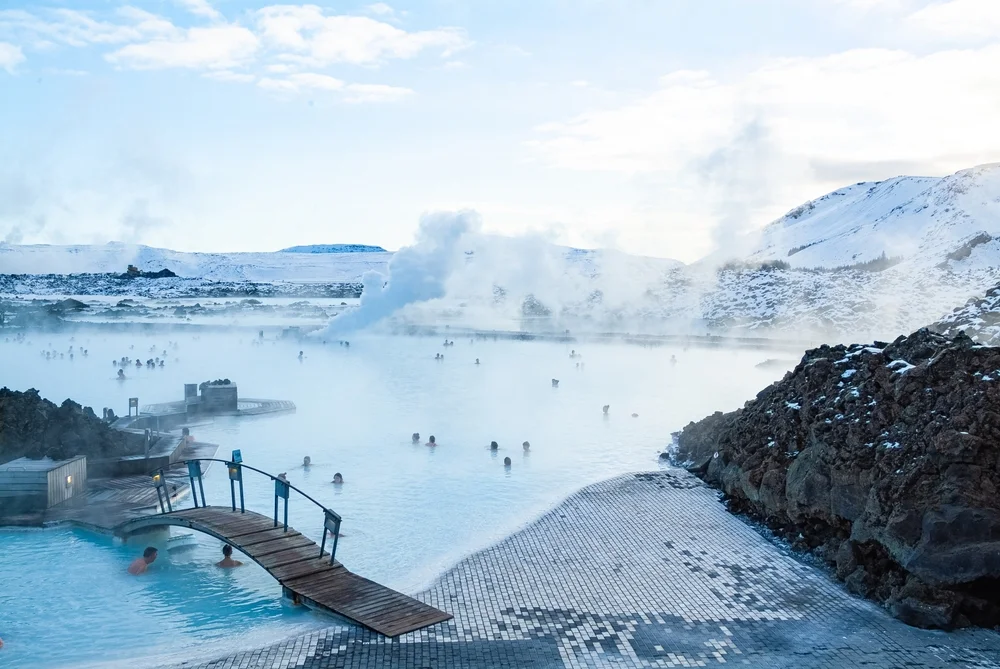
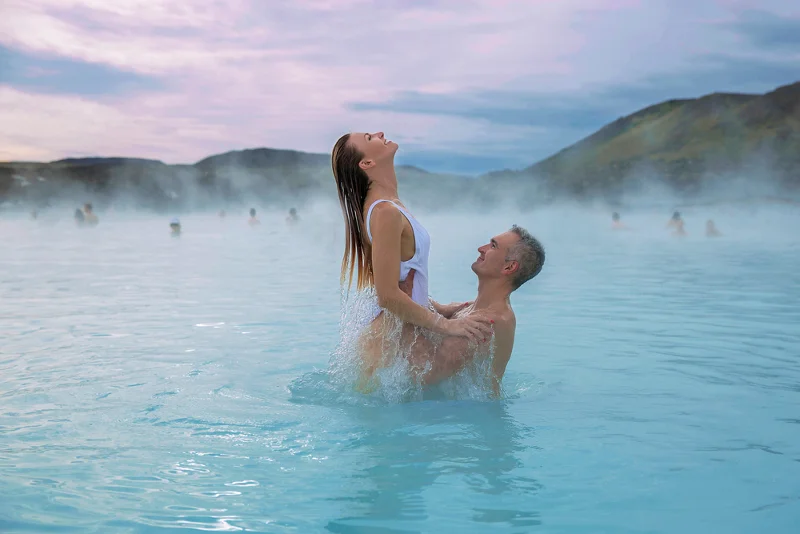
Set amidst black lava fields, the Blue Lagoon is Iceland’s most iconic geothermal spa in winter. The steamy, mineral-rich waters maintain a soothing temperature year-round, offering a warm escape from Arctic winds. Surrounded by snow and steam, guests immerse themselves in pale blue pools while snowflakes drift overhead. The natural silica mud enhances skin wellness, and the landscape’s eerie beauty feels surreal under frosty skies. Whether visiting at dawn or dusk, the experience is magical. For relaxation and rejuvenation, the Blue Lagoon epitomizes Iceland in Winter, drawing travelers seeking serenity and an unforgettable wellness retreat in a spectacular natural setting. It is one of the most popular Places to see in Iceland.
2. Gullfoss Waterfall
Gullfoss Waterfall stands as one of the most powerful and breathtaking waterfalls in Iceland, especially during the winter months. Snow and ice blanket the cliffs, creating captivating contrasts and shimmering displays. The roaring, two-tiered falls thunder into a deep canyon, with mist forming ice crystals along the viewing platforms. Winter’s low sun casts dramatic shadows on the turquoise water, making it a photographer’s paradise. Accessibility is excellent, allowing travelers to safely experience the spectacle. Gullfoss’s icy majesty represents one of the must-see places to visit in Iceland in Winter for those eager to witness nature’s raw power and beauty.
3. Thingvellir National Park
Thingvellir National Park offers a unique winter wonderland with snow-covered rift valleys and frozen lakes. As a UNESCO World Heritage Site, it blends Icelandic history with stunning geological features, including the site where the European and North American plates meet. Winter highlights include walking along icy fissures and exploring quiet trails once tread by Vikings. The park’s beauty intensifies in the crisp cold, making it perfect for scenic hikes and gaining insight into Iceland’s heritage. Thingvellir stands among the must-visit places to visit in Iceland in Winter, captivating all who seek pristine nature paired with historical significance.
4. Geysir Geothermal Area
The Geysir Geothermal Area dazzles visitors in winter as billowing steam and erupting geysers contrast with snow-covered terrain. Strokkur, the most active geyser, launches boiling water skyward every few minutes, providing a dramatic spectacle against the icy backdrop. Walking along paths dotted with fumaroles and bubbling mud pots, the otherworldly landscape feels mystical and raw. Winter’s chill sharpens the contrasts, intensifying the geothermal display. This site is a favorite among places to visit in Iceland in Winter, merging elemental power, unique geology, and surreal beauty into one captivating experience for both nature enthusiasts and first-time visitors.
5. Vatnajökull National Park
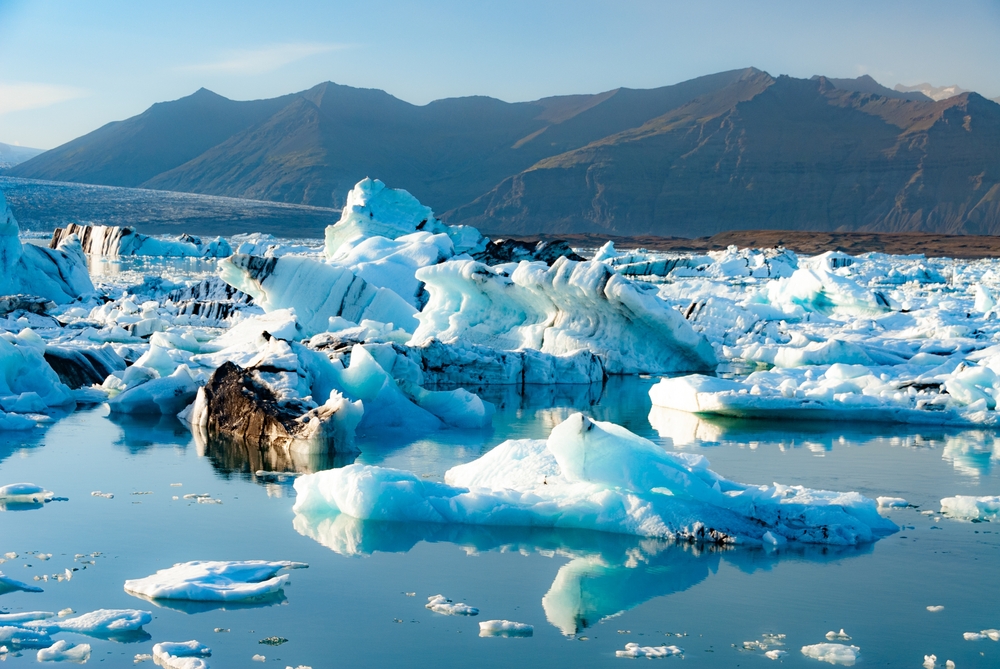
Vatnajökull National Park, home to Europe’s largest glacier, transforms into a vast frozen wilderness during winter. Snow blankets sweeping valleys and rugged mountains, creating landscapes fit for explorers and photographers alike. Blue ice caves glow with an ethereal light, accessible only in the coldest months through guided tours. The sheer enormity of Vatnajökull and its volcanic surroundings provides endless adventure and awe. For those seeking dramatic, untouched scenery and thrilling glacier expeditions, Vatnajökull ranks among premier places to visit in Iceland in Winter, showcasing Iceland’s untamed natural power and unforgettable winter experiences.
6. Jökulsárlón Glacier Lagoon
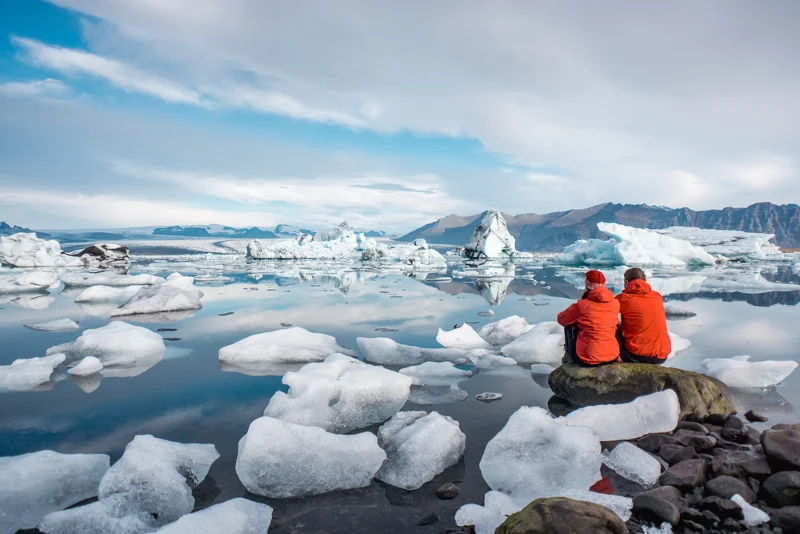
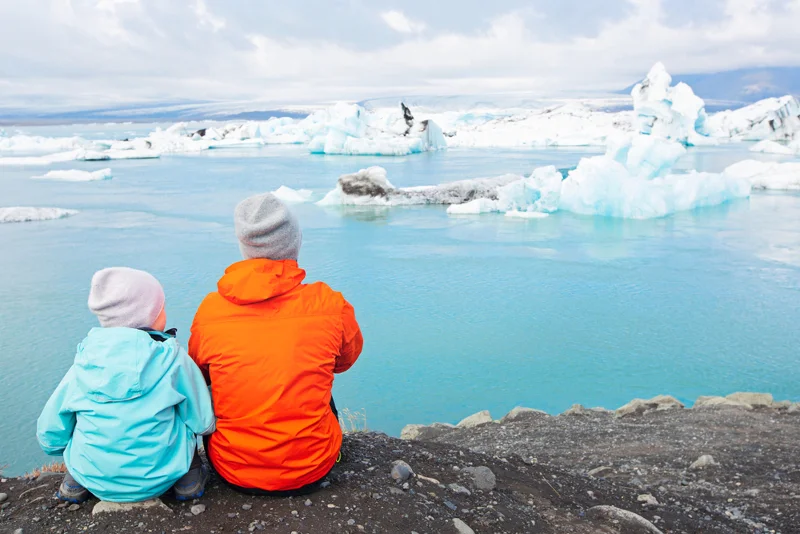
Jökulsárlón Glacier Lagoon is a winter fantasy, with luminous blue icebergs gently floating on glacial waters. The lagoon’s surreal beauty peaks in the cold months, as snow and ice enhance the otherworldly atmosphere. Seals can often be seen navigating among the ice floes, and the reflections of frosty peaks create mesmerizing photographic opportunities. It’s a popular spot for guided tours, providing close-up views of drifting ice and insights into glaciology. Jökulsárlón is a hallmark of Iceland in Winter, delighting visitors with its tranquil grandeur and photographic appeal amid the wintry embrace of the surrounding mountains.
7. Diamond Beach
Next to Jökulsárlón, Diamond Beach stuns with glistening icebergs washed onto volcanic black sand by Atlantic waves. Each “diamond” sparkles under the winter sun, sculpted by wind and tide. This striking clash of colors, turquoise ice, black sand, and white snow, creates one of Iceland’s most dreamlike shorelines. Powerful waves crash into the icy sculptures, renewing the beach’s beauty daily. Visitors come to marvel, photograph, and experience sensory magic. Diamond Beach is a must among places to visit in Iceland in Winter, illustrating nature’s artistry and Iceland’s unique interplay of fire, ice, and sea.
8. Seljalandsfoss Waterfall
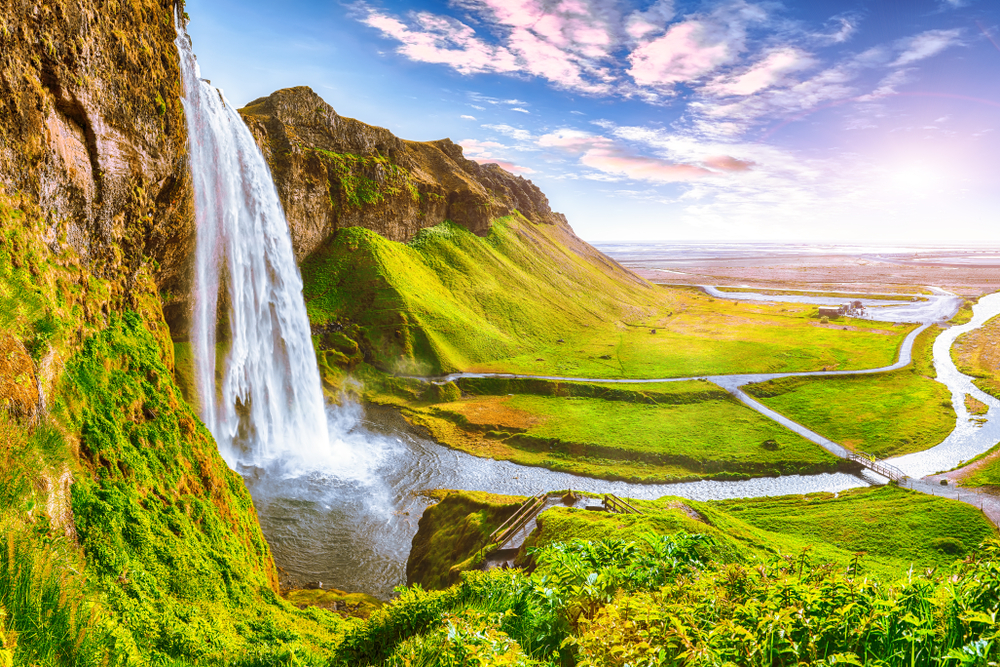
Seljalandsfoss Waterfall captivates visitors in winter with its icy cascades and glimmering icicles. Unlike many falls, guests can walk behind the curtain of water for a truly immersive experience, though icy paths warrant careful steps or crampons. At night, soft illumination transforms the waterfall into a glowing spectacle, enhancing its mystical allure. Surrounded by snow-frosted cliffs and vast open fields, the waterfall is perfect for awe-inspiring photographs and contemplative moments. Seljalandsfoss shines as a highlight among best attractions in Iceland in Winter, blending adventure, serenity, and Iceland’s unforgettable natural grandeur.
Top Winter Activities in Iceland
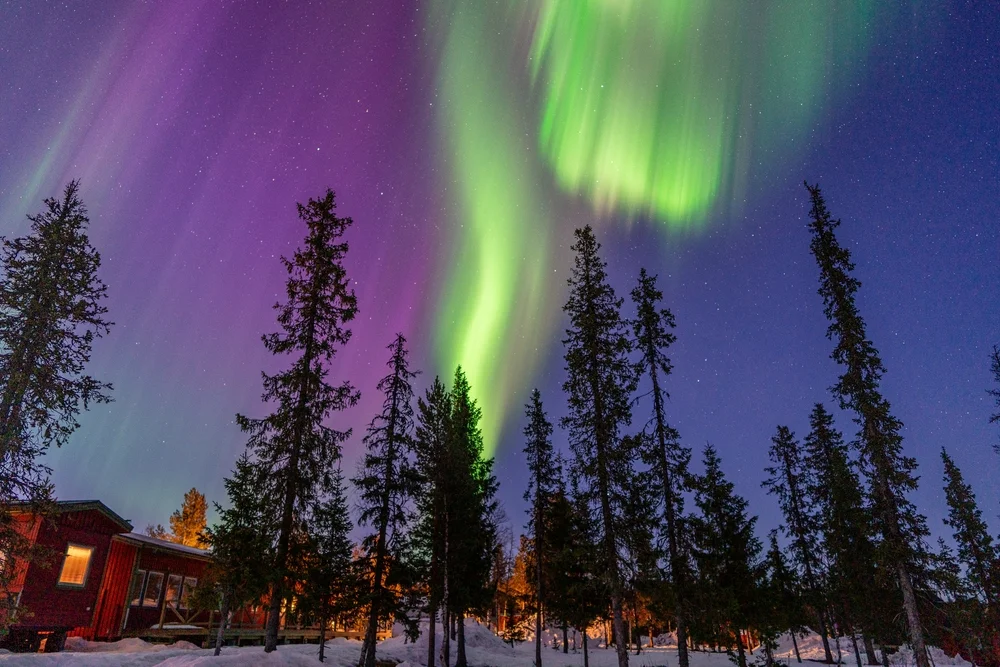
1. Northern Lights Hunting
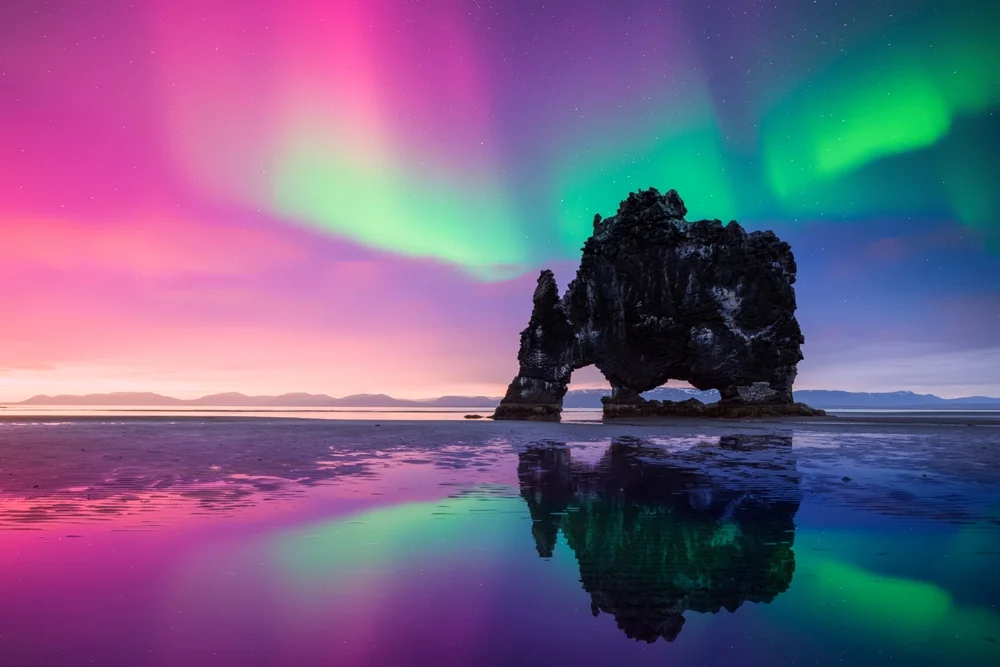
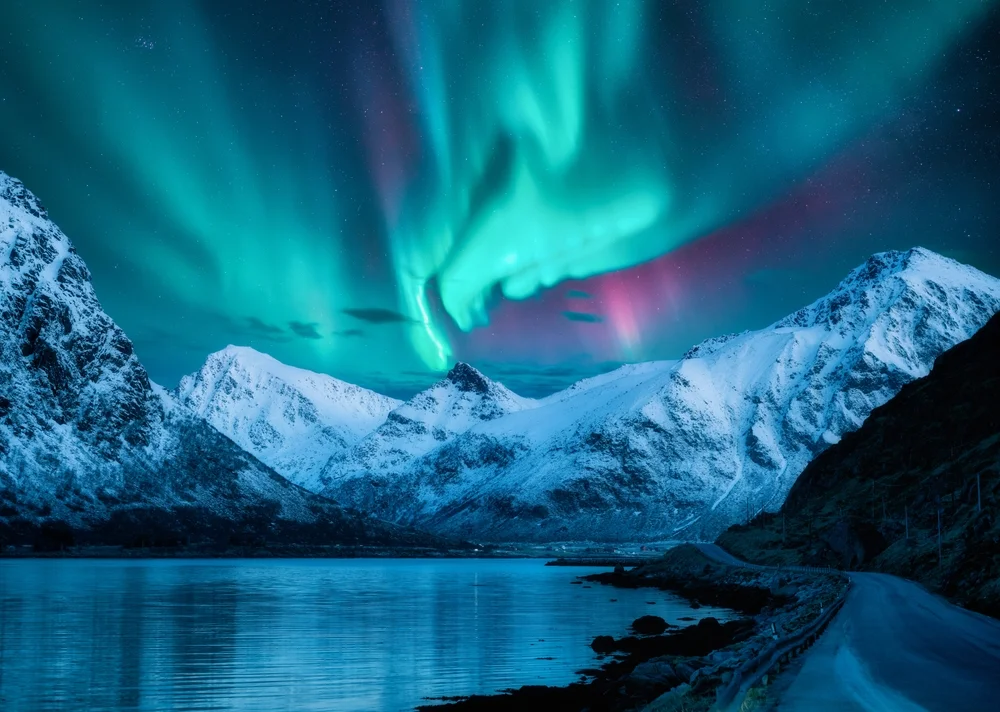
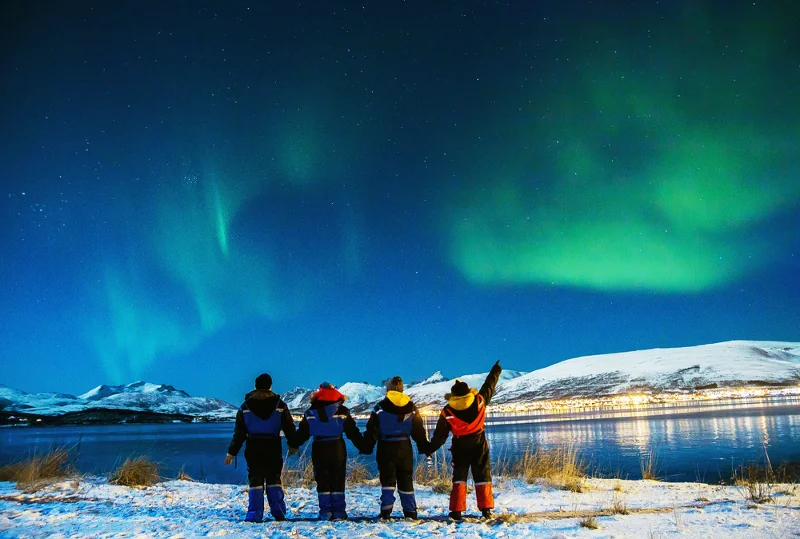
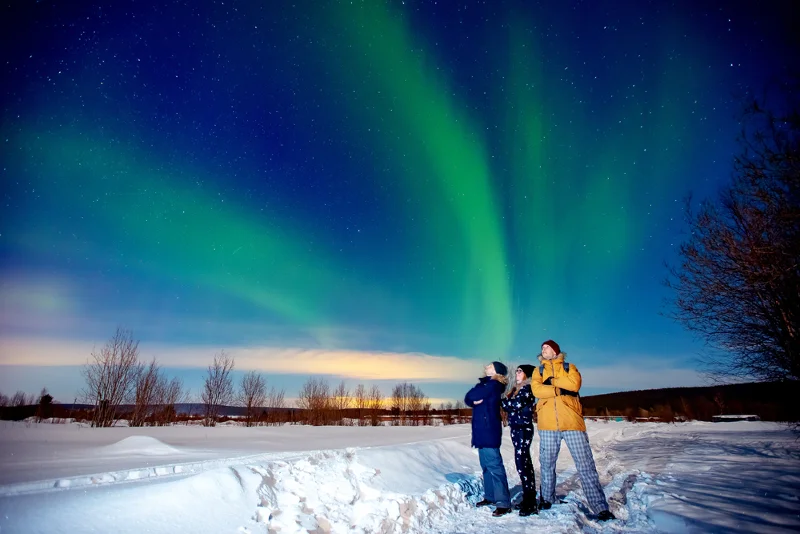
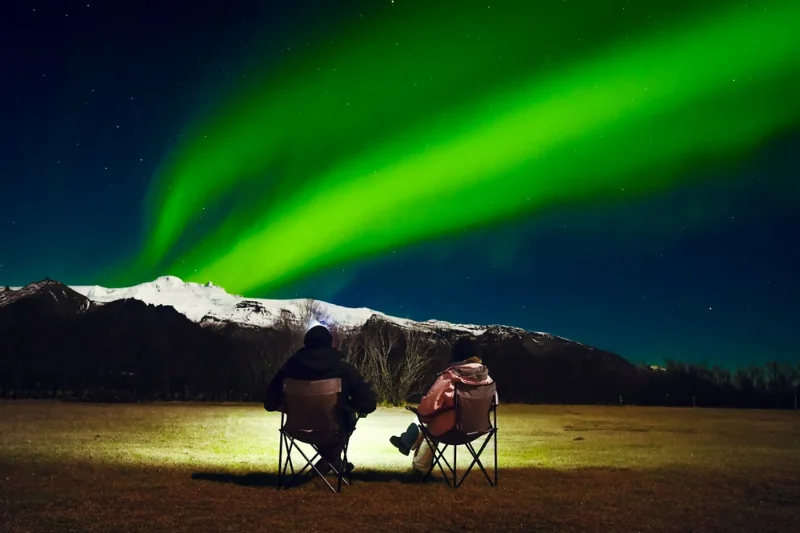
Northern Lights hunting is a magical pursuit in Iceland’s winter darkness. From October to March, long, clear nights dramatically raise your chances of witnessing the aurora borealis. Guides lead travelers to remote areas far from city lights, where green and pink ribbons of light dance across star-studded skies. The experience is unpredictable, but when conditions align, the spectacle is unforgettable. Photographers and nature lovers flock to Iceland for these ethereal displays, making aurora hunting one of the most rewarding things to do in Iceland in Winter, especially along the southern coast and in rural northern regions. It is also considered one of the top Things to do in Iceland.
2. Glacier Hiking
Glacier hiking allows travelers to experience Iceland’s icy heart up close. Outfitted with crampons, helmets, and harnesses, visitors trek across glaciers like Sólheimajökull and Vatnajökull, exploring dramatic ice formations and deep crevasses. Expert guides ensure safety and share insights into glacial science and the region’s ever-changing landscape. The panoramic views, distant volcanoes, snow-capped peaks, and frozen expanses, are breathtaking. While physically challenging, glacier hiking is accessible to most adventure seekers and provides an authentic winter experience, connecting visitors to Iceland’s raw, frozen beauty under the crisp Arctic sky.
3. Ice Caving
Ice caving is among the most spectacular things to do in Iceland in Winter, as seasonal blue caves beneath glaciers become stable and safe enough for exploration. Guided tours provide helmets, crampons, and local expertise; never attempt ice caving alone. Inside, visitors are awestruck by luminous blue walls, crystal-clear ceilings, and intricate ice formations shaped by meltwater and refreezing. The caves change with each season, adding to their mystery. These ephemeral wonders offer a photographer’s dream and a powerful reminder of nature’s artistry, accessible only during the coldest months of winter in select parts of southern and eastern Iceland.
4. Snowmobiling on Glaciers
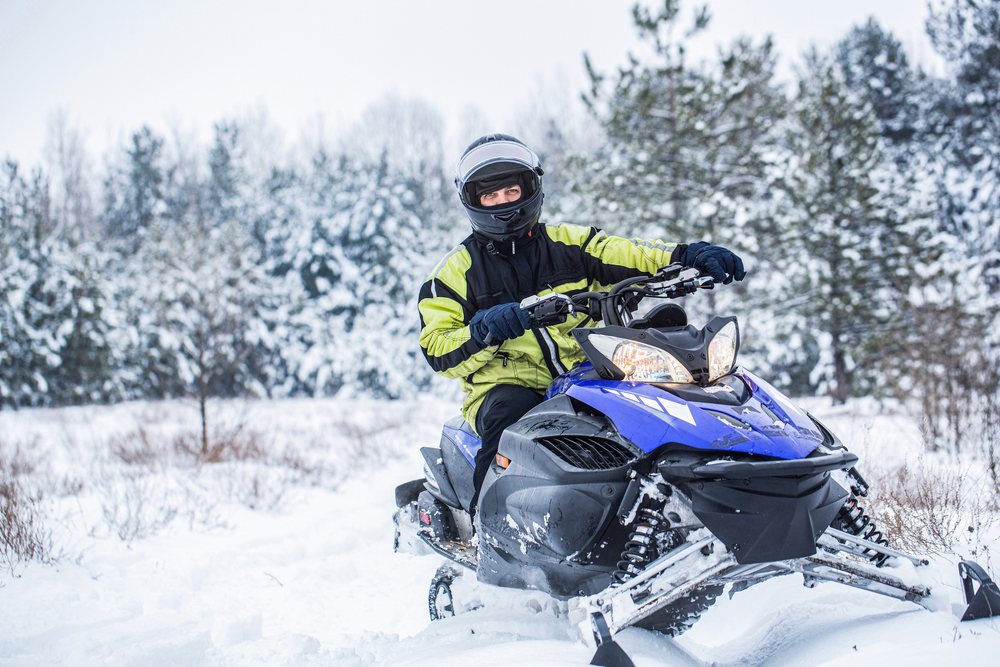
Snowmobiling on Iceland’s glaciers offers heart-pounding thrills and panoramic vistas. Tours launch from popular sites like Langjökull and Mýrdalsjökull, providing participants with all necessary gear and instruction. Riders speed across wide, frozen expanses as mountain silhouettes and icy ridges unfold in every direction. The adventure is accessible for both beginners and experienced thrill-seekers, blending adrenaline with unique vantage points over the winter wilderness. Snowmobiling is best paired with other outdoor pursuits and exemplifies Iceland’s adventurous spirit amid untouched natural grandeur, making each tour a memorable highlight of Iceland’s winter landscape.
5. Super Jeep Tours
Super Jeep tours are iconic winter experiences in Iceland, utilizing specially-modified vehicles with oversized tires and advanced suspension to tackle snowdrifts and reach remote locations. Guides drive travelers to secret waterfalls, hidden lava fields, and rarely-seen geothermal sites inaccessible to regular cars. The adventure is as much about the journey as the destination, with local folklore and geological stories shared en route. For those eager to go off the beaten path, a super jeep excursion is an exceptional way to see Iceland’s rugged winter beauty while enjoying comfort and safety in challenging conditions.
6. Whale Watching
Winter whale watching in Iceland offers tranquil encounters with humpbacks, orcas, and dolphins, even as the season quiets. Boats depart from harbors in Reykjavík and Akureyri, navigating frigid Atlantic waters against snow-draped peaks. Fewer tourists mean less crowded tours and more intimate wildlife observations. Guides share insights on marine biology and the behaviors of Iceland’s resident whale populations. Dramatic seascapes and the chance to spot breaching whales under wintry skies make this a unique addition to anyone’s itinerary, certainly one of the unforgettable things to do in Iceland in Winter for nature enthusiasts and adventure seekers.
7. Sledding
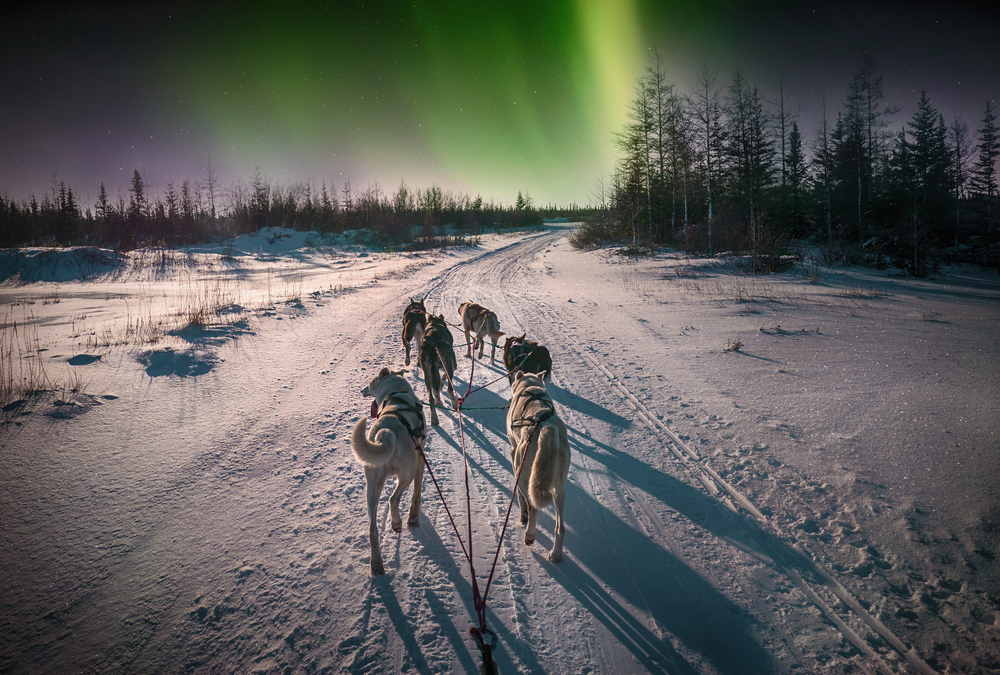
Sledding in Iceland takes classic winter fun to unique Nordic heights. Husky-dog teams race across snowy fields and frozen riverbanks, while Icelandic horses offer family-friendly sleigh rides through frosted countryside. The exhilarating rush of gliding over fresh snow is complemented by quiet moments, scenic beauty, and a glimpse of ancient traditions. Experienced guides ensure both safety and excitement, making sledding accessible for all ages. For those seeking cozy adventure or a little nostalgia, sledding is undoubtedly among the most delightful things to do in Iceland in Winter, blending thrill with the country’s rich cultural heritage
What to Pack for Winter in Iceland?
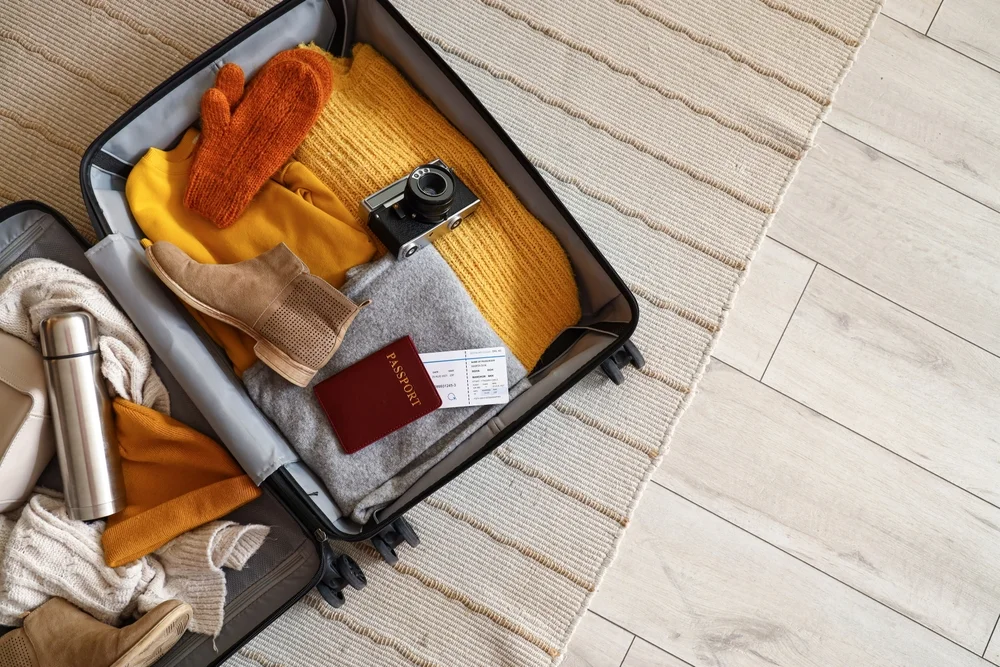
- Packing for Iceland in winter demands careful planning to ensure safety, comfort, and readiness for adventurous excursions.
- Thermal base layers are essential to stay warm and dry, especially during extended outings in Iceland’s snowy and windy terrain.
- An insulated, waterproof jacket will reliably protect travelers from both the biting wind and heavy precipitation frequently experienced in the country.
- Sturdy, waterproof boots with strong treads are a must, offering traction and warmth while traversing icy landscapes in Iceland in winter.
- Layering thick, wool or moisture-wicking socks helps keep feet dry and warm, particularly during glacier tours or outdoor hikes.
- Warm gloves or mittens with inner linings safeguard hands against wind-chill while participating in popular glacier and aurora hunting activities.
- Packing a lightweight swimsuit is smart, hot springs and geothermal pools offer rejuvenation and warmth after chilly sightseeing adventures.
- Protective sunglasses or goggles are recommended to shield eyes from the intense glare of snow and ice on clear winter days.
- Lightweight, breathable fleece layers allow flexibility for adjusting to rapidly changing indoor and outdoor temperatures in Iceland.
- A reusable water bottle helps maintain hydration levels, which is crucial for comfort even in cold climates.
- Bringing a travel power adapter for Icelandic sockets ensures electronic devices stay charged and ready for capturing memorable moments.
Winter Travel Tips for Iceland
- Check weather forecasts and road conditions daily; winter storms can close routes quickly.
- Book accommodations, tours, and rentals well in advance during peak months.
- Drive cautiously, roads may be icy, and rural stretches often go unplowed.
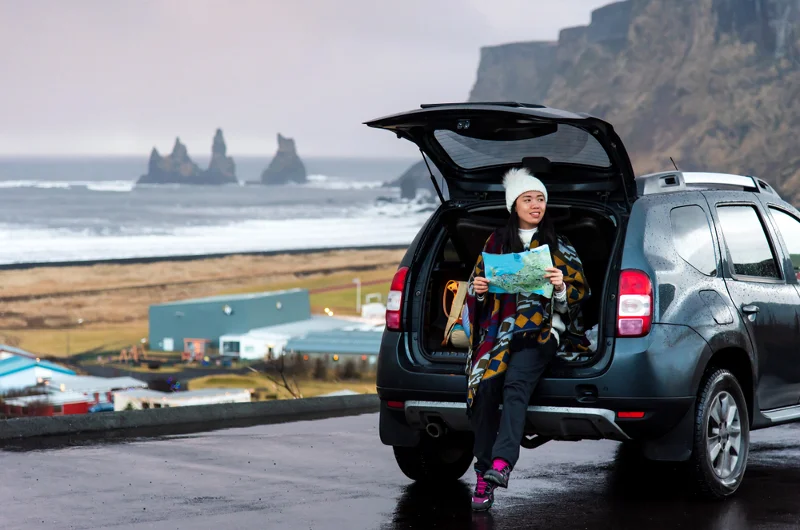
- Opt for 4x4 vehicles if self-driving, and consider adding sand and insurance coverage.
- Keep headlights on at all times while driving.
- Use local apps like SafeTravel.is for route alerts and emergency updates.
- Dress in layers to easily adapt to changing conditions indoors and out.
- Respect geothermal zones, stick to marked paths and never touch boiling springs.
- Carry snacks and essentials when exploring remote areas, as services can be limited.
- Mind limited daylight hours by planning outdoor activities accordingly.
- Always inform someone of your itinerary, especially in rural locales.
- Consider a portable battery or car charger for electronics in cold weather.
- Bring a camera for auroras but use manual settings for better low-light shots.
- Carry a flashlight for nighttime aurora hunts and rural walks.
Want the best Iceland package, handpicked just for you?
Share your travel needs and our travel experts will reach out to you.
Insider guides
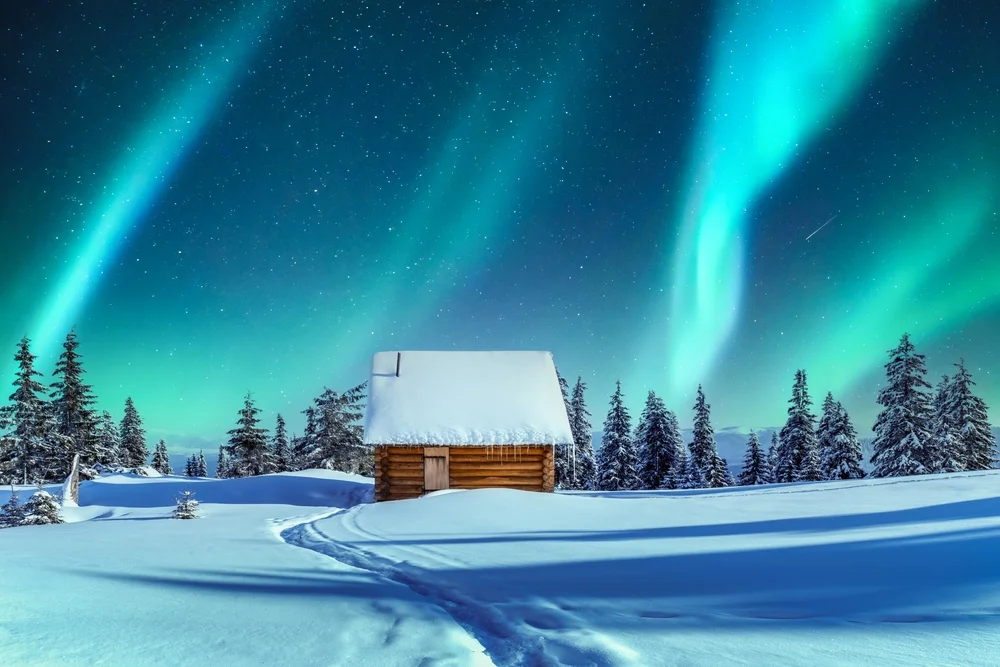
Iceland Or Norway- Decoding The Better Place For Northern Lights Aryaman Punj
Aryaman Punj9 July, 2025
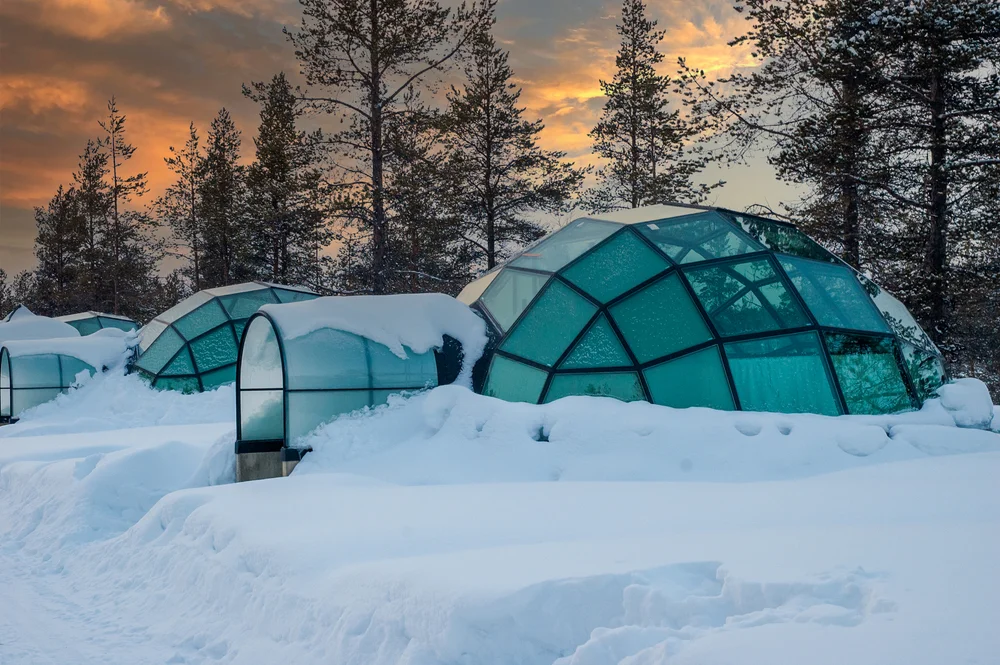
Luxury Aurora Lodges with Glass Igloos and Panoramic Views Riddhi Jain
Riddhi Jain7 July, 2025
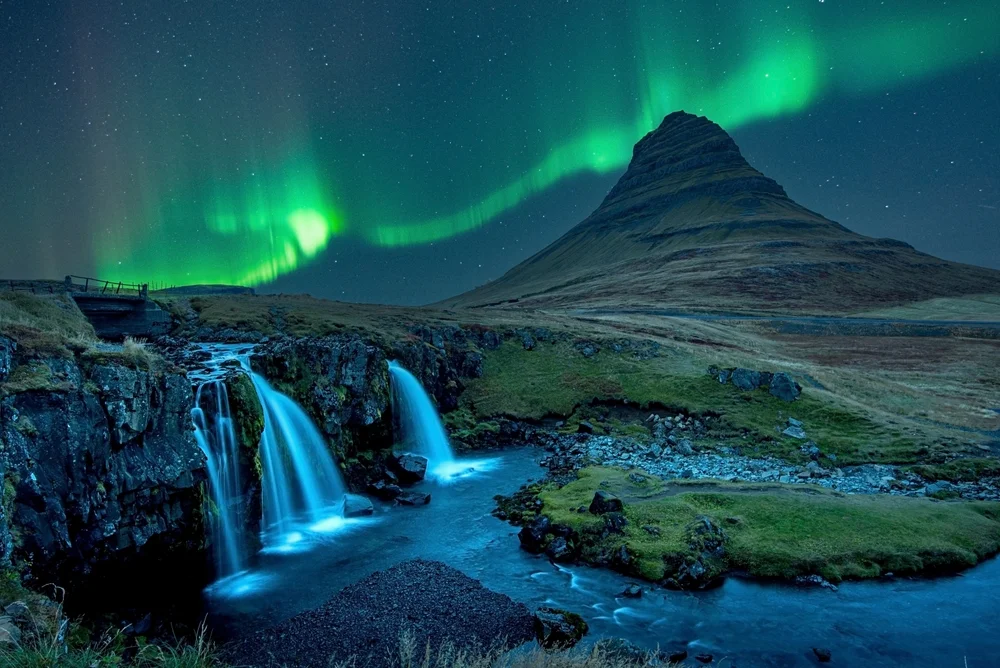
Your Ultimate Guide to the Northern Lights in IcelandRiddhi Jain
Riddhi Jain6 July, 2025
Frequently Asked Questions for Iceland
Winter weather is notoriously unpredictable, with temperatures averaging between -1°C to 4°C (30°F to 39°F). Snow is common, especially in the countryside, while coastal regions might see rain or sleet. Frequent strong winds make the air feel colder, and travelers should prepare for sudden storms. The bright side: crisp, clear conditions are ideal for witnessing the Northern Lights and exploring steaming hot springs, quintessential experiences in Iceland in Winter.
The aurora season in Iceland runs from late September to early April. The long, dark nights of December through March offer the highest chances for sightings. Skies are clearest away from city lights, rural areas, and remote countryside spots work best. To increase your odds, stay for several nights and choose accommodations or tours far from urban glow.
Driving is possible but comes with challenges. Roads can be snowy, icy, or even closed during storms, especially in the countryside. Always check local weather and road conditions, use a 4x4 vehicle, and drive cautiously at all times. It’s wise to have sand or kitty litter for added traction if stuck and to download route-alert apps. With preparation, many travelers safely access Iceland’s highlights, but guided tours can be a more stress-free option for visiting popular places to visit in Iceland in Winter.
Layered thermal clothing, waterproof jackets and pants, sturdy boots, hats, gloves, and a swimsuit for hot pools are non-negotiable. Essential accessories include ice cleats for icy walks, a reusable water bottle, sunglasses to protect from snow glare, and a power adapter. Don't forget a camera for capturing the unique beauty of Iceland in Winter. Local stores do sell gear, but prices are high, come prepared to maximize comfort and exploring time.
Yes! Gullfoss, Geysir, and Thingvellir, the Golden Circle’s core stops, are accessible year-round. Site services like restrooms and cafés may have limited winter hours, and weather can sometimes close access temporarily, but most major tour operators continue through winter. Visiting the Golden Circle during this season allows travelers to experience the iconic places in Iceland under their most enchanting, icy spell.
Absolutely! Many famed waterfalls, including Seljalandsfoss and Gullfoss, are breathtakingly beautiful when decorated with snow and ice. Some walking paths may be slippery or temporarily closed for safety, so bring ice cleats and heed all local warnings. Winter waterfall visits reward travelers with stunning photography and far fewer crowds, making them some of the most prized things to do in Iceland in Winter.
Best International Tour Packages
France Tour PackagesBali Tour PackagesCroatia Tour PackagesGreece Tour PackagesSingapore Tour PackagesSwitzerland Tour PackagesTurkey Tour PackagesAustralia Tour PackagesAustria Tour PackagesCzech Republic Tour PackagesDubai Tour PackagesFinland Tour PackagesHungary Tour PackagesNetherlands Tour PackagesNew Zealand Tour PackagesNorway Tour PackagesPoland Tour PackagesGermany Tour PackagesVietnam Tour PackagesItaly Tour PackagesMauritius Tour PackagesThailand Tour PackagesMalaysia Tour PackagesKenya Tour PackagesJapan Tour PackagesDenmark Tour PackagesSweden Tour PackagesSpain Tour PackagesIndia Tour PackagesMexico Tour PackagesPortugal Tour PackagesMaldives Tour PackagesSouth Africa Tour PackagesSri Lanka Tour PackagesPhilippines Tour PackagesUnited Kingdom Tour PackagesFiji Tour PackagesEurope Tour PackagesSeychelles Tour Packages
Best International Honeymoon Tour Packages
Thailand Honeymoon PackagesBali Honeymoon PackagesSingapore Honeymoon PackagesDubai Honeymoon PackagesMauritius Honeymoon PackagesGreece Honeymoon PackagesSwitzerland Honeymoon PackagesItaly Honeymoon PackagesSri Lanka Honeymoon PackagesJapan Honeymoon PackagesVietnam Honeymoon PackagesMalaysia Honeymoon PackagesMaldives Honeymoon PackagesNorway Honeymoon PackagesFinland Honeymoon PackagesIceland Honeymoon PackagesSpain Honeymoon PackagesCroatia Honeymoon PackagesDenmark Honeymoon PackagesAustralia Honeymoon PackagesSweden Honeymoon PackagesCzech Republic Honeymoon PackagesHungary Honeymoon PackagesGermany Honeymoon PackagesNetherlands Honeymoon PackagesPortugal Honeymoon PackagesPoland Honeymoon PackagesFrance Honeymoon PackagesAustria Honeymoon PackagesEurope Honeymoon PackagesSeychelles Honeymoon Packages
Best International Family Tour Packages
Thailand Family PackagesDubai Family PackagesBali Family PackagesMaldives Family PackagesMalaysia Family PackagesSingapore Family PackagesSwitzerland Family PackagesMauritius Family PackagesSri Lanka Family PackagesGreece Family PackagesItaly Family PackagesNorway Family PackagesVietnam Family PackagesDenmark Family PackagesFinland Family PackagesIceland Family PackagesJapan Family PackagesSweden Family PackagesPhilippines Family PackagesHungary Family PackagesPoland Family PackagesCzech Republic Family PackagesCroatia Family PackagesPortugal Family PackagesAustria Family PackagesSpain Family PackagesGermany Family PackagesNetherlands Family PackagesFrance Family PackagesEurope Family Packages