A visit to

Sri Lanka

Travel Guide

Quick Information

IDEAL DURATION

5 - 10 Days

per person

₹27,999
Sri Lanka

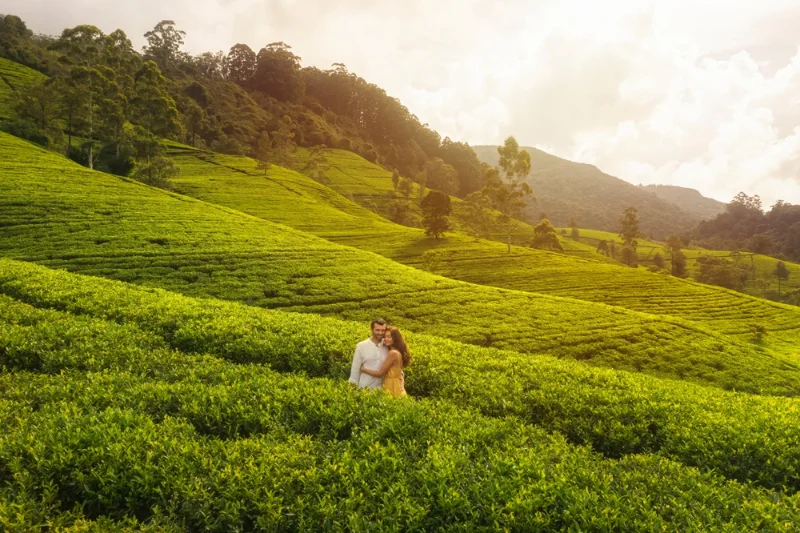
Sri Lanka, the “Pearl of the Indian Ocean,” is a tropical paradise rich in natural beauty, culture, and heritage. From golden beaches to mist-covered mountains and lush tea plantations, the country offers a remarkable blend of adventure and relaxation. Its charming cities like Colombo, Kandy, and Galle introduce travelers to vibrant street life, colonial history, and world-class hospitality. Visitors can...

Best time to visit

The best time to visit Sri Lanka is from December to April, when the weather is sunny and dry across the southwest coast and central hills. This period is ideal for beach trips, cultural sightseeing, and adventure sports. The east coast is pleasant from May to September, offering clear skies and gentle sea breezes. Sri Lanka’s dual monsoon pattern ensures travelers can enjoy different parts of the country throughout the year. The island’s tropical climate averages between 26°C to 32°C, making it suitable for year-round vacations. Dry months are perfect for national park safaris, tea estate tours, and temple explorations, while occasional rains enhance the lush greenery, especially in the central and northern regions.

How to reach Sri Lanka

By Air

Bandaranaike International Airport (Colombo) connects Sri Lanka with major Indian cities such as Delhi, Mumbai, Chennai, and Bengaluru. Frequent flights operate through airlines like Air India, SriLankan Airlines, and Indigo. The average flight duration is about 2–3 hours, making air travel the most convenient option.

By Sea

Though limited, luxury cruise liners and ferry services operate between India and Sri Lanka, mainly via Chennai and Tuticorin ports. Travelers can enjoy scenic sea routes to Colombo, Galle, or Trincomalee. This mode offers a leisurely journey and is favored by those looking for a unique travel experience.
Top packages for Sri Lanka
Want the best Sri Lanka package, handpicked just for you?

Share your travel needs and our travel experts will reach out to you.

Frequently Asked Questions for Sri Lanka

Indian travelers visiting Sri Lanka must apply for an Electronic Travel Authorization (ETA) online before arrival. The visa-on-arrival facility is available after ETA approval. The process is quick, affordable, and allows short stays for tourism, business, or transit purposes.

Sri Lanka’s proximity to India, shared cultural roots, and natural diversity make it exceptionally popular among Indian tourists. The island offers everything from heritage sites and wildlife sanctuaries to pristine beaches and adventure activities, all within short travel distances. It’s loved for its calm environment, affordability, and warm hospitality.

Sri Lanka has two monsoon seasons affecting different parts of the island, so the best time to visit depends on where you're headed. For the west and south coasts, covering Colombo, Galle, and Mirissa, November to April is ideal, with dry sunny weather perfect for beaches and sightseeing. For the east coast, including Trincomalee and Arugam Bay, May to September is the better window. The Cultural Triangle (Sigiriya, Kandy, Anuradhapura) and the hill country around Ella and Nuwara Eliya can be visited year-round, though December to April tends to be the most comfortable across the board.

Sri Lanka is moderately priced compared to other Asian destinations. Accommodation, food, and inter-city transport are reasonably affordable. Budget travelers can explore comfortably, while luxury options remain available for premium experiences. A mid-range traveler should expect daily expenses around INR 6,000–8,000 per person.

Yes, direct flights operate from major Indian airports such as Delhi, Mumbai, Chennai, Bengaluru, and Kochi to Colombo. Most flights take around two to three hours. SriLankan Airlines, Air India, and Indigo offer daily services with competitive fares.

A 7 to 10-day itinerary is ideal for a well-rounded Sri Lanka experience. This gives you enough time to cover the Cultural Triangle (Sigiriya, Dambulla, Polonnaruwa), the scenic hill country (Ella, Nuwara Eliya, Kandy), and the southern or western beaches (Galle, Mirissa, Unawatuna). If you're short on time, a focused 5-night trip can cover either the cultural highlights or the beaches comfortably. Sri Lanka rewards slower travel, the landscapes and local interactions are best savoured without rushing between too many stops.

A basic trip can start around INR 50,000–60,000 per person for 5–6 days, including flights, hotels, meals, and sightseeing. Travelers choosing Sri Lanka packages from Travalot can save more through curated deals covering transport, accommodation, and excursions.

  • Carry light cotton clothes and sunscreen.
  • Respect local customs and temple dress codes.
  • Use registered taxis or tuk-tuks for safety.
  • Exchange currency at authorized centers.
  • Keep electronic visas and IDs handy.
  • Avoid travelling at night in remote areas.

  • Ceylon tea varieties.
  • Handcrafted wooden masks and jewelry.
  • Spices like cinnamon and cardamom.
  • Batik fabrics and sarongs.
  • Precious gems and moonstone jewelry.
  • Ayurveda oils and herbal cosmetics.

Yes, Sri Lanka is safe to visit as of 2025. The country has stabilised significantly following its 2022 economic crisis and the political unrest that accompanied it. Tourism infrastructure has recovered well, and millions of international visitors travel there without incident each year. Sri Lanka consistently ranks as a welcoming and safe destination, with locals known for being genuinely hospitable towards tourists. As with any destination, standard precautions, keeping an eye on belongings in crowded areas and staying updated on local news, are advisable. The Indian High Commission in Colombo is also easily reachable in case of emergencies.

The iconic train journey from Ella to Kandy, passing through rolling tea estates, mist-covered valleys, and the famous Nine Arch Bridge, is one of the most popular activities to be added in any Sri Lanka honeymoon packages. A second-class reserved seat costs approximately LKR 200 to 400 (roughly ₹55 - ₹110), while first-class observation car seats cost around LKR 1,500 to 2,000 (₹400 - ₹550). Tickets, especially observation car seats, sell out weeks in advance during peak season. Book online at the official Sri Lanka Railways website or through a trusted travel agent. Unreserved third-class tickets are always available but expect a crowded, standing-room-only experience.

Sri Lanka has two official languages, Sinhala and Tamil. English, however, is widely spoken in tourist areas, hotels, restaurants, and transport hubs, making it very manageable for Indian travellers. In cities like Colombo, Galle, Kandy, and Ella, English communication is rarely a problem. In more rural areas, some basic Sinhala phrases are appreciated though not essential. For Tamil-speaking Indians, the northern and eastern regions of Sri Lanka, including Jaffna and Trincomalee, will feel linguistically very familiar, as Tamil is the dominant language there.

Yes. Sri Lankan cuisine shares deep roots with South Indian cooking, rice, dal, coconut-based curries, and hoppers (similar to appam) are everyday staples. Indian travellers, especially those from Tamil Nadu or Kerala, will find the food remarkably familiar. Dosa, idli, sambar, and biryani are widely available. Vegetarian options are plentiful, particularly near temples and in local eateries. Most tourist-facing restaurants also serve North Indian dishes including paneer curries, rotis, and dal makhani.

Trincomalee is famous for its breathtaking natural harbour, pristine beaches, world-class diving and snorkelling, and spectacular blue whale and dolphin watching. It is home to the sacred Koneswaram Temple, one of the Pancha Ishwarams (five ancient Shiva temples) of Sri Lanka, perched dramatically on Swami Rock overlooking the ocean. The city is also celebrated for the HMS Hermes wreck, one of Asia's best dive sites, the stunning Pigeon Island National Park, Nilaveli and Uppuveli beaches, and its rare hot springs at Kanniya.

Absolutely, Trincomalee is one of Sri Lanka's most rewarding and underrated destinations. Unlike the heavily visited south coast, Trincomalee's east coast beaches are less commercialised, often uncrowded, and surrounded by remarkably clear turquoise waters. The combination of ancient temples, colonial forts, vibrant marine life, whale watching, and warm multicultural hospitality makes Trincomalee a destination that surprises and delights visitors in equal measure.

The best time to visit Trincomalee is between May and September, when the east coast enjoys its dry season with clear skies, calm seas, and warm temperatures ideal for beach activities, diving, and whale watching. July and August are peak months and the busiest for tourism. January to March also offers pleasant, relatively dry weather on the east coast, while the southwest monsoon (which affects the west and south of Sri Lanka) does not significantly impact Trincomalee. The northeast monsoon from October to December brings the heaviest rainfall and is the least ideal period to visit.

3 to 4 days are ideal to fully experience Trincomalee's highlights. Day one is best devoted to the Koneswaram Temple, Fort Frederick, and Swami Rock. Day two works well for a full day at Nilaveli Beach and a visit to Pigeon Island National Park for snorkelling. Day three can be reserved for a whale watching excursion and the Kanniya Hot Springs. A fourth day allows for a relaxed beach day at Uppuveli or a day trip toward Marble Bay.

Yes, Indian citizens require a visa to visit Sri Lanka, including Trincomalee. Indian passport holders can apply for an Electronic Travel Authorisation (ETA) online through the official Sri Lanka ETA portal before departure. The standard ETA grants a 30-day single-entry tourist visa. It is advisable to apply at least 3 to 5 days before travel, carry a printed copy of the approval, and present a confirmed return ticket and accommodation booking at immigration.

  • Koneswaram Temple (Thirukonamalai): A magnificent ancient Hindu temple perched on Swami Rock with sweeping ocean views
  • Fort Frederick: A well-preserved Dutch colonial fortress at the tip of the Trincomalee peninsula
  • Nilaveli Beach: One of Sri Lanka's most beautiful and pristine beaches, stretching for several kilometres north of the city
  • Uppuveli Beach: A calmer, more accessible beach popular with long-stay visitors and divers
  • Kanniya Hot Springs: Seven ancient wells of naturally warm mineral water with both spiritual and therapeutic significance
  • Pigeon Island National Park: A small marine national park just offshore, home to vibrant coral reefs and blacktip reef sharks
  • HMS Hermes Wreck: A British aircraft carrier sunk in 1942, now one of Asia's most celebrated dive sites

  • Nilaveli Beach: Wide, white-sand, and lapped by crystal-clear water; the most celebrated beach in the region
  • Uppuveli Beach: Calmer and closer to town, lined with guesthouses and seafood restaurants
  • Marble Bay: A secluded, pristine cove accessible by boat, ideal for snorkelling and total seclusion
  • Dutch Bay: A sheltered bay within the city area, quieter and popular with locals
  • Kuchchaveli Beach: A remote stretch north of Nilaveli with almost no tourist infrastructure, perfect for solitude seekers

Yes, Trincomalee is one of the best places in the world for whale watching, and it is a significant draw for visitors to the east coast. The deep waters off Trincomalee's coastline are home to blue whales, sperm whales, and spinner and bottlenose dolphins. Whale watching tours depart from Uppuveli and Nilaveli beaches, typically running between April and September when the sea is calm and sightings are most reliable. Blue whale sightings in particular are remarkably frequent, and Trincomalee is regarded alongside Mirissa as one of Sri Lanka's two premier whale watching locations.


Absolutely, Pigeon Island is a highlight of any Trincomalee trip and one of Sri Lanka's two marine national parks. Located just a short boat ride from Nilaveli Beach, the park features remarkably clear waters, vibrant hard and soft coral gardens, and an impressive array of marine life including blacktip reef sharks, sea turtles, parrotfish, and over 300 species of reef fish. Snorkelling is the primary activity, though scuba diving is also available. The island itself is named after the rock pigeon colony that nests there. Entry requires a national park permit, and visiting with a licensed boat operator from Nilaveli is the standard and recommended approach.

Yes, Trincomalee is ideally positioned to be combined with Sri Lanka's celebrated Cultural Triangle and hill country in a single itinerary. Sigiriya Rock Fortress and the Dambulla Cave Temple are both approximately 90 minutes to 2 hours south by road, making them easy stops en route from Colombo or Kandy to Trincomalee. Kandy is roughly 3.5 to 4 hours away and pairs naturally with Trincomalee for a highland-to-coast journey. A popular 8 to 10 day itinerary runs Colombo → Dambulla/Sigiriya → Trincomalee (3 nights) → Kandy → Nuwara Eliya → Ella, combining the best of Sri Lanka's culture, nature, and coastal beauty in a seamless loop.

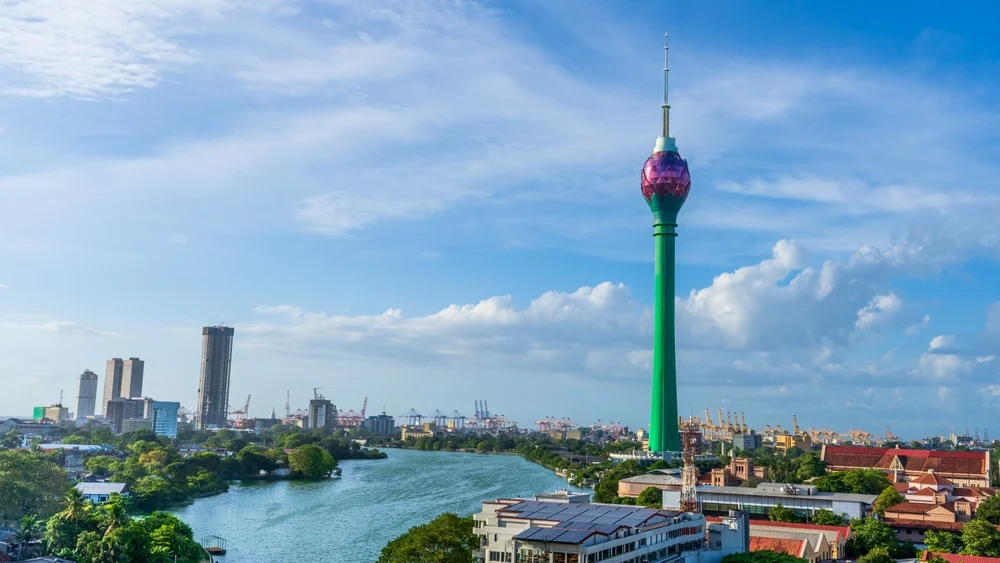
Colombo is famous for its eclectic mix of colonial architecture, Buddhist temples, lively street markets, and a cosmopolitan food scene. The city is known for landmarks like the iconic Gangaramaya Temple, the candy-striped Jami Ul-Alfar Mosque, the sprawling Galle Face Green beachfront promenade, and the towering Colombo Lotus Tower. Its vibrant Pettah Bazaar, luxury shopping malls, and diverse culinary offerings ranging from street hoppers to fine dining further add to its fame.

Absolutely, Colombo is a city that rewards curious travellers. While it may not have the beaches of the south coast or the heritage of Kandy, it offers an authentic urban Sri Lankan experience packed with culture, history, cuisine, and modernity in equal measure. The city's coastline, leafy Cinnamon Gardens neighbourhood, local museums, and weekend markets make for a genuinely enriching city break.

The best time to visit Colombo is between December and March, when the city enjoys dry, sunny weather with temperatures ranging between 23°C and 31°C. The northeast monsoon from November to February also makes this the ideal period to explore the west and south coasts of Sri Lanka. The months of July and August are also relatively dry in Colombo, though the rest of the island may experience heavier rainfall during this period.

2 to 3 days are generally sufficient to explore Colombo's main highlights, including its key temples, museums, promenades, and markets. If you plan to include day trips to nearby destinations like Negombo, Mount Lavinia Beach, or Kelaniya, extending your stay to 3 to 4 days will give you a much more relaxed and complete experience. Colombo is also best used as a base before heading deeper into Sri Lanka.

Yes, Indian citizens require a visa to visit Sri Lanka, including Colombo. Indian passport holders can apply for an Electronic Travel Authorisation (ETA) online through the official Sri Lanka ETA portal before departure. The ETA is typically a 30-day single-entry tourist visa. It is advisable to apply at least a few days before travel and carry a printed copy of the approval along with a return ticket and confirmed accommodation details.

Colombo's top attractions include:
  • Gangaramaya Temple: A stunning Buddhist temple complex blending Sri Lankan, Thai, and Chinese architecture
  • Galle Face Green: A large oceanfront urban park ideal for evening strolls
  • Colombo National Museum: Sri Lanka's premier museum, showcasing 2,500 years of history
  • Jami Ul-Alfar Mosque: A beautiful 19th-century red-and-white candy-striped mosque in Pettah
  • Colombo Lotus Tower: The tallest free-standing structure in South Asia, offering panoramic city views
  • Independence Memorial Hall: A colonial-era monument commemorating Sri Lanka's independence

  • Explore the chaotic and colourful Pettah Bazaar for local goods and spices
  • Visit the serene Seema Malaka Temple floating on Beira Lake
  • Take an evening walk along Galle Face Green and try local street food like isso vadai
  • Tour the colonial architecture of Fort and Slave Island neighbourhoods
  • Enjoy a sunset at Mount Lavinia Beach, just 12 kilometres south of the city centre
  • Indulge in traditional Sri Lankan cuisine, hoppers, kottu rotti, and lamprais.

Colombo offers a wide range of shopping experiences:
  • Odel and One Galle Face Mall: Upscale shopping malls for fashion and lifestyle brands
  • Pettah Market: The city's oldest and busiest open-air market for textiles, spices, and everyday goods
  • Majestic City and Liberty Plaza: Mid-range malls popular with locals
  • Barefoot Gallery: A boutique store known for handmade textiles and Sri Lankan crafts
  • Crescat Boulevard: A beachside mall ideal for dining and leisure shopping

  • Cinnamon Gardens (Colombo 7): Leafy, upscale neighbourhood, best for luxury travellers and honeymooners
  • Fort & Pettah (Colombo 1): Central and budget-friendly, ideal for business travellers
  • Kollupitiya (Colombo 3): Close to beaches, cafés, and embassies; great for first-time visitors
  • Bambalapitiya (Colombo 4): Laid-back, bohemian vibe with good restaurants and guesthouses
  • Mount Lavinia: Best for beach lovers who want a quieter stay just outside the city

Yes, Colombo serves as the perfect base for combining multiple Sri Lankan destinations in a single itinerary. Kandy is just 2.5 hours away by train or road and is best paired with a 2-night extension to visit the Temple of the Tooth and the scenic hill country. Bentota is around 1.5 hours south by road and is ideal for beach lovers and water sports enthusiasts. Galle, just 2–3 hours away via the Southern Expressway, is a must-visit for its UNESCO-listed Dutch fort and charming colonial streets. A well-planned 7–10 day itinerary can comfortably cover Colombo, Kandy, Bentota, and Galle in a single trip.

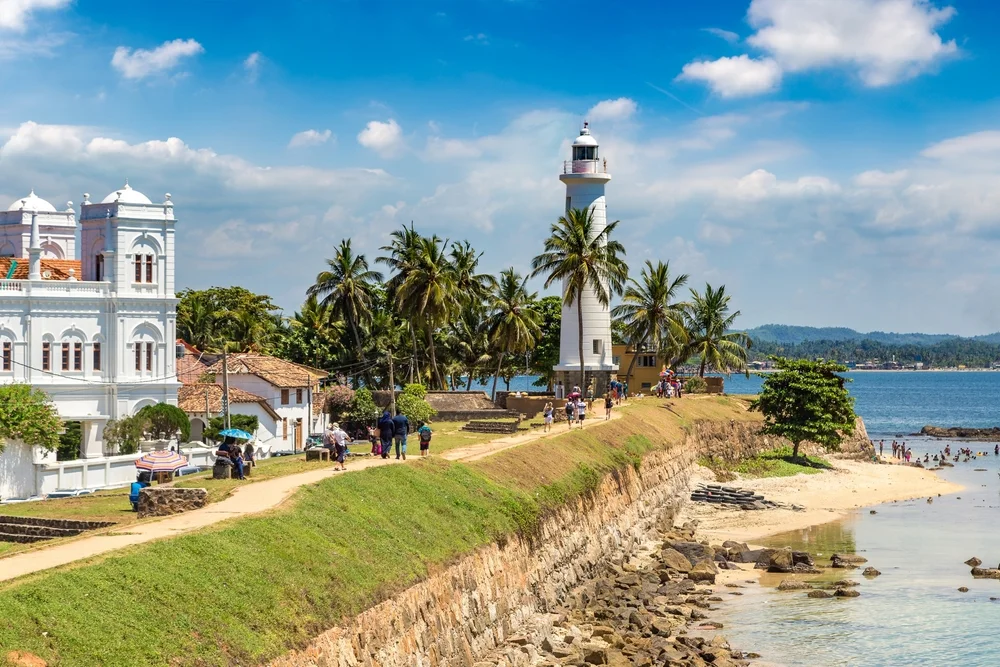
Galle is most famous for its 17th-century Dutch Fort, a sprawling, UNESCO-listed fortification that is the finest surviving example of European colonial architecture in Asia. Beyond the fort, the city is celebrated for its charming cobblestone streets, Dutch Reformed churches, a historic lighthouse, a world-famous cricket stadium, handmade lace, moonstones and gemstones, and a thriving arts and boutique café culture. Pristine beaches like Unawatuna, Dalawella, and Jungle Beach are also closely associated with Galle.

Absolutely, Galle is one of Sri Lanka's most rewarding destinations. Unlike purely beach-focused towns, Galle offers a multi-layered experience: you can explore centuries-old bastions in the morning, browse antique shops and indie boutiques in the afternoon, and watch a sunset from the fort ramparts in the evening. Its blend of colonial history, coastal beauty, and contemporary culture makes it compelling for history buffs, foodies, beach lovers, and architecture enthusiasts alike.

The best time to visit Galle is between December and March, when the weather is dry, sunny, and ideal for beach activities and sightseeing, with temperatures averaging 25–30°C. April and May are also pleasant and less crowded. The southwest monsoon from May to September brings heavy rainfall to the region, though the fort and its museums remain accessible throughout the year.

2 to 3 days are ideal to explore Galle's highlights at a comfortable pace. Day one can be devoted to a thorough walk around Galle Fort, visiting the Dutch Museum, the lighthouse, the ramparts, and Pedlar Street. Day two works well for exploring nearby beaches like Unawatuna and Jungle Beach. A third day allows for a day trip to Mirissa or Koggala Lake, giving a well-rounded experience of the region.

Top attractions in Galle include:
  • Galle Dutch Fort: The iconic UNESCO-listed fortification with bastions, museums, and colonial-era buildings
  • Galle Lighthouse: Sri Lanka's oldest lighthouse, standing within the fort walls
  • Dutch Reformed Church: A beautifully preserved 1755 colonial church inside the fort
  • Galle National Museum: Showcasing the region's Dutch colonial and maritime history
  • Rumassala Mountain: Linked to Ramayana legend and offering panoramic ocean views
  • Koggala Lake: A serene spot for birdwatching, boat rides, and visits to the Martin Wickramasinghe Folk Museum
  • Galle International Cricket Stadium: One of the world's most scenic cricket grounds

Galle Fort was designated a UNESCO World Heritage Site in 1988 for its outstanding universal value as a fortified colonial town. Built initially by the Portuguese in the 16th century and extensively reinforced by the Dutch in 1663, the fort represents one of the most significant and well-preserved examples of European urban planning in South and Southeast Asia. Its massive stone bastions, a grid of colonial streets, Dutch Reformed church, warehouses, and residential buildings have remained largely intact for over 350 years, making it an irreplaceable piece of global maritime and architectural heritage.


Galle's surrounding coastline is home to some of Sri Lanka's most beautiful beaches:
  • Unawatuna Beach: A sheltered crescent bay just 5 km from Galle, perfect for swimming and snorkelling
  • Jungle Beach: A hidden cove accessible by a short walk through forest, ideal for peaceful sunbathing
  • Dalawella Beach: Known for its iconic rope swing and calm turquoise waters
  • Thalpe Beach: A quieter, more secluded stretch popular with long-stay visitors
  • Hikkaduwa Beach: About 20 km north, famous for surfing and coral reef snorkelling.

  • Inside Galle Fort: Best for heritage seekers; boutique guesthouses and converted Dutch-era homes offer a unique atmosphere
  • Unawatuna: Ideal for beach lovers, with a wide range of budget guesthouses, mid-range hotels, and resorts
  • Jungle Beach / Thalpe: Perfect for honeymooners and luxury travellers looking for seclusion
  • Galle Town (New Galle): Best for budget travellers needing easy access to transport and local markets.

The most popular and recommended way is by train from Colombo Fort Station, with the scenic coastal journey taking 2 to 3 hours and fares starting from as low as LKR 180 for a regular seat. By road, the E01 Southern Expressway makes the drive approximately 1.5 hours, and AC buses from Maharagama are an affordable option at around LKR 375. Private taxis and hired cars offer the most flexibility for families and groups and can be arranged through hotels or ride-hailing apps.

Yes, Galle is ideally positioned to serve as a base for exploring the entire southern Sri Lankan coast. Unawatuna is just 5 kilometres from Galle and can be visited in an easy half-day. Mirissa, famous for whale watching and a stunning beach, is only 35 kilometres east and around 45 minutes by road or train. Bentota, known for water sports, river safaris, and luxury resorts, is approximately 60 kilometres north and about 1 to 1.5 hours away. A 6 to 8 day southern Sri Lanka itinerary combining Colombo, Bentota, Galle, Unawatuna, and Mirissa is one of the most popular routes for travellers on the island.

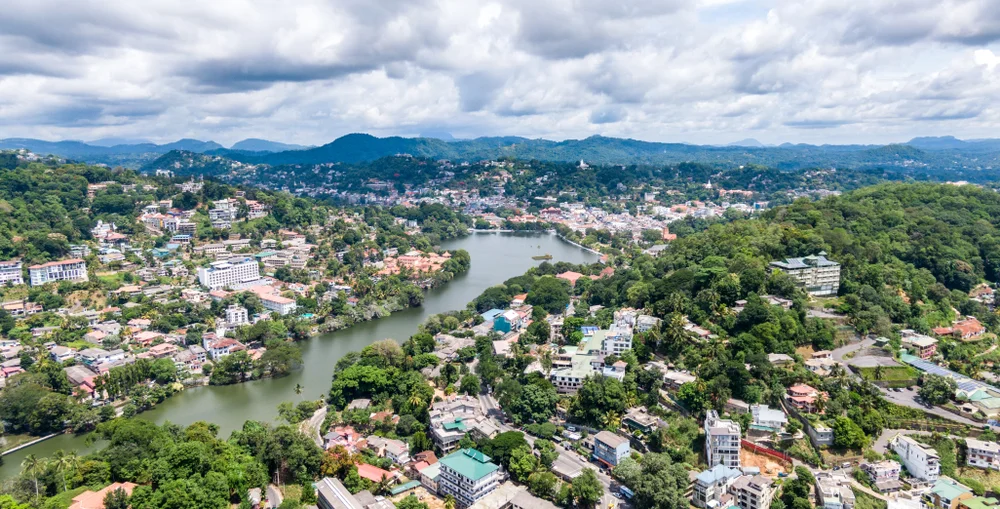
Kandy is most famous for the Temple of the Tooth Relic (Sri Dalada Maligawa), which is believed to house the sacred tooth of the Buddha and is one of the most revered pilgrimage sites in the Buddhist world. The city is also celebrated for the spectacular Esala Perahera, a grand annual procession of elaborately decorated elephants, traditional dancers, and fire performers held in July or August. Kandy is further known for its scenic lake, Royal Botanical Gardens at Peradeniya, traditional Kandyan dance performances, and its position as the gateway to Sri Lanka's tea country.

Absolutely, Kandy is one of Sri Lanka's most rewarding destinations and a highlight of almost every Sri Lanka itinerary. Its combination of sacred temples, highland scenery, colonial-era gardens, vibrant culture, and a relaxed lakeside atmosphere makes it uniquely compelling. Unlike purely coastal destinations, Kandy offers a deeply immersive cultural and spiritual experience that reveals a very different, more ancient side of Sri Lanka.

The best time to visit Kandy is between January and April, when the city enjoys cooler, drier weather ideal for sightseeing, with average temperatures ranging between 20°C and 29°C. The months of July and August are particularly vibrant due to the Esala Perahera festival, though accommodation fills up quickly during this period. Kandy receives rain from both monsoons, so the wettest months tend to be May–June and October–November.

2 to 3 days are sufficient to cover Kandy's major attractions comfortably. Day one is best dedicated to the Temple of the Tooth, the Kandy Lake, and a traditional Kandyan cultural dance show. Day two works well for the Royal Botanical Gardens at Peradeniya, a visit to a local tea factory, and exploring the city market. A third day allows for a day trip to the Pinnawala Elephant Orphanage or the scenic Hanthana Mountain Range.

Yes, Indian citizens require a visa to visit Sri Lanka, including Kandy. Indian passport holders can apply online for an Electronic Travel Authorisation (ETA) via the Sri Lanka ETA official portal before departure. The standard ETA is a 30-day single-entry tourist visa. It is advisable to apply at least 3 to 5 days in advance, carry a printed copy of the approval, and have a confirmed return ticket and hotel booking ready for immigration purposes.

The Kandy to Ella train journey is widely celebrated as one of the most beautiful rail experiences in the world. Departing from Kandy Railway Station, the train winds through emerald tea estates, cascading waterfalls, misty mountain passes, and colonial-era viaducts for approximately 6 to 7 hours. Key highlights along the route include the sweeping views near Nuwara Eliya, the dramatic Demodara Nine Arches Bridge just before Ella, and the cool highland air as the train climbs to nearly 1,900 metres elevation. First-class observation car seats offer panoramic open-window views and are highly recommended- book well in advnce as they sell out quickly.

Yes, Kandy pairs seamlessly with other Sri Lankan destinations in a single itinerary. Colombo is just 2.5 to 3 hours away and is typically the first stop on most itineraries. Bentota, a beachside resort town on the west coast, is approximately 3.5 hours from Kandy by road and makes for a relaxing beach extension after the hill country. Galle, the UNESCO-listed colonial fort city, is around 4 to 5 hours from Kandy and is best combined via a scenic coastal drive. A popular 8–10 day route covers Colombo → Kandy → Ella → Galle → Bentota in a seamless loop.

  • Kandy Town Centre: Best for first-time visitors; walkable to the temple, lake, and markets
  • Kandy Hills / Upper Hillside: Ideal for boutique guesthouses and hotels with panoramic valley views
  • Peradeniya: Quieter area near the Botanical Gardens, suited to nature lovers
  • Bahirawakanda / Ampitiya Road: Popular with travellers seeking peaceful, scenic guesthouses away from city noise
  • Digana: A rural suburb near the Victoria Reservoir, perfect for eco-stays and hillside retreats.

  • Temple of the Tooth Relic (Sri Dalada Maligawa): The most sacred Buddhist site in Sri Lanka
  • Royal Botanical Gardens, Peradeniya: A magnificent 147-acre garden with over 4,000 plant species
  • Kandy Lake (Bogambara Lake): A serene artificial lake at the heart of the city built by the last Kandyan king
  • Udawattakele Forest Reserve: A lush jungle sanctuary within the city limits, ideal for birdwatching
  • Bahiravokanda Vihara Buddha Statue: A towering 27-metre white Buddha overlooking the city
  • Lankathilaka Vihara: A majestic 14th-century cliff-top temple on the outskirts of Kandy

  • Attend an evening Kandyan cultural dance performance, showcasing traditional fire, whip, and mask dances
  • Walk the perimeter of Kandy Lake at sunrise or sunset for tranquil views
  • Visit the Pinnawala Elephant Orphanage, about 40 km away, to see rescued elephants up close
  • Explore a working tea factory and estate in the surrounding highlands
  • Browse the Kandy City Market for spices, gems, batik textiles, and local street food
  • Attend a puja (offering ceremony) at the Temple of the Tooth in the early morning or evening

  • Kandy City Centre Mall: The city's main modern shopping complex for fashion, electronics, and dining
  • Kandy Market (Central Market): A bustling covered market for spices, produce, and everyday goods
  • Lakeside Antique Shops: Clustered around Kandy Lake, offering Ceylon gemstones, antiques, and handicrafts
  • Pedlar Street / Dalada Veediya: The main commercial strip lined with batik shops, gem stores, and souvenir stalls
  • The Cultural Triangle Craft Shops: Near the Temple of the Tooth, selling traditional Kandyan crafts and wood carvings.

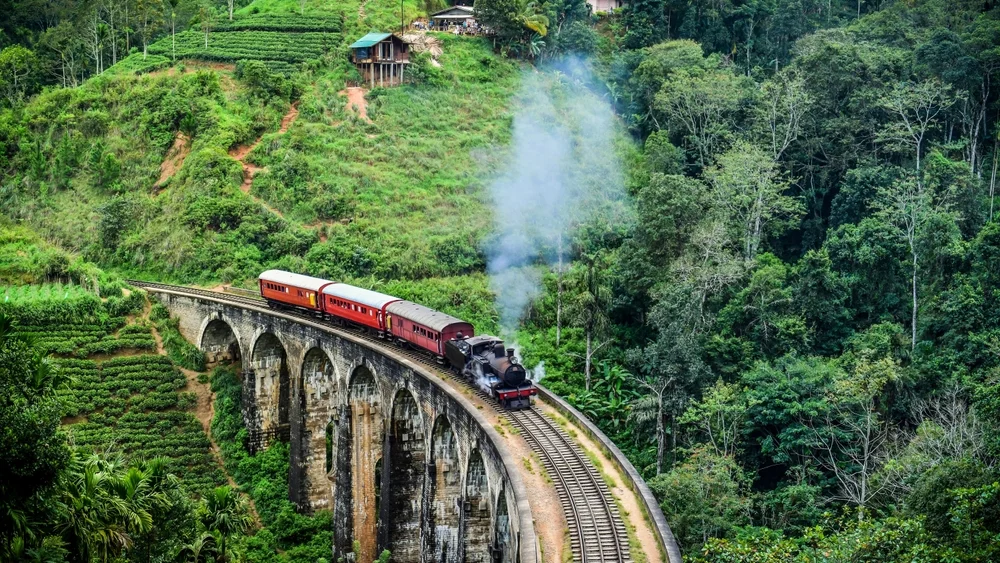
Ella is best known for the Nine Arch Bridge (Demodara Bridge) — a stunning colonial-era stone viaduct surrounded by lush tea plantations, over which trains pass several times a day, creating one of Sri Lanka's most iconic images. The town is also celebrated for the Kandy to Ella train ride, hikes up Ella Rock and Little Adam's Peak, the thundering Ravana Falls, sweeping views through Ella Gap, and its vibrant backpacker café culture.

Absolutely, Ella is one of the most rewarding destinations in Sri Lanka and a near-essential stop on any island itinerary. Its rare combination of dramatic highland scenery, accessible hiking trails, cool climate, cultural landmarks, and an easygoing village atmosphere makes it deeply appealing for a wide range of travellers. Unlike the beaches of the south or the temples of Kandy, Ella offers a peaceful, nature-immersive experience that many visitors describe as the highlight of their Sri Lanka trip.

The best time to visit Ella is between January and April, when the weather is dry and clear, offering the best visibility for hikes, viewpoints, and the iconic Nine Arch Bridge. Being a highland town, Ella enjoys a cooler temperature year-round, averaging between 15°C and 26°C. The inter-monsoon period of July to September also tends to be relatively dry. The wettest months are typically October to November (northeast monsoon) and May to June (southwest monsoon), when trails can become slippery.

2 to 3 days are generally sufficient to experience Ella's highlights. Day one works perfectly for hiking to Little Adam's Peak in the morning and visiting the Nine Arch Bridge in the afternoon to catch a passing train. Day two is ideal for the more challenging ascent of Ella Rock and an evening at Chill Café. A third day allows for a visit to Ravana Falls, a tea plantation tour, or a day trip to Horton Plains National Park.

Yes, Indian citizens require a visa to visit Sri Lanka, including Ella. Indian passport holders can apply for an Electronic Travel Authorisation (ETA) online through the official Sri Lanka ETA portal before departure. The standard ETA is a 30-day single-entry tourist visa. It is advisable to apply at least 3 to 5 days before travel, carry a printed copy of the approval, and have a confirmed return ticket and accommodation details ready for immigration.

  • Nine Arch Bridge (Demodara Bridge): A magnificent colonial stone viaduct, best viewed with a passing train
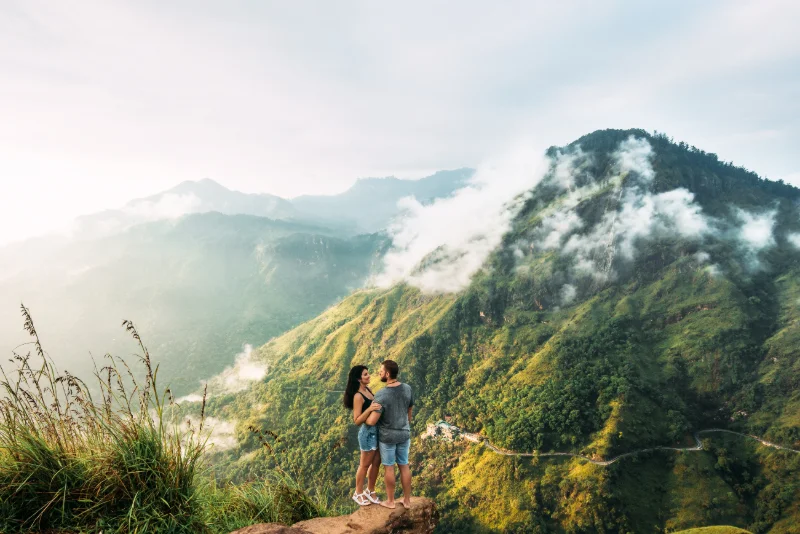
  • Little Adam's Peak: A relatively easy 1.5-hour hike offering sweeping views over the Ella Gap and tea estates
  • Ella Rock: A more challenging 4-hour hike rewarded with some of the finest panoramic views in Sri Lanka
  • Ravana Falls: A wide, multi-tiered 90-metre waterfall with a legendary connection to the Ramayana
  • Ravana Cave: A historically significant cave near the falls, associated with the Hindu legend of Sita
  • Dambatenne Tea Factory: A working highland tea factory offering guided tours of the full tea production process

  • Hike to the summit of Ella Rock for unobstructed sunrise views over the highlands
  • Watch a train cross the Nine Arch Bridge, arrive around 9:00–10:00 AM for the best light and timing
  • Take a guided tour of a tea estate such as Uva Halpewatte or the Newburgh Green Tea Plantation
  • Join a Sri Lankan cooking class at Matey Hut or Ella Spice Garden
  • Explore Horton Plains National Park and the dramatic World's End cliff drop on a day trip
  • Spend an evening at Chill Café, Ella's most beloved restaurant and social hub, with beanbag seating, mountain views, and a relaxed vibe.

Ella is a small town and not a major shopping destination, but it offers some charming local options:
  • Ella Main Street: Lined with small shops selling handmade handicrafts, batik clothing, Ceylon tea, and spices
  • Local Roadside Vendors: Sell fresh produce, handwoven goods, and souvenirs along the town's perimeter
  • Tea Factory Shops: At Dambatenne and other estates, visitors can purchase freshly packaged single-estate Ceylon tea directly
  • Gem and Craft Boutiques: Small independent stores near the town centre offer locally sourced moonstones and wooden crafts

  • Ella Town Centre: Best for solo travellers and backpackers; walkable to cafés, restaurants, and transport
  • Ella Gap View Area (Passara Road): Ideal for travellers seeking guesthouses and boutique hotels with dramatic valley panoramas
  • Near Nine Arch Bridge / Demodara: Perfect for photography enthusiasts who want easy morning access to the bridge
  • Hillside Retreats: Boutique eco-lodges and tea estate bungalows on the outskirts offer privacy, lush views, and a peaceful highland stay.

The Kandy to Ella train journey is considered one of the most beautiful rail experiences in the world, and for good reason. Over approximately 6 to 7 hours, the train climbs through mist-shrouded central highlands, passing emerald-green tea estates, dense jungle canopies, plunging waterfalls, and quaint colonial stations. Key highlights include the sweeping tea country views beyond Nanu Oya, the cool mountain air near Pattipola (Sri Lanka's highest railway station), and the breathtaking Demodara Nine Arches Bridge just minutes before arriving at Ella.

Yes, Ella is perfectly positioned as the centrepiece of a longer Sri Lanka island itinerary. Colombo is typically the first stop, with a direct overnight train or car connection to Ella in 8 to 9 hours. Kandy pairs naturally with Ella via the iconic highland train route, and most travellers spend 2 nights in Kandy before travelling to Ella. From Ella, heading southwest to Galle by road takes approximately 3.5 hours, making a smooth coastal extension possible. A classic 10-day Sri Lanka itinerary runs Colombo → Kandy → Ella → Galle → Bentota → Colombo in a seamless loop.

Nuwara Eliya is most famous for being the home of Ceylon Tea, the world-renowned single-origin tea grown on the mist-covered highland estates that surround the city. It is equally celebrated for its colonial British architecture, cool climate, the stunning Gregory Lake, the Hakgala Botanical Gardens, Victoria Park, and its charming racecourse. The city hosts the famous Nuwara Eliya Season in April during the Sinhala and Tamil New Year, when horse racing, flower shows, and social events draw visitors from across the island and abroad.

Absolutely, Nuwara Eliya is one of Sri Lanka's most distinctive destinations and unlike anywhere else on the island. Its unique fusion of British colonial charm, highland tea culture, cool refreshing air, and natural beauty makes it a compelling stop for nature lovers, history enthusiasts, and anyone seeking a refreshing contrast from the coastal heat. Walking through its tea-carpeted hillsides or savouring a freshly brewed cup of estate tea with views across misty valleys is an experience that stays with travellers long after they leave.

The best time to visit Nuwara Eliya is between January and April, when the weather is drier, clearer, and most pleasant for sightseeing and outdoor activities, with temperatures averaging 15°C to 22°C. April is particularly festive due to the Nuwara Eliya Season. The city receives heavy rainfall from the southwest monsoon between May and August, though the scenery is lushly green and dramatically misty during this period. Nights can turn very cold year-round, dropping to as low as 8°C, so packing warm layers is essential regardless of when you visit.

2 days are generally sufficient to cover Nuwara Eliya's main highlights comfortably. Day one works well for a morning visit to a tea estate and factory tour, followed by an afternoon around Gregory Lake and Victoria Park. Day two is ideal for a visit to Hakgala Botanical Gardens, the Seetha Amman Temple, and a leisurely walk through the colonial town centre. Travellers who wish to include Horton Plains National Park, a highly recommended half-day excursion, should plan for a third day or an early morning departure from Nuwara Eliya.

Yes, Indian citizens require a visa to enter Sri Lanka, including Nuwara Eliya. Indian passport holders can apply for an Electronic Travel Authorisation (ETA) online through the official Sri Lanka ETA portal before departure. The standard ETA is a 30-day single-entry tourist visa. Apply at least 3 to 5 days before travel, carry a printed copy of the approval, and ensure you have a confirmed return ticket and hotel bookings for a smooth immigration process.

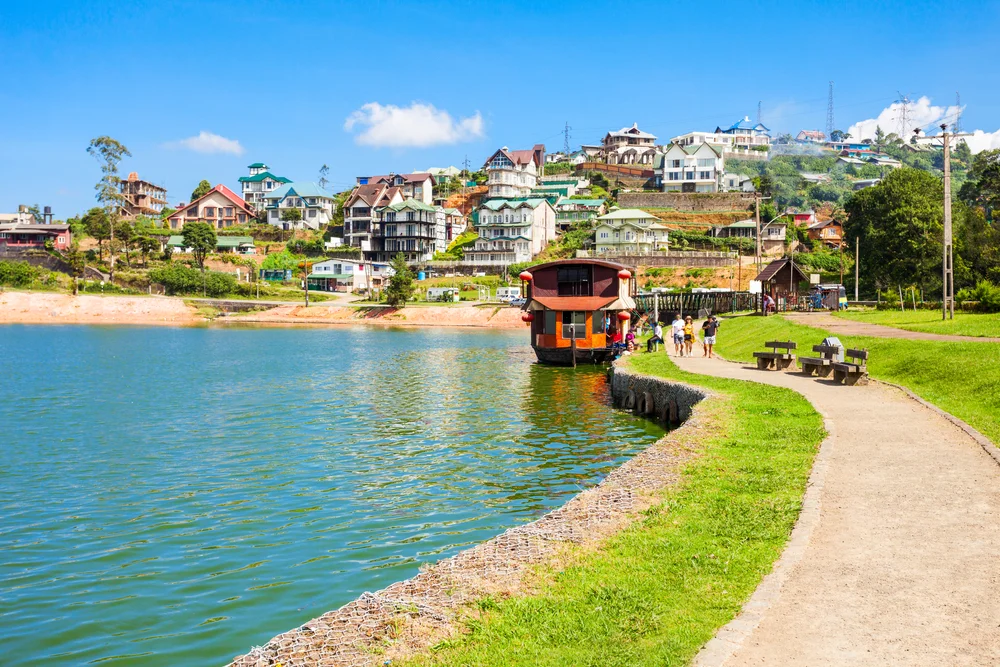
  • Gregory Lake: A scenic reservoir at the heart of town, perfect for boating, cycling, and evening strolls
  • Hakgala Botanical Gardens: Sri Lanka's second-largest botanical garden, home to rare orchids, tree ferns, and exotic flora
  • Victoria Park: A beautifully maintained colonial park ideal for birdwatching and picnics
  • Seetha Amman Temple: A significant Hindu temple associated with the Ramayana legend of Sita's captivity
  • Horton Plains National Park: A UNESCO World Heritage Site and dramatic plateau famous for the World's End cliff drop
  • Moon Plains: A lesser-known highland plateau offering sweeping views of Adam's Peak and the surrounding mountains
  • Nuwara Eliya Racecourse: A colonial-era track hosting the famous April Season races

Nuwara Eliya earned the nickname "Little England" during the British colonial era when 19th-century planters and administrators transformed the highland town into a cool refuge resembling an English countryside village. The British built Tudor and Victorian-style bungalows, a half-timbered post office, a golf course, a fox-hunting track, a racecourse, rose gardens, and hedgerow-lined lanes, all elements of quintessential English life transplanted to the tropics.

  • Pedro Tea Estate: One of the most accessible and popular estates near town, offering guided factory tours and fresh tea tasting
  • Lover's Leap Tea Factory: Set amidst dramatic waterfall scenery and offering an immersive production tour
  • Bluefield Tea Gardens: Known for its beautiful estate surroundings and comprehensive visitor experience
  • Mackwoods Labookellie Tea Centre: A beloved roadside estate on the Kandy–Nuwara Eliya highway, popular for complimentary tea tastings with panoramic highland views.

Yes, the train journey from Kandy to Nanu Oya (the station for Nuwara Eliya) is an absolutely unmissable experience and one of the finest rail journeys in all of Asia. Over approximately 2.5 to 3 hours, the train climbs steadily through terraced tea gardens, cloud forests, mist-filled valleys, and past cascading waterfalls. The scenery grows more dramatic the higher the train climbs, offering views that no road journey can fully replicate. First-class observation car seats with open windows are the ideal way to experience the journey, book them well in advance as they are in extremely high demand among both international and local travellers.

Yes, Nuwara Eliya sits perfectly between Kandy and Ella on the highland rail line, making a three-city hill country itinerary both logical and highly rewarding. The classic route runs Colombo → Kandy (2 nights) → Nuwara Eliya (2 nights) → Ella (2 nights), all connected by the iconic highland train. This 7 to 8 day circuit covers the finest of Sri Lanka's interior, royal temples, tea estates, highland waterfalls, and the legendary Nine Arch Bridge, before heading south to the coastal towns of Galle and Bentota. It is one of the most celebrated travel itineraries in all of South Asia.

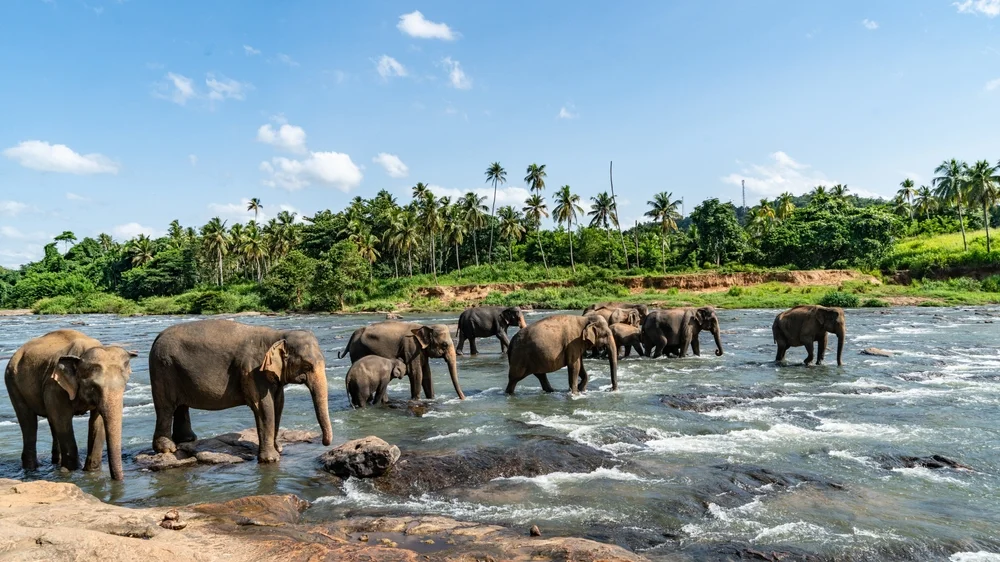
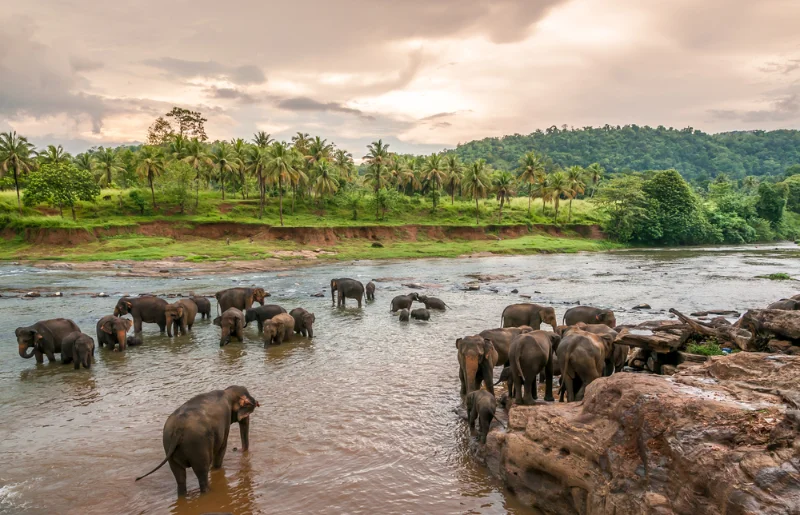
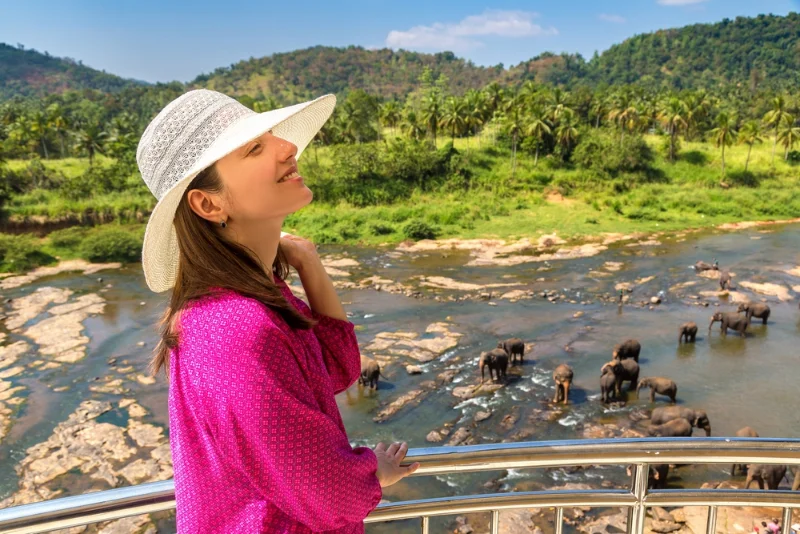
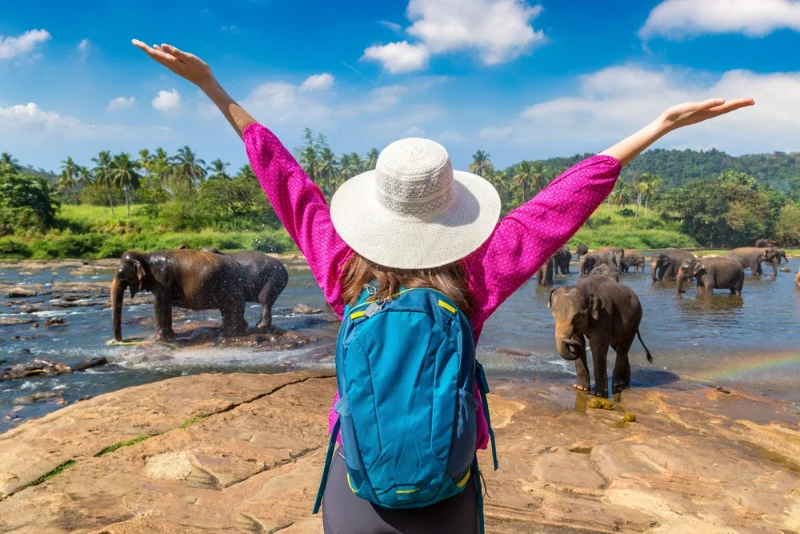
Pinnawala is world-famous for the Pinnawala Elephant Orphanage, home to one of the largest captive herds of Asian elephants anywhere on the planet, currently numbering close to 100 elephants across three generations. The sight of the entire herd being led to the Maha Oya River for their daily bath is one of Sri Lanka's most iconic and photographed spectacles. Beyond the orphanage, Pinnawala is known for its unspoiled rural Sri Lankan countryside, coconut plantations, and the gentle pace of village life along the riverbank.

Yes, for most travellers, especially families, wildlife enthusiasts, and first-time visitors to Sri Lanka, Pinnawala is a genuinely memorable experience. Watching a herd of nearly 100 elephants of all ages wade and splash in a river while mahouts stand watch is a sight unlike anything else in South Asia. However, it is worth noting that the orphanage is a highly commercialised attraction, entry fees for foreign visitors are significantly higher than local rates, and some conservation organisations have raised questions about its long-term welfare standards. Travellers should visit with this context in mind and opt for respectful, non-contact interactions.

The Pinnawala Elephant Orphanage (PEO) is an orphanage, nursery, and captive breeding ground for wild Asian elephants, located on a 25-acre coconut plantation adjoining the Maha Oya River. It was founded in 1975 by the Sri Lanka Department of Wildlife Conservation to rescue, nurse, and care for orphaned and injured baby elephants found wandering the forests of Sri Lanka. What began with just five baby elephants has grown into a programme caring for nearly 100 elephants. A captive breeding programme launched in 1982 has resulted in over 70 elephants being born at the facility. The orphanage was later taken over by the National Zoological Gardens and continues to operate as both a conservation facility and a major tourist attraction.

A visit of 3 to 4 hours is sufficient to see Pinnawala's highlights comfortably. This allows enough time to watch the morning bottle feeding of baby elephants (9:15 AM), observe the herd's river bathing session (10:00 AM to 12:00 noon), and explore the orphanage grounds at a relaxed pace. Travellers who wish to simply catch the river bath and then continue to Kandy can manage the visit in as little as 2 hours, making it a natural and efficient en-route stop.


Pinnawala can be visited year-round, as the orphanage is open daily from 8:30 AM to 5:30 PM regardless of the season. The most pleasant weather is between January and March during the dry season, when the conditions are cooler and ideal for spending extended time outdoors. The best time of day to visit is in the morning, arriving by 9:00 AM allows you to catch the 9:15 AM bottle feeding of calves followed by the 10:00 AM river bathing, which is the undisputed highlight of any visit.

Yes, Pinnawala is a very manageable day trip from Colombo. The drive from Colombo to Pinnawala takes approximately 2.5 to 3 hours (90 km) via the A1 highway. For the best experience, depart from Colombo by 6:30 AM to arrive by 9:00–9:15 AM in time for the morning feeding and 10:00 AM river bathing. After the visit, many travellers continue onward to Kandy for an afternoon tour and return to Colombo by evening, combining both destinations in a single full-day excursion.

Absolutely, Pinnawala is even more convenient as a day trip from Kandy, given the shorter distance of just 40 kilometres. The drive takes approximately 1.5 hours by car or taxi. Most Kandy-based hotels and guesthouses can arrange a half-day Pinnawala excursion, and many visitors combine it with the drive from Colombo to Kandy, stopping at Pinnawala along the way. It is one of the most popular excursions taken by visitors staying in Kandy.

The elephants are led from the orphanage to the Maha Oya River for bathing twice daily, from 10:00 AM to 12:00 noon and again from 2:00 PM to 4:00 PM. The morning bathing session is generally considered the better of the two, as the light is excellent for photography and the elephants tend to be more active and playful. Feeding sessions take place at 9:15 AM, 1:15 PM, and 5:00 PM, with the baby elephant bottle feeding at 9:15 AM being especially popular with visitors.

  • Watch the daily river bathing of the full herd, the most iconic activity at Pinnawala
  • Observe the bottle feeding of baby elephants at 9:15 AM and 1:15 PM
  • Feed elephants bananas under the guidance of a mahout
  • Walk through the orphanage grounds to observe elephants of all ages going about their daily routines
  • Watch the interaction between calves and adult elephants in the open grazing areas
  • Photograph from the riverside viewing area and the bridge overlooking the bathing spot
  • Explore the small craft and souvenir market in Pinnawala village near the orphanage entrance.

Yes, Pinnawala combines seamlessly with both Kandy and Nuwara Eliya in a single hill country itinerary. The classic approach is to travel from Colombo → Pinnawala (morning stop) → Kandy (afternoon and overnight), covering two of Sri Lanka's most visited destinations in a single day. From Kandy, the scenic highland train continues onward to Nanu Oya for Nuwara Eliya, and then further to Ella, making a Pinnawala → Kandy → Nuwara Eliya → Ella circuit one of the most popular and rewarding routes across the island.

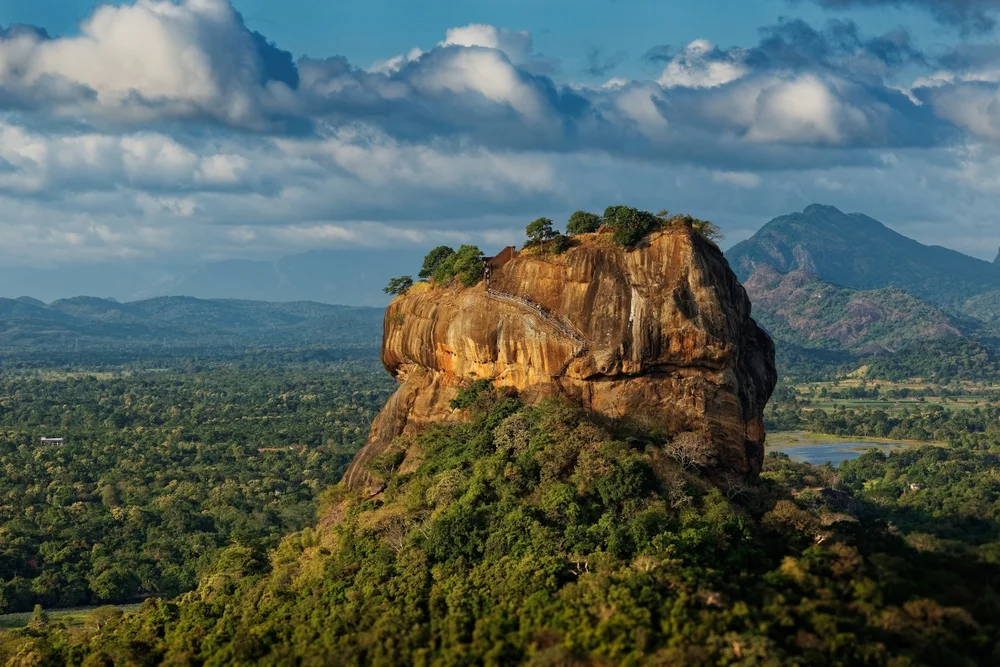
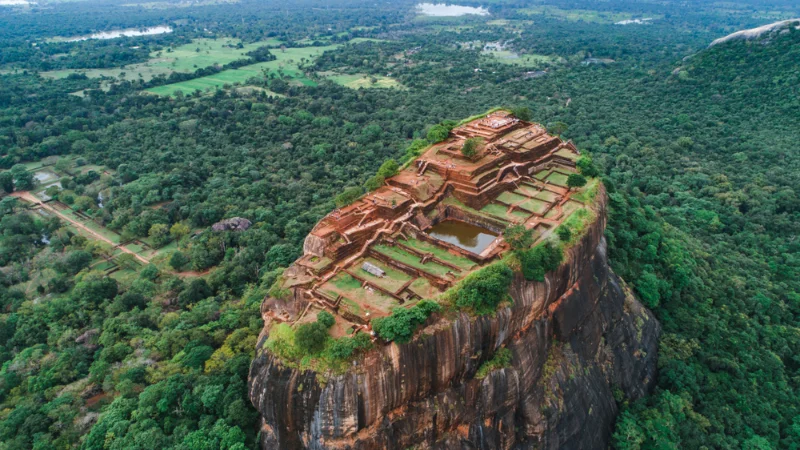
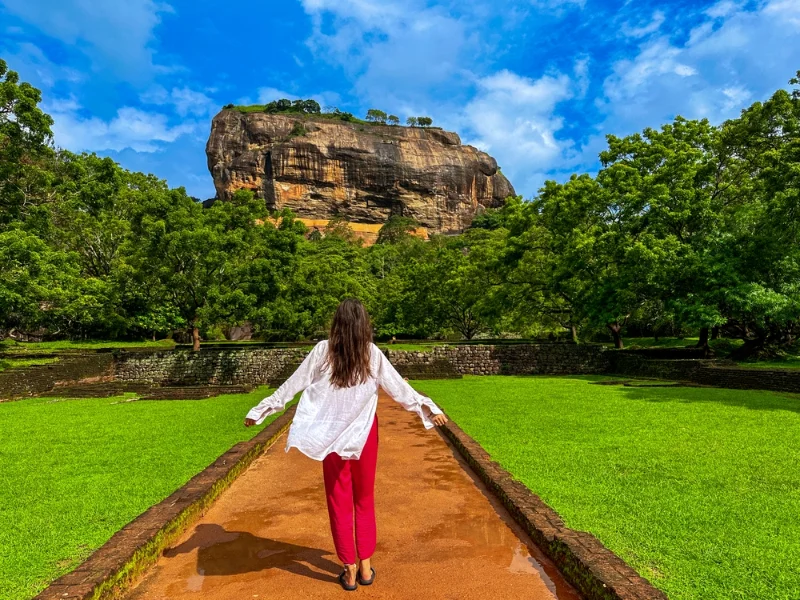
Sigiriya is world-famous for the Sigiriya Rock Fortress, an awe-inspiring 5th-century palace and citadel built atop a towering volcanic rock by King Kashyapa I, featuring ancient frescoes, sophisticated hydraulic gardens, the iconic Lion Gate, and panoramic views across the Central Province jungle canopy. Often called the "Eighth Wonder of the World" by admirers, the site is equally celebrated for its remarkably advanced water gardens, among the oldest landscaped gardens in the world, and for the colourful Sigiriya Damsels frescoes, a series of paintings of celestial maidens adorning the western rock face that have survived for over 1,500 years.

Absolutely, Sigiriya is one of the most extraordinary historical sites in all of Asia and an unmissable highlight of any Sri Lanka itinerary. The combination of its dramatic natural setting, architectural ingenuity, ancient artistry, and panoramic summit views makes it unlike anything else in South or Southeast Asia. The climb itself, through landscaped water gardens, past the famous frescoes, and through the colossal Lion's Paw Gateway, is as rewarding as the breathtaking view from the summit. Most visitors consistently describe it as the single most impressive site they visit in Sri Lanka.

The best time to visit Sigiriya is between January and April, when the weather is dry, clear, and ideal for the rock climb, with temperatures averaging 27°C to 33°C. Early morning visits, arriving by 7:00 AM, are strongly recommended, as the rock is cooler, less crowded, and the summit offers the finest light for photography before the midday heat sets in. The inter-monsoon months of July and August are also relatively dry and pleasant. The wettest period is October to November, when the northeast monsoon brings heavy rainfall, making the rock steps slippery and the climb more challenging.

1 to 2 days are sufficient for Sigiriya. A focused day-tripper can comfortably climb Sigiriya Rock, explore the water gardens, and visit the Sigiriya Museum in a single full day. Overnight visitors gain the significant advantage of an early morning climb before the day-trip crowds arrive, and a second day allows for a visit to Pidurangala Rock (a quieter neighbouring summit with the finest aerial view of Sigiriya Rock itself), the Dambulla Cave Temple (just 20 km away), and the nearby Minneriya or Kaudulla National Parks for elephant gathering safaris.

Sigiriya's extraordinary history begins in 477 AD, when Prince Kashyapa seized the throne from his father, King Dhatusena, and chose the towering rock outcrop as the site of his new royal capital, partly as a defensive measure against his brother Moggallana, who he feared would return from India to reclaim the throne. Over the next 18 years, Kashyapa transformed the rock into an astonishing palace citadel, complete with elaborately landscaped water gardens at the base, a series of vivid frescoes on the western cliff face, a polished mirror wall, and a summit palace accessed through a giant lion's paw gateway carved from brick. After Kashyapa's defeat and death in 495 AD, the site was converted into a Buddhist monastery, which continued until around the 14th century, after which it was gradually abandoned and reclaimed by the jungle until archaeological excavations began in the late 19th century.

The Sigiriya Rock climb is moderately challenging but accessible to most reasonably fit adults. The ascent involves a series of staircases, metal walkways bolted to the rock face, and steep sections with safety railings. The most physically demanding part is the final staircase to the summit, which is narrow, steep, and exposed to wind. The main psychological challenge is the open metal spiral staircase to the fresco viewing gallery, which can be daunting for those with a fear of heights. Children, elderly visitors, and those with serious mobility limitations may find sections difficult. The climb typically takes 45 minutes to 1 hour one way.


The full Sigiriya experience, entering the water gardens, ascending to the frescoes, continuing through the Lion Gate, and reaching the summit palace, takes approximately 2.5 to 3.5 hours in total, including rest stops and time for photography. The ascent alone takes around 45 minutes to 1 hour at a steady pace. Allow an additional 30 to 45 minutes for the descent. Visiting the on-site Sigiriya Museum before or after the climb adds another 30 to 45 minutes and is highly recommended for historical context.

Yes, Sigiriya was inscribed as a UNESCO World Heritage Site in 1982, recognised for its outstanding universal value as an exceptionally well-preserved example of 5th-century urban planning, rock art, and hydraulic engineering. UNESCO describes it as "an outstanding example of an ancient urban complex combining a religious monument with a palace." The site's ancient frescoes, mirror wall inscriptions, sophisticated water gardens, and summit palace ruins collectively represent one of the most significant and unique cultural monuments of the ancient world, and its designation was among the earliest UNESCO inscriptions in South Asia.

Yes, Sigiriya sits at the heart of Sri Lanka's celebrated Cultural Triangle, making it the ideal hub for combining multiple major attractions. Dambulla Cave Temple is just 20 kilometres south and is easily covered in a half-day trip from Sigiriya, together they form a natural one or two-day Cultural Triangle pairing. Kandy is approximately 90 kilometres southwest (1.5 to 2 hours), making it the most natural base city before or after visiting Sigiriya. Trincomalee is around 100 kilometres northeast (2 hours by road), making a Sigiriya - Trincomalee beach extension a popular and logical east coast add-on. A well-planned 7 to 10 day Cultural Triangle and Hill Country itinerary running Colombo - Dambulla - Sigiriya - Trincomalee - Kandy - Nuwara Eliya - Ella is one of the most beloved travel routes across Sri Lanka.

Yala National Park is most famous for having one of the highest densities of leopards in the world, making it the finest place on the planet to observe the elusive Sri Lankan leopard (Panthera pardus kotiya) in the wild. Beyond leopards, the park is celebrated for large herds of elephants, sloth bears, crocodiles, and over 215 bird species. It also holds deep historical significance, with ancient Buddhist ruins, restored rock temples, and hundreds of centuries-old irrigation tanks scattered across the park's interior.

Absolutely, Yala National Park is one of the most rewarding wildlife experiences in all of Asia and a near-essential part of any Sri Lanka itinerary. The density of wildlife, especially leopards and elephants, is extraordinary, and sightings of multiple species in a single morning safari are genuinely common. Even beyond the wildlife, the park's landscape, a dramatic blend of ocean-facing scrubland, lush watering holes, ancient ruins, and lagoons teeming with waterbirds, makes every safari drive a visually stunning experience.

The best time to visit Yala is between February and July, when water levels across the park are at their lowest, drawing animals, particularly leopards, elephants, and sloth bears, into open clearings around watering holes for easier sightings. February to April is widely considered the peak wildlife viewing period. The park typically closes from September to mid-October due to the dry season drought, when the ecosystem requires rest. The northeast monsoon from October to December brings heavy rainfall, though November and December can also offer lush, atmospheric park conditions.

2 days with 2 safari drives (one morning, one late afternoon) is the ideal minimum to experience Yala properly. A morning safari runs from approximately 5:30 AM to 10:00 AM, and an afternoon drive from 2:30 PM to 6:00 PM, the two periods of peak wildlife activity. Travellers with more time can plan 3 days, incorporating safaris in different zones and adding a visit to the ancient Sithulpawwa Rock Temple within the park. One-day safaris are possible but limit the diversity of sightings.

  • Sri Lankan Leopard: The park's most iconic resident and the main draw for visitors
  • Sri Lankan Elephant: Large herds are commonly spotted near watering holes and grasslands
  • Sloth Bear: Yala has a healthy population; sightings are frequent, especially in the dry season
  • Mugger Crocodile: Commonly seen basking along the banks of tanks and lagoons
  • Sambar Deer, Spotted Deer, Wild Boar, Abundant throughout Block 1
  • Peacocks and Grey Langur: Ubiquitous across all zones
  • Over 215 bird species: Including the painted stork, black-necked stork, crested serpent eagle, and Indian roller

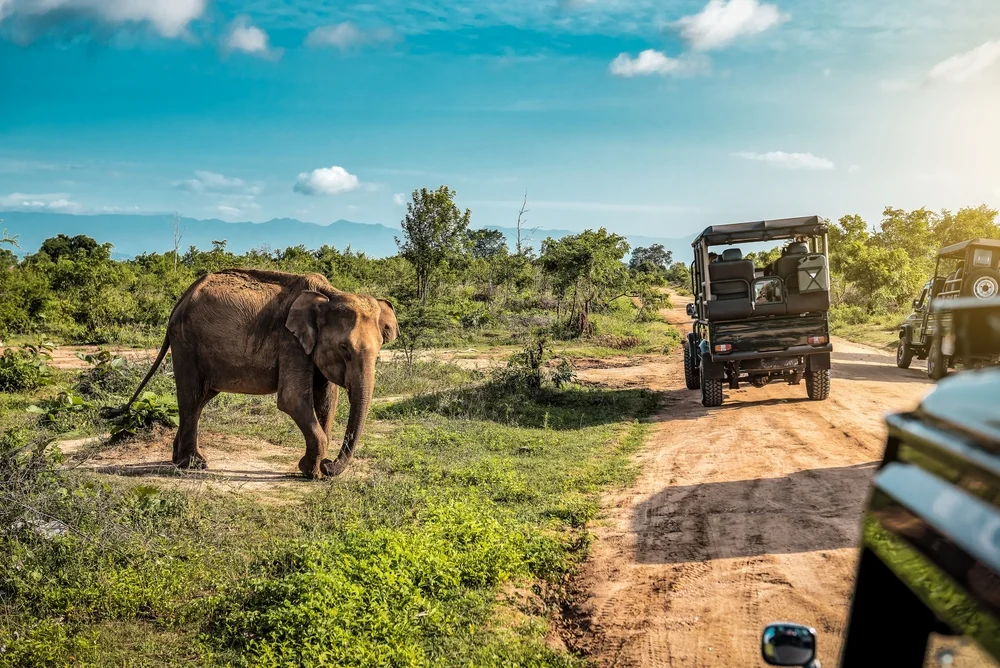
Yes, Yala is considered one of the best places in the world to spot leopards in the wild, with Block 1 alone estimated to be home to around 30 leopards. Due to the relatively open scrubland habitat of the park, leopards are often spotted resting on rocks, patrolling grassland edges, or dragging prey through low brush in plain view of safari jeeps. Leopard sighting rates at Yala are consistently high, many visitors report sightings on their very first drive, especially during the dry season months of February to June.

The best safari experience in Yala is a full-day jeep safari in Block 1, combining both the morning (5:30–10:00 AM) and afternoon (2:30–6:00 PM) drives for maximum wildlife exposure. Hiring a licensed naturalist-guide in addition to the standard driver significantly improves the quality of sightings and ecological context. For a more exclusive experience, Block 2 safaris, which require special permits and see far fewer jeeps, offer a quieter and often equally rewarding wildlife encounter. All safaris must be conducted in a licensed 4x4 jeep; personal vehicles are not permitted inside the park.

Yala is divided into five blocks, of which two are currently open to the public:
  • Block 1 (Palatupana): The most accessible and popular zone, home to the densest leopard population; entered via Palatupana Gate from Tissamaharama
  • Block 2: Larger, wilder, and far less visited; requires a special permit and offers a more secluded experience; entered via Katagamuwa Gate
  • Block 3, 4, and 5: Largely closed to tourists and managed as strict nature reserves, accessible only for research and special conservation purposes

  • Tissamaharama Town: Best for budget and mid-range travellers; wide selection of guesthouses and hotels with easy access to the park entrance
  • Kataragama: A quieter alternative base, also close to the park's northern gates
  • Park Boundary Safari Lodges: Premium options like Jetwing Yala, Cinnamon Wild Yala, and Wild Coast Tented Lodge offer luxury tented and resort accommodation directly adjacent to the park for an immersive experience.

Yes, Yala sits at the heart of Sri Lanka's southern travel circuit and pairs naturally with several popular destinations. Ella is just 2.5 to 3 hours northwest of Yala and is the most logical pre- or post-safari stop for hill country lovers. Mirissa, renowned for whale watching and beach relaxation, is approximately 2.5 to 3 hours west along the coast and makes for a beautiful, contrasting follow-up to a Yala safari. Galle is around 4 hours from Yala via the coastal highway. A classic southern Sri Lanka loop running Colombo - Galle - Mirissa - Yala - Ella - Kandy covers the finest of the island's landscapes in a well-balanced 10 to 12 day itinerary.