
A visit to
Trincomalee
About the place
Trincomalee, fondly called "Trinco", is a historic port city on the northeastern coast of Sri Lanka and the capital of the Eastern Province. Built on a bold peninsula that divides the inner and outer harbours, it is home to one of the world's finest and largest natural deep-water harbours. This diverse, multicultural city is a captivating blend of ancient Hindu...
How to reach Trincomalee
By Air
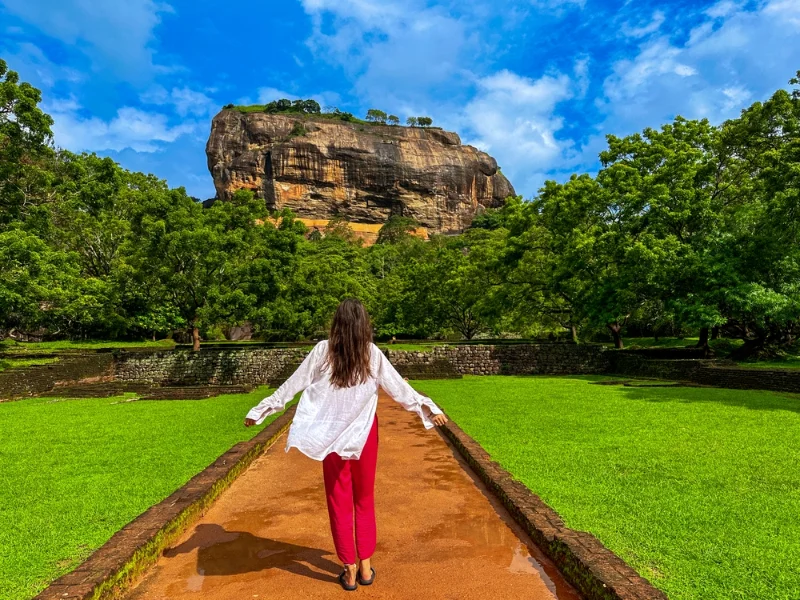
Trincomalee does not currently have a functioning commercial airport for scheduled passenger flights. The nearest international gateway is Bandaranaike International Airport (CMB) in Colombo, approximately 270 kilometres away. From Colombo airport, travellers can reach Trincomalee by private taxi or hired car in roughly 4.5 to 5.5 hours via the A6 highway through Dambulla and Habarana. Hiring a car from Colombo and stopping at Sigiriya or Dambulla Cave Temple en route is a popular and practical option for international visitors.
By Train
Trincomalee is served by its own railway station, Trincomalee Railway Station, on the Northern Line that connects to Colombo Fort via Gal Oya Junction. Direct trains from Colombo to Trincomalee operate daily, with the journey taking approximately 7 to 8 hours. The line passes through Polonnaruwa and Habarana, making it possible to combine a Trincomalee trip with a visit to the Cultural Triangle. Travellers coming from Kandy can connect at Habarana junction, while those arriving from the north via Vavuniya can also access Trincomalee on connecting services. Onward connections toward Batticaloa are available from the east coast line, making Trincomalee a viable hub for exploring the entire eastern seaboard of Sri Lanka.
By Road
Trincomalee is connected by road to all major Sri Lankan cities. From Colombo, the journey takes approximately 4.5 to 5.5 hours via the A6 highway. From Kandy, Trincomalee is around 3.5 to 4 hours by road through the scenic central highlands and Cultural Triangle. Intercity buses depart from Colombo's Central Bus Stand and Kandy's Goods Shed Bus Stand regularly. Private cars and taxis are widely available and offer the flexibility to stop at cultural and natural sites along the way, including Sigiriya Rock Fortress and Minneriya National Park.
Want the best Trincomalee package, handpicked just for you?
Share your travel needs and our travel experts will reach out to you.
Frequently Asked Questions for Trincomalee
- Koneswaram Temple (Thirukonamalai): A magnificent ancient Hindu temple perched on Swami Rock with sweeping ocean views
- Fort Frederick: A well-preserved Dutch colonial fortress at the tip of the Trincomalee peninsula
- Nilaveli Beach: One of Sri Lanka's most beautiful and pristine beaches, stretching for several kilometres north of the city
- Uppuveli Beach: A calmer, more accessible beach popular with long-stay visitors and divers
- Kanniya Hot Springs: Seven ancient wells of naturally warm mineral water with both spiritual and therapeutic significance
- Pigeon Island National Park: A small marine national park just offshore, home to vibrant coral reefs and blacktip reef sharks
- HMS Hermes Wreck: A British aircraft carrier sunk in 1942, now one of Asia's most celebrated dive sites
- Nilaveli Beach: Wide, white-sand, and lapped by crystal-clear water; the most celebrated beach in the region
- Uppuveli Beach: Calmer and closer to town, lined with guesthouses and seafood restaurants
- Marble Bay: A secluded, pristine cove accessible by boat, ideal for snorkelling and total seclusion
- Dutch Bay: A sheltered bay within the city area, quieter and popular with locals
- Kuchchaveli Beach: A remote stretch north of Nilaveli with almost no tourist infrastructure, perfect for solitude seekers
Absolutely, Pigeon Island is a highlight of any Trincomalee trip and one of Sri Lanka's two marine national parks. Located just a short boat ride from Nilaveli Beach, the park features remarkably clear waters, vibrant hard and soft coral gardens, and an impressive array of marine life including blacktip reef sharks, sea turtles, parrotfish, and over 300 species of reef fish. Snorkelling is the primary activity, though scuba diving is also available. The island itself is named after the rock pigeon colony that nests there. Entry requires a national park permit, and visiting with a licensed boat operator from Nilaveli is the standard and recommended approach.