A visit to

Sigiriya

About the place

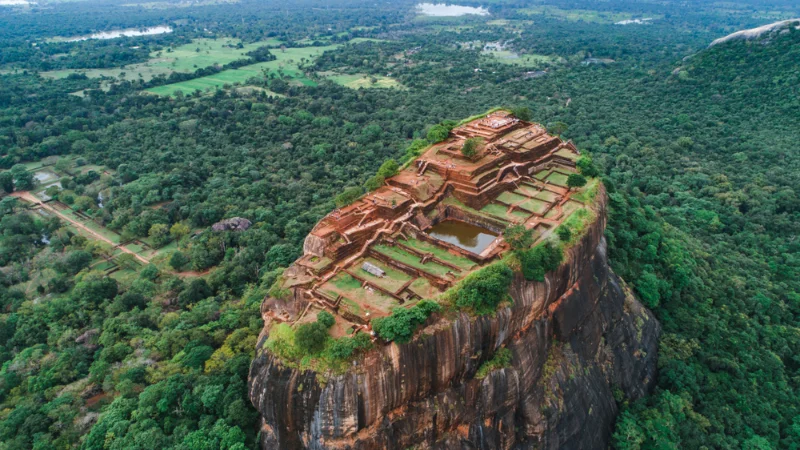
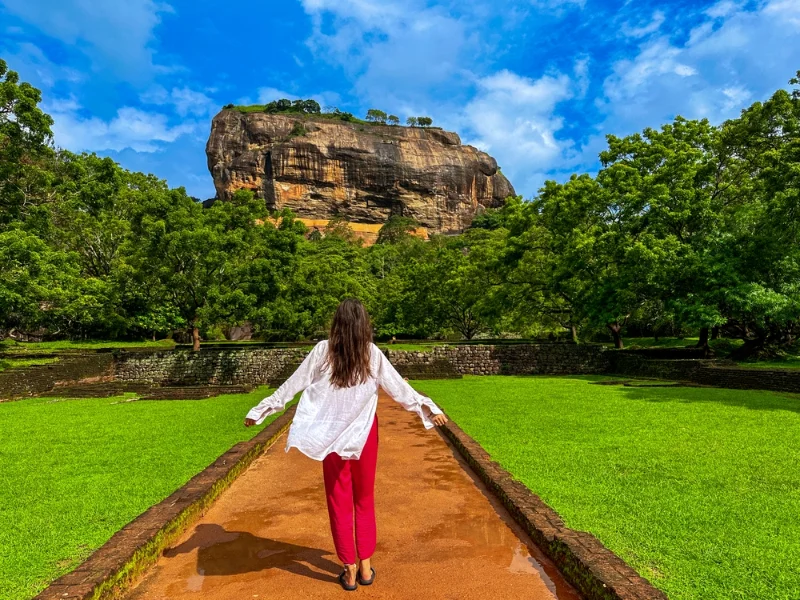
Sigiriya is a small but historically magnificent town in the Matale District of Sri Lanka's Central Province, situated approximately 170 kilometres northeast of Colombo in the heart of the island's Cultural Triangle. The town is dominated entirely by its extraordinary centrepiece, the Sigiriya Rock Fortress, a colossal volcanic rock column rising nearly 200 metres above the surrounding flat jungle, crowned...

How to reach Sigiriya

By Air

Sigiriya has no commercial airport. The nearest international gateway is Bandaranaike International Airport (CMB) in Colombo, approximately 175 kilometres away. From the airport, travellers can reach Sigiriya by private taxi or hired car in roughly 3 to 3.5 hours via the A9 highway through Kurunegala and Dambulla. Cinnamon Air also operates scenic domestic flights to Sigiriya Airstrip directly, cutting travel time to approximately 30 minutes from Colombo, a premium option for those seeking speed and spectacular aerial views of the rock on approach.

By Train

There is no direct train to Sigiriya. The nearest railway stations are Habarana (approximately 20 kilometres away) and Inamaluwa Junction (about 10 kilometres away), both on the Colombo–Trincomalee Main Line that connects Colombo Fort northward through Polgahawela, Kurunegala, Maho, and Gal Oya to Trincomalee. Trains from Colombo to Habarana take approximately 3.5 to 4 hours. From Habarana or Inamaluwa, a short tuk-tuk or taxi ride of 15 to 20 minutes brings visitors directly to the Sigiriya Rock entrance. This rail route also connects travellers arriving from Kandy via a road transfer to Habarana (about 1.5 hours), making train-plus-taxi a popular and budget-friendly combination.

By Road

The road is the most popular and flexible way to reach Sigiriya. From Colombo, the drive takes approximately 3 to 3.5 hours (170 km) via the A1 Kandy Road and then the A9 through Dambulla. From Kandy, Sigiriya is around 1.5 to 2 hours by road (90 km), making it the most common day-trip or overnight excursion from the hill capital. From Trincomalee, Sigiriya is approximately 2 hours south via Habarana. Intercity buses from Colombo to Dambulla or Habarana run regularly, from where local buses and tuk-tuks provide onward access to Sigiriya. Private cars and organised tours offer the most comfort and flexibility.

Want the best Sigiriya package, handpicked just for you?

Share your travel needs and our travel experts will reach out to you.

Related itineraries
Frequently Asked Questions for Sigiriya

Sigiriya is world-famous for the Sigiriya Rock Fortress, an awe-inspiring 5th-century palace and citadel built atop a towering volcanic rock by King Kashyapa I, featuring ancient frescoes, sophisticated hydraulic gardens, the iconic Lion Gate, and panoramic views across the Central Province jungle canopy. Often called the "Eighth Wonder of the World" by admirers, the site is equally celebrated for its remarkably advanced water gardens, among the oldest landscaped gardens in the world, and for the colourful Sigiriya Damsels frescoes, a series of paintings of celestial maidens adorning the western rock face that have survived for over 1,500 years.

Absolutely, Sigiriya is one of the most extraordinary historical sites in all of Asia and an unmissable highlight of any Sri Lanka itinerary. The combination of its dramatic natural setting, architectural ingenuity, ancient artistry, and panoramic summit views makes it unlike anything else in South or Southeast Asia. The climb itself, through landscaped water gardens, past the famous frescoes, and through the colossal Lion's Paw Gateway, is as rewarding as the breathtaking view from the summit. Most visitors consistently describe it as the single most impressive site they visit in Sri Lanka.

The best time to visit Sigiriya is between January and April, when the weather is dry, clear, and ideal for the rock climb, with temperatures averaging 27°C to 33°C. Early morning visits, arriving by 7:00 AM, are strongly recommended, as the rock is cooler, less crowded, and the summit offers the finest light for photography before the midday heat sets in. The inter-monsoon months of July and August are also relatively dry and pleasant. The wettest period is October to November, when the northeast monsoon brings heavy rainfall, making the rock steps slippery and the climb more challenging.

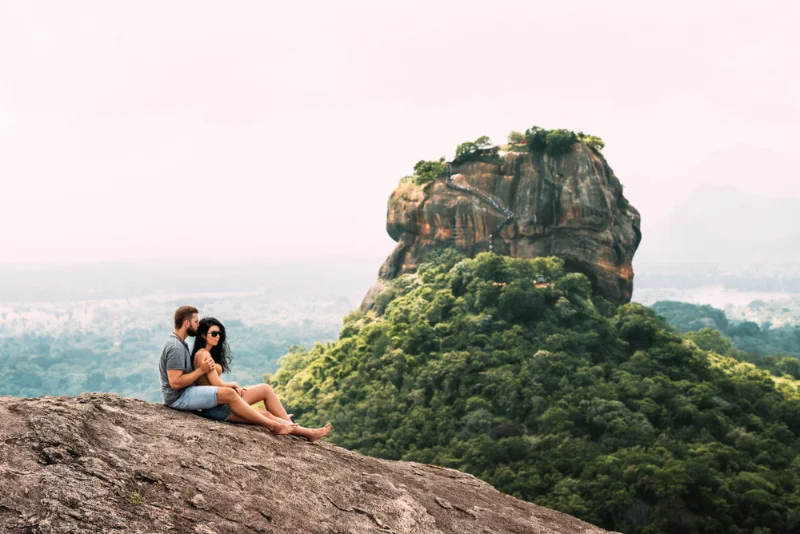
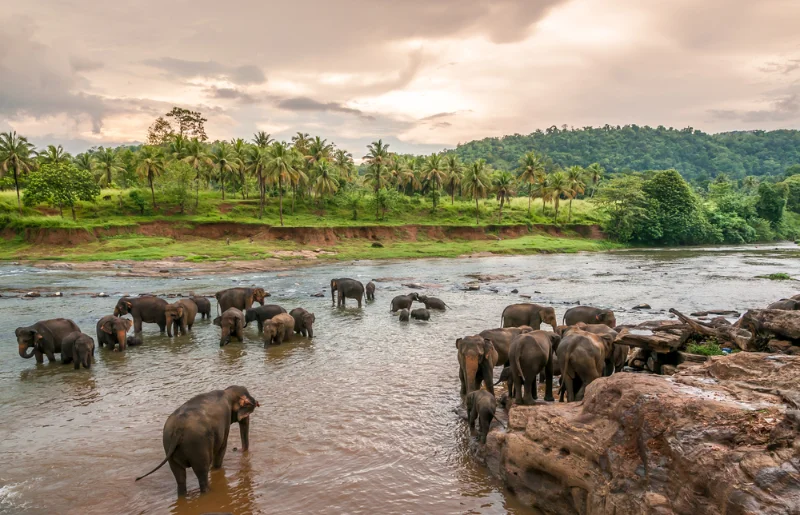
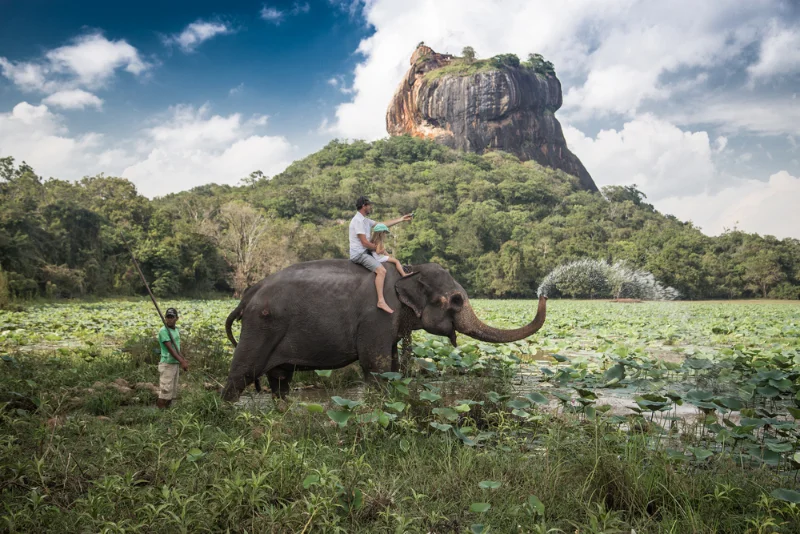
1 to 2 days are sufficient for Sigiriya. A focused day-tripper can comfortably climb Sigiriya Rock, explore the water gardens, and visit the Sigiriya Museum in a single full day. Overnight visitors gain the significant advantage of an early morning climb before the day-trip crowds arrive, and a second day allows for a visit to Pidurangala Rock (a quieter neighbouring summit with the finest aerial view of Sigiriya Rock itself), the Dambulla Cave Temple (just 20 km away), and the nearby Minneriya or Kaudulla National Parks for elephant gathering safaris.

Sigiriya's extraordinary history begins in 477 AD, when Prince Kashyapa seized the throne from his father, King Dhatusena, and chose the towering rock outcrop as the site of his new royal capital, partly as a defensive measure against his brother Moggallana, who he feared would return from India to reclaim the throne. Over the next 18 years, Kashyapa transformed the rock into an astonishing palace citadel, complete with elaborately landscaped water gardens at the base, a series of vivid frescoes on the western cliff face, a polished mirror wall, and a summit palace accessed through a giant lion's paw gateway carved from brick. After Kashyapa's defeat and death in 495 AD, the site was converted into a Buddhist monastery, which continued until around the 14th century, after which it was gradually abandoned and reclaimed by the jungle until archaeological excavations began in the late 19th century.

The Sigiriya Rock climb is moderately challenging but accessible to most reasonably fit adults. The ascent involves a series of staircases, metal walkways bolted to the rock face, and steep sections with safety railings. The most physically demanding part is the final staircase to the summit, which is narrow, steep, and exposed to wind. The main psychological challenge is the open metal spiral staircase to the fresco viewing gallery, which can be daunting for those with a fear of heights. Children, elderly visitors, and those with serious mobility limitations may find sections difficult. The climb typically takes 45 minutes to 1 hour one way.


The full Sigiriya experience, entering the water gardens, ascending to the frescoes, continuing through the Lion Gate, and reaching the summit palace, takes approximately 2.5 to 3.5 hours in total, including rest stops and time for photography. The ascent alone takes around 45 minutes to 1 hour at a steady pace. Allow an additional 30 to 45 minutes for the descent. Visiting the on-site Sigiriya Museum before or after the climb adds another 30 to 45 minutes and is highly recommended for historical context.

Yes, Sigiriya was inscribed as a UNESCO World Heritage Site in 1982, recognised for its outstanding universal value as an exceptionally well-preserved example of 5th-century urban planning, rock art, and hydraulic engineering. UNESCO describes it as "an outstanding example of an ancient urban complex combining a religious monument with a palace." The site's ancient frescoes, mirror wall inscriptions, sophisticated water gardens, and summit palace ruins collectively represent one of the most significant and unique cultural monuments of the ancient world, and its designation was among the earliest UNESCO inscriptions in South Asia.

Yes, Sigiriya sits at the heart of Sri Lanka's celebrated Cultural Triangle, making it the ideal hub for combining multiple major attractions. Dambulla Cave Temple is just 20 kilometres south and is easily covered in a half-day trip from Sigiriya, together they form a natural one or two-day Cultural Triangle pairing. Kandy is approximately 90 kilometres southwest (1.5 to 2 hours), making it the most natural base city before or after visiting Sigiriya. Trincomalee is around 100 kilometres northeast (2 hours by road), making a Sigiriya - Trincomalee beach extension a popular and logical east coast add-on. A well-planned 7 to 10 day Cultural Triangle and Hill Country itinerary running Colombo - Dambulla - Sigiriya - Trincomalee - Kandy - Nuwara Eliya - Ella is one of the most beloved travel routes across Sri Lanka.