
A visit to
Kandy
About the place
Kandy is Sri Lanka's second-largest city and the cultural capital of the island, nestled amidst misty hills in the central highlands at an elevation of approximately 500 metres above sea level. As the last royal capital of the ancient kings of Sri Lanka, Kandy carries a deep spiritual and historical significance that sets it apart from the country's coastal cities....
How to reach Kandy
By Air
Kandy does not have its own airport. The nearest international gateway is Bandaranaike International Airport (CMB) in Katunayake, Colombo, approximately 120 kilometres away. From the airport, travellers can reach Kandy by private taxi in around 2.5 to 3 hours via the A1 highway or the Colombo–Kandy Expressway. Helicopter transfers are also available for those seeking a premium, time-saving option.
By Train
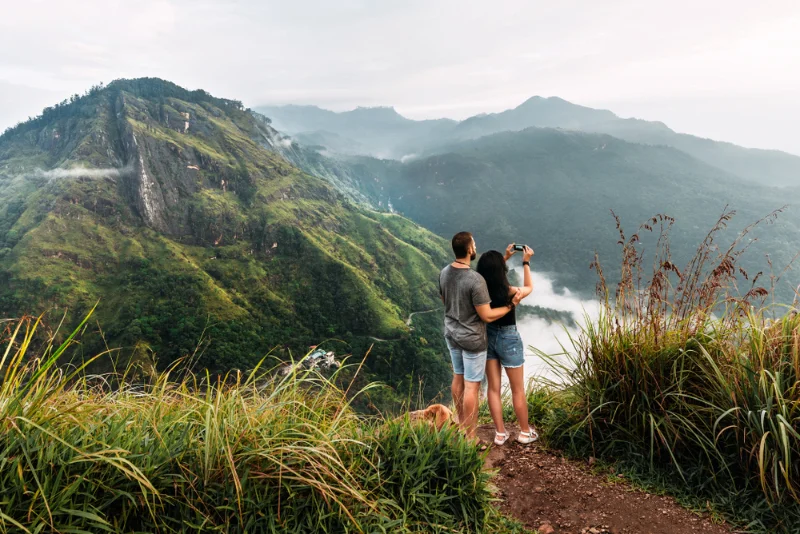
The train is the most popular and atmospheric way to reach Kandy. Direct trains depart from Colombo Fort Railway Station several times daily, with the journey taking approximately 2.5 to 3 hours. The rail line passes through rolling green hills, rubber plantations, and small villages, making it a scenic ride in its own right. Kandy is also connected onward by the iconic Kandy–Ella highland rail line, which continues through Peradeniya, Hatton (for Adam's Peak), Nanu Oya (for Nuwara Eliya), Haputale, and Ella, widely regarded as one of the most breathtaking train journeys in all of Asia. Train tickets, especially observation-car seats on the Ella route, are in high demand and should be booked well in advance through the Sri Lanka Railways website.
By Road
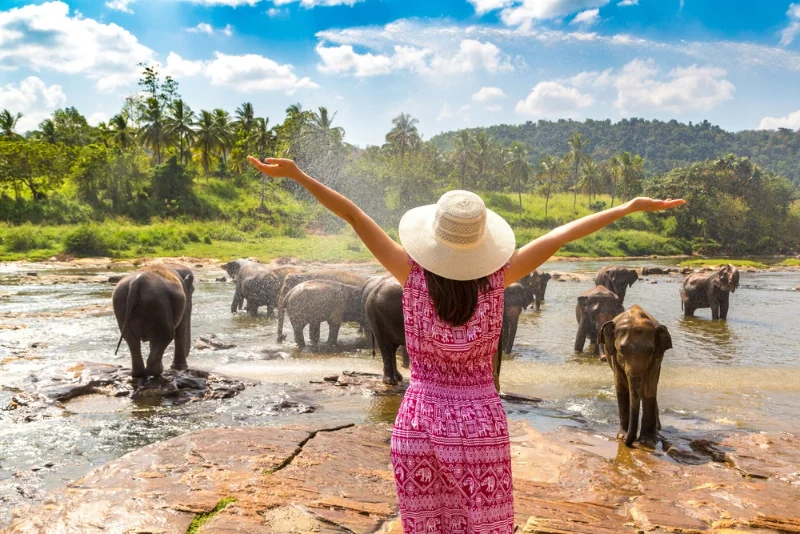
Kandy is easily accessible from Colombo by the A1 Kandy Road or via the E01/E03 Expressway, with travel time ranging from 2 to 3 hours depending on traffic. Regular air-conditioned intercity buses and private coaches depart from the Colombo Bastian Mawatha Bus Stand throughout the day. Private car hires and taxis are widely available from Colombo, Galle, and Negombo, and offer the flexibility of stopping at attractions like the Pinnawala Elephant Orphanage en route.
Want the best Kandy package, handpicked just for you?
Share your travel needs and our travel experts will reach out to you.
Related itineraries
Frequently Asked Questions for Kandy
- Kandy Town Centre: Best for first-time visitors; walkable to the temple, lake, and markets
- Kandy Hills / Upper Hillside: Ideal for boutique guesthouses and hotels with panoramic valley views
- Peradeniya: Quieter area near the Botanical Gardens, suited to nature lovers
- Bahirawakanda / Ampitiya Road: Popular with travellers seeking peaceful, scenic guesthouses away from city noise
- Digana: A rural suburb near the Victoria Reservoir, perfect for eco-stays and hillside retreats.
- Temple of the Tooth Relic (Sri Dalada Maligawa): The most sacred Buddhist site in Sri Lanka
- Royal Botanical Gardens, Peradeniya: A magnificent 147-acre garden with over 4,000 plant species
- Kandy Lake (Bogambara Lake): A serene artificial lake at the heart of the city built by the last Kandyan king
- Udawattakele Forest Reserve: A lush jungle sanctuary within the city limits, ideal for birdwatching
- Bahiravokanda Vihara Buddha Statue: A towering 27-metre white Buddha overlooking the city
- Lankathilaka Vihara: A majestic 14th-century cliff-top temple on the outskirts of Kandy
- Attend an evening Kandyan cultural dance performance, showcasing traditional fire, whip, and mask dances
- Walk the perimeter of Kandy Lake at sunrise or sunset for tranquil views
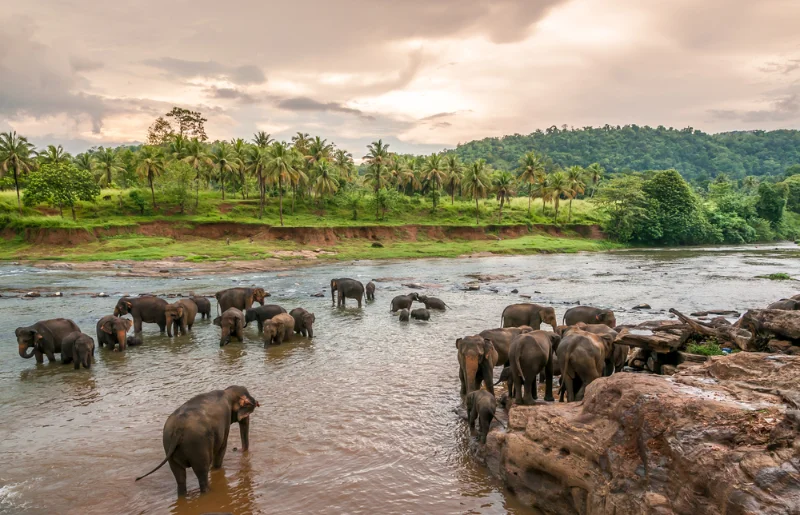
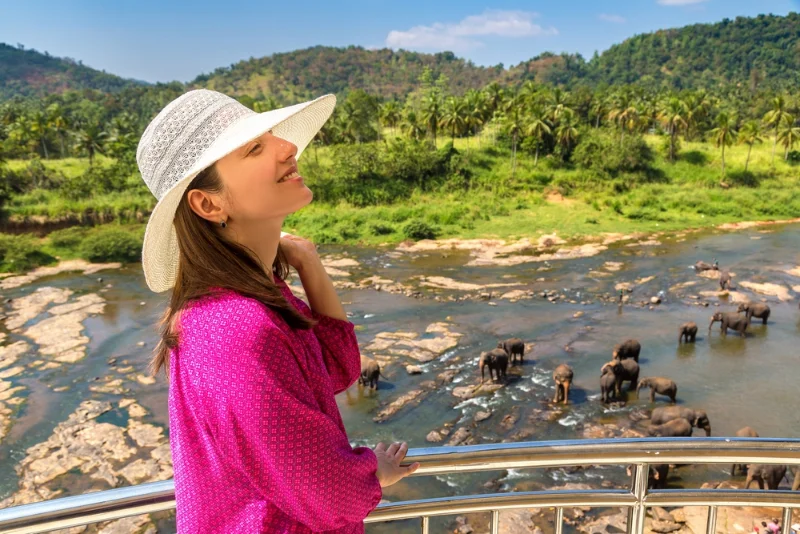
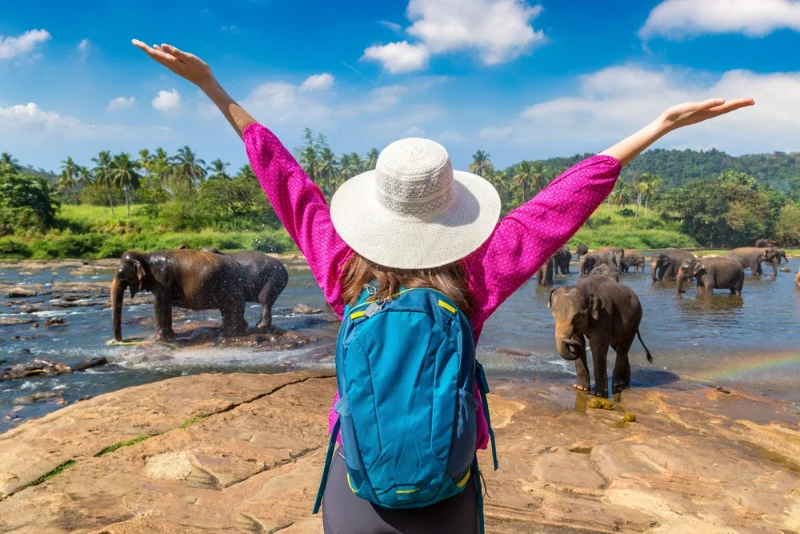
- Visit the Pinnawala Elephant Orphanage, about 40 km away, to see rescued elephants up close
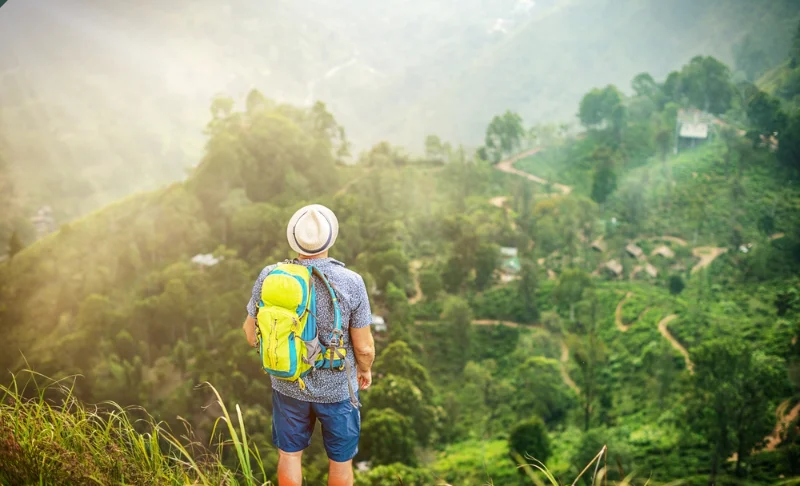
- Explore a working tea factory and estate in the surrounding highlands
- Browse the Kandy City Market for spices, gems, batik textiles, and local street food
- Attend a puja (offering ceremony) at the Temple of the Tooth in the early morning or evening
- Kandy City Centre Mall: The city's main modern shopping complex for fashion, electronics, and dining
- Kandy Market (Central Market): A bustling covered market for spices, produce, and everyday goods
- Lakeside Antique Shops: Clustered around Kandy Lake, offering Ceylon gemstones, antiques, and handicrafts
- Pedlar Street / Dalada Veediya: The main commercial strip lined with batik shops, gem stores, and souvenir stalls
- The Cultural Triangle Craft Shops: Near the Temple of the Tooth, selling traditional Kandyan crafts and wood carvings.