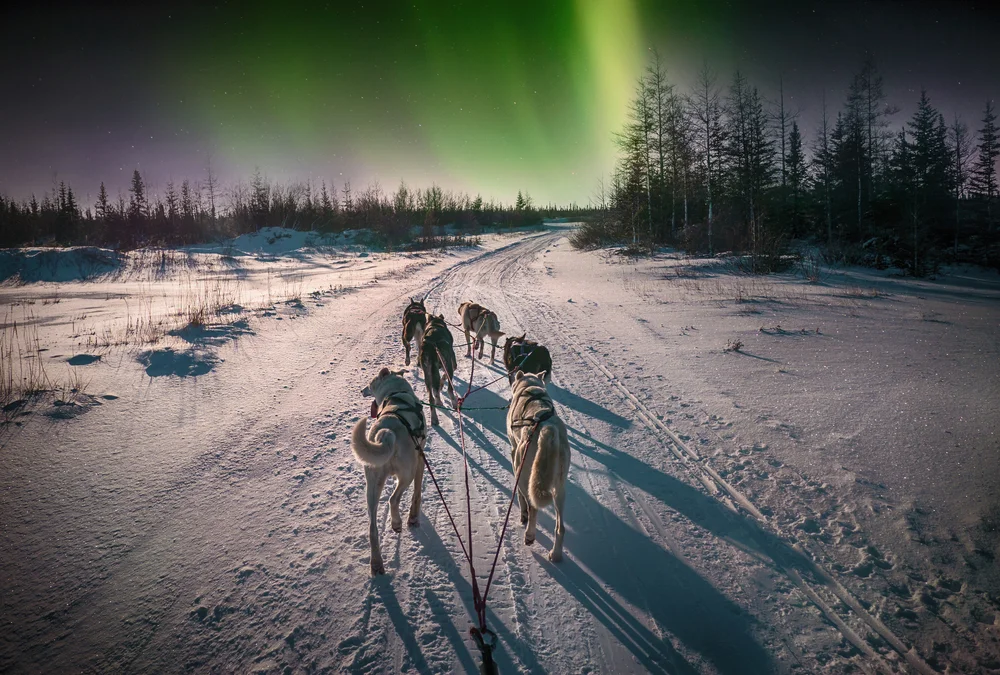
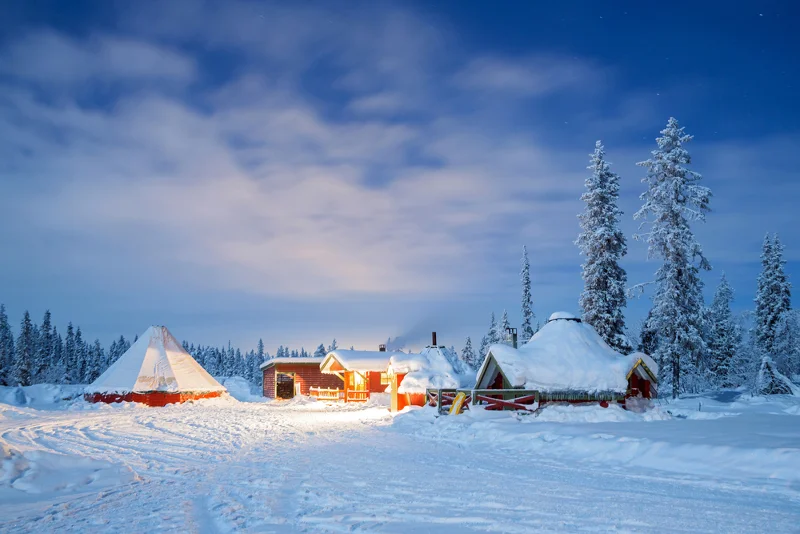
Sweden in November offers cultural city breaks, the start of Christmas festivities and Northern Lights opportunities in the far north. However, it is not a guaranteed snow-covered holiday nationwide. Stockholm and Gothenburg can experience rain, frost and occasional snow, while Kiruna and other northern destinations are considerably colder. Plan around the region and your preferred activities rather than expecting the same conditions everywhere.
Allow five to seven days for Stockholm and Gothenburg, or seven to ten days if adding Kiruna, Abisko or Jukkasjärvi. For a Northern Lights-focused holiday, spending several nights in one northern base provides more flexibility than changing accommodation daily.
As an indicative planning budget, allow approximately INR 7600–11,500 per person daily for hostel-based travel, simple meals and public transport, or INR 14,000–24,000 for a comfortable mid-range trip. These are working estimates rather than package quotes and exclude international flights and substantial intercity transfers. Arctic accommodation, private tours and snow activities can increase costs significantly.
November highlights include Stockholm International Film Festival from 11–22 November, Christmas at Liseberg from 14 November and Skansen’s Christmas market from 27 November. In Jukkasjärvi, ICEHOTEL 365 remains available, but the separately rebuilt seasonal ice hotel is not a November attraction.
Planning your November vacations to Sweden, checkout & grab the best deals on Sweden tours today!
Weather in Sweden in November
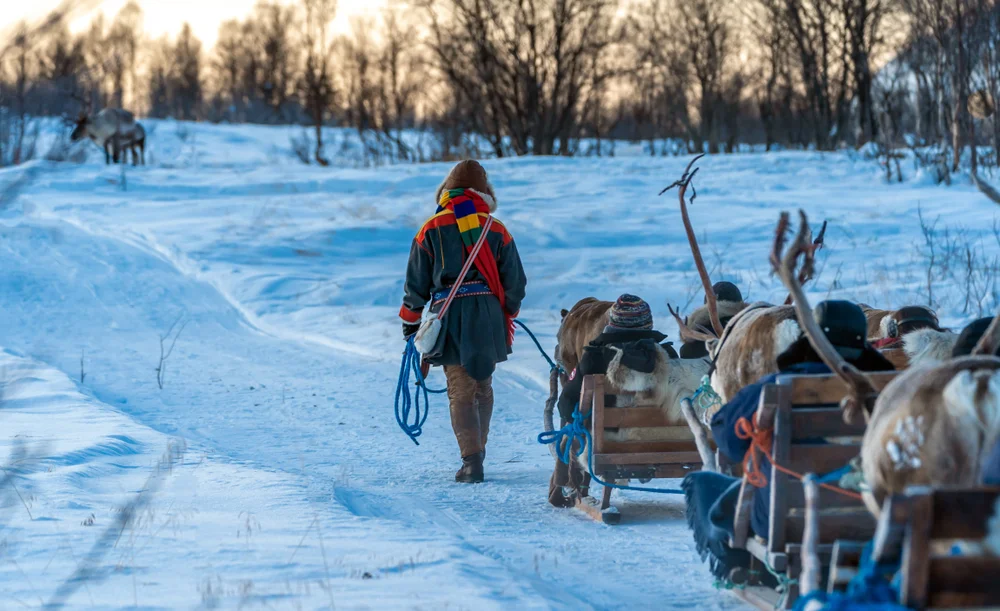
November is generally cold, with short days and substantial regional differences. Southern cities offer a mixture of late-autumn and early-winter conditions, while northern Sweden can already feel distinctly wintry. Keep outdoor plans flexible and include indoor alternatives.
Temperatures:
Stockholm’s published November averages are approximately 6°C during the day and 1°C at night. Kiruna is much colder, averaging around −2°C by day and −10°C at night. These are climate averages, not a forecast for November 2026, and cold spells can bring lower temperatures.
Rainfall and Snowfall:
Stockholm receives approximately 42 mm of November precipitation, which can fall as rain, sleet or snow. Kiruna’s published average is around 24 mm, including the water equivalent of snowfall. Neither figure indicates how much snow will remain on the ground.
Snow is more likely to persist in the north, but early coverage does not automatically mean that sledding routes, ski slopes or snowmobile trails are ready.
Snow is more likely to persist in the north, but early coverage does not automatically mean that sledding routes, ski slopes or snowmobile trails are ready.
Humidity:
Relative humidity is high in November: published averages are approximately 87% in Stockholm and 90% in Kiruna. In practical terms, damp clothing and wind can make sightseeing uncomfortable, so prioritise waterproof outerwear and dry footwear rather than focusing on humidity alone.
Daylight:
Daylight decreases throughout November, with a greater reduction in northern Sweden. Schedule outdoor activities for the available light and check sunrise and sunset for your exact destination and dates. Cloudy conditions can make the day feel darker without changing the actual length of daylight.
What to Wear in Sweden in November?
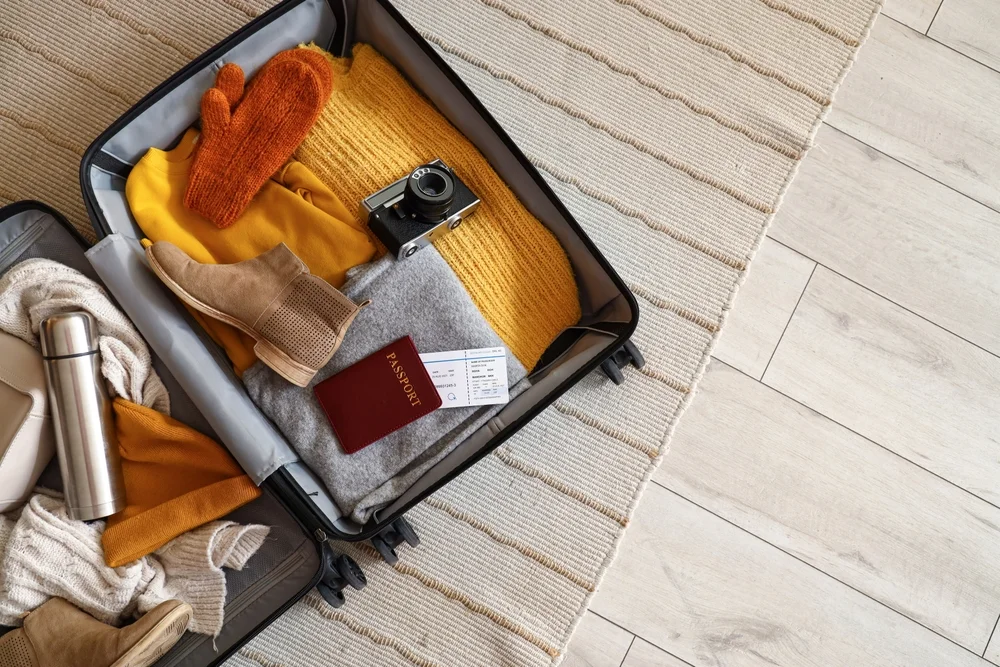
Warm Layers
- Thermal or long-sleeved base layers.
- Wool or fleece sweaters.
- An insulated jacket appropriate to your destination.
- Warm trousers for longer outdoor outings.
- Comfortable lighter clothing for heated interiors.
Rain and Wind Protection
- A waterproof, windproof outer layer.
- Waterproof trousers for exposed excursions.
- A protective cover for your daypack.
- Spare socks and clothing for wet days.
Footwear and Accessories
- Waterproof boots with reliable grip.
- Wool socks.
- Insulated gloves or mittens.
- A warm hat and neck covering.
- Traction aids if local pavement conditions require them.
Northern Sweden Essentials
- Additional insulation for standing outdoors during aurora viewing.
- A headtorch.
- Reflective accessories for dark roads and paths.
- A power bank.
- Any specialist equipment specified by your excursion operator.
Reasons to Visit Sweden in November
Northern Lights Opportunities
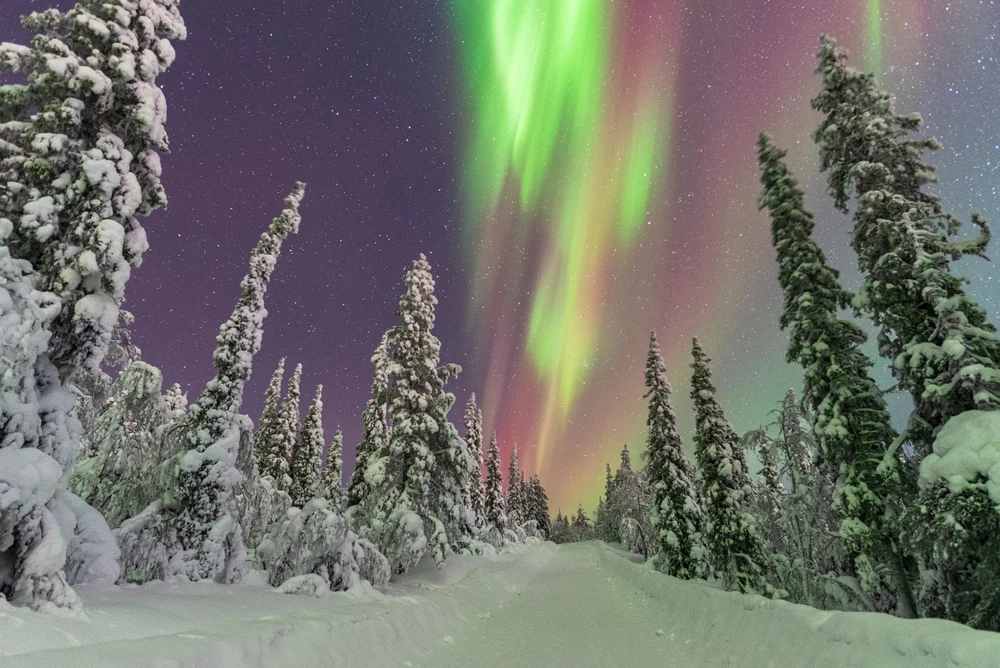
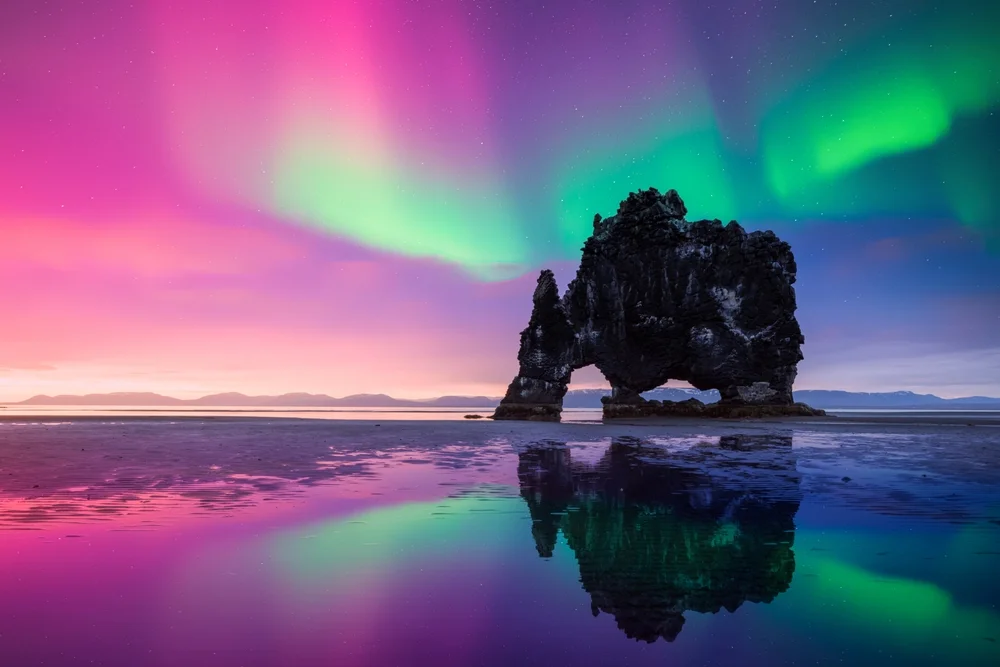
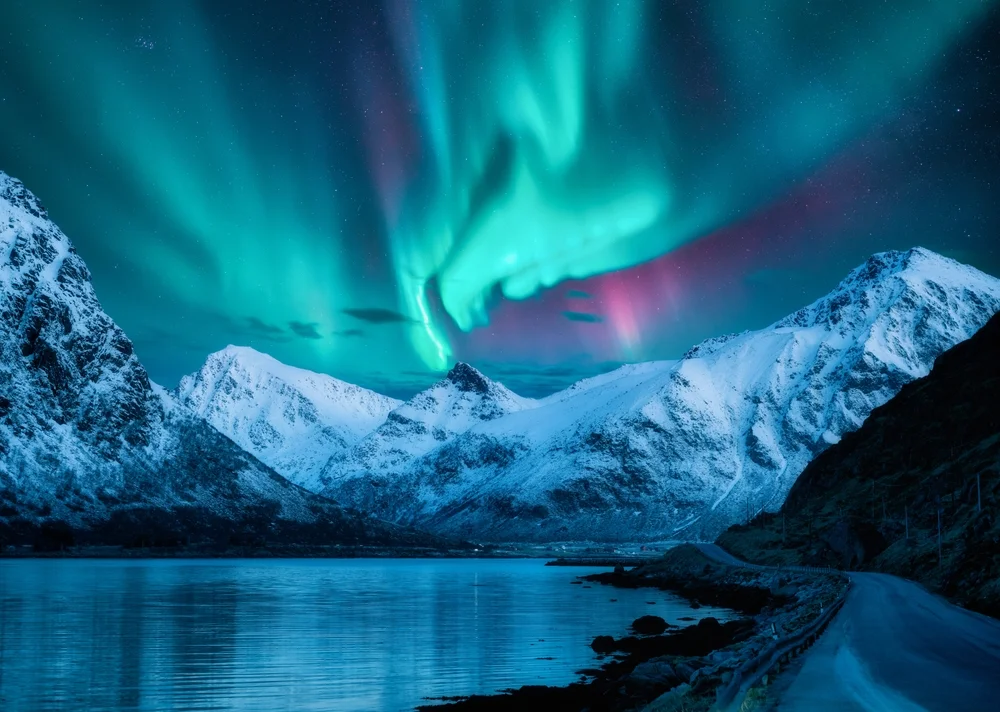
November falls within the northern aurora season. Kiruna and Abisko are relevant bases, but visibility depends on darkness, cloud cover and solar activity. Do not interpret a destination’s reputation for clear skies as a guarantee of nightly sightings.
Christmas Markets and Seasonal Events
Selected Christmas markets and attractions open during November, especially in the second half of the month. These add evening activities to city itineraries, but exact opening dates matter: an early-November visitor will not encounter the same programme as someone travelling during the final weekend.
Strong Indoor Sightseeing
Stockholm’s museums provide substantial experiences regardless of snowfall. Vasa, the Royal Palace and ABBA The Museum can anchor a short city break, with outdoor walks added according to the weather.
A Year-Round Ice Experience
ICEHOTEL 365 allows visitors to experience ice art and cold accommodation before the seasonal hotel opens. This distinction makes Jukkasjärvi relevant in November without incorrectly promising access to the newly rebuilt winter hotel.
Flexible City-and-North Itineraries
A few days in Stockholm can be combined with a longer northern stay, balancing cultural attractions with weather-dependent excursions. Avoid trying to fit too many destinations into a short trip, particularly when transport and outdoor activities need flexibility.
Festivals and Events in Sweden in November
1. Stockholm International Film Festival:
Stockholm International Film Festival presents international cinema across participating venues. It is a strong addition for visitors interested in screenings, film discussions and discovering new directors. Choose specific films and venues before booking rather than treating the festival as one attraction with a single entry time.
Location: Participating cinemas and venues across Stockholm.
Dates: 11–22 November 2026.
Timings: Screening-specific.
Entry fee: Varies by screening and pass. Check the official booking programme for current prices and any membership requirements.
Location: Participating cinemas and venues across Stockholm.
Dates: 11–22 November 2026.
Timings: Screening-specific.
Entry fee: Varies by screening and pass. Check the official booking programme for current prices and any membership requirements.
2. Christmas at Liseberg:
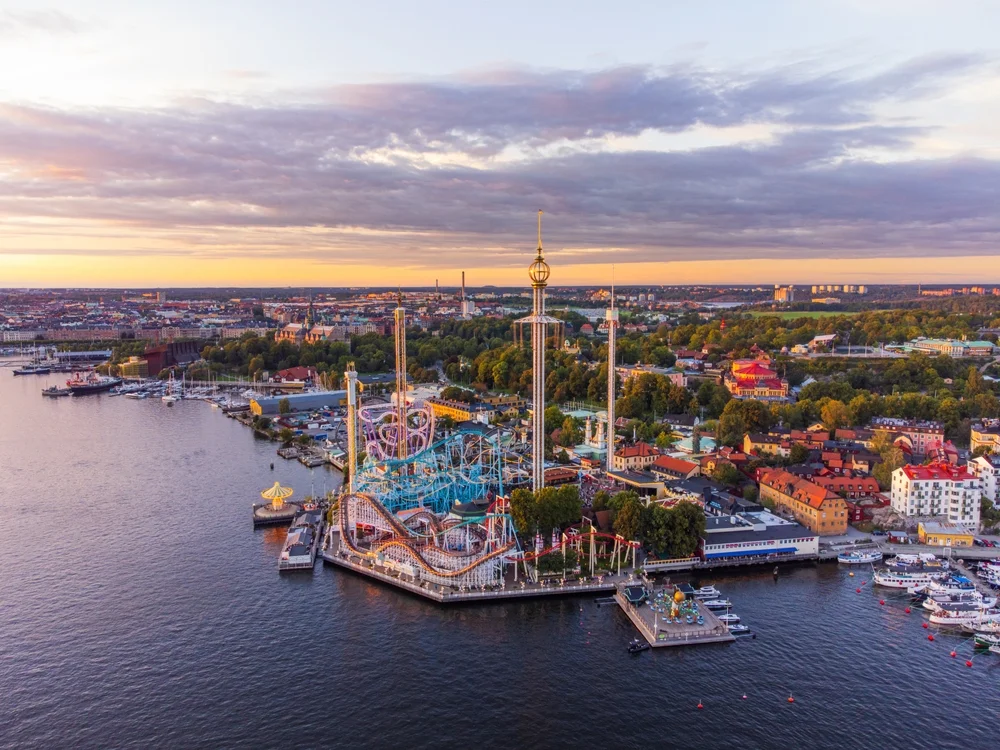
Liseberg’s Christmas season combines market stalls, lights, food and selected attractions. Visitors can explore several themed market areas, including a Tyrolean market and Santa’s Village. Park admission, rides and other experiences may require different ticket products, so compare inclusions carefully.
Location: Liseberg, Gothenburg.
Dates: Opens 14 November 2026; selected operating dates continue until 30 December.
Timings: Opening day is listed as noon–10 pm. Check the date-specific calendar for other visits.
Entry fee: Date- and package-dependent; confirm the current admission and ride options before booking.
3. Stortorget Christmas Market:
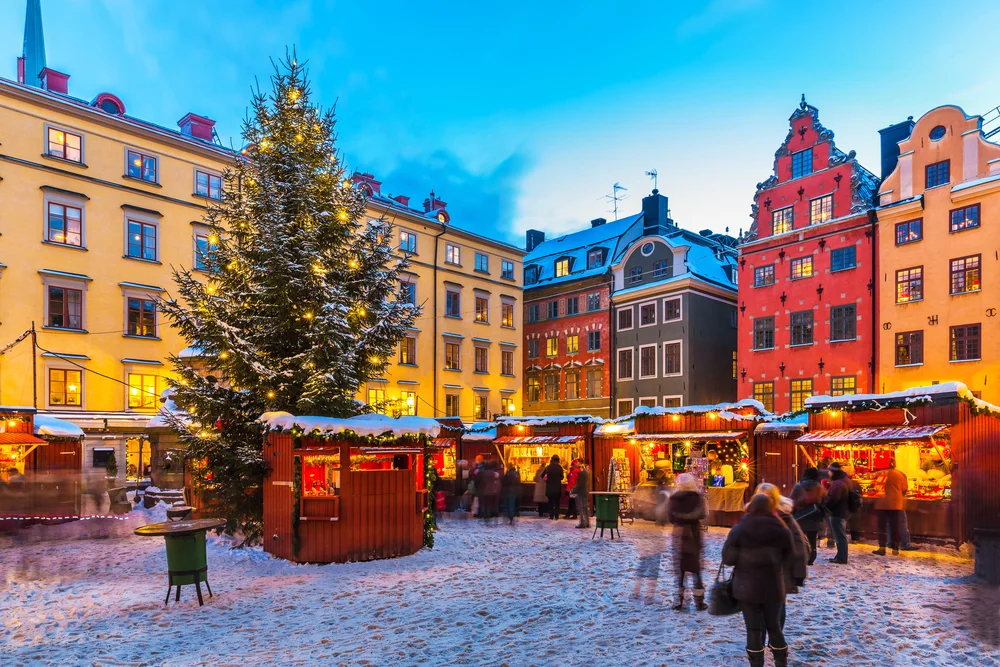
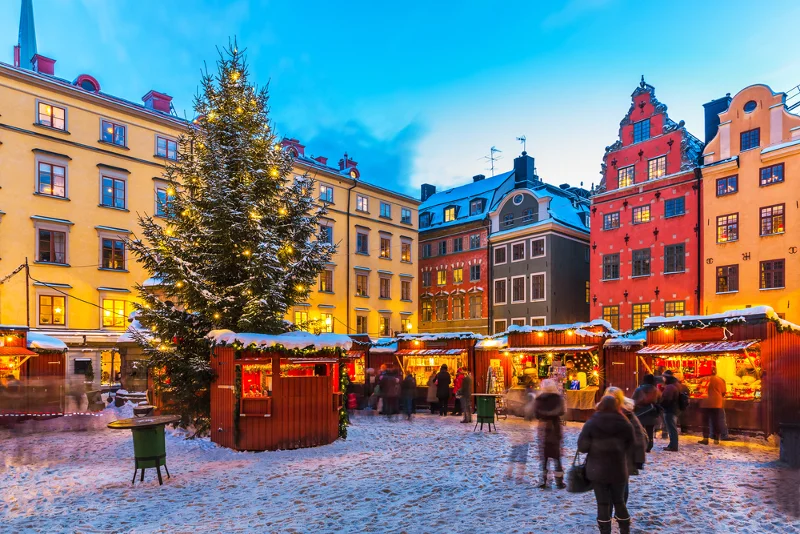
Stortorget’s Christmas market brings seasonal food, crafts and gifts to Stockholm’s Old Town. It is easy to combine with a Gamla Stan walk, but November visitors should confirm the opening date before planning around it. The retrieved national tourism listing and a separate travel listing give different dates.
Location: Stortorget, Gamla Stan, Stockholm.
Dates: Visit Sweden currently lists 22 November–23 December 2026.
Timings: Confirm the organiser’s final daily schedule.
Entry fee: No general market admission ticket; purchases are separate.
Location: Stortorget, Gamla Stan, Stockholm.
Dates: Visit Sweden currently lists 22 November–23 December 2026.
Timings: Confirm the organiser’s final daily schedule.
Entry fee: No general market admission ticket; purchases are separate.
4. Viva Sounds:
Viva Sounds is a multi-venue music festival and conference in Gothenburg. The 2026 programme features more than 100 concerts across 17 venues, making it especially suitable for visitors interested in independent music and small-stage performances. Check venue capacities and ticket access before planning your evening.
Location: Participating Gothenburg venues, including Pustervik, Oceanen and Hängmattan.
Dates: 26–28 November 2026.
Timings: Performance-specific.
Entry fee: Check the organiser’s current festival-pass and individual-event arrangements.
Location: Participating Gothenburg venues, including Pustervik, Oceanen and Hängmattan.
Dates: 26–28 November 2026.
Timings: Performance-specific.
Entry fee: Check the organiser’s current festival-pass and individual-event arrangements.
Cultural & Historical Experiences in Finland in November
1. Visit the Vasa Museum
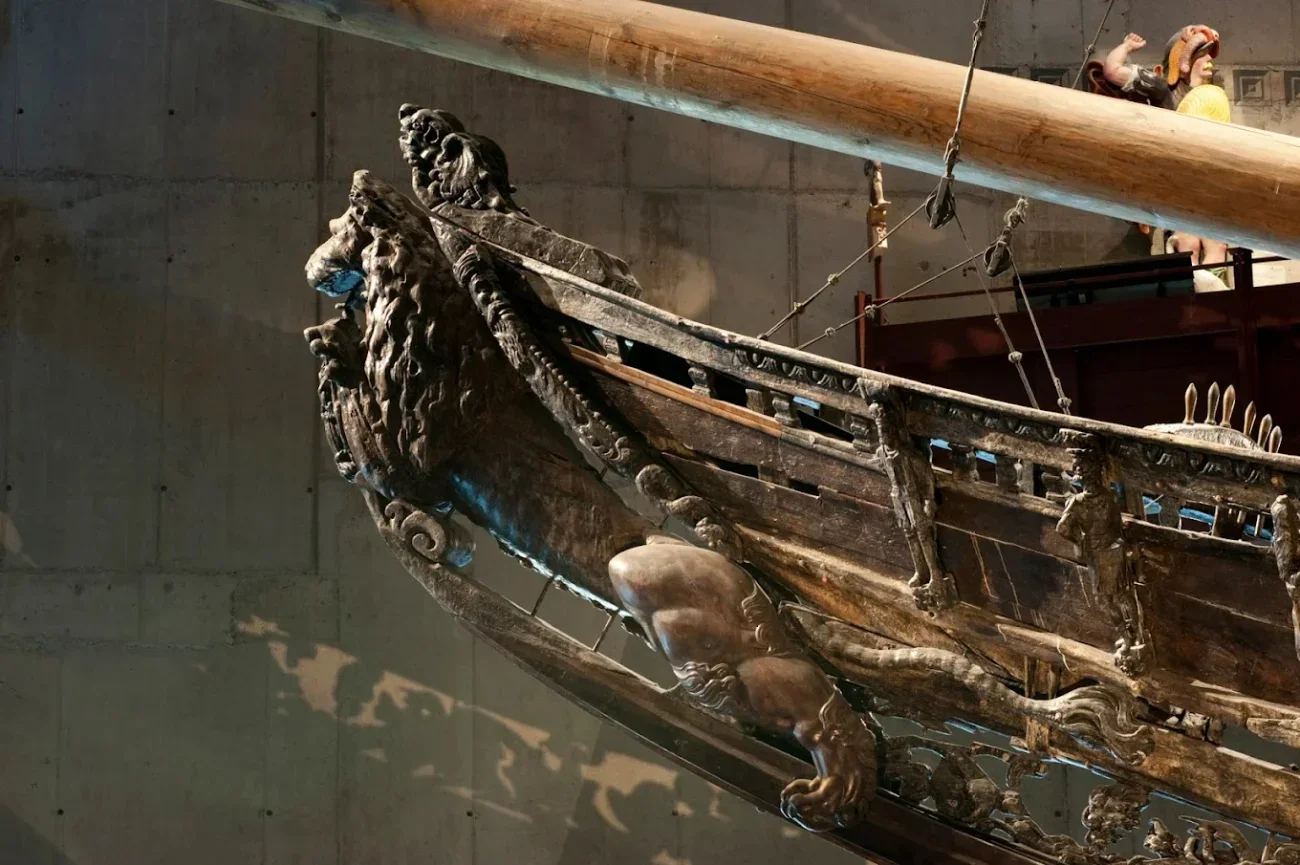
Visiting the Vasa Museum in November is like stepping back into a powerful moment of history making it one of the best things to do in Sweden in November. The chill in the air outside makes the museum feel even more inviting as you walk in and see the magnificent Vasa warship standing tall. Built in the 17th century and raised from the sea centuries later, it tells a story of ambition, craftsmanship, and survival. The detailed carvings and the sheer size of the ship spark curiosity about life in that era. Exploring the exhibits gives you a deeper sense of Sweden’s maritime heritage and cultural pride, making it a perfect stop on a crisp November day.
Location: Djurgården, Stockholm
Location: Djurgården, Stockholm
2. Explore Skansen Open-Air Museum
Visiting Skansen Open Air Museum in November feels like stepping back into Sweden’s cultural story while the chill in the air adds to the atmosphere. You can wander through historic farmsteads, windmills, and workshops that bring traditional Swedish life to light. The museum is not just about buildings but also about people, with costumed staff demonstrating crafts and seasonal customs making it a must-include on your list of activities to do in Sweden in November. November makes it extra charming as early festive touches appear, and the crisp weather invites warm drinks while exploring. Skansen also houses a zoo with Nordic animals, creating a mix of culture and nature in one place.
Location: Djurgården, Stockholm
Location: Djurgården, Stockholm
3. Tour the Royal Palace in Stockholm
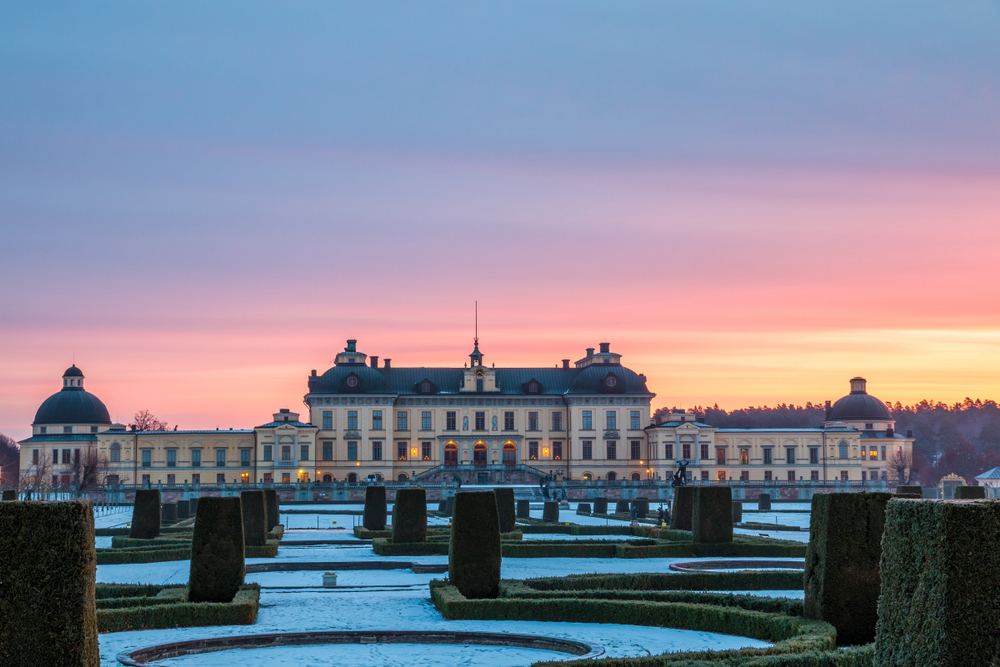
Visiting the Royal Palace in Stockholm in November feels like stepping back into a world of grandeur while the city outside prepares for winter. The palace is one of Europe’s largest and still serves as the official residence of the Swedish monarch, therefore visiting it is one of the most unique things to do in Sweden in November. Inside, you can wander through lavish state rooms, admire glittering crown jewels, and explore fascinating museums that tell the story of Sweden’s royal past. The chill in the air makes the richly decorated halls feel even more inviting, offering both warmth and history in one place. Watching the daily changing of the guard adds a touch of tradition to the experience.
Location: Gamla Stan, Stockholm
Location: Gamla Stan, Stockholm
4. Discover the ABBA Museum
Visiting the ABBA Museum is a wonderful way to dive into Sweden’s cultural heartbeat while staying warm indoors, thereby making it one of the top activities to do in Sweden in November. The museum celebrates the iconic band that shaped global pop music and continues to inspire generations. You can explore interactive exhibits where costumes, instruments, and personal stories bring their journey to life. The atmosphere feels both nostalgic and lively, making it a perfect balance between history and entertainment. After wandering the cool streets of Stockholm, stepping inside offers a colorful escape filled with music, dance, and stories. It is an experience that connects you with Swedish culture in a very personal way.
Location: Djurgården, Stockholm
Location: Djurgården, Stockholm
5. Walk through Gamla Stan
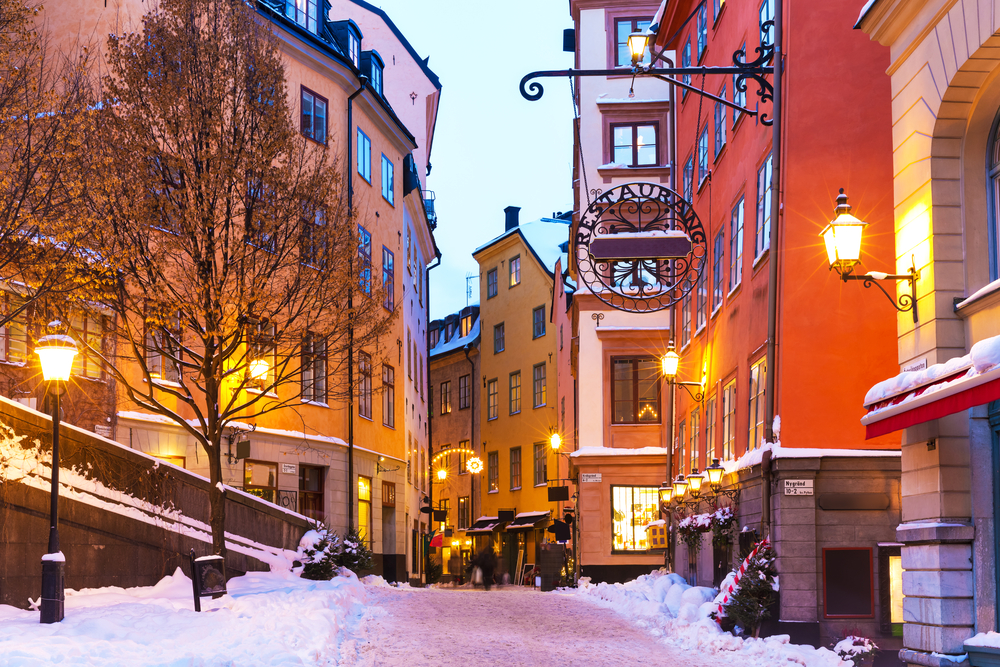
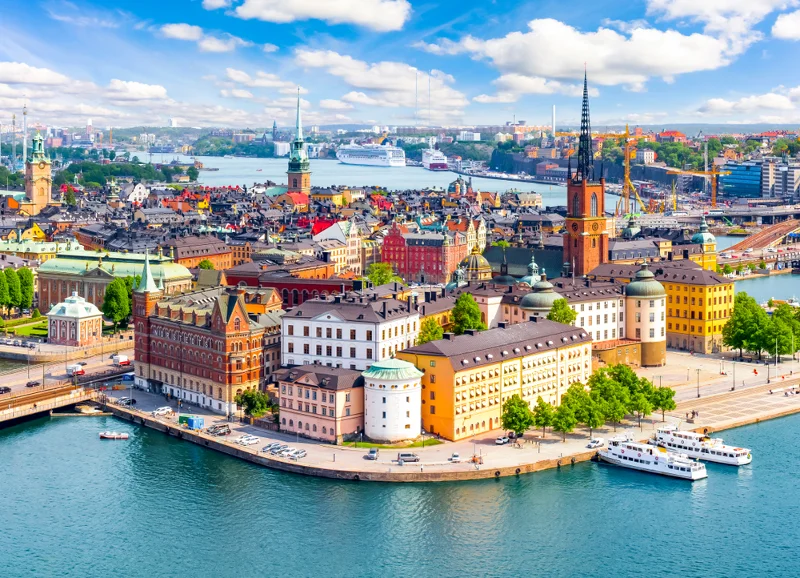
A walk through Gamla Stan in November feels like stepping into a living storybook, making it one of the best things to do in Sweden in November. The chill in the air adds charm to the narrow lanes lined with colorful medieval buildings. You can wander slowly, pausing at small cafés where the warmth of a coffee makes the cold outside feel even more inviting. The Royal Palace and Storkyrkan Cathedral stand as grand reminders of Sweden’s royal and religious history. Lantern-lit streets in the evening create a magical glow, making history feel close and alive. It is a place where every stone tells a story and every corner sparks curiosity.
Location: Stockholm, Sweden
Location: Stockholm, Sweden
Outdoor Activities in Finland in November
1. Hike in Tyresta National Park
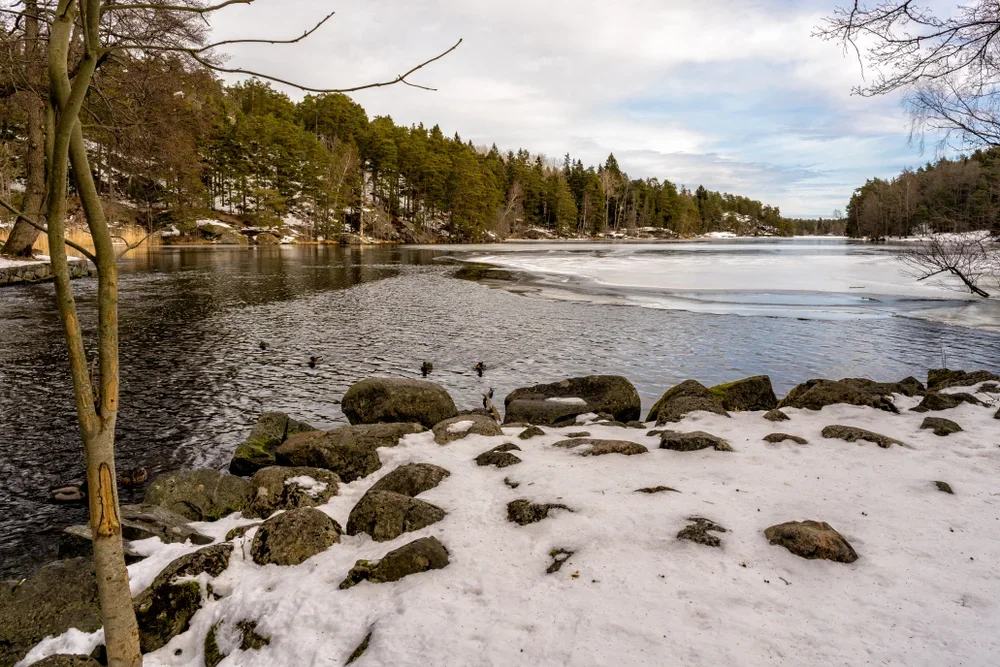
Hiking in Tyresta National Park in November feels like entering a quiet wilderness just outside the city, thereby making it one of the most adventurous things to do in Sweden in November. The air is crisp, and the forest paths are covered in golden leaves that slowly give way to early frost. As you walk along the trails, you pass serene lakes that reflect the pale winter light, creating a calm and almost dreamlike atmosphere. The silence of the woods is broken only by the sound of your footsteps and the rustle of birds. It is a refreshing escape where nature feels close and untouched, offering peace and clarity before winter fully arrives.
Location: Near Stockholm, Sweden
Location: Near Stockholm, Sweden
2. Explore Abisko National Park
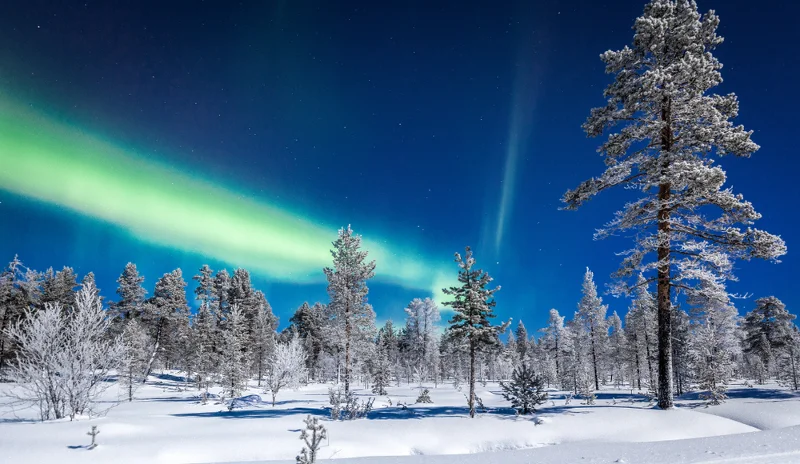
Exploring Abisko National Park in November feels like entering a wild and untouched world, making it one of the best activities to do in Sweden in November. The air is crisp, and the first layers of snow start to cover the trails, making every step feel like part of an adventure. You can set out on scenic hikes where frozen rivers and silent forests surround you. Many travelers come here for the chance to see the Northern Lights dancing across clear skies. The park also offers opportunities for early winter activities like cross-country skiing and peaceful nature walks. It is a place that lets you slow down, breathe deeply, and connect with the raw beauty of Swedish Lapland in its early winter glow.
Location: Swedish Lapland, near Kiruna, Sweden
Location: Swedish Lapland, near Kiruna, Sweden
3. Visit Lake Vänern
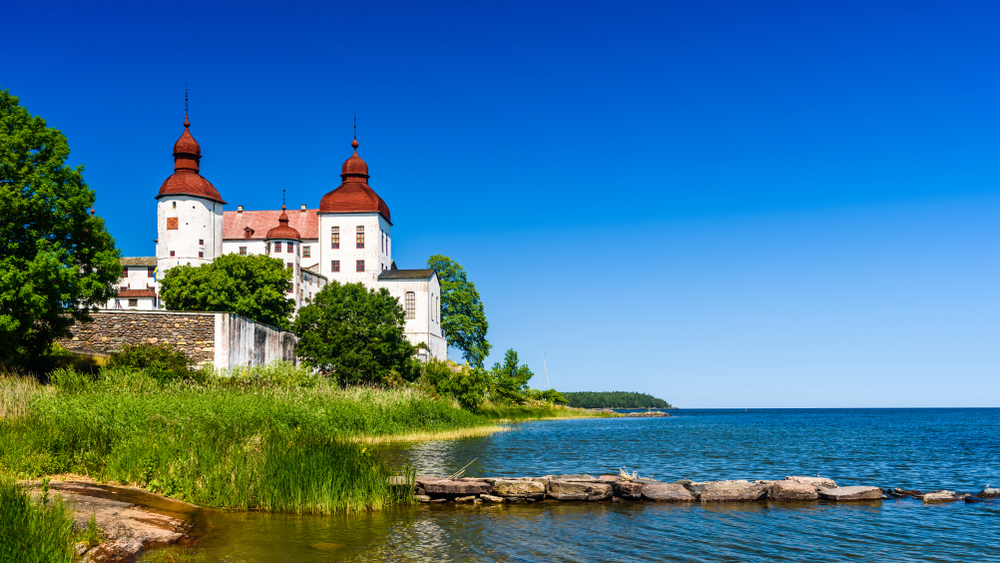
Visiting Lake Vänern offers a calm yet adventurous outdoor escape which makes it a must among the other things to do in Sweden in November. The air is crisp and the vast waters look dramatic under the late autumn sky. Walking along the shores feels refreshing and you may spot migrating birds resting before winter sets in. Fishing is popular here and the cooler season makes it especially rewarding. If you enjoy hiking, the trails around the lake lead you through forests where the last golden leaves cling to the trees. Small harbors and villages around the lake invite you to pause and enjoy local charm. The quieter atmosphere of November gives you space to explore at your own pace and connect with nature in a personal way.
Location: Southwestern Sweden
Location: Southwestern Sweden
4. See Storforsen Waterfall
Visiting Storforsen Waterfall in November is an outdoor activity to do in Sweden in November that feels both powerful and calming. The water rushes with force even as the air grows colder, creating mist that catches the faint winter light. Wooden walkways lead you close to the rapids, where you can pause and feel the energy of nature all around. Snow often begins to settle on the rocks and trees, adding contrast to the flowing water. The sound of the falls drowns out every distraction, leaving only the rhythm of nature in your ears. It is a perfect spot for a peaceful walk, quiet reflection, or simply enjoying the beauty of Sweden’s wild landscapes in the colder season.
Location: Älvsbyn, Northern Sweden
Location: Älvsbyn, Northern Sweden
5. Wander through Sarek National Park
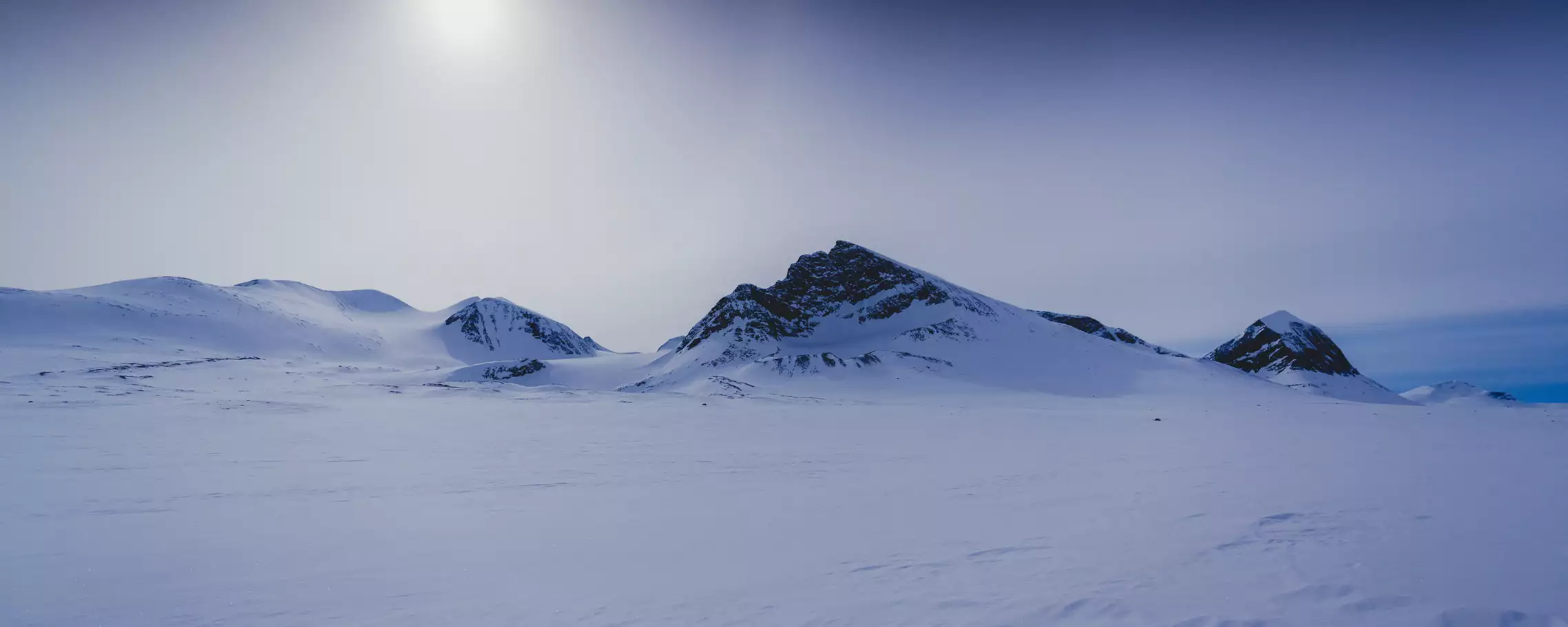
Wandering through Sarek National Park in November is an adventure for those who love raw nature and untamed landscapes. The park is known as Europe’s last wilderness and feels even more remote as early winter settles in. Snow begins to cover the valleys and peaks, making every step feel like a true journey into the wild. Hiking here demands preparation, but the reward is immense. You move through vast mountains, frozen rivers, and open skies that feel endless. Wildlife such as reindeer may appear, adding life to the stark setting. The silence is powerful, broken only by the crunch of snow beneath your boots. Sarek is not about comfort but about experiencing nature at its purest.
Location: Lapland, Northern Sweden
Winter & Seasonal Activities in Finland in November
1. Experience the Northern Lights in Kiruna
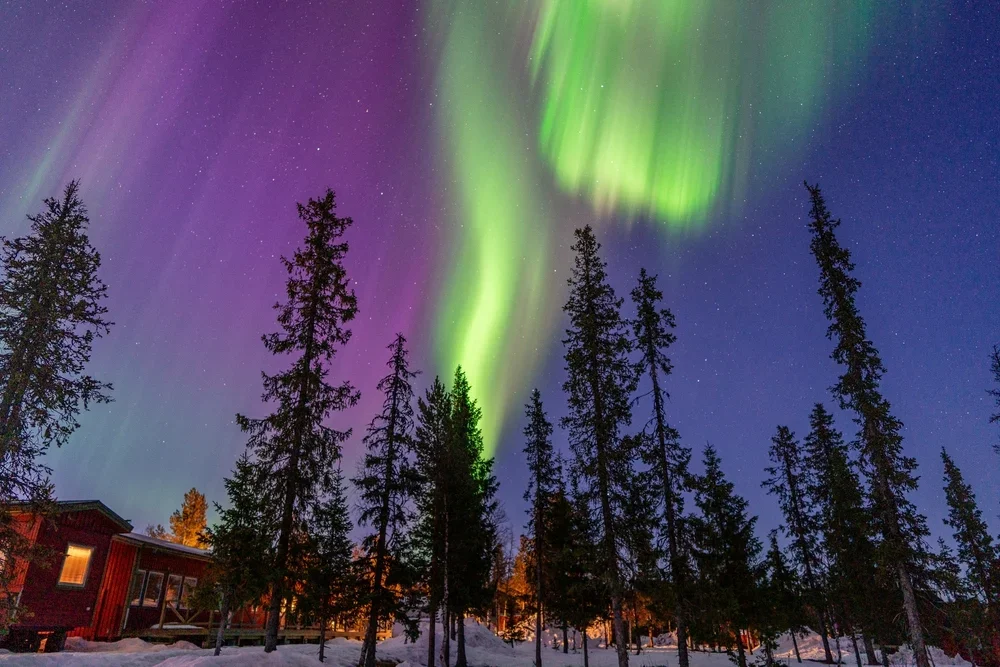
Experiencing the Northern Lights in Kiruna during November feels like watching nature’s own theatre unfold across the sky. The long nights and crisp air make conditions ideal for this magical display. Shades of green and purple ripple overhead, turning the Arctic sky into a shifting canvas. Standing in silence, you feel a connection to something larger than yourself. Many visitors choose guided tours that take you into quiet wilderness areas where the lights shine even brighter. Between the snow-covered forests and the frozen lakes, the experience feels both peaceful and unforgettable. Kiruna is not just a destination; it is a front row seat to one of the world’s most breathtaking shows.
Location: Kiruna, Swedish Lapland
Location: Kiruna, Swedish Lapland
2. Stay at the Icehotel in Jukkasjärvi
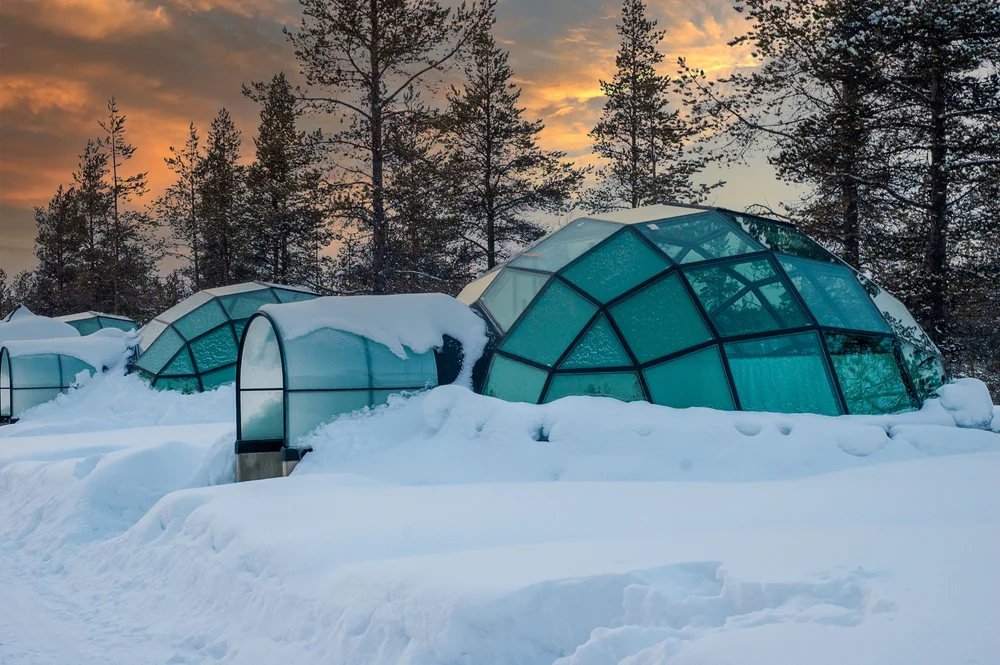
Staying at the Icehotel in Jukkasjärvi in November feels like stepping into a work of art carved entirely from ice and snow. Each year the hotel is rebuilt with new designs, so no two visits are ever the same. The rooms glow with soft blue light and feature hand sculpted details that make you forget you are inside frozen walls. Guests sleep on reindeer hides with thermal sleeping bags, waking up to a warm drink that makes the morning feel special. Beyond the rooms, you can enjoy ice sculpting classes, sip cocktails from ice glasses, or step outside to catch the Northern Lights. The Icehotel is more than a stay, it is an unforgettable seasonal experience.
Location: Jukkasjärvi, Swedish Lapland
Location: Jukkasjärvi, Swedish Lapland
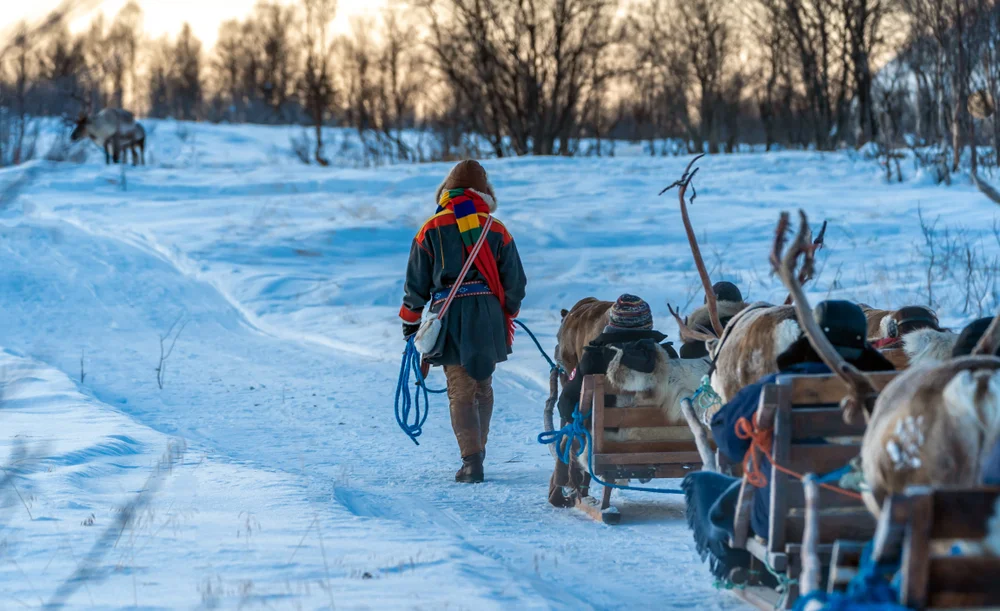
3. Go dog sledding in Lapland
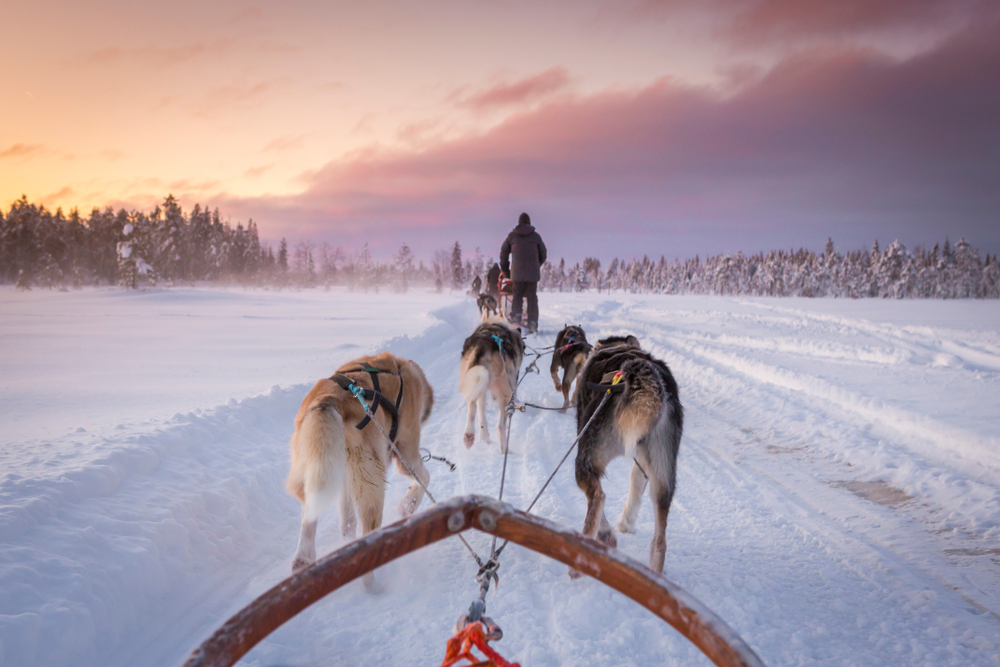
Going dog sledding in Lapland in November feels like gliding straight into a winter dream. The cold air bites gently at your cheeks as a team of eager huskies pulls you across snowy trails. Their excitement is infectious and their rhythm creates a soothing pace that lets you truly take in the landscape. Vast forests and open stretches of white unfold in every direction, with soft twilight skies giving everything a magical glow. It is not just an activity but a connection with nature and tradition, as dog sledding has been part of life in the north for centuries. The stillness of the Arctic is unforgettable, broken only by the steady breath of the dogs.
Location: Swedish Lapland, Northern Sweden
Location: Swedish Lapland, Northern Sweden
4. Try snowmobiling in Swedish Lapland
Snowmobiling in Swedish Lapland in November feels like freedom across a frozen canvas. As the first real snow settles, wide trails open up across forests and valleys. The hum of the snowmobile carries you through landscapes that feel endless and untouched. It is not just speed but also the chance to pause in silence surrounded by white wilderness. Guides often lead you toward hidden viewpoints where the sky stretches in every direction. With luck, the Northern Lights may shimmer above, turning the ride into something unforgettable. The crisp air, the thrill of movement, and the beauty of Lapland combine to make snowmobiling an essential seasonal adventure for anyone seeking excitement in Sweden.
Location: Swedish Lapland, Northern Sweden
Location: Swedish Lapland, Northern Sweden
5. Visit Jokkmokk Winter Festival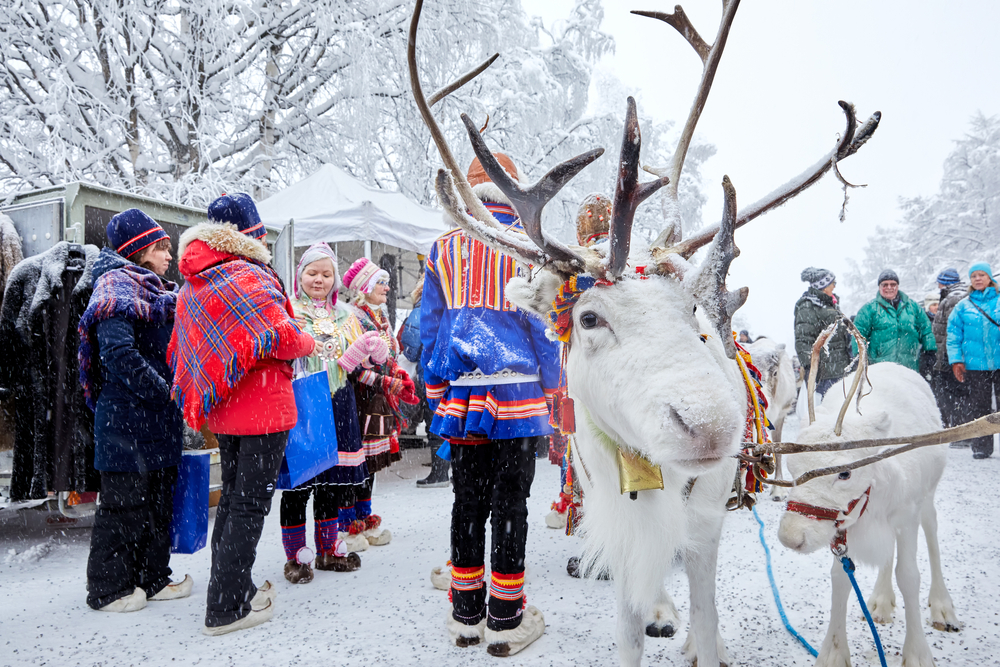
Visiting Jokkmokk in November gives you a chance to experience this historic town before the famous winter festivals bring crowds from around the world. The air is crisp, and the town moves at a gentler pace, allowing you to explore Sámi culture more intimately. Local shops display traditional crafts, from colorful duodji to warm reindeer hides, and the museums share stories of life in the Arctic. Walking through quiet streets surrounded by snowy forests feels calm and welcoming. This is the perfect time to enjoy authentic encounters, taste local dishes, and prepare for the energy that festival season soon brings. Jokkmokk in November carries a charm of anticipation and peaceful discovery.
Location: Jokkmokk, Swedish Lapland
Location: Jokkmokk, Swedish Lapland
Planning Your Sweden Trip, Here are some Traveller’s Tips Just For You!
- Choose a focused itinerary rather than changing northern accommodation every single night.
- Check daylight, forecasts and trail conditions before planning walks or rural excursions.
- Confirm snow activities directly and understand cancellation arrangements before paying for tours.
- Wear reflective accessories near roads and carry a headtorch after sunset outdoors.
- Pack waterproof layers, insulated footwear, gloves and spare socks for wet days.
- Book Christmas market accommodation early for popular weekends in Stockholm and Gothenburg.
- Never assume frozen lakes or rivers are safe to cross without assessment.
- Keep museums available as alternatives and verify seasonal opening hours before travelling anywhere.
Want the best Sweden package, handpicked just for you?
Share your travel needs and our travel experts will reach out to you.
Insider guides
Sweden in Summer: Weather, Festivals & Top Things to Do Mridulakshi Jain
30 September, 2025
Sweden in Winter: A Complete Travel Guide Riddhi Jain
29 September, 2025
Sweden in October: Weather, Places to Visit & Travel Guide Aryaman Punj
21 September, 2025
Frequently Asked Questions for Sweden
Sweden in November feels cold as autumn shifts into winter. Days are short and often cloudy, with average temperatures ranging from just above freezing in the south to well below zero in the north. Snow starts to appear, especially in Lapland, while rain is more common in cities like Stockholm and Gothenburg. The air feels crisp, and the early winter atmosphere gives the country a calm and cozy charm.
Yes, you can see the Northern Lights in Sweden in November, especially in the northern parts like Abisko and Kiruna. The nights are long and dark, which gives good chances to spot them dancing across the sky. Weather can be unpredictable, so clear nights matter the most. Many travelers visit this time for aurora tours, combining the magic of the lights with snowy landscapes and peaceful Arctic surroundings.
Bring warm layers, waterproof outerwear, sturdy boots, gloves and a hat. Add thermal clothing and stronger insulation for northern excursions. A headtorch and reflective accessories are useful, while guided activities may provide specialist clothing—check this before departure.
Many major museums and cultural attractions remain open, but hours can be shorter and individual facilities may close seasonally. Vasa, ABBA The Museum and Skansen publish November schedules. ICEHOTEL 365 is open, while the rebuilt seasonal ice hotel belongs to the December–April programme.
Stockholm is a strong choice for museums, the film festival and late-November markets. Gothenburg offers Liseberg’s Christmas season and Viva Sounds. Kiruna is a practical northern base for aurora excursions and Jukkasjärvi visits. Abisko is a smaller destination rather than a city and is better suited to a focused northern stay.
Best International Tour Packages
France Tour PackagesBali Tour PackagesCroatia Tour PackagesGreece Tour PackagesSingapore Tour PackagesSwitzerland Tour PackagesTurkey Tour PackagesAustralia Tour PackagesAustria Tour PackagesCzech Republic Tour PackagesDubai Tour PackagesFinland Tour PackagesHungary Tour PackagesIceland Tour PackagesNetherlands Tour PackagesNew Zealand Tour PackagesNorway Tour PackagesPoland Tour PackagesGermany Tour PackagesVietnam Tour PackagesItaly Tour PackagesMauritius Tour PackagesThailand Tour PackagesMalaysia Tour PackagesKenya Tour PackagesJapan Tour PackagesDenmark Tour PackagesSpain Tour PackagesIndia Tour PackagesMexico Tour PackagesPortugal Tour PackagesMaldives Tour PackagesSouth Africa Tour PackagesSri Lanka Tour PackagesPhilippines Tour PackagesUnited Kingdom Tour PackagesFiji Tour PackagesEurope Tour PackagesSeychelles Tour Packages
Best International Honeymoon Tour Packages
Thailand Honeymoon PackagesBali Honeymoon PackagesSingapore Honeymoon PackagesDubai Honeymoon PackagesMauritius Honeymoon PackagesGreece Honeymoon PackagesSwitzerland Honeymoon PackagesItaly Honeymoon PackagesSri Lanka Honeymoon PackagesJapan Honeymoon PackagesVietnam Honeymoon PackagesMalaysia Honeymoon PackagesMaldives Honeymoon PackagesNorway Honeymoon PackagesFinland Honeymoon PackagesIceland Honeymoon PackagesSpain Honeymoon PackagesCroatia Honeymoon PackagesDenmark Honeymoon PackagesAustralia Honeymoon PackagesSweden Honeymoon PackagesCzech Republic Honeymoon PackagesHungary Honeymoon PackagesGermany Honeymoon PackagesNetherlands Honeymoon PackagesPortugal Honeymoon PackagesPoland Honeymoon PackagesFrance Honeymoon PackagesAustria Honeymoon PackagesEurope Honeymoon PackagesSeychelles Honeymoon Packages
Best International Family Tour Packages
Thailand Family PackagesDubai Family PackagesBali Family PackagesMaldives Family PackagesMalaysia Family PackagesSingapore Family PackagesSwitzerland Family PackagesMauritius Family PackagesSri Lanka Family PackagesGreece Family PackagesItaly Family PackagesNorway Family PackagesVietnam Family PackagesDenmark Family PackagesFinland Family PackagesIceland Family PackagesJapan Family PackagesSweden Family PackagesPhilippines Family PackagesHungary Family PackagesPoland Family PackagesCzech Republic Family PackagesCroatia Family PackagesPortugal Family PackagesAustria Family PackagesSpain Family PackagesGermany Family PackagesNetherlands Family PackagesFrance Family PackagesEurope Family Packages