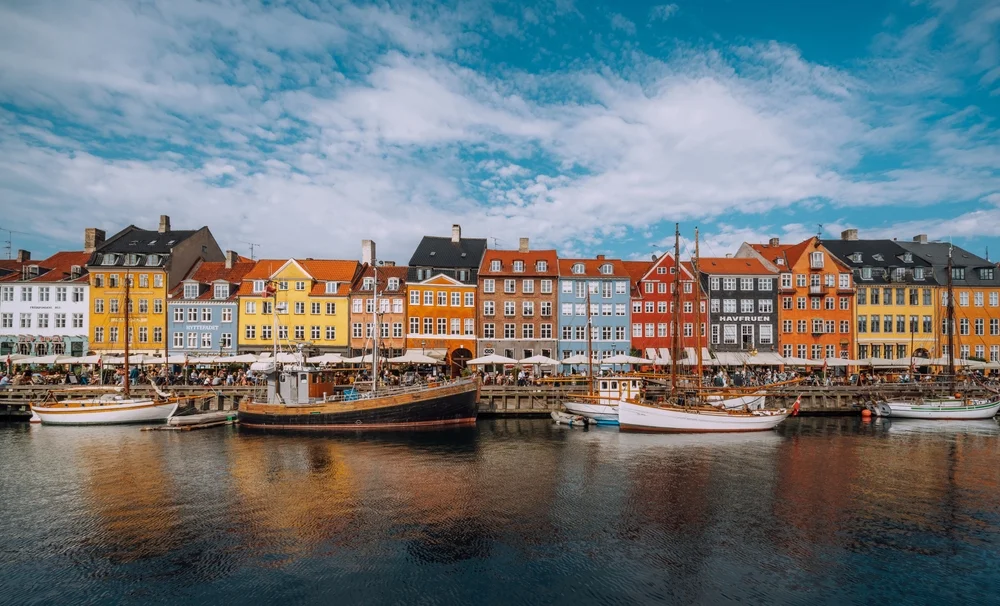

Denmark in September provides tourists with a fantastic fusion of outdoor activities, cultural events, and seasonal appeal. The moderately cool weather is ideal for exploring the outdoors and savoring the last summertime elements. For water sports like surfing, kayaking, and canoeing, go to the seaside if you're looking for water-based things to do in Denmark in September. Another option is to go on a bike and ride around the countryside. Witness millions of starlings soar through the skies during the yearly Black Sun phenomenon while celebrating culture and history in the center of Copenhagen.
The cities are still bustling, the summer crowds have subsided, and the countryside is starting to turn a vibrant shade of fall. The warm weather is ideal for exploring the top places to visit in Denmark in September, including the beauty and charm of Danish landscapes and cities such as Copenhagen, Aarhus, and Odense. The cooler temperatures and crisp air make for comfortable sightseeing and outdoor adventures, while local festivals bring communities together to celebrate harvests and traditions. Hence, in September, Denmark offers a perfect blend of mild weather, vibrant autumn colors, and cultural events, making it an ideal travel destination.
The cities are still bustling, the summer crowds have subsided, and the countryside is starting to turn a vibrant shade of fall. The warm weather is ideal for exploring the top places to visit in Denmark in September, including the beauty and charm of Danish landscapes and cities such as Copenhagen, Aarhus, and Odense. The cooler temperatures and crisp air make for comfortable sightseeing and outdoor adventures, while local festivals bring communities together to celebrate harvests and traditions. Hence, in September, Denmark offers a perfect blend of mild weather, vibrant autumn colors, and cultural events, making it an ideal travel destination.
Best Places to Visit in Denmark in September
1. Copenhagen
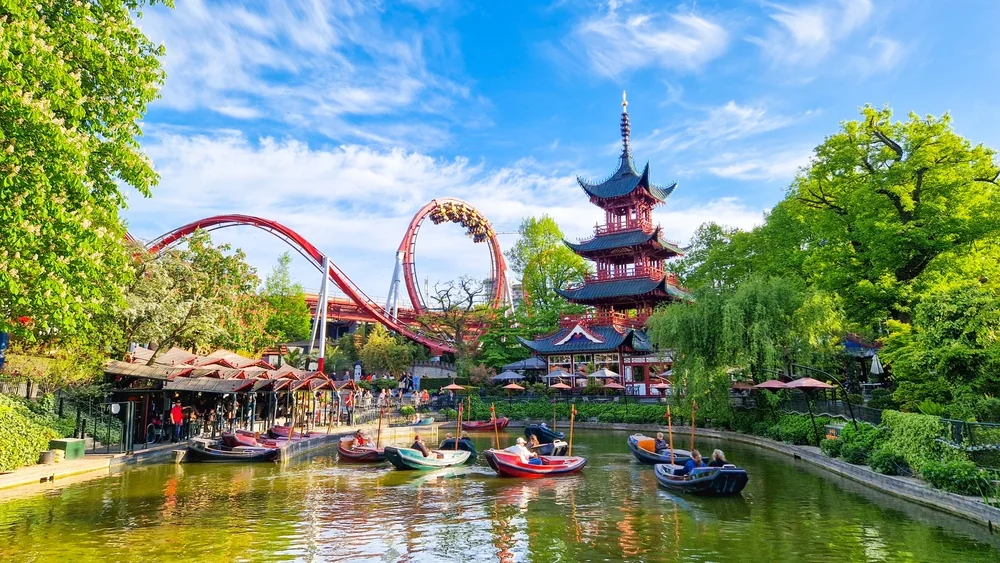
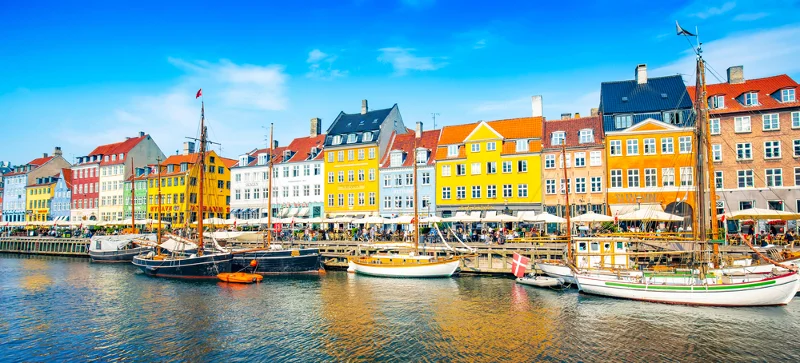
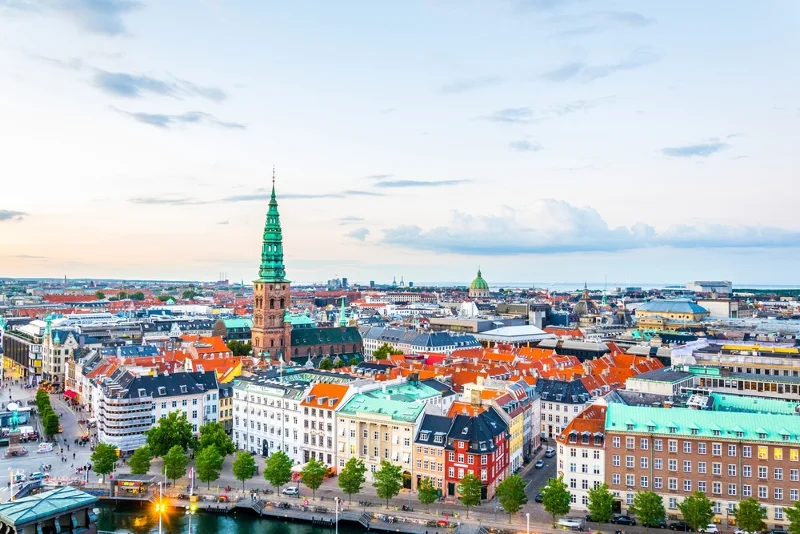
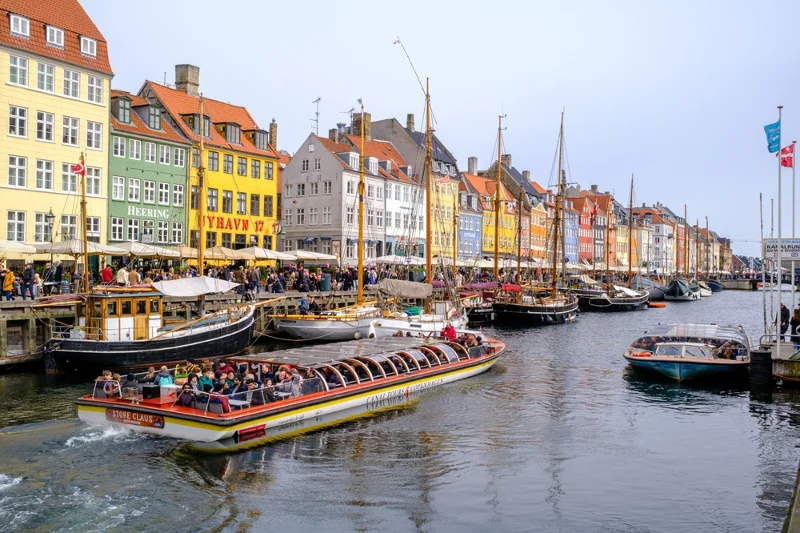
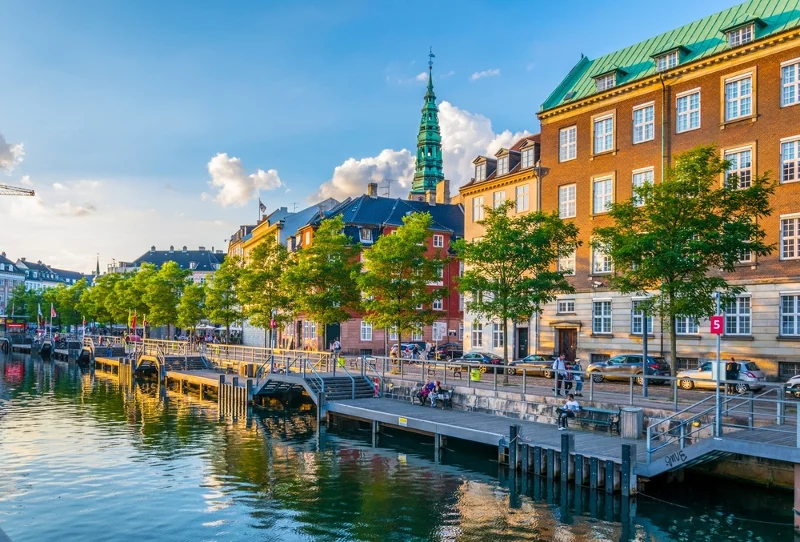
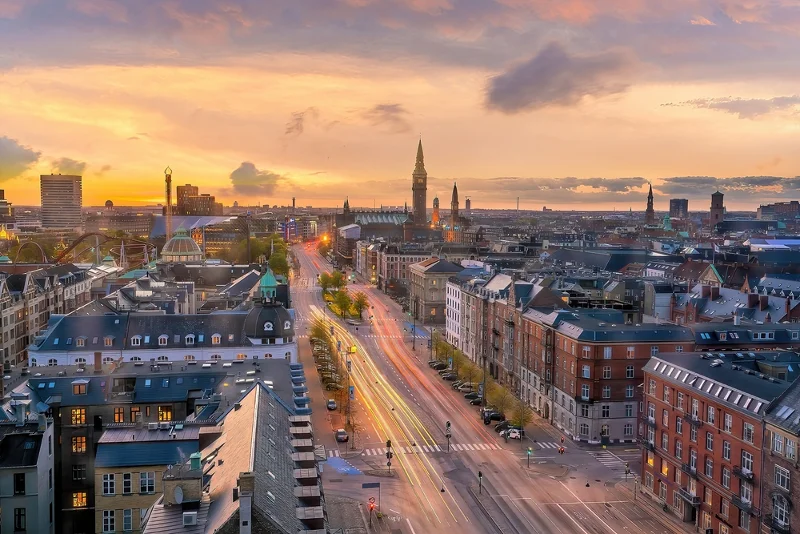
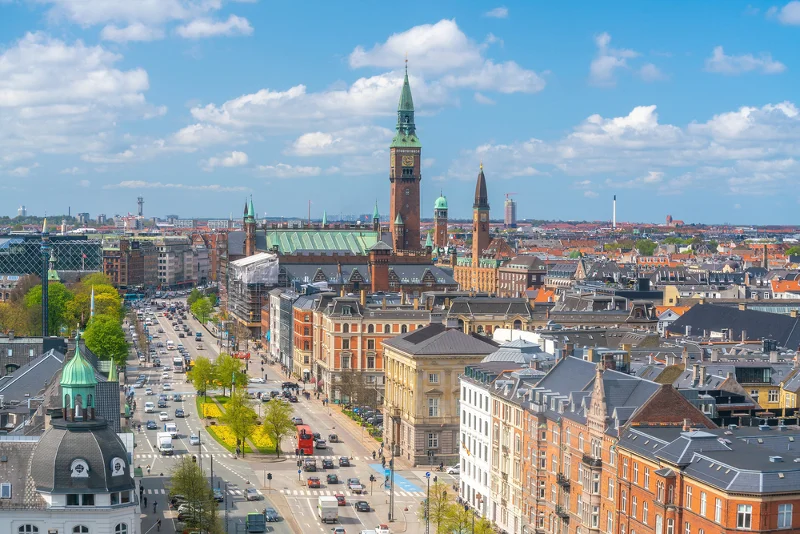
Copenhagen is one of the best places to visit in Denmark in September, offering a blend of historic sites and modern culture. The city's cafes, canals, and cultural sites are still bustling, even though the summer throngs have subsided. If you prefer pleasant weather, less foot traffic, and a more local pace, this is frequently regarded as the ideal time of year to visit Copenhagen.
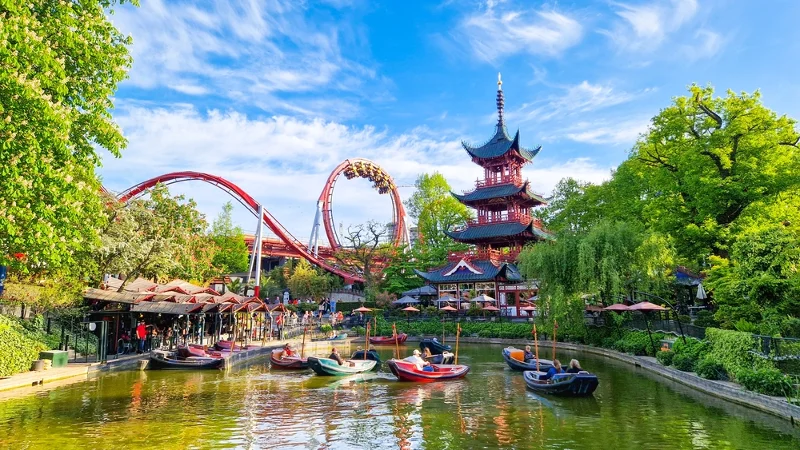
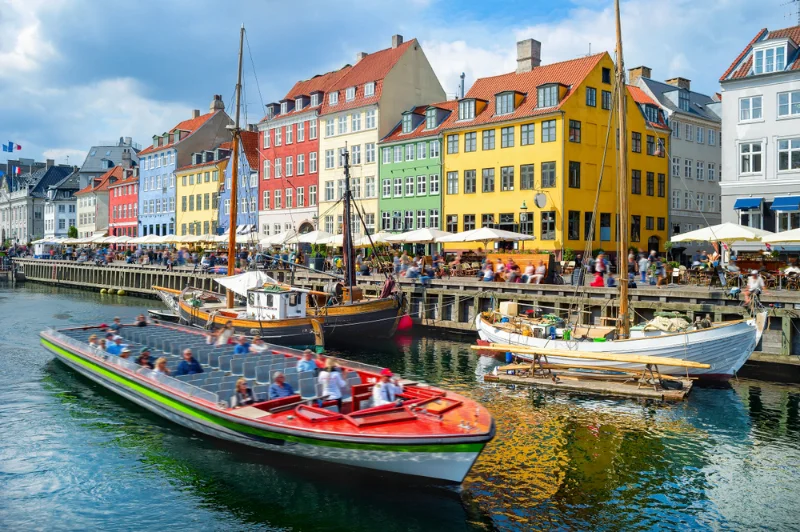
Top sites, including Nyhavn, Rosenborg Castle, and the Tivoli Gardens, are accessible without huge lines. The city's green areas, such as Frederiksberg Park and the King's Garden, are still verdant and welcoming, making them ideal for a leisurely afternoon walk. Examine the top Copenhagen itineraries to learn more about the city. Many of these, which are all rather pleasant at this time of year, include museum trips, boat tours, and food court visits.
Top sites, including Nyhavn, Rosenborg Castle, and the Tivoli Gardens, are accessible without huge lines. The city's green areas, such as Frederiksberg Park and the King's Garden, are still verdant and welcoming, making them ideal for a leisurely afternoon walk. Examine the top Copenhagen itineraries to learn more about the city. Many of these, which are all rather pleasant at this time of year, include museum trips, boat tours, and food court visits.
2. Aarhus
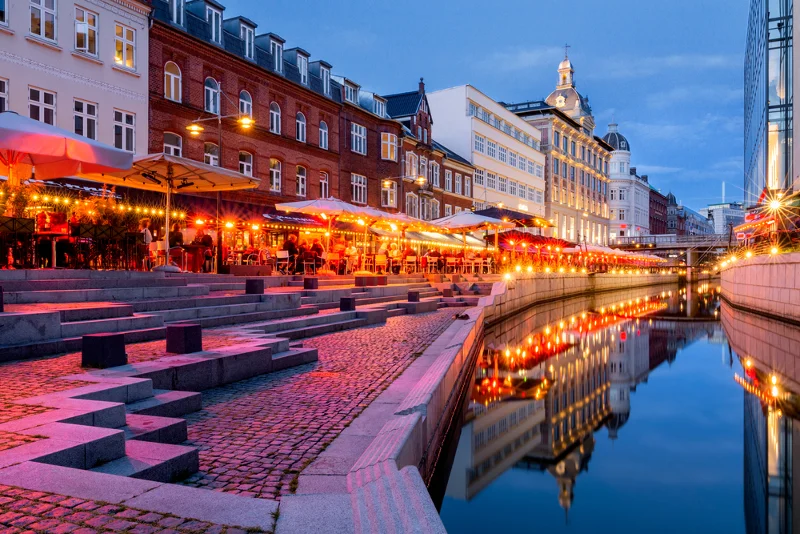
In September, the second-biggest city in Denmark finds its rhythm, making it one of the most popular places to visit in Denmark in September. Particularly during the festival season, Aarhus blends a youthful vibrancy with a robust cultural foundation. The city is vibrant but relaxed with students returning to town, museum exhibits in full force, and quaint cafes beginning to get ready for fall.
Aarhus is also an excellent place to explore on foot in September. Walking between neighborhoods is enjoyable due to the milder weather, and Aarhus offers a variety of excursions and tickets that allow you to delve deeper into the culture of the city. To discover the old Latin Quarter and learn about Viking origins and royal sites, you can schedule a historical walking tour in Aarhus.
Aarhus is also an excellent place to explore on foot in September. Walking between neighborhoods is enjoyable due to the milder weather, and Aarhus offers a variety of excursions and tickets that allow you to delve deeper into the culture of the city. To discover the old Latin Quarter and learn about Viking origins and royal sites, you can schedule a historical walking tour in Aarhus.
3. Odense
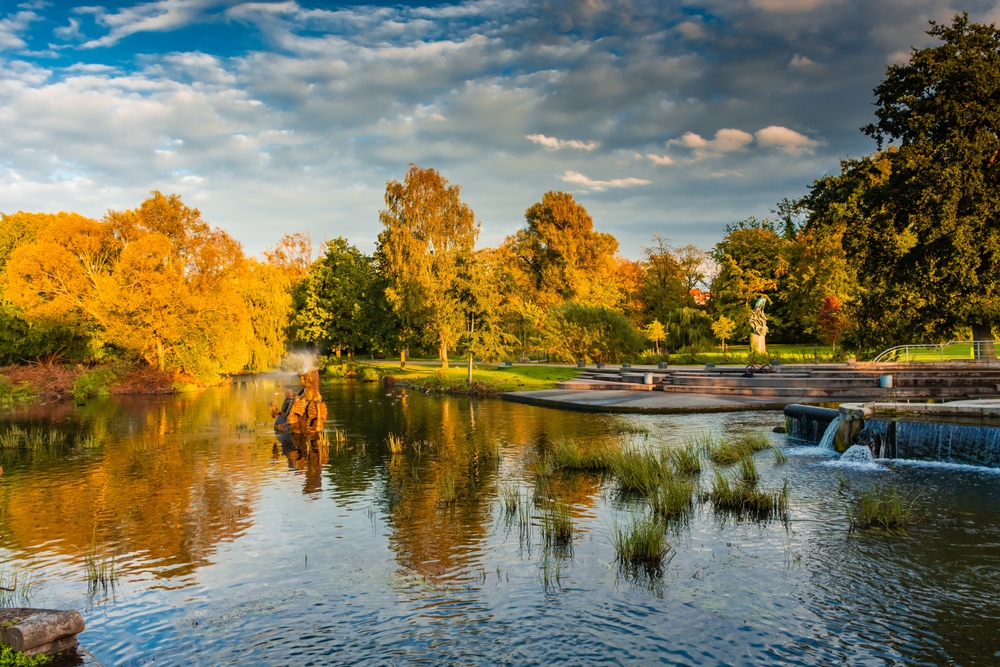
Early autumn is a very wonderful time to visit Odense. In September, the historic town of Hans Christian Andersen, where he was born, is pleasant and inviting and may be explored on foot. Additionally, it moves more slowly than in Copenhagen or Aarhus, making it the perfect destination for tourists who want to experience a vibrant city without the crowds.
Known as one of the best places to visit in Denmark in September, this month makes a great time to go exploring the city on your own. You can schedule a personalized walking tour in Odense to gain a deeper understanding of the city's stories and history. At your own pace, discover its literary legacy, architectural treasures, and medieval origins. Odense in September is a nice contrast to Denmark's larger towns, whether you're there for the slower tempo or the storytelling.
Known as one of the best places to visit in Denmark in September, this month makes a great time to go exploring the city on your own. You can schedule a personalized walking tour in Odense to gain a deeper understanding of the city's stories and history. At your own pace, discover its literary legacy, architectural treasures, and medieval origins. Odense in September is a nice contrast to Denmark's larger towns, whether you're there for the slower tempo or the storytelling.
4. Skagen
At the northernmost point of Denmark, Skagen seems to have been designed for September. Even though most of the summer visitors have left, the renowned soft, golden light is still lovely. You can enjoy the town's beaches, galleries, and cafes by the water without seeing any tourists because it slows down just enough.
At Grenen, where two oceans converge, you may stroll and frequently have the beach all to yourself. Additionally, the Skagen Museum is more tranquil, allowing you more room to admire the creations of the artists who brought fame to this location. Even a little bike ride along the bay or through the dunes seems like a real getaway. Skagen makes Denmark in September more about peaceful strolls, delectable seafood, and those expansive, picturesque skies that last a little while longer until fall truly sets in.
At Grenen, where two oceans converge, you may stroll and frequently have the beach all to yourself. Additionally, the Skagen Museum is more tranquil, allowing you more room to admire the creations of the artists who brought fame to this location. Even a little bike ride along the bay or through the dunes seems like a real getaway. Skagen makes Denmark in September more about peaceful strolls, delectable seafood, and those expansive, picturesque skies that last a little while longer until fall truly sets in.
5. Møns Klint
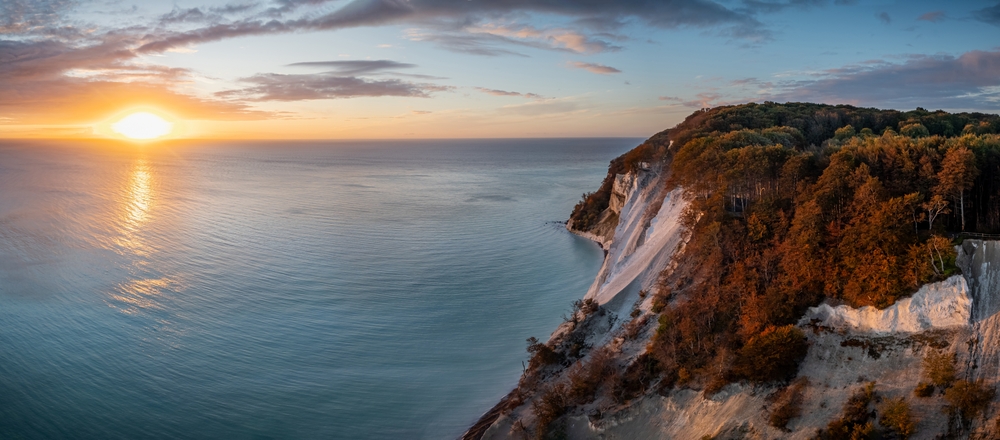
Møns Klint is a spectacular natural attraction in Denmark in September, known for its towering white chalk cliffs rising to 128 meters above the Baltic Sea. Stretching over 6 kilometers, these cliffs offer dramatic views and a stunning contrast with the autumn colors of the surrounding forests.
Visitors can hike the trails linking GeoCenter Møns Klint and enjoy the two long staircases, Maglevand and Gråryg, that lead down to the cliffs. September is ideal for visiting as the weather is mild, the forests display vibrant fall foliage, and the crowds are thinner. The area is also a hotspot for fossil hunting and birdwatching, including spotting the peregrine falcon, the world’s fastest bird.
Visitors can hike the trails linking GeoCenter Møns Klint and enjoy the two long staircases, Maglevand and Gråryg, that lead down to the cliffs. September is ideal for visiting as the weather is mild, the forests display vibrant fall foliage, and the crowds are thinner. The area is also a hotspot for fossil hunting and birdwatching, including spotting the peregrine falcon, the world’s fastest bird.
6. Bornholm Island
In September, Bornholm is still vibrant, serene, and uncrowded. The island's little communities, wooded paths, and rocky coasts are still open and friendly, even if the summer rush is over. Whether you choose to explore on foot, by bicycle, or just by following the most picturesque coastline route, it's the kind of spot where you can take your time.
Additionally, this is a fantastic time to sample local cuisine. Farmers' markets provide late-summer berries and early-fall fruit like apples, and smokehouses continue to serve warm fish platters. If you want structure, Bornholm offers tickets and tours that include anything from hiking trails and food tastings to medieval ruins and round cathedrals.
Additionally, this is a fantastic time to sample local cuisine. Farmers' markets provide late-summer berries and early-fall fruit like apples, and smokehouses continue to serve warm fish platters. If you want structure, Bornholm offers tickets and tours that include anything from hiking trails and food tastings to medieval ruins and round cathedrals.
Things to Do in Denmark in September
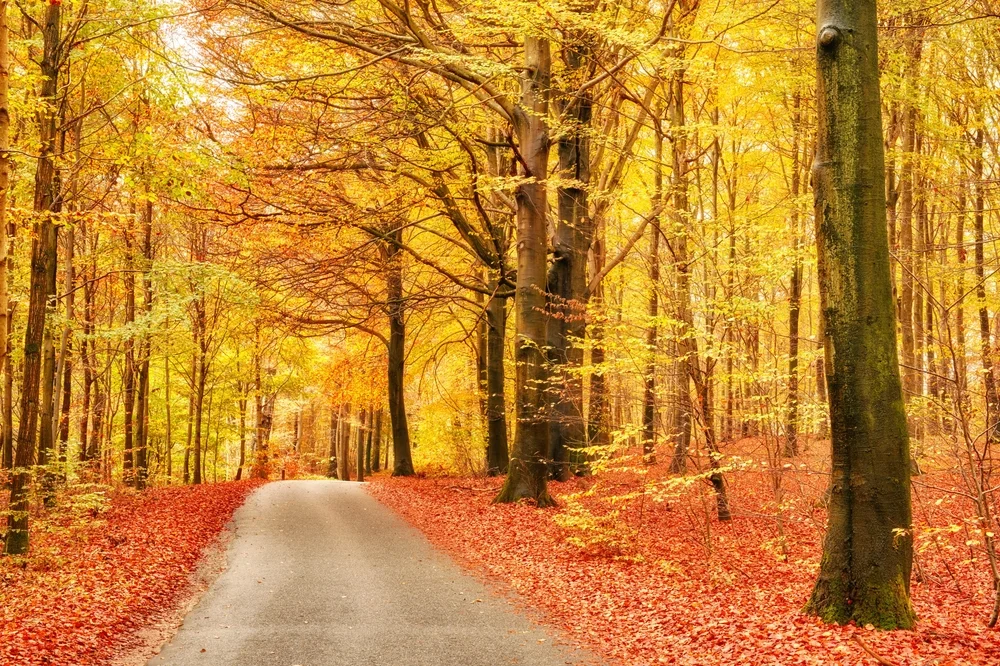
1. Explore Fall Colors in Danish Parks & Forests
One of the best things to do in Denmark in September is to immerse yourself in the brilliant autumn colors that sweep across the country. Parks like Dyrehaven near Copenhagen and Rold Skov in northern Jutland transform into vibrant landscapes of red, orange, and gold. The cooler weather makes walking, jogging, or cycling through these parks refreshing and comfortable.
Many Danish forests also have marked hiking trails, offering spectacular viewpoints over lakes and rolling hills. Photographers will find endless opportunities as the light softens and blankets the ground. Whether you’re in a city park or deep in a forest, the crisp September air and natural beauty make this an unforgettable way to experience Denmark’s seasonal charm.
Many Danish forests also have marked hiking trails, offering spectacular viewpoints over lakes and rolling hills. Photographers will find endless opportunities as the light softens and blankets the ground. Whether you’re in a city park or deep in a forest, the crisp September air and natural beauty make this an unforgettable way to experience Denmark’s seasonal charm.
2. Take a Canal Tour in Copenhagen
Taking a canal tour in Copenhagen is among the most relaxing things to do in Denmark in September. The cool but mild weather is perfect for sitting on an open-air boat as it glides through colorful harbors and tranquil waterways. You’ll pass iconic landmarks such as the Copenhagen Opera House, Nyhavn’s historic waterfront, and Christianshavn’s charming houseboats.
The September light gives buildings and bridges a warm glow, ideal for photographs. Most canal tours are guided, offering fascinating insights into the city’s architecture and history. With fewer summer tourists, the experience feels more leisurely and personal. Some tours even provide blankets for extra comfort, so you can enjoy stunning views without worrying about the autumn chill.
The September light gives buildings and bridges a warm glow, ideal for photographs. Most canal tours are guided, offering fascinating insights into the city’s architecture and history. With fewer summer tourists, the experience feels more leisurely and personal. Some tours even provide blankets for extra comfort, so you can enjoy stunning views without worrying about the autumn chill.
3. Visit Castles with Fewer Crowds (Kronborg, Frederiksborg)
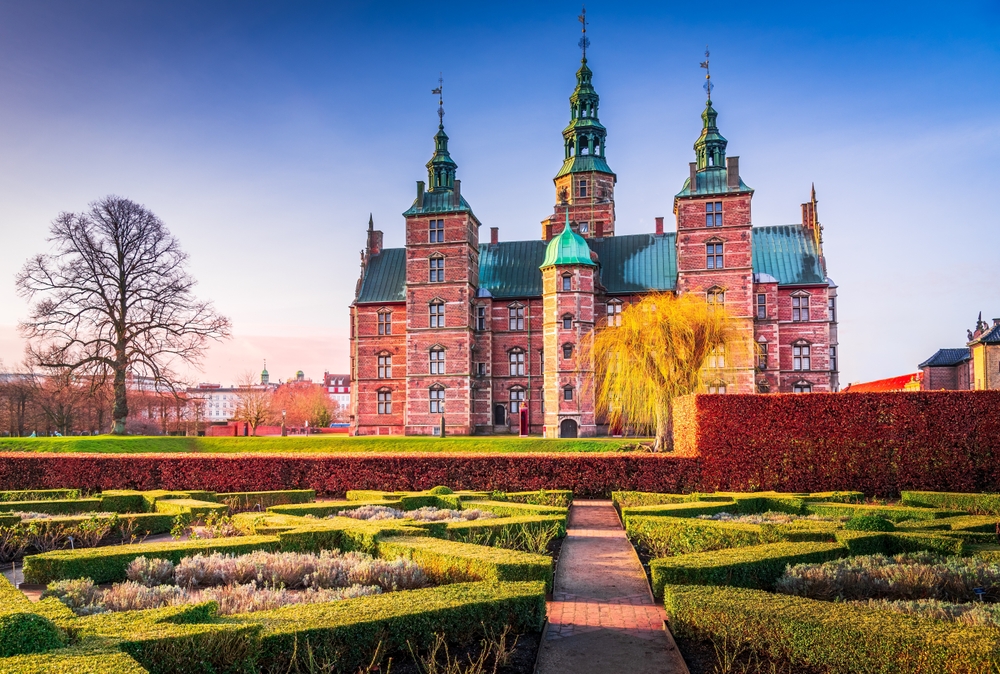
Exploring Denmark’s royal history is one of the most memorable things to do in Denmark in September, especially when visiting castles like Kronborg and Frederiksborg. These architectural masterpieces are less crowded during this month, allowing you to enjoy the intricate interiors and expansive gardens at a slower pace.
Kronborg, famously known as Hamlet’s Castle, offers dramatic coastal views, while Frederiksborg boasts stunning Renaissance architecture surrounded by beautiful Baroque gardens. In September, the palace grounds are accented with rich fall colors, making them even more picturesque. Guided tours provide fascinating stories about Denmark’s monarchs and historical events. The combination of cultural heritage and seasonal beauty makes castle visits a highlight of an autumn trip to Denmark.
Kronborg, famously known as Hamlet’s Castle, offers dramatic coastal views, while Frederiksborg boasts stunning Renaissance architecture surrounded by beautiful Baroque gardens. In September, the palace grounds are accented with rich fall colors, making them even more picturesque. Guided tours provide fascinating stories about Denmark’s monarchs and historical events. The combination of cultural heritage and seasonal beauty makes castle visits a highlight of an autumn trip to Denmark.
4. Attend Food and Culture Events
For food lovers, attending seasonal events is one of the tastiest things to do in Denmark in September. The country comes alive with food festivals, harvest markets, and cultural celebrations that showcase Danish traditions. The Aarhus Food Festival offers gourmet experiences ranging from street food to fine dining. Copenhagen’s Golden Days Festival blends history, art, and live performances across unique venues.
Farmers’ markets brim with fresh apples, pumpkins, and root vegetables, giving a real taste of the season. Smaller towns also host craft fairs, concerts, and historical reenactments that reflect local heritage. These events immerse visitors in Danish culture, providing both culinary delights and memorable social experiences that go beyond standard sightseeing.
Farmers’ markets brim with fresh apples, pumpkins, and root vegetables, giving a real taste of the season. Smaller towns also host craft fairs, concerts, and historical reenactments that reflect local heritage. These events immerse visitors in Danish culture, providing both culinary delights and memorable social experiences that go beyond standard sightseeing.
5. Go Hiking or Biking in Mols Bjerge or National Parks
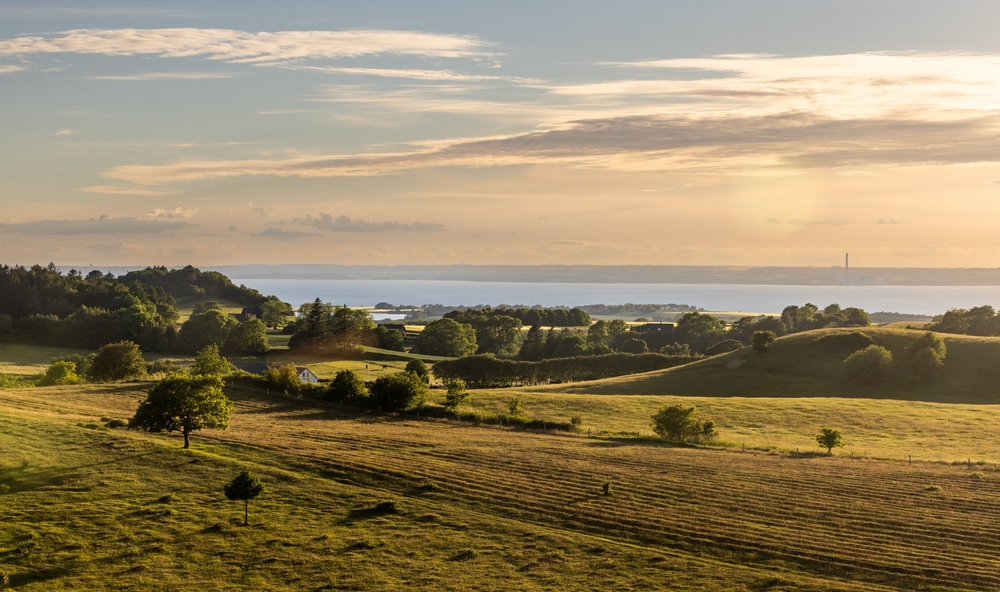
Outdoor exploration ranks high on the list of things to do in Denmark in September, with destinations like Mols Bjerge National Park offering ideal conditions. The crisp air and cooler temperatures make cycling or hiking through rolling hills, coastal trails, and woodlands refreshingly pleasant.
Wildlife is more active in autumn, so you might spot deer, birds, or foxes along the way. Many trails lead to panoramic viewpoints over the Kattegat Sea or picturesque villages. The golden tones of fall foliage enhance every step of the journey. Whether you prefer a peaceful forest path or a seaside cycling route, Denmark’s national parks in September deliver a perfect blend of nature, exercise, and tranquility.
Wildlife is more active in autumn, so you might spot deer, birds, or foxes along the way. Many trails lead to panoramic viewpoints over the Kattegat Sea or picturesque villages. The golden tones of fall foliage enhance every step of the journey. Whether you prefer a peaceful forest path or a seaside cycling route, Denmark’s national parks in September deliver a perfect blend of nature, exercise, and tranquility.
6. Take a Ferry Ride to Coastal Islands
Taking a ferry to Denmark’s islands is one of the most scenic activities to do in Denmark in September. The sea breezes are cool but comfortable, and the views of rocky coastlines and colorful fishing villages are unforgettable. Islands like Bornholm, Ærø, and Samsø offer peaceful retreats away from the bustle of the mainland.
You can explore charming harbors, sandy beaches, local artisan shops, and historic churches. September is also harvest time on some islands, so you might find fresh apple cider, smoked fish, and other local specialties. Whether for a day trip or an overnight stay, ferry rides provide both a relaxing journey and a deeper connection to Danish coastal culture.
You can explore charming harbors, sandy beaches, local artisan shops, and historic churches. September is also harvest time on some islands, so you might find fresh apple cider, smoked fish, and other local specialties. Whether for a day trip or an overnight stay, ferry rides provide both a relaxing journey and a deeper connection to Danish coastal culture.
Festivals & Events in September
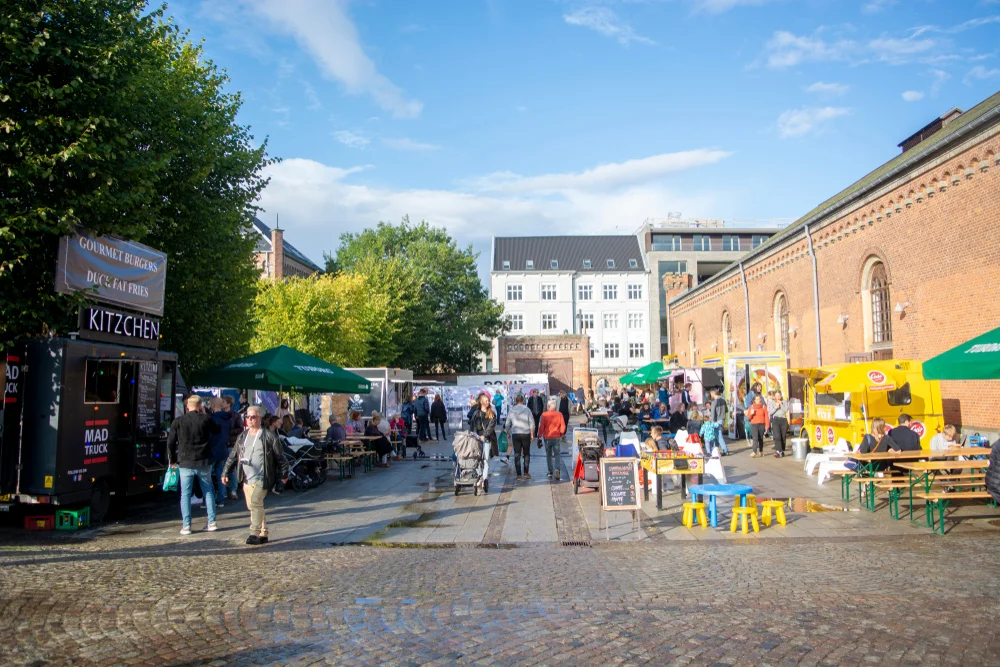
1. Aarhus Food Festival
The Aarhus Food Festival is a highlight for those visiting Denmark in September. Aarhus transforms into a tasting ground for some of Denmark's most innovative culinary concepts every September. Chefs, farmers, foragers, and food enthusiasts come together for the laid-back, outdoor Aarhus Food Festival. Through sourdough classes, fish sampling from the coast, street food pop-ups, ecological culinary demonstrations, and more, it honors Danish ingredients and Nordic cuisine. The ambiance is relaxed and friendly. You can take your time exploring the waterfront, try everything that catches your eye, and stop by to talk to local producers. It's a tasty introduction to Danish food and drink experiences, particularly for tourists interested in regional specialties or contemporary Nordic cuisine.
2. Golden Days Festival – Copenhagen
Every September, the Golden Days Festival, a citywide celebration of history, culture, and big ideas, gives Copenhagen a contemplative turn. In contrast to other festivals that concentrate on food or music, this one focuses on a specific subject every year. Through exhibitions, discussions, performances, and walking tours in Copenhagen, the festival brings it to life. One day, you might see a pop-up theatrical production in a public area, and the next day, you might see a lecture about ancient stories at a museum. This festival's accessibility is its greatest feature. To participate, you don't need a comprehensive itinerary or even a thorough knowledge of Danish history. The majority of the free events are intended to promote inquiry, introspection, and discussion.
3. Culture Night Pre-Events
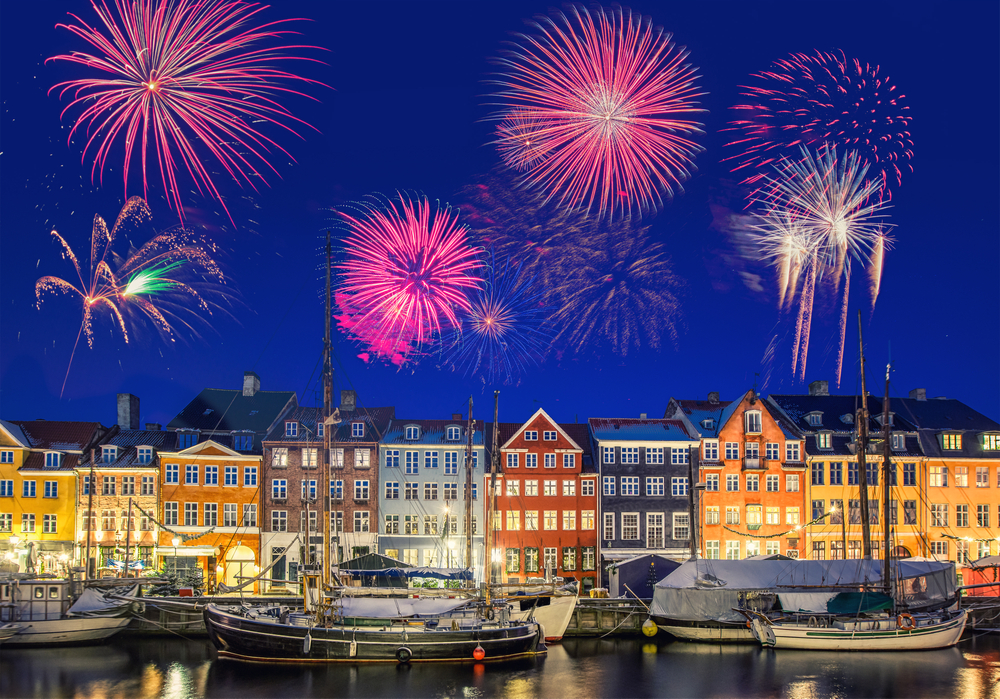
Culture Night pre-events in Copenhagen and other cities are an exciting introduction to the annual autumn celebrations. These festivals & events in September provide early glimpses into arts and culture before the main event in October. Museums, galleries, theaters, and libraries open their doors with special exhibitions, workshops, and performances. Visitors can experience behind-the-scenes tours and unique programs that showcase Danish creativity and heritage. These pre-events foster anticipation and engagement with the cultural scene. For travelers interested in the arts, attending Culture Night pre-events offers a rich taste of Denmark’s artistic vitality and is an enriching activity during Denmark in September.
4. Harvest Markets & Apple Festivals
Harvest markets and apple festivals are charming festivals & events in September that celebrate Denmark’s agricultural bounty. In towns and rural areas, markets brim with fresh autumn produce, including apples, pumpkins, root vegetables, and homemade goods. Visitors can sample cider, baked treats, and traditional dishes, often accompanied by live music and family-friendly activities. Apple festivals highlight the versatility of this beloved fruit, featuring tastings, crafts, and games. These harvest celebrations provide an authentic rural experience, connecting visitors to Danish farming traditions and seasonal rhythms.
5. Copenhagen Blues Festival (late September or early October)
The Copenhagen Blues Festival, held in late September or early October, is a vibrant festival & event in September for music lovers. The city’s clubs and venues host world-class blues performances, showcasing both established artists and emerging talent from Denmark and abroad. The festival balances traditional blues with contemporary interpretations, offering diverse styles and powerful live shows. Visitors enjoy intimate settings and energetic crowds that celebrate the rich heritage of blues music. The event enriches Denmark in September by adding dynamic nightlife and cultural depth, attracting audiences who appreciate soulful sounds and engaging musical experiences.
Weather in September: What to Expect
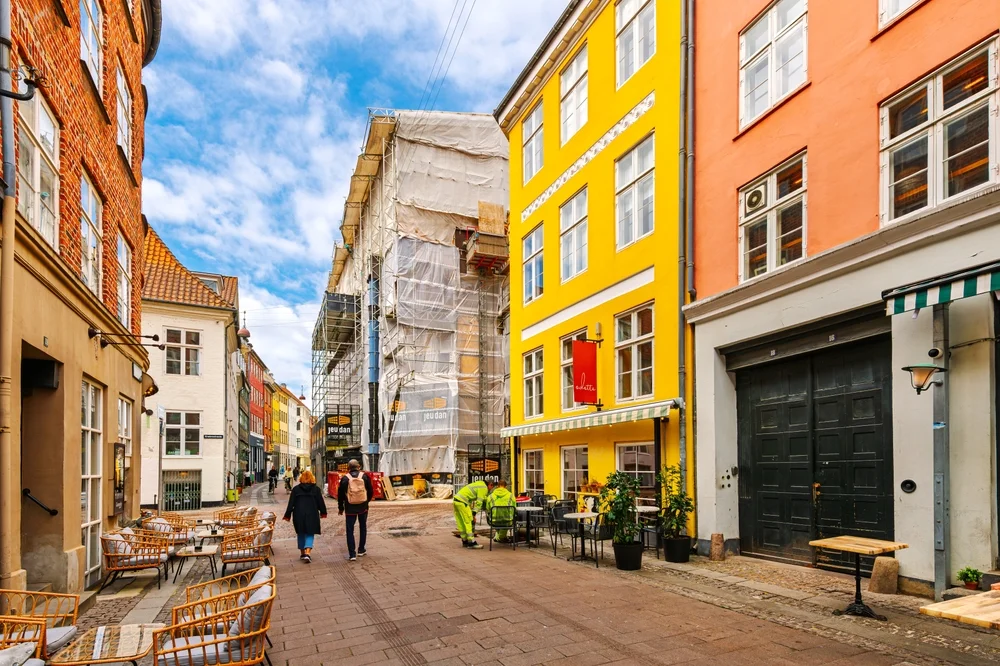
Denmark in September experiences mild and comfortably cool weather. Average temperatures range from about 12°C to 18°C (54°F to 64°F), making it pleasant for outdoor activities without the summer heat. Rainfall is moderate, so occasional showers are possible, but many days remain dry.
The daylight hours start to shorten compared to summer, but there is still enough daylight to enjoy sightseeing and exploring. The crispness in the air often enhances the beauty of autumn foliage. Overall, September weather in Denmark provides a balance of fresh air and tolerable temperatures ideal for tourists looking to explore the country’s natural and urban attractions.
The daylight hours start to shorten compared to summer, but there is still enough daylight to enjoy sightseeing and exploring. The crispness in the air often enhances the beauty of autumn foliage. Overall, September weather in Denmark provides a balance of fresh air and tolerable temperatures ideal for tourists looking to explore the country’s natural and urban attractions.
What to Pack for Denmark in September
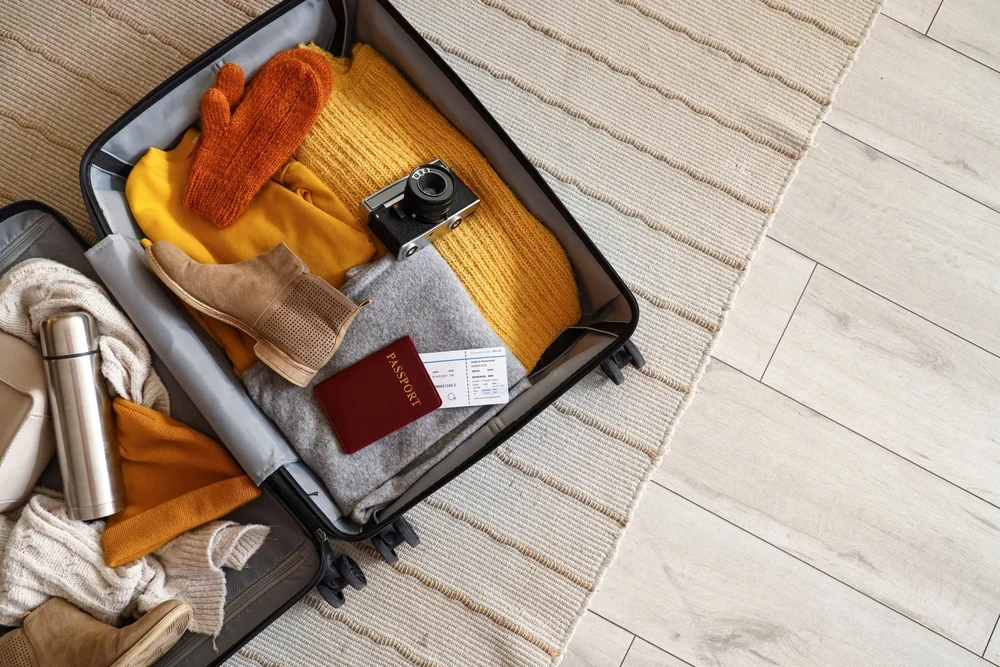
In September, packing for Denmark requires being ready for unpredictable weather. Almost every day has the potential for wind or rain, and the weather might change from clear mornings to pleasant afternoons. Layering is the way to go if you're planning city breaks or outdoor excursions in Denmark.
What to bring to Denmark in September is as follows:
What to bring to Denmark in September is as follows:
- A lightweight, waterproof jacket is necessary for blustery seaside days or unexpected downpours.
- Comfortable walking shoes: Perfect for exploring cities, national parks, and cobblestone streets.
- Layered tops: You have alternatives all day long with T-shirts, long sleeves, and a fleece or sweater.
- A scarf and windproof outerwear are particularly helpful while you're visiting the wide countryside or by the sea.
- Jeans or sturdy pants: Ideal for both city life and outdoor excursions.
- Crossbody bags or daypacks are useful for transporting reusable water bottles, food, and layers.
- Showers are frequently short but erratic, so bring a small umbrella or rain hat.
- Warmer evening layer: Even in urban areas, the temperature drops after sunset.
Want the best Denmark package, handpicked just for you?
Share your travel needs and our travel experts will reach out to you.
Insider guides
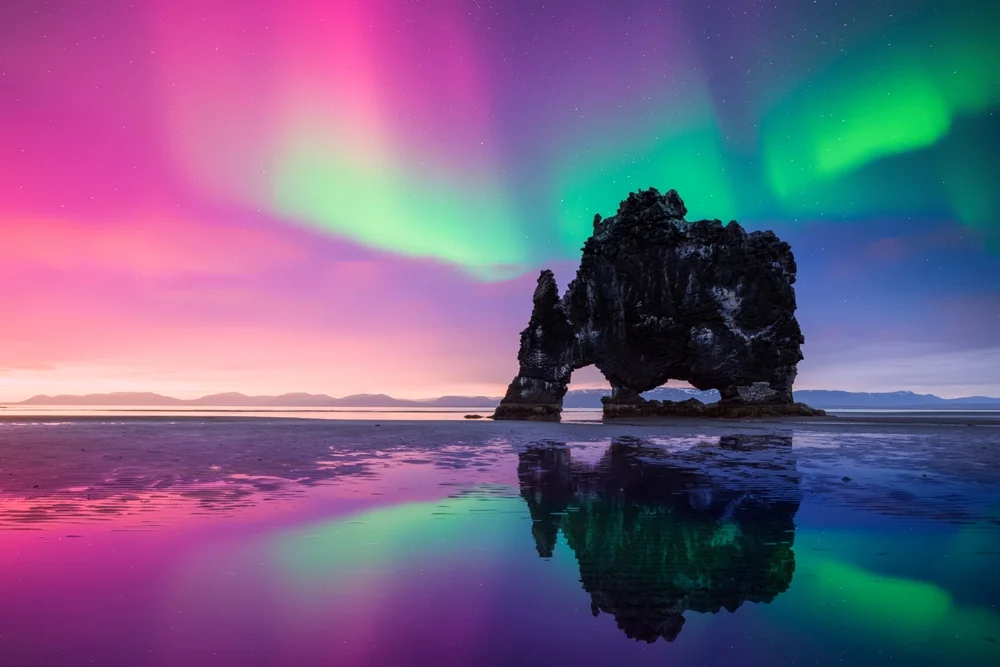
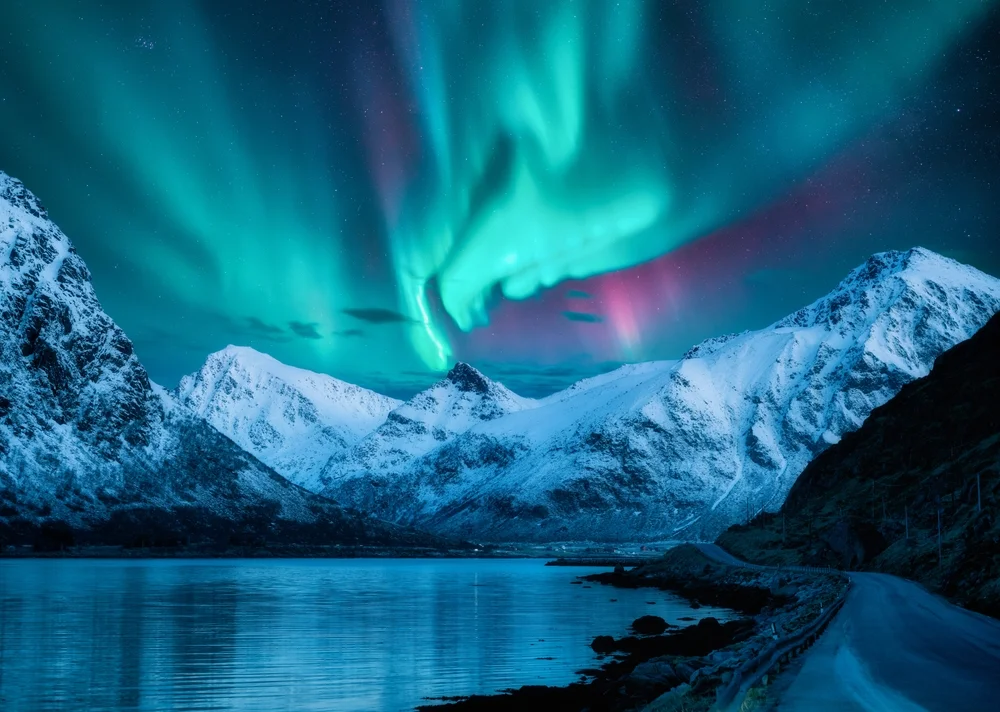
Northern Lights Travel Guide: When & Where to Go Aryaman Punj
Aryaman Punj2 July, 2025
Winter Wonderland: What Else to Do on a Northern Lights Trip  SG
SG
SG25 June, 2025
Frequently Asked Questions for Denmark
Yes, Denmark in September is a great time to visit. The weather is mild, the summer crowds have reduced, and the autumn scenery is beautiful. Many cultural events and festivals take place in September, enhancing the travel experience.
Denmark’s weather in September is generally mild and cooler than summer, with temperatures ranging from about 12°C to 18°C. Rain showers are possible but not overly frequent, and the days start getting shorter.
Layered clothing is recommended for September in Denmark. Bring sweaters, long-sleeve shirts, a light waterproof jacket, and comfortable shoes suitable for walking and outdoor activities.
Yes, Denmark hosts several festivals in September, including the Aarhus Food Festival, Golden Days Festival in Copenhagen, and harvest markets celebrating seasonal produce.
Tourist season winds down in September, so many attractions remain open but are less crowded than in summer. This makes it an ideal time for sightseeing with more relaxed conditions.
Yes, September is an excellent time to see fall colors across Denmark’s parks, forests, and countryside as the leaves begin to change from green to vibrant reds, oranges, and yellows.
Most major attractions in Denmark remain open in September. With fewer tourists, visitors can enjoy exploring museums, castles, and natural parks comfortably during this period.
Best International Tour Packages
France Tour PackagesBali Tour PackagesCroatia Tour PackagesGreece Tour PackagesSingapore Tour PackagesSwitzerland Tour PackagesTurkey Tour PackagesAustralia Tour PackagesAustria Tour PackagesCzech Republic Tour PackagesDubai Tour PackagesFinland Tour PackagesHungary Tour PackagesIceland Tour PackagesNetherlands Tour PackagesNew Zealand Tour PackagesNorway Tour PackagesPoland Tour PackagesGermany Tour PackagesVietnam Tour PackagesItaly Tour PackagesMauritius Tour PackagesThailand Tour PackagesMalaysia Tour PackagesKenya Tour PackagesJapan Tour PackagesSweden Tour PackagesSpain Tour PackagesIndia Tour PackagesMexico Tour PackagesPortugal Tour PackagesMaldives Tour PackagesSouth Africa Tour PackagesSri Lanka Tour PackagesPhilippines Tour PackagesUnited Kingdom Tour PackagesFiji Tour PackagesEurope Tour PackagesSeychelles Tour Packages
Best International Honeymoon Tour Packages
Thailand Honeymoon PackagesBali Honeymoon PackagesSingapore Honeymoon PackagesDubai Honeymoon PackagesMauritius Honeymoon PackagesGreece Honeymoon PackagesSwitzerland Honeymoon PackagesItaly Honeymoon PackagesSri Lanka Honeymoon PackagesJapan Honeymoon PackagesVietnam Honeymoon PackagesMalaysia Honeymoon PackagesMaldives Honeymoon PackagesNorway Honeymoon PackagesFinland Honeymoon PackagesIceland Honeymoon PackagesSpain Honeymoon PackagesCroatia Honeymoon PackagesDenmark Honeymoon PackagesAustralia Honeymoon PackagesSweden Honeymoon PackagesCzech Republic Honeymoon PackagesHungary Honeymoon PackagesGermany Honeymoon PackagesNetherlands Honeymoon PackagesPortugal Honeymoon PackagesPoland Honeymoon PackagesFrance Honeymoon PackagesAustria Honeymoon PackagesEurope Honeymoon PackagesSeychelles Honeymoon Packages
Best International Family Tour Packages
Thailand Family PackagesDubai Family PackagesBali Family PackagesMaldives Family PackagesMalaysia Family PackagesSingapore Family PackagesSwitzerland Family PackagesMauritius Family PackagesSri Lanka Family PackagesGreece Family PackagesItaly Family PackagesNorway Family PackagesVietnam Family PackagesDenmark Family PackagesFinland Family PackagesIceland Family PackagesJapan Family PackagesSweden Family PackagesPhilippines Family PackagesHungary Family PackagesPoland Family PackagesCzech Republic Family PackagesCroatia Family PackagesPortugal Family PackagesAustria Family PackagesSpain Family PackagesGermany Family PackagesNetherlands Family PackagesFrance Family PackagesEurope Family Packages