A visit to

Iceland

Iceland Destination guide

Quick Information

IDEAL DURATION

5 - 6 Days

per person

₹99,999
Iceland

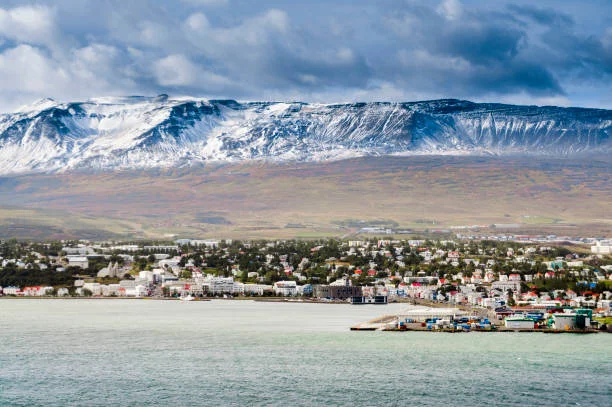
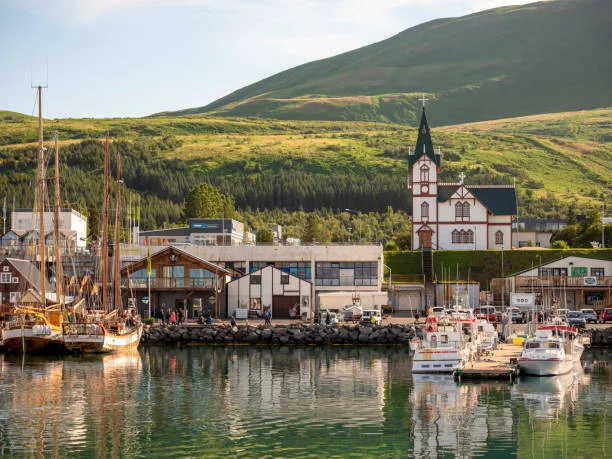
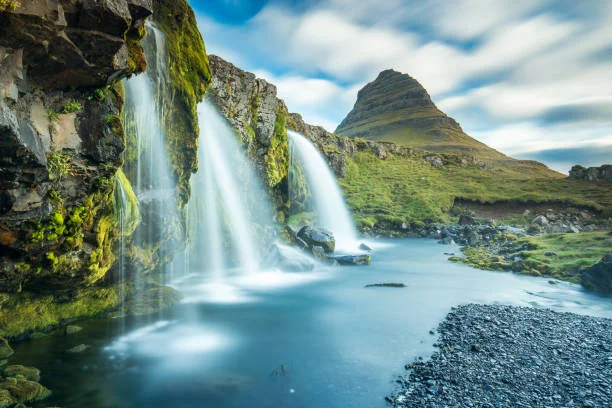
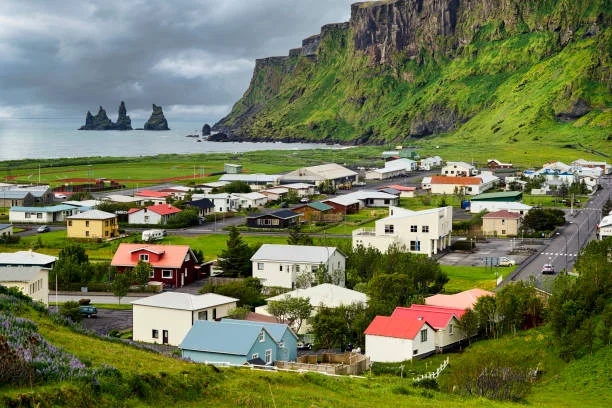
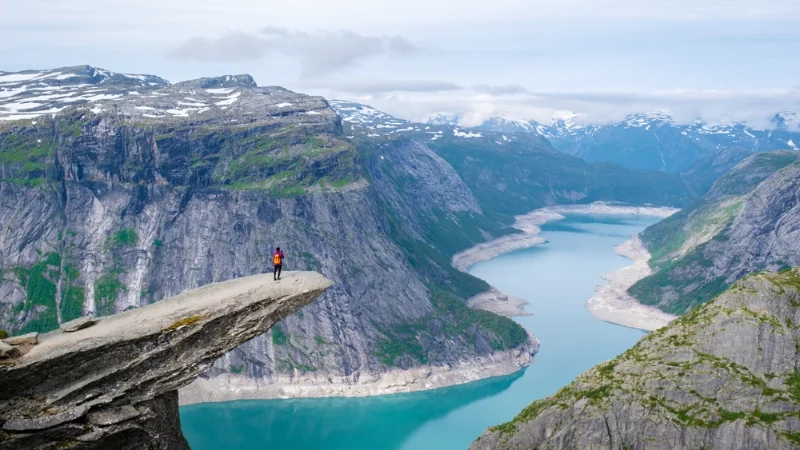
Iceland is a realm where the raw power of nature remains untamed, offering a surreal landscape that feels like another planet. Known as the "Land of Fire and Ice", this Nordic island nation is defined by its dramatic contrasts: massive glaciers sit atop active volcanoes, and black sand beaches are lashed by the icy Atlantic surf. Whether you are chasing...

Best time to visit

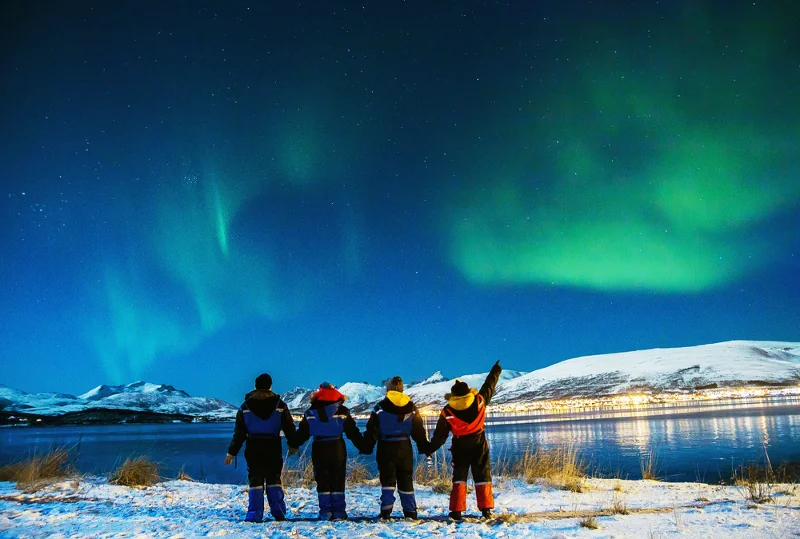
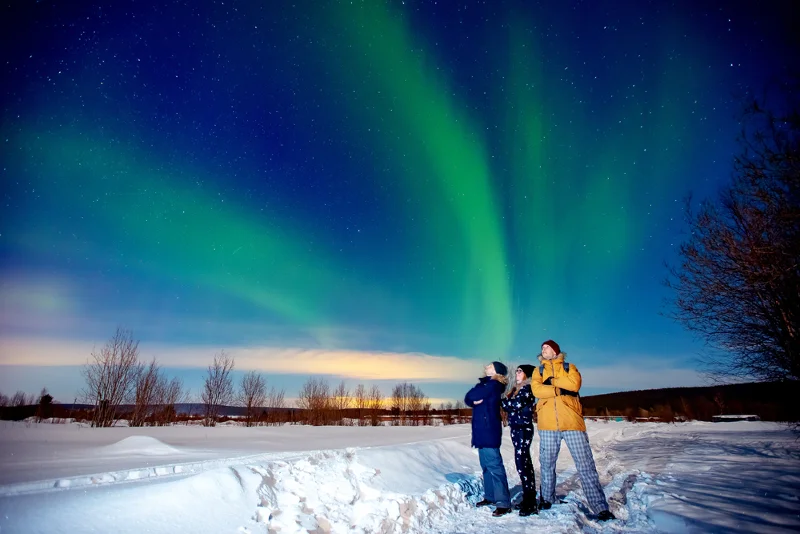
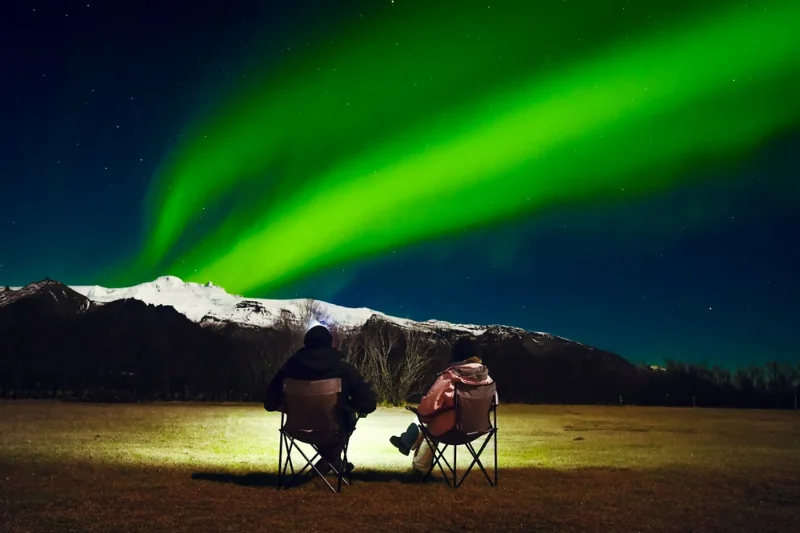
The best time to visit Iceland depends entirely on your travel goals. For mild weather and nearly 24 hours of daylight, June to August is ideal, offering full access to the Highlands and lush green landscapes. However, if your goal is to witness the Aurora Borealis, the period between September and March provides the necessary darkness. Shoulder seasons like May and September offer a perfect balance: fewer crowds, lower prices, and enough daylight for sightseeing. For 2026, August is particularly special due to the total solar eclipse visible from western Iceland.

Weather in Iceland
img

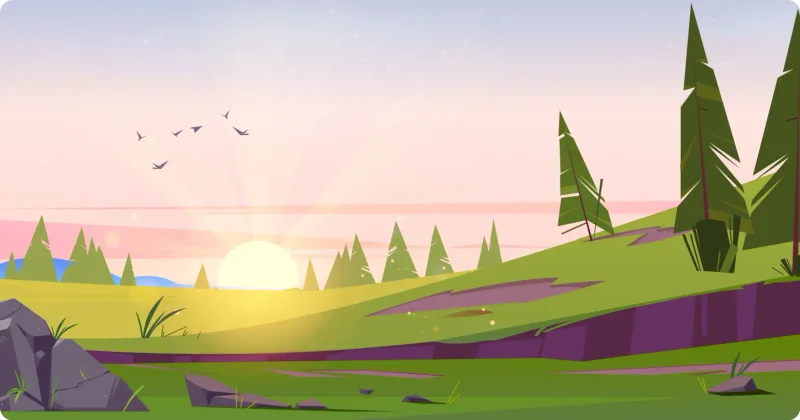
Jun - Aug

10-15°C

The Land of Eternal Daylight

Summer Season in Iceland

Experience the surreal Midnight Sun where daylight never fades. This peak season is perfect for exploring the lush Highlands, spotting puffins, and enjoying vibrant festivals. It is the only time all inland roads are accessible for 4x4 adventures.
img

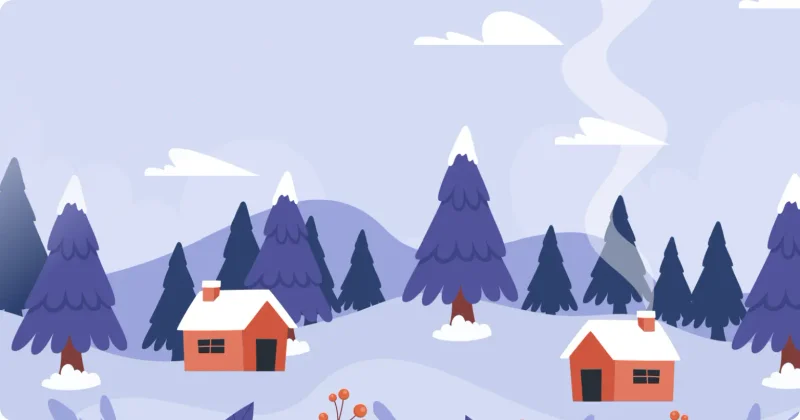
Nov - Mar

-1-4°C

The Kingdom of the Northern Lights

Winter Season in Iceland

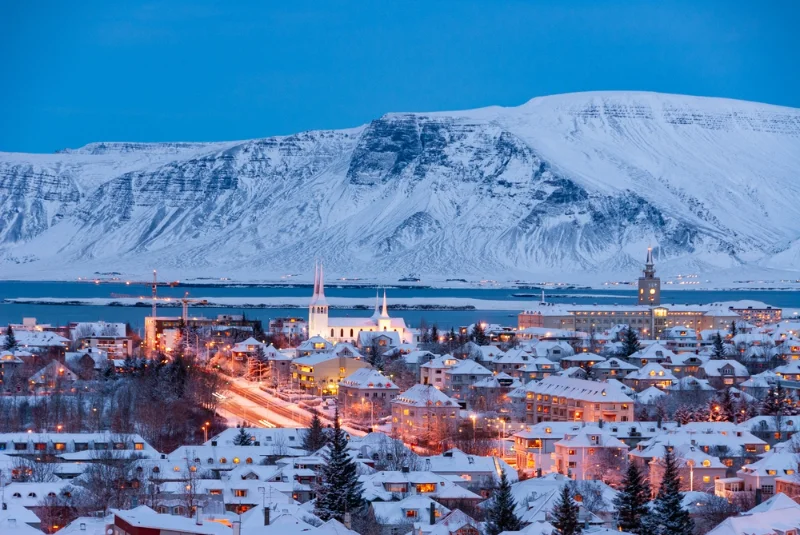
A magical season defined by snowy landscapes and the ethereal Aurora Borealis. Winter is perfect for exploring crystal-blue ice caves and relaxing in geothermal hot springs. Despite the shorter days, the "blue hour" twilight provides a stunning, cinematic atmosphere for travelers.

img

Sep - Oct

5-10°C

A Symphony of Fire and Gold

Autumn Season in Iceland

Iceland transforms into a palette of gold and rust during the fall. With the return of dark nights, the Northern Lights begin to appear. This season offers crisp air and stunning photography opportunities as the first snow dusts the mountains.

img

Apr - May

0-10°C

Nature’s Grand Awakening

Spring Season in Iceland

Witness nature’s rebirth as snow melts and migratory birds return. Spring offers longer days for sightseeing while maintaining a peaceful atmosphere. It is the ideal time to see thundering waterfalls fuelled by glacial meltwater before the summer crowds arrive.

How to reach Iceland

By Air

Most international travelers arrive via Keflavík International Airport (KEF), located 50 km from Reykjavik. Over 25 airlines operate flights connecting Iceland to Europe and North America. While there are no direct flights from India yet, travelers often transit through hubs like London, Paris, or Frankfurt for seamless connectivity.

By Train

Interestingly, Iceland has no public railway system. You cannot reach the country by train, nor can you travel between its cities on tracks. To experience a "rail-like" journey, travelers often take scenic bus tours or domestic flights to navigate the island’s rugged terrain and remote coastal villages.

By Road

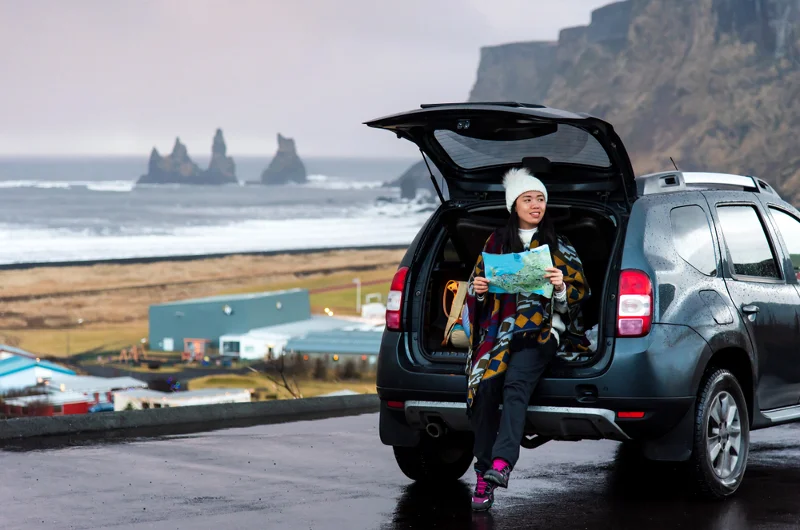
While you cannot drive to Iceland from another country, the "Ring Road" (Route 1) is the ultimate way to explore the island once you arrive. Renting a 4x4 vehicle is highly recommended for the Highlands. Iceland’s roads offer some of the world’s most scenic driving routes through volcanic fields.

By Sea

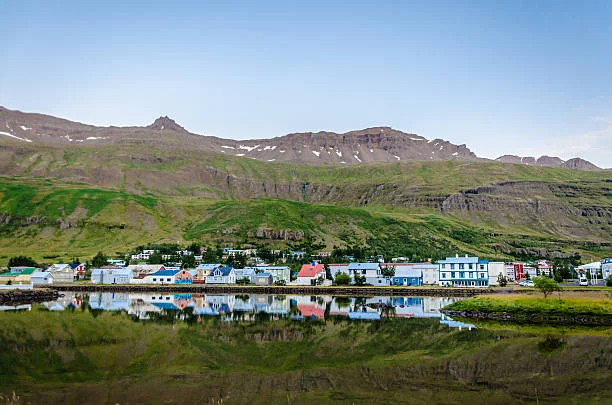
For a slow-travel experience, the Smyril Line ferry connects Iceland (Seyðisfjörður) with Denmark and the Faroe Islands. This journey takes approximately two days and allows travelers to bring their own vehicles. Additionally, many luxury cruise lines include Iceland as a primary stop on North Atlantic and Arctic itineraries.

Top packages for Iceland
What to Eat in Iceland

Skyr
Hákarl or Fermented Shark

Kjötsúpa

Hot Dog

Dark Rye Bread

Want the best Iceland package, handpicked just for you?

Share your travel needs and our travel experts will reach out to you.

Frequently Asked Questions for Iceland

Yes, Indian citizens must obtain a Schengen Visa to visit Iceland. Since Iceland is part of the Schengen Area, you must apply through the Icelandic embassy or VFS Global. The process typically requires proof of accommodation, flight bookings, travel insurance, and sufficient financial means (roughly ₹10,000 per day).

The "best" time is subjective. For hiking and the Midnight Sun, visit in July or August. For the Northern Lights and ice caves, February and March are optimal. If you want to avoid crowds while still enjoying decent weather, May and September are the best shoulder-season months.

Absolutely, 2026 is a milestone year because a total solar eclipse will occur on August 12, with the path of totality crossing western Iceland. Additionally, 2026 falls within the solar maximum period, meaning the Northern Lights will be exceptionally frequent and vibrant during the winter months.

Iceland is one of the world's most expensive destinations. A budget-conscious traveller should expect to spend at least ₹150,000 to ₹200,000 per person for a week (excluding flights). This includes staying in hostels or guesthouses, cooking some meals, and focusing on free natural attractions like waterfalls.

On average, expect to spend between $150 and $250 (approx. ₹12,500 – ₹21,000) per day. This covers a mid-range hotel, car rental share, gas, and two restaurant meals. You can reduce this by utilising supermarkets like Bónus or Krónan and booking accommodations with kitchen facilities.

Currently, there are no direct flights from India to Iceland. Travelers typically fly from major Indian cities like Delhi, Mumbai, or Bangalore and lay over in European cities such as Helsinki, London, or Munich. Total travel time usually ranges from 14 to 18 hours depending on layovers.

To experience the highlights, 7 to 8 days are ideal. This allows you to drive the Golden Circle and the South Coast. However, if you wish to complete the full 1,332 km Ring Road circuit comfortably, 10 to 12 days are recommended to avoid rushed travel.

Renting a car is the most efficient way to commute, offering the freedom to visit remote sites at your own pace. For those who prefer not to drive, organised bus tours from Reykjavik cover major attractions. There is no train service, and domestic flights are used for long-distance travel.

Yes, Indians can drive in Iceland using a valid Indian driving licence, provided it is printed in English or has a Latin script. You must be at least 20 years old for a standard car and 23 for a 4x4. Always carry your physical passport and a credit card for the rental.

While a standard Indian license in English is generally accepted by rental agencies, it is highly recommended to carry an International Driving Permit (IDP). It serves as an official translation and can prevent complications with local authorities or during insurance claims in case of an accident.

Indian food is available primarily in Reykjavik, where you’ll find well-regarded restaurants like Gandhi and Austur-Indíafjelagið. Outside the capital, options are very limited. Many Indian travelers carry ready-to-eat MTR packets or cup noodles to manage their diet and expenses while exploring the remote countryside.

The official currency is the Icelandic Króna (ISK). While it’s good to have some cash, Iceland is a nearly cashless society. You can pay for everything from a hot dog at a street stall to a public restroom fee using a credit or debit card with a PIN.

Yes, English is spoken fluently by almost everyone in Iceland. It is the primary language used in the tourism industry, and road signs in major areas often include English translations. You will have no trouble communicating in hotels or restaurants or while booking tours across the country.

Iceland is a premier choice for an adventurous honeymoon. The dramatic landscapes and cosy boutique hotels create a romantic yet rugged atmosphere. Couples often choose Iceland honeymoon packages to enjoy private lagoon soaks, helicopter tours over volcanoes, and stargazing from glass-roofed igloos under the dancing Aurora.

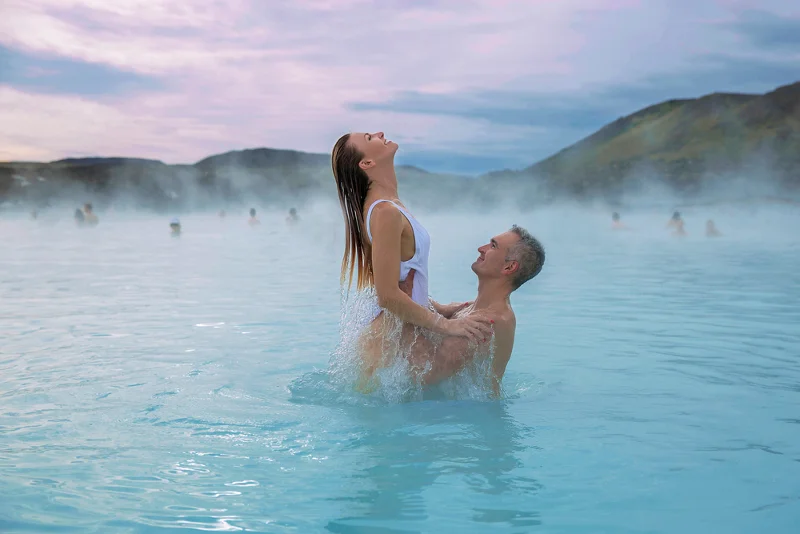
Yes, the Blue Lagoon is a world-renowned geothermal spa and a must-see. While it is touristy, the milky-blue, mineral-rich water and the surrounding volcanic landscape are unique. To avoid the heaviest crowds, book your slot for early morning or late evening, which are also the cheapest times.

October and March are often considered the best months. They offer a "sweet spot" of high solar activity around the equinoxes, sufficient darkness for viewing, and weather that isn't as extreme as mid-winter. September and November are also excellent months for clear, dark skies to spot northern lights which is a top choice when planning what to do in Iceland.

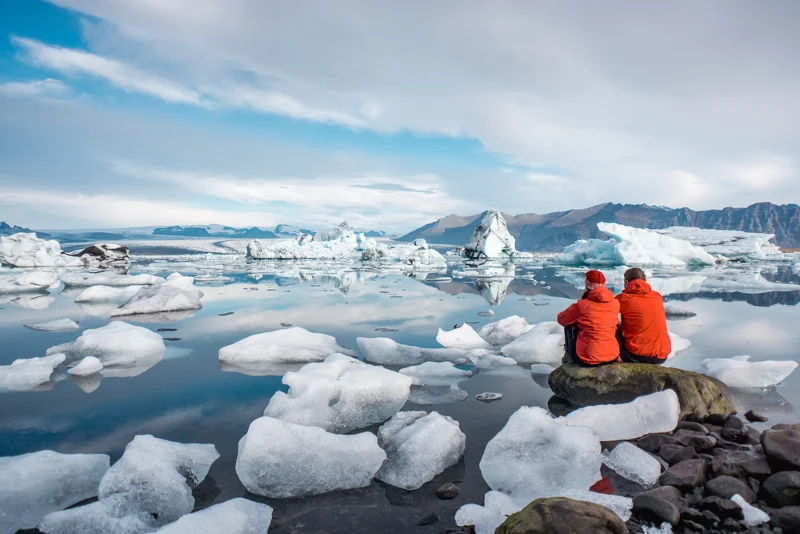
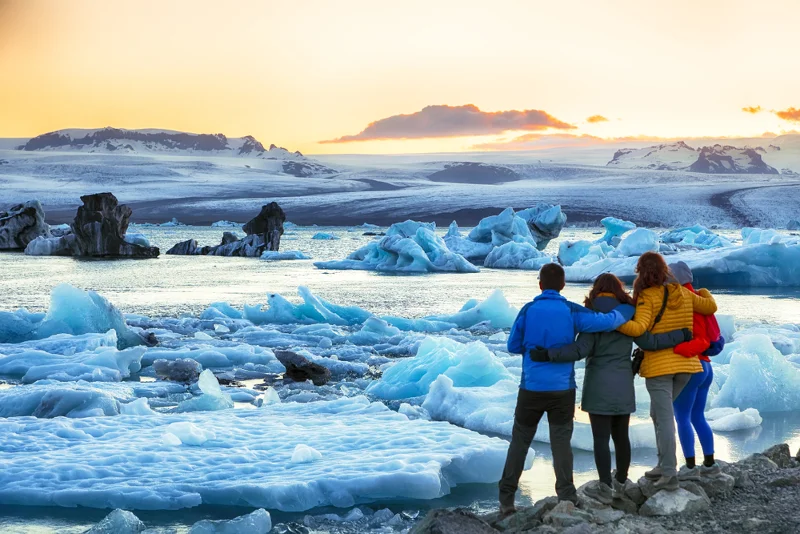
Thingvellir National Park, the Snæfellsnes Peninsula, and the Jökulsárlón Glacier Lagoon are iconic viewing spots away from city light pollution. For the best experience, stay in remote countryside hotels that offer "Aurora wake-up calls" to ensure you don't miss a sighting while you're asleep.

A standard bus tour from Reykjavik costs between ₹5,000 and ₹8,000 per person. For a more intimate experience, a small-group 4x4 tour ranges from ₹12,000 to ₹18,000. Most reputable tour operators offer a "free retry" the following night if the lights don't appear on your first trip.