
A visit to
Thailand
Scuba diving
Nature
Beach
Shopping
Quick Information
IDEAL DURATION
5 - 18 Days
per person
₹20,354
Thailand
Thailand stands as a beacon of Southeast Asian tourism, blending ancient heritage with a modern, high-energy pulse. From the mist-covered mountains of the north to the crystal-clear water of the Andaman Sea, this destination offers an unparalleled diversity of experiences. Whether you are navigating the neon-lit streets of Bangkok, exploring the gilded temples of Chiang Mai, or relaxing on the...
Best time to visit
Determining the ideal time to visit depends largely on your planned activities and the specific regions you wish to explore. Generally, the months from November to early February are considered the peak season across the country. During this window, the weather is consistently pleasant, characterised by cool breezes and minimal rainfall, making it perfect for sightseeing and beach hopping. However, if you are looking for specific packages, the shoulder season (April to May and September to October) offers a balance of lower prices and manageable crowds. While the heat intensifies in April, the lively Songkran festivities provide a unique cultural highlight. For those focusing on the Gulf of Thailand (Koh Samui or Koh Phangan), the weather remains favourable even when the Andaman Coast experiences heavier rains, ensuring that Thailand remains a viable year-round destination for global travellers.
Weather in Thailand

Mar - Jun
30–35°C
Splash into the Thai New Year
Summer Season in Thailand
Experience the vibrant energy of the Thai summer as temperatures climb across the central and northern regions. This is the peak time for the Songkran Water Festival, where the entire country engages in playful water fights to cool down. It is an excellent period for visiting sites like the Garden Palace or the Gulf islands, where the seas remain calm

Nov - Feb
20-30°C
Perfect Weather for Topical Adventures
Winter Season in Thailand
Enjoy the most popular travel window in Thailand, characterised by sapphire skies and refreshing temperatures. This season is ideal for outdoor activities, from trekking in the north hills to sunbathing on the southern beaches. Most major cultural festivals and outdoor events are scheduled during these dry, pleasant months.

Jul - Oct
28 -32°C
Greenery and Serenity at Great Value
Rainy Season in Thailand
Witness the transformation of the Thai landscape into a lush, emerald paradise during the rainy season. While rain showers are frequent, they are often short-lived afternoon bursts, leaving the rest of the day fresh. It is the best time for budget travellers.

Feb - Mar
26-33°C
Nature in Bloom under Golden Sun
Spring Season in Thailand
Observe the transition from the cool winter to the warmer summer months. In Thailand, this brief period is marked by blooming flora and increasing sunshine. It is a fantastic time for exploring the national parks before the peak summer heat sets in, offering a quieter atmosphere for nature lovers.
How to reach Thailand
By Air
Flying is the most convenient way to access the country. Major international hubs like Suvarnabhumi and Don Mueang in Bangkok receive hundreds of daily flights from across the globe. Direct connections are frequent from major Indian metros like Delhi, Mumbai, and Bangalore, with a flight duration of approximately 4 to 5 hours. Regional airports in Phuket, Chiang Mai, and Krabi also handle international arrivals, allowing for direct island access.
By Train
International train travel is primarily possible from Malaysia. The cross-border service connects Butterworth or Kuala Lumpur to Padang Besar, where travellers can board the Thai Railway to reach Bangkok or southern destinations like Hat Yai. While a slower option, it provides a unique perspective of the countryside. Plans for high-speed rail links connecting through Laos to China are also advancing, promising more regional rail connectivity in the future.
By Road
For the adventurous, driving into Thailand is possible via its land borders with Myanmar, Laos, Cambodia, and Malaysia. The India-Myanmar-Thailand trilateral highway is a notable route for long-distance overlanders, though it requires multiple permits and a Carnet de Passage for vehicles. Cross-border buses are also operational from neighbouring capitals like Vientiane and Siem Reap, providing an affordable and culturally immersive way to transition between Southeast Asian nations.
By Sea
Travellers can enter via luxury cruise liners or regional ferries. Major cruise ports include Laem Chabang (near Bangkok) and Phuket, which are popular stops on Southeast Asian maritime routes. Additionally, there are seasonal ferry services connecting the southern Thai islands with parts of Malaysia, such as Langkawi to Koh Lipe. This mode of transport offers a scenic and leisurely entry into the country's stunning coastal regions.
Top packages for Thailand
What to Eat in Thailand
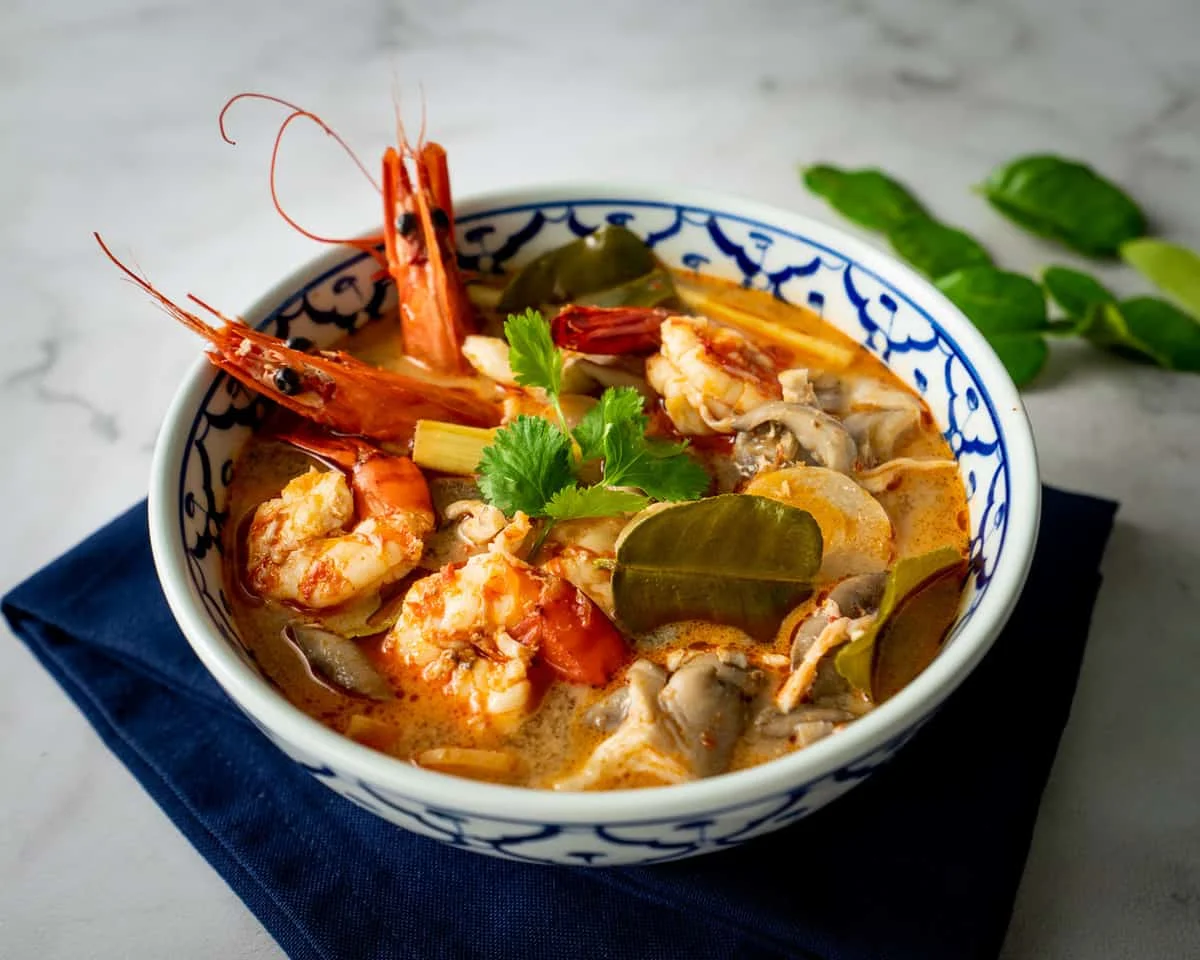
Tom Yum Goong (Spicy Shrimp Soup)
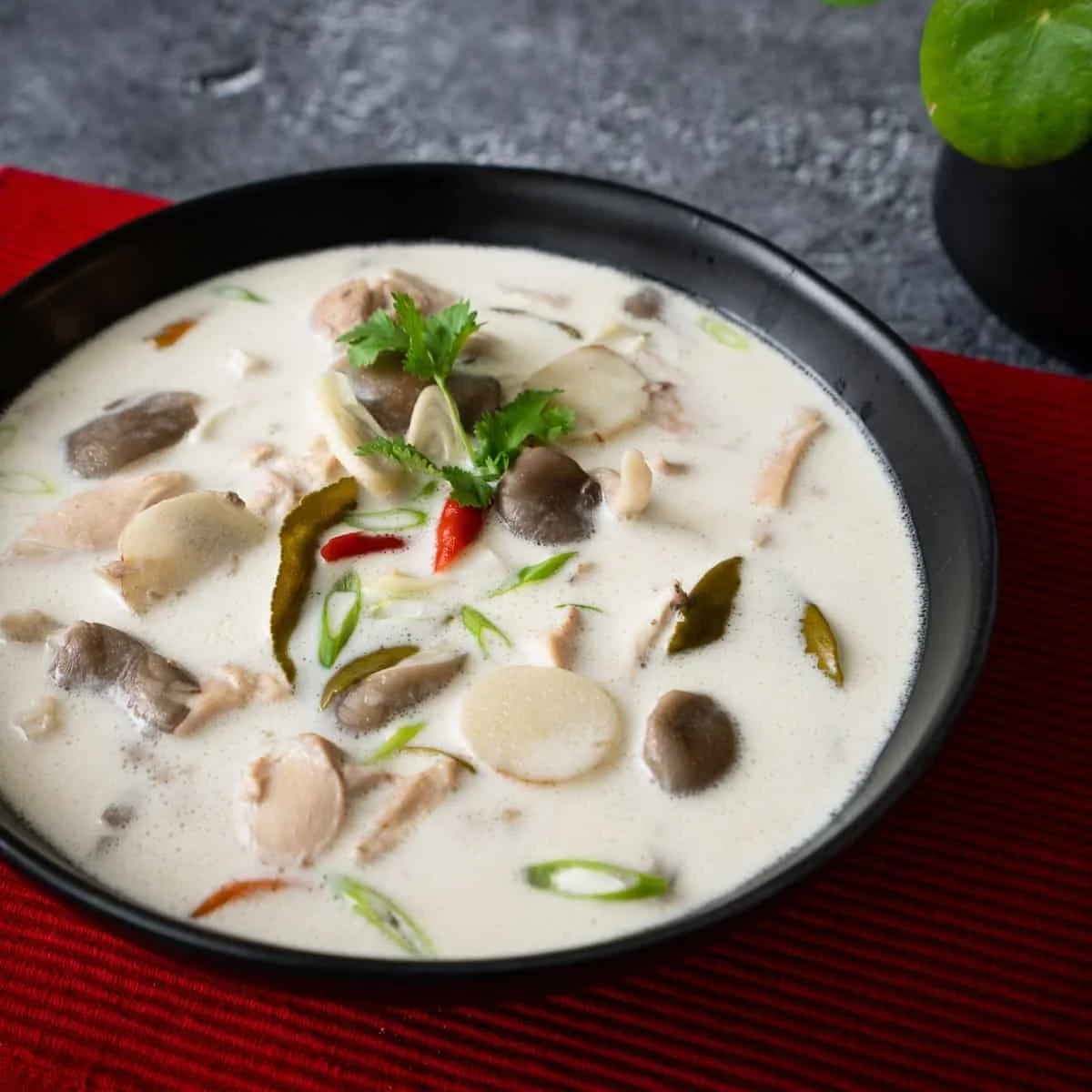
Tom Kha Kai (Chicken in Coconut Soup)
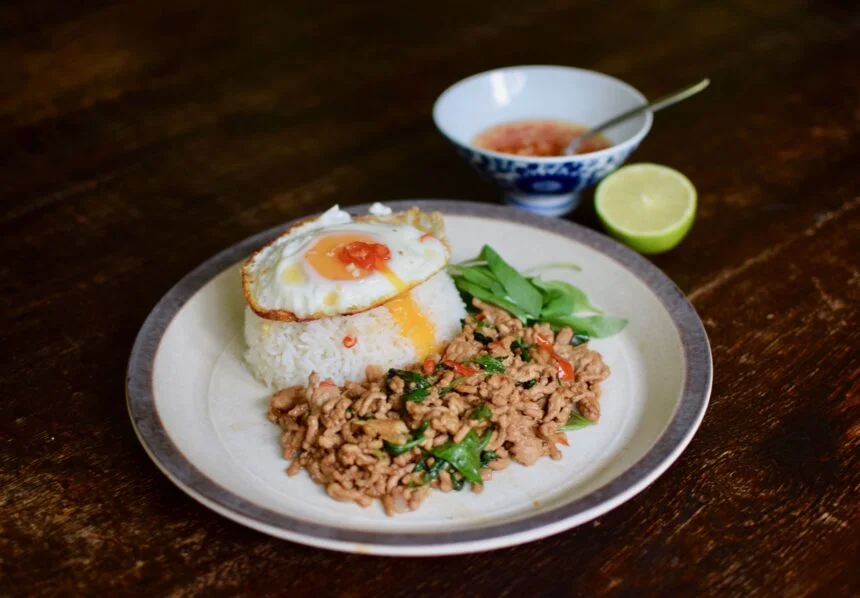
Pad Krapow Moo Saap (Fried Basil and Pork)
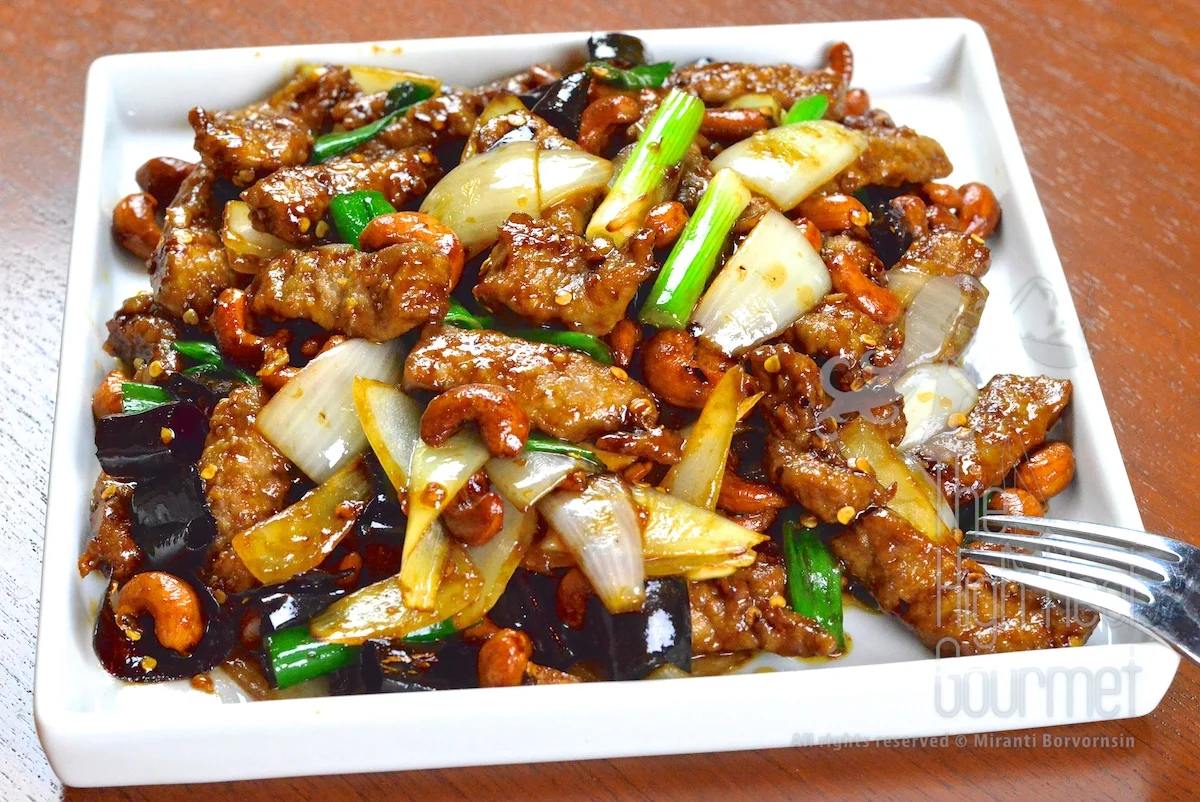
Kai Med Ma Muang (Chicken with Cashew Nuts)
Want the best Thailand package, handpicked just for you?
Share your travel needs and our travel experts will reach out to you.
Frequently Asked Questions for Thailand
- Dress modestly when visiting temples; ensure shoulders and knees are covered.
- Use ride-hailing apps like Grab or Bolt for transparent pricing compared to street taxis.
- Always carry a reusable water bottle, but only drink bottled or filtered water.
- Learn basic Thai phrases like "Sawatdee" (hello) and "Khop Khun" (thank you).
- Carry a universal power adapter (Type A and C are most common).
- Be mindful of the local laws regarding the monarchy, which are strictly enforced.
- Thai Silk: High-quality scarves and fabrics from Jim Thompson or local markets.
- Coconut Oil Products: Organic soaps, lotions, and pure oils.
- Spices and Sauces: Dried chillies, curry pastes, and Thai tea mixes.
- Handcrafted Decor: Intricate wood carvings and celadon ceramics.
- Spa Products: Essential oils and herbal compress balls for home relaxation.
- Elephant-themed Apparel: Popular and lightweight "elephant pants" for comfort.
- Sukhumvit: Best for upscale hotels, international dining, and easy BTS Skytrain access. Ideal for business and luxury travellers.
- Silom / Sathorn: A mix of business and leisure, great nightlife, and well connected by metro.
- Khao San Road area: The backpacker hub, perfect for budget travellers. Lively, affordable, and centrally located near temples.
- Riverside (Chao Phraya): Great for luxury stays with stunning river views. Ideal for a relaxed, scenic experience.
- Siam / Pratunam: Perfect for shoppers, centrally located near major malls and markets.
- Bangkok + Pattaya: Pattaya is just about 2 hours from Bangkok by road, making it an easy add-on. A combined trip of 5–6 days works well.
- Bangkok + Phuket: Phuket is a 1.5-hour flight or a 12-hour overnight bus/train ride from Bangkok. Plan at least 7–8 days for this combination.
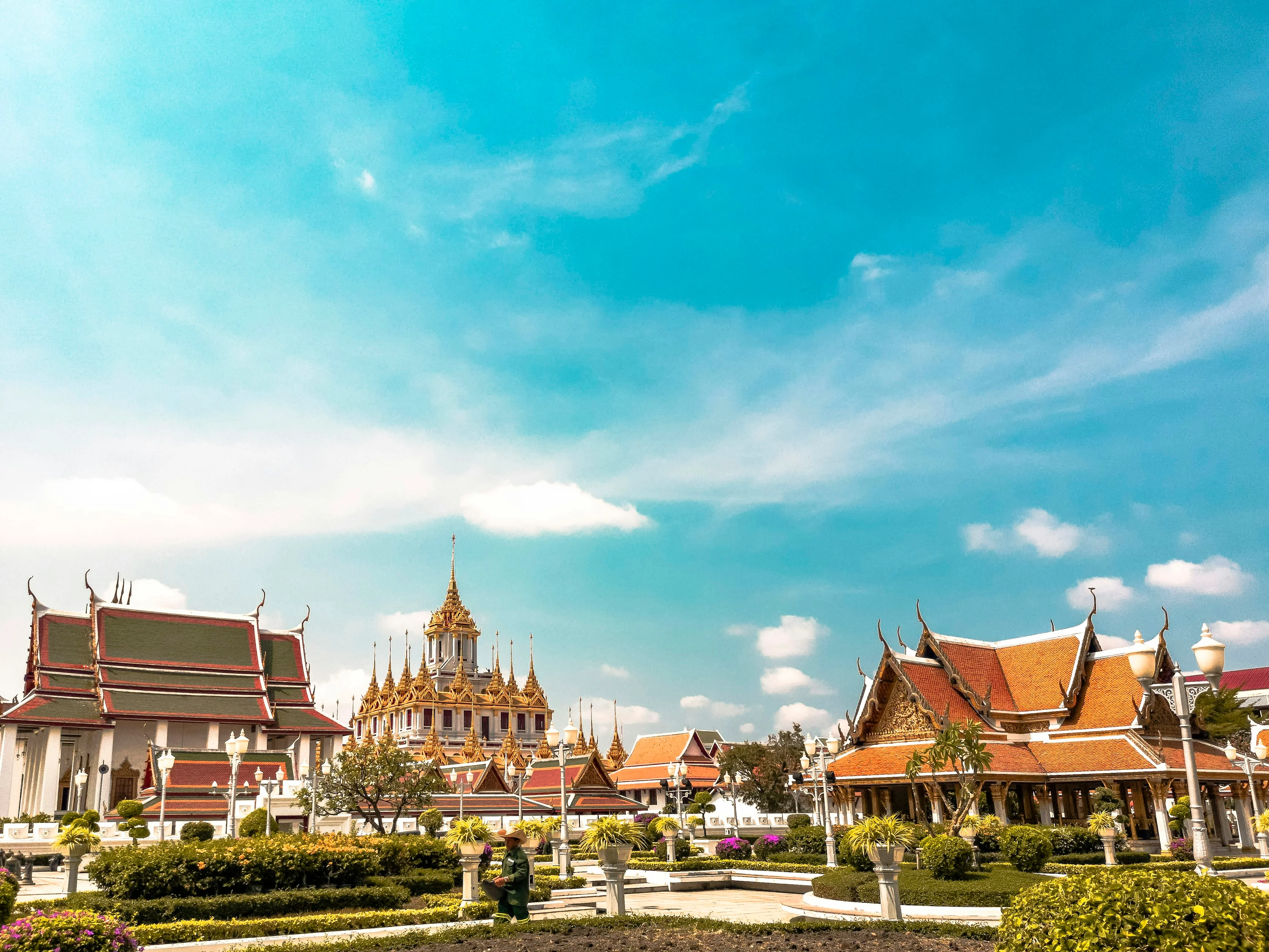
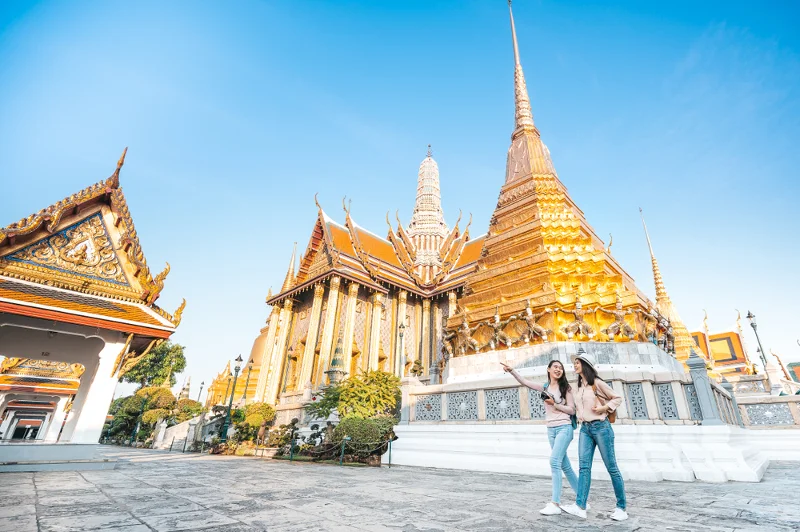
- Grand Palace: The most iconic landmark in Thailand, a breathtaking complex of royal halls and the sacred Wat Phra Kaew (Emerald Buddha Temple)
- Wat Pho: Home to the famous giant Reclining Buddha statue; also the birthplace of traditional Thai massage
- Wat Arun: The stunning "Temple of Dawn" on the banks of the Chao Phraya River
- Chatuchak Weekend Market: One of the largest markets in the world with over 15,000 stalls
- Asiatique The Riverfront: A popular open-air riverside night market with shopping, food, and entertainment
- Jim Thompson House: A beautifully preserved Thai silk merchant's home turned museum
- Damnoen Saduak Floating Market: A colourful and classic floating market experience just outside the city
- Wat Phra Kaew (Emerald Buddha Temple): Located within the Grand Palace complex; the most sacred temple in Thailand
- Wat Pho: Famous for its 46-metre-long Reclining Buddha; a must-visit for its history and architecture
- Wat Arun: Known for its unique spire decorated with colourful porcelain tiles; especially beautiful at sunset
- Wat Saket (Golden Mount): Offers panoramic views of the city from the top
- Wat Benchamabophit (Marble Temple): A stunning white Carrara marble temple with a peaceful atmosphere.
For shopping, Bangkok is a paradise. You can find everything from luxury brands in Siam Paragon and CentralWorld to budget fashion in Pratunam Market and MBK Center. Street markets like Chatuchak and Asiatique are great for souvenirs, handmade crafts, and local fashion.
- BTS Skytrain: The elevated metro system covering Sukhumvit and Silom lines; fast, affordable, and air-conditioned
- MRT (Metro): Underground rail network covering areas like Chatuchak, Silom, and Hua Lamphong
- Chao Phraya River Boats: A scenic and practical way to travel between riverside attractions
- Tuk-Tuks: The iconic three-wheeled auto-rickshaw; great for short distances, but always agree on the fare first
- Metered Taxis: Widely available and affordable; always insist on the meter
- Grab (Ride-hailing App): The Southeast Asian equivalent of Uber; very convenient for fixed-price rides
- Motorcycle Taxis: Useful for beating traffic on short trips through narrow streets
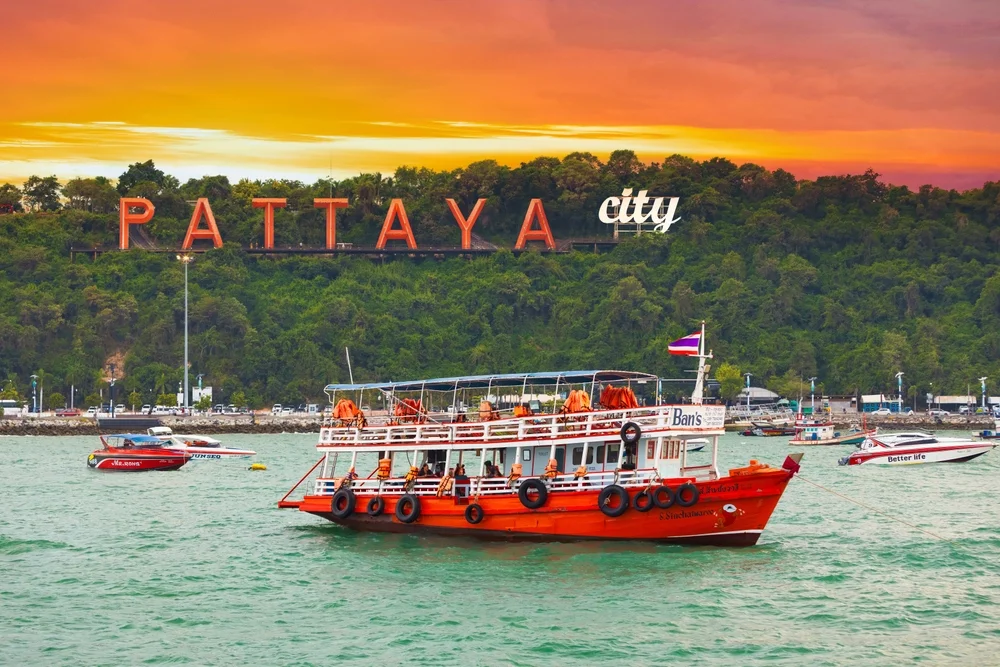
- Pattaya Beach Road (Central Pattaya): The most central area, ideal for first-time visitors; close to beaches, restaurants, and nightlife
- Jomtien Beach: Quieter and more family-friendly than the main beach; great for budget and mid-range stays
- North Pattaya: A calmer, more upscale area with luxury resorts and less noise; perfect for families and couples
- South Pattaya: Close to Walking Street and the nightlife hub; best for party-goers and night owls
- Pratumnak Hill: A peaceful area between Pattaya and Jomtien, known for boutique hotels and sea views
- Pattaya + Bangkok: This is the most popular combination for Indian travellers. The two cities are just 1.5 to 2 hours apart by road, making it easy to split a week-long trip between them. A 4+3 or 3+4 day split works perfectly.
- Pattaya + Phuket: These two beach destinations can be combined with a short domestic flight (approximately 1.5 hours from U-Tapao or Bangkok airports). Plan at least 7 to 8 days for this combination.
- Pattaya + Bangkok + Phuket: A classic 10-day Thailand itinerary that covers both city and beach experiences across the country.
- Sanctuary of Truth: A breathtaking all-wood temple and philosophical monument by the sea; one of Pattaya's most iconic landmarks
- Nong Nooch Tropical Garden: A sprawling botanical garden with Thai cultural shows, elephant performances, and beautifully manicured landscapes
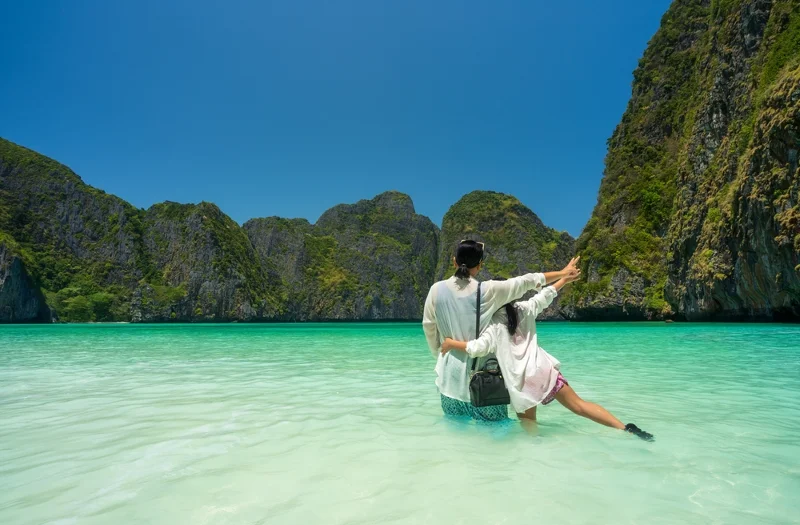
- Coral Island (Koh Larn): A stunning island just 45 minutes by speedboat, famous for crystal-clear water and snorkelling
- Underwater World Pattaya: A fascinating aquarium great for families and kids
- Pattaya Floating Market: A colourful market on water featuring local food, handicrafts, and Thai souvenirs
- Buddha Mountain (Khao Chi Chan): A massive laser-carved Buddha image on a cliff face, a peaceful and spiritual site
- Walking Street: Pattaya's most famous entertainment strip, lively after dark with restaurants, bars, and shows
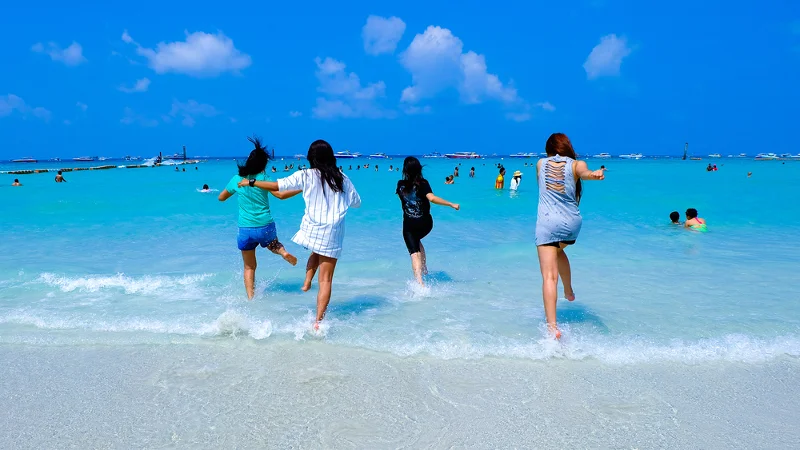
- Pattaya Beach: The main city beach; lively and central, ideal for water sports, beachside dining, and people-watching
- Jomtien Beach: Quieter and cleaner than Pattaya Beach; popular with families and long-stay tourists
- Koh Larn (Coral Island): The best beach experience near Pattaya; Tawaen Beach and Samae Beach on this island have clear turquoise water and white sand
- Wong Amat Beach: A quieter stretch in North Pattaya, preferred by those seeking a more relaxed atmosphere
- Naklua Beach: A less-touristy local beach, great for a calm morning walk or a quiet swim
- Songthaew (Baht Bus): The most popular local transport; these red shared pick-up trucks run along fixed routes and charge a flat fare of around 10–20 Baht per person
- Motorbike Taxis: Quick and cheap for short distances; ideal for beating traffic
- Tuk-Tuks: Available for hire; always agree on the fare before boarding
- Metered Taxis: Less common in Pattaya than Bangkok, but available; confirm meter usage before riding
- Grab: The ride-hailing app works well in Pattaya and offers fixed, transparent pricing
- Bicycle and Scooter Rentals: Available across the city; a fun and flexible way to explore at your own pace
For most tourists, the Baht Bus (Songthaew) is the go-to option for getting around the beachfront and city areas affordably.
- Patong Beach: The most lively area; perfect for nightlife lovers, first-time visitors, and those who want to be close to everything
- Karon & Kata Beach: Great for families and couples; quieter than Patong but still well-equipped with restaurants and shops
- Bang Tao: Upscale and relaxed; popular for all-inclusive luxury resorts and a long, pristine beach
- Surin: A chic, upmarket area known for stylish beach clubs and boutique hotels
- Rawai: A local, laid-back neighbourhood ideal for long-stay travellers and those wanting an authentic experience
- Phuket Old Town: Best for culture lovers; walkable, charming, and full of heritage cafes and Sino-Portuguese architecture
- Phuket + Bangkok: The most popular combination for Indian travellers. Fly between the two in just 1.5 hours. A 7 to 8-day trip split between the two cities covers both urban culture and beach relaxation perfectly.
- Phuket + Pattaya: Connect via a short domestic flight from Phuket to Bangkok, then travel to Pattaya by road. Plan at least 8 to 9 days for this duo.
- Phuket + Bangkok + Pattaya: The classic 10 to 12-day Thailand triangle itinerary, ideal for Indian travellers wanting the full Thai experience across cities and beaches.
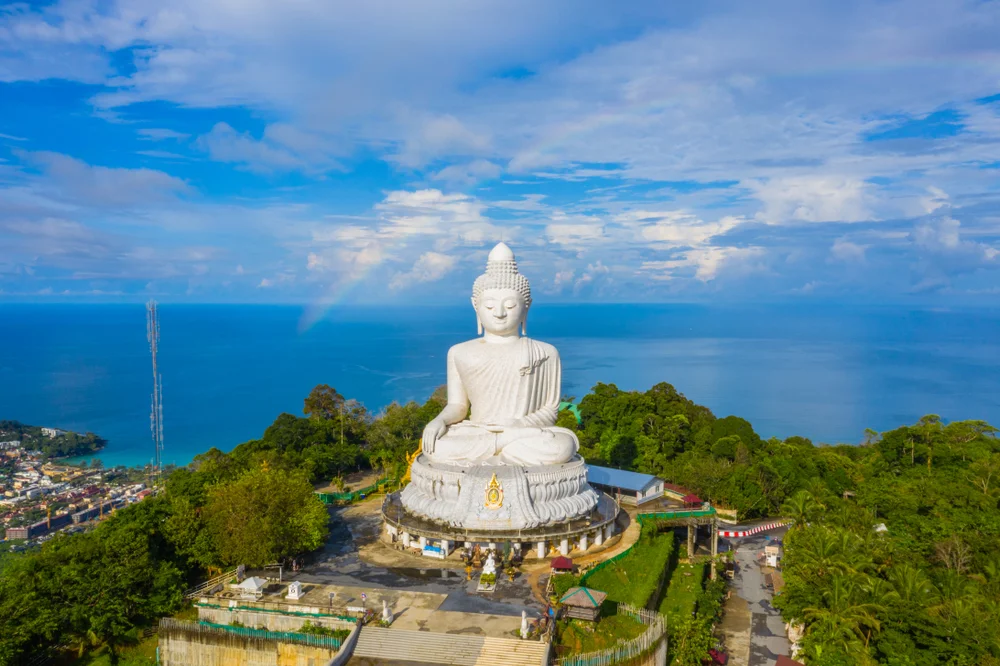
- Big Buddha: A 45-metre marble Buddha statue on Nakkerd Hill, offering panoramic views of the island
- Wat Chalong: The most important and visited Buddhist temple in Phuket; beautifully ornate and spiritually significant
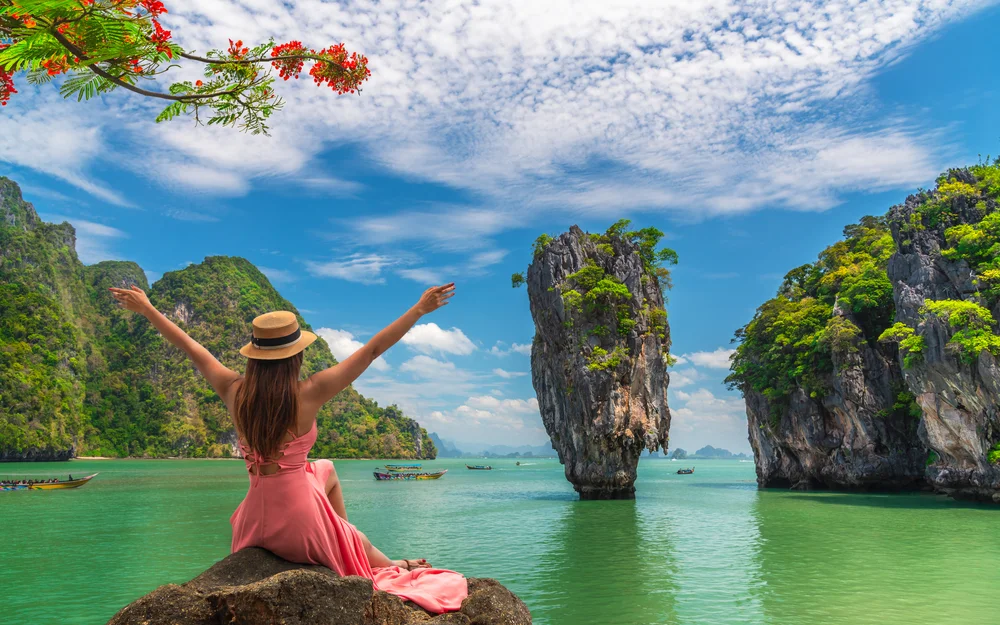
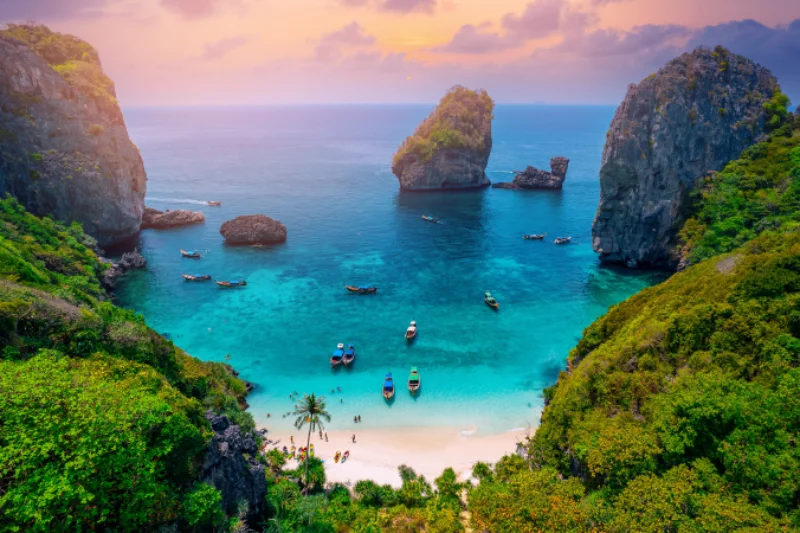
Phang Nga Bay & James Bond Island: Dramatic limestone karsts rising from emerald waters; one of Thailand's most iconic landscapes - Phi Phi Islands: A stunning island cluster famous for clear waters, snorkelling, and scenic viewpoints
- Phuket Old Town: A charming heritage area with Sino-Portuguese shophouses, street art, and vibrant local markets
- Patong Beach: The island's most famous beach, buzzing with energy, water sports, and beachfront dining
- Bangla Road: Phuket's most iconic entertainment street, coming alive after dark with lights, music, and festivities
- Patong Beach: The most popular and lively beach; great for water sports, people-watching, and beachside dining
- Karon Beach: Long, wide, and less crowded than Patong; ideal for families and relaxed swimming
- Kata Beach: A beautiful crescent-shaped bay popular with surfers and couples
- Surin Beach: Upscale and scenic; known for its calm waters and stylish beach clubs
- Kamala Beach: Quiet and relaxed; perfect for those wanting to avoid the crowds
- Mai Khao Beach: Phuket's longest and most secluded beach; home to luxury resorts and a peaceful environment
- Rawai Beach: Not ideal for swimming but great for seafood restaurants and catching boats to nearby islands
- Scuba Diving & Snorkelling: World-class dive sites around Phi Phi Islands, Racha Islands, and Shark Point
- Surfing: Kata Beach and Kalim Beach are popular surfing spots, especially during the monsoon season (May–October)
- Kayaking: Explore sea caves and mangroves in Phang Nga Bay by kayak
- Jet Skiing & Parasailing: Widely available along Patong and Karon beaches
Flyboarding & Wakeboarding – Increasingly popular activities available at major beaches - Deep-Sea Fishing: Charter boats are available for full-day fishing trips in the Andaman Sea
Whether you are a beginner or an experienced water sports enthusiast, Phuket's warm waters and well-organised operators make it a safe and thrilling playground.
- Songthaew (Shared Minibus): Colour-coded shared vehicles that run fixed routes between beaches and town; the most affordable option
- Tuk-Tuks: Widely available but more expensive than Songthaews; always negotiate the fare in advance
- Metered Taxis: Available at the airport and major hotels; more reliable for fixed pricing
- Grab: The ride-hailing app works well in Phuket and is the most convenient option for hassle-free travel
- Scooter/Motorbike Rental: Very popular among tourists; gives maximum flexibility to explore the island at your own pace (valid driving licence required)
- Car Rental: Available at the airport and in Patong; ideal for families or groups wanting to explore multiple beaches in a day
- Ao Nang: The most popular tourist hub; great for first-time visitors with easy access to beaches, restaurants, bars, and boat trips
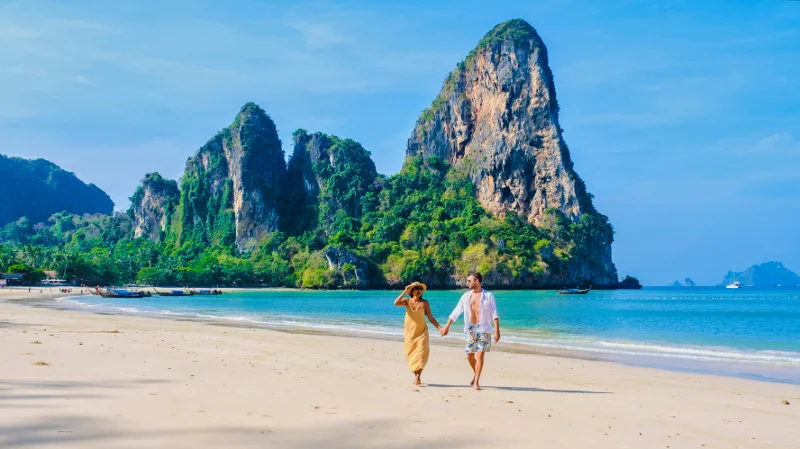
- Railay Beach: Accessible only by boat; a secluded and magical spot ideal for couples and honeymooners
- Krabi Town: The local town centre; perfect for budget travellers and those wanting an authentic Thai experience with night markets and riverside dining
- Klong Muang Beach: A quiet, upscale stretch with luxury resorts; ideal for families and travellers seeking privacy and comfort
- Koh Lanta: A relaxed island within Krabi Province; great for long-stay travellers wanting a slow-paced beach holiday
- Krabi + Phuket: The most popular combination; the two are connected by ferry (1.5–2 hours) or a 3-hour drive. A 7 to 8-day trip splitting time between both destinations is ideal.
- Krabi + Bangkok: Fly between the two in just 1.5 hours. Plan a 7-day itinerary with 3 days in Krabi and 4 days in Bangkok for a great mix of nature and city life.
- Krabi + Phuket + Bangkok: A classic 10 to 12-day Thailand itinerary covering beaches, islands, and the capital, perfect for Indian travellers on a longer holiday.
- Railay Beach: One of Thailand's most stunning beaches, accessible only by boat and surrounded by towering limestone cliffs
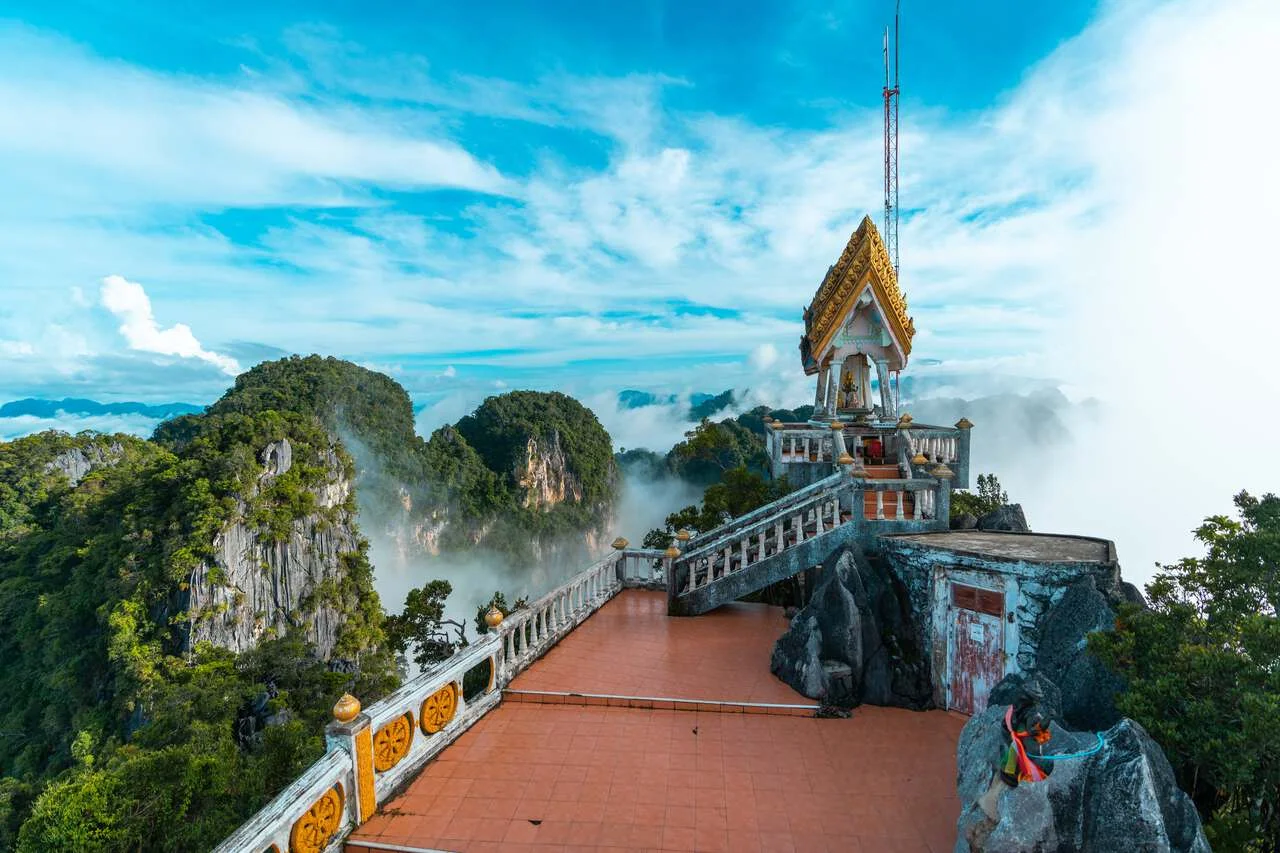
- Tiger Cave Temple (Wat Tham Suea): A sacred temple atop a 1,237-step climb rewarding visitors with panoramic views of Krabi
- Phi Phi Islands: Iconic islands with crystal-clear waters, dramatic scenery, and excellent snorkelling
- Four Islands Tour: A popular boat tour covering four beautiful islands including Koh Poda, Koh Gai (Chicken Island), and Tup Island
- Emerald Cave (Tham Morakot): A magical sea cave on Koh Mook that opens into a hidden beach; accessible only by swimming through a tunnel
- Railay Beach: A secluded paradise only reachable by long-tail boat; surrounded by cliffs and ideal for swimming and rock climbing
- Phra Nang Cave Beach: One of the most beautiful beaches in all of Thailand; calm, clear water and dramatic scenery
- Ao Nang Beach: Krabi's most accessible and lively beach; great for sunsets, watersports, and boat trip departures
- Klong Muang Beach: Quiet, wide, and lined with upscale resorts; perfect for a peaceful beach day
- Rock Climbing: Railay and Tonsai beaches are world-famous climbing destinations with routes for all levels
- Island Hopping: Take a boat tour to the Phi Phi Islands, Four Islands, or Koh Lanta for a full day of exploration
- Kayaking: Paddle through mangroves, sea caves, and lagoons around Ao Thalane and Bor Thor
- Snorkelling and Scuba Diving: The coral reefs around Phi Phi and Koh Haa offer outstanding underwater visibility
- Thai Cooking Classes: Learn to cook authentic Thai dishes using fresh local ingredients
- Songthaew (Shared Pick-up Taxis): The most common and affordable local transport; widely available in Ao Nang and along beach roads
- Long-Tail Boats: Essential for reaching Railay Beach, Phra Nang Cave, and nearby islands; boats depart from Ao Nang Pier regularly
- Tuk-Tuks: Available for short distances; negotiate the fare before boarding
- Grab – Works in Krabi Town and Ao Nang; convenient for fixed-price hassle-free rides
- Scooter/Motorbike Rental: Widely available and ideal for exploring beaches and inland areas independently
- Car Rental: Available at Krabi Airport through agencies like Hertz, Budget, and Sixt; great for families or groups
- Chaweng: The most lively tourist hub, best for nightlife and solo travellers
- Lamai: A laid-back beach area great for relaxed holidays
- Bophut (Fisherman's Village): Best for families, foodies, and couples seeking calmer nightlife
- Choeng Mon: Ideal for honeymooners, families, and digital nomads
- Mae Nam: Perfect for budget travellers and long-stay visitors looking for a local feel
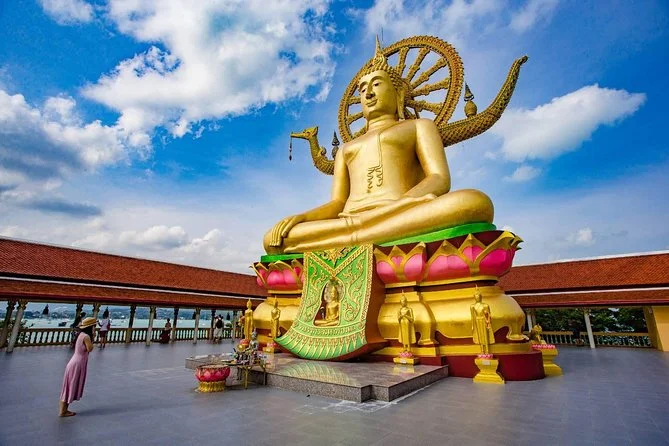
- Big Buddha Temple (Wat Phra Yai): An iconic 12-metre golden Buddha statue
- Na Muang Waterfalls: Twin jungle waterfalls perfect for hiking
- Fisherman's Village (Bophut): A charming waterfront market street
- Samui Elephant Sanctuary: An ethical wildlife experience
- Secret Buddha Garden: A mystical hilltop garden with statues and sculptures
- Ta and Hin Yai Rocks: Unique natural rock formations on the southern coast
- Songthaews (shared pickup trucks): The most common and affordable local transport
- Motorbike rentals: Popular and convenient for exploring at your own pace
- Taxis and ride-hailing apps: Available but can be more expensive
- Car rentals: Ideal for families or those planning to explore the entire island
- Tuk-tuks: Available in tourist-heavy areas for short distances