A visit to

Portugal

Romance

Quick Information

IDEAL DURATION

5 - 13 Days

per person

₹55,999
Portugal

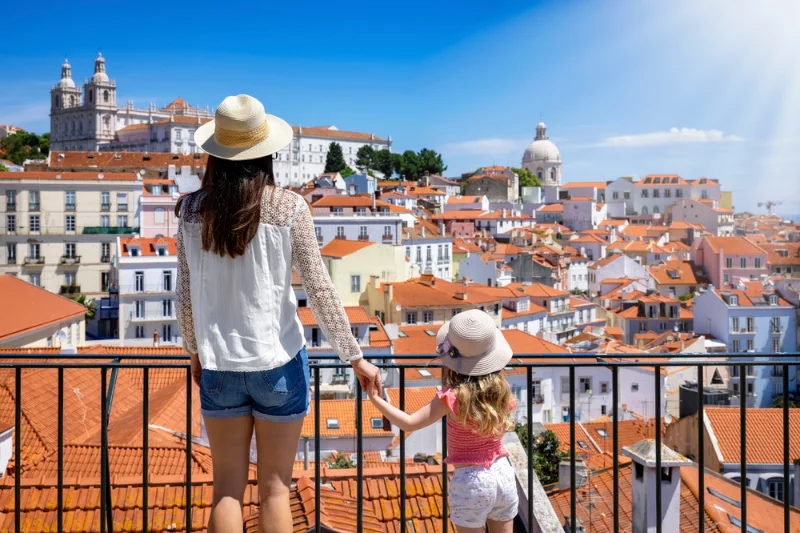
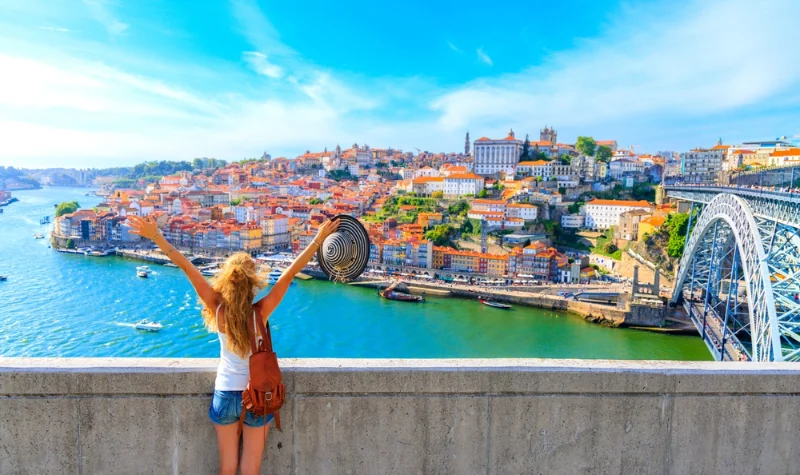
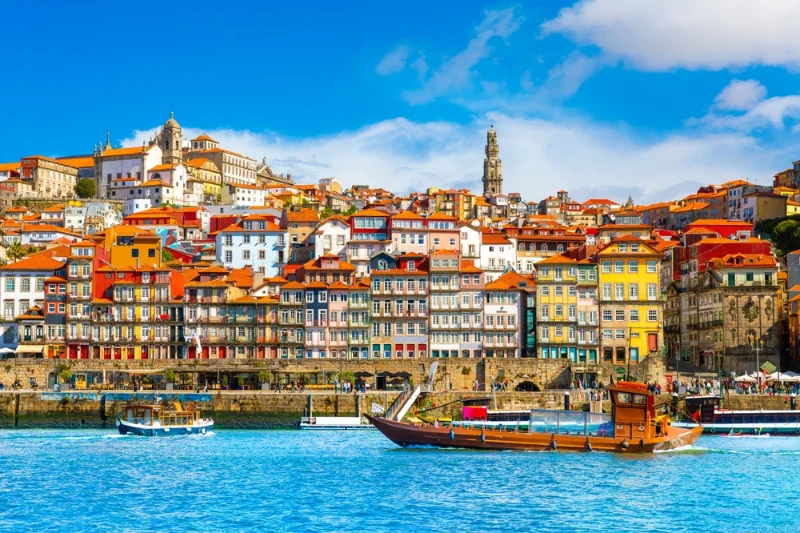
Perched on the southwestern edge of Europe, Portugal is a country that has been quietly captivating travelers for decades, and in recent years, the secret is fully out. This Atlantic-facing nation offers an extraordinary blend of sun-drenched coastlines, medieval hilltop villages, world-class cuisine, and a warmth of character that is entirely its own. From the cobblestone alleys of Lisbon's Alfama...

Best time to visit

The best time to visit Portugal is from April to October, when the weather is warm, skies are clear, and all coastal and cultural attractions are in full swing. Spring (April–June) offers blooming landscapes and mild temperatures without the peak-season crowds. July and August are the hottest and busiest months. For fewer tourists and pleasant weather, September and October are ideal. Winter is mild by European standards and perfect for city exploration.

Weather in Portugal

img

Jun - Aug

25-35°C

Golden Beaches, Endless Sunshine, Atlantic Bliss

Summer Season in Portugal

Portugal's summer is hot, golden, and buzzing with energy. Beaches across the Algarve, Cascais, and the Silver Coast fill with sunbathers, while Lisbon and Porto host open-air festivals, rooftop events, and outdoor dining well into the night. It is peak tourist season, so booking ahead is essential.

img

Dec - Feb

8-15°C

Mild Winters, Cozy Cities, and Off-Season Magic

Winter Season in Portugal

Portugal's winter is mild compared to the rest of Europe, making it a popular escape for those fleeing harsher climates. Lisbon and Porto remain fully operational with museum visits, food tours, and cultural experiences in full flow. The Algarve even sees sunny days perfect for walks along clifftops and quiet beaches.

img

Sep - Nov

14-22°C

Harvest Gold, Big Waves, and Authentic Moments

Autumn Season in Portugal

Autumn is one of Portugal's most underrated seasons. Harvest festivals animate the Douro Valley, surf conditions peak along the west coast, and the golden light makes every landscape photograph beautifully. City sightseeing is comfortable, crowds thin considerably after September, and the entire country takes on a quieter, more authentic character.

img

Mar - May

15-22°C

Bloom, Explore, and Discover Without the Crowds

Spring Season in Portugal

Spring is Portugal at its most effortlessly beautiful. Wildflowers blanket the Alentejo plains, the cities are alive with energy, and the weather is warm without the intensity of summer. Crowds are thinner and prices more reasonable, making it a favorite season for travelers who want comfort without compromise.

How to reach Portugal

By Air

Lisbon Humberto Delgado Airport (LIS) is Portugal's main international gateway, with Porto Francisco Sá Carneiro Airport (OPO) serving the north. There are no direct flights from India currently, but one-stop connections via Dubai, Doha, London, Frankfurt, and Amsterdam are widely available through Emirates, Qatar Airways, TAP Air Portugal, and Lufthansa. Total travel time from India ranges between 11 and 16 hours depending on the layover city.

By Train

Portugal is connected to Spain by rail, with direct Renfe train services running between Madrid and Lisbon (approximately 10 hours) and Vigo to Porto. Within the Iberian Peninsula, trains are comfortable and scenic. For travelers already exploring Europe, combining Portugal with a Spanish rail itinerary is a popular and enjoyable option. Portugal's national rail operator, CP (Comboios de Portugal), also connects major domestic cities efficiently.

By Road

Portugal shares its only land border with Spain, making road entry straightforward. The AP-7 and A6 highways link Madrid to Lisbon in roughly 6 hours, while northern Spain connects easily to Porto. Driving through the Alentejo and Douro regions by road is one of the most scenic experiences in Iberia. A valid international driving license is required for non-EU visitors, including Indian nationals traveling by rental car.

By Sea

Portugal has several active cruise ports, with Lisbon being one of the busiest in Europe. The Port of Lisbon welcomes major cruise liners year-round, while the Port of Leixões serves Porto. Funchal in Madeira and Ponta Delgada in the Azores are also significant cruise stops. Ferry services operate between Lisbon and Setúbal across the Tagus, and seasonal ferry connections link mainland Portugal with Morocco and the Canary Islands.

Want the best Portugal package, handpicked just for you?

Share your travel needs and our travel experts will reach out to you.

Frequently Asked Questions for Portugal

Yes, Indian passport holders require a valid Schengen visa to visit Portugal. As a Schengen member, Portugal requires the same unified visa applicable across 27 European countries. Applications must be submitted through the Portuguese consulate or an authorized visa application center in India. Processing typically takes 15–30 working days, so apply at least 6–8 weeks before your departure date to avoid last-minute complications.

Yes, Portugal is a full member of the Schengen Area. This means a single Schengen visa allows you to travel freely across all 27 Schengen member countries, including Portugal, Spain, France, and Germany. If Portugal is your primary destination or first point of entry, you must apply for the visa through the Portuguese Embassy or consulate in India, even if you plan to visit multiple Schengen countries during your trip.

The best time to visit Portugal is from April to June and September to October, the shoulder seasons when the weather is warm, crowds are manageable, and prices are reasonable. July and August are peak months with the hottest temperatures and busiest beaches. Winter is mild and ideal for city trips to Lisbon and Porto. Year-round, Portugal offers a welcoming climate compared to most of northern Europe.

Portugal is famous for its golden beaches, especially in the Algarve; its rich maritime history and Age of Discoveries legacy; and its distinctive Manueline architecture seen in Lisbon's Jerónimos Monastery and Belém Tower. It is also celebrated for port wine from the Douro Valley, the soulful music genre of Fado, custard tarts (pastéis de nata), and world-class surf spots along the Atlantic coast at Nazaré and Peniche.

A budget 7-day trip to Portugal from India starts at approximately ₹1,10,000–₹1,40,000 per person, covering round-trip flights, hostel or budget hotel stays, meals, and local transport. Portugal is one of Western Europe's more affordable destinations. Mid-range trips cost ₹1,80,000–₹2,40,000 per person. Costs rise during peak summer months, so traveling in spring or autumn can save significantly on flights and accommodation.

Budget travelers can comfortably manage on €50–€70 per day in Portugal, covering hostel accommodation, supermarket or affordable restaurant meals, and public transport. Mid-range travelers should budget €100–€150 per day for comfortable hotels and sit-down dining. Lisbon and Porto tend to be slightly pricier than smaller towns. Attractions like museums, day trips, wine tastings, and tours should be budgeted separately on top of daily living expenses.

Currently, there are no non-stop direct flights from India to Portugal. Travelers from Delhi, Mumbai, and Bengaluru must connect via one or two layover cities. Popular connection hubs include Dubai (Emirates), Doha (Qatar Airways), London Heathrow (British Airways), Frankfurt (Lufthansa), and Amsterdam (KLM). TAP Air Portugal also offers connecting flights via European hubs. Total journey time from India to Lisbon typically ranges from 12 to 16 hours.

A 7-day trip is a solid starting point, allowing you to cover Lisbon (3 nights), Porto (2 nights), and a day trip to Sintra or the Douro Valley. For a fuller experience including the Algarve beaches, 10–12 days is recommended. A 5-day trip focused solely on Lisbon and Sintra is also deeply satisfying for first-time visitors. Portugal is compact enough that distances between key destinations are manageable within a week.

Portugal's public transport is reliable and affordable. Lisbon has an extensive metro, tram, and bus network, while Porto's metro covers key tourist areas efficiently. CP trains connect major cities like Lisbon, Porto, Coimbra, and Faro. Intercity buses (Rede Expressos) are budget-friendly and cover routes not served by rail. For the Algarve and rural Alentejo, renting a car is highly recommended as public transport becomes sparse outside main towns.

Yes, Indian food is available in Portugal, particularly in Lisbon and Porto, which have a growing number of Indian restaurants serving North Indian, South Indian, and Goan-influenced cuisine. Lisbon's historical ties with Goa mean you will occasionally find Portuguese-Goan fusion dishes as well. In smaller towns and rural areas, Indian options are limited. Larger supermarkets stock some Indian pantry staples, making self-catering a viable option for longer stays.

Portugal uses the Euro (€) as its official currency, being a Eurozone member. Cards (Visa and Mastercard) are widely accepted at hotels, restaurants, and shops across the country. However, it is advisable to carry some cash for markets, smaller cafes, rural guesthouses, and tipping. ATMs are easily accessible in all cities and towns. Currency exchange counters are available at Lisbon airport, banks, and exchange bureaus throughout major tourist areas.

Yes, English is widely spoken in Portugal, especially in Lisbon, Porto, and the Algarve. Portugal consistently ranks among Europe's top non-native English-speaking countries, and younger generations in particular are highly fluent. Hotel staff, tour operators, restaurant teams, and transport workers in tourist areas communicate confidently in English. In rural or interior regions, Portuguese remains dominant, but basic travel interactions are generally manageable without knowing the local language.

Portugal is a wonderful honeymoon destination. Lisbon's romantic hilltop viewpoints, candlelit Fado dinners, and historic neighborhoods set a deeply romantic tone. Sintra's fairy-tale palaces, the Douro Valley's vine-covered hillsides, and the Algarve's dramatic sea caves and cliffside sunsets add layers of magic. For couples seeking luxury, boutique wine estates in the Alentejo offer private, intimate retreats. Portugal delivers romance at a better price point than most Western European alternatives.

Portugal is one of the more affordable Western European destinations for Indian travelers. While the Euro-to-Rupee conversion (approximately ₹92–95 per Euro) adds up, daily expenses are lower than in France, the UK, or Scandinavia. Budget accommodation, affordable café dining, and low-cost regional transport help keep costs manageable. Avoiding peak summer months (July–August) can reduce flight and hotel prices considerably, making Portugal accessible for mid-range Indian travelers with thoughtful planning.

Absolutely, and it is one of Portugal's most recommended itineraries. Lisbon and Porto are approximately 3 hours apart by Alfa Pendular express train, making a combined visit very practical. Most travelers spend 3 nights in Lisbon and 2 in Porto, or vice versa. Each city has a distinct personality: Lisbon is grand and sun-soaked, while Porto is intimate and riverside. Together they offer a comprehensive introduction to Portugal's culture, food, and history.

Both cities are exceptional, and the choice depends on your travel style. Lisbon is larger, grander, and packed with world-class museums, palaces, and nightlife; ideal for first-timers and culture seekers. Porto is smaller, more atmospheric, and celebrated for its port wine cellars, street art, and bookshops. If you have the time, visiting both is the best decision, as they complement each other and are easily connected by train in under three hours.

Lisbon and Porto are the two essential cities for first-time visitors to Portugal. Lisbon offers iconic landmarks like Belém Tower, Jerónimos Monastery, and the Alfama district. Porto charms with its ribeirinha waterfront, Livraria Lello bookshop, and wine cave tours in Vila Nova de Gaia. Sintra, a day trip from Lisbon, is also unmissable. For those extending their trip, Coimbra (university town) and Évora (Roman ruins) are excellent additions.

The Algarve is absolutely worth visiting and is arguably Portugal's most spectacular natural region. Its dramatic limestone sea cliffs, hidden grottos, golden beaches like Praia da Marinha and Praia Dona Ana, and charming towns like Lagos and Tavira make it one of Europe's finest coastal destinations. Summer brings vibrant beach energy, while spring and autumn offer quieter beauty. The Algarve also has excellent seafood restaurants, golf resorts, and boat tour experiences that appeal to all types of travelers.

It depends entirely on what you are looking for. The Algarve delivers classic beach holidays with sea cliffs, warm Atlantic waters, and resort-style amenities, perfect for sun-seekers and families. Madeira, by contrast, is a volcanic island of dramatic landscapes, levada hiking trails, tropical gardens, and whale-watching, ideal for nature lovers and adventure travelers. The Algarve is better for relaxation and summer beach trips, while Madeira suits year-round nature tourism and active holidays.

Portugal has some of Europe's finest beaches. Top picks include Praia da Marinha (Algarve) for its stunning limestone arches and crystal-clear water; Praia do Camilo (Lagos) for its dramatic cliff-backed coves; Comporta for wild, unspoiled Atlantic beauty; Nazaré for legendary big-wave surfing; and Guincho near Cascais for windswept dunes close to Lisbon. In Madeira, Porto Santo Island offers a rare stretch of golden sand in an otherwise volcanic archipelago.