A visit to

Malaysia

Honeymoon

Nature

Quick Information

IDEAL DURATION

4 - 14 Days

per person

₹24,298
Malaysia

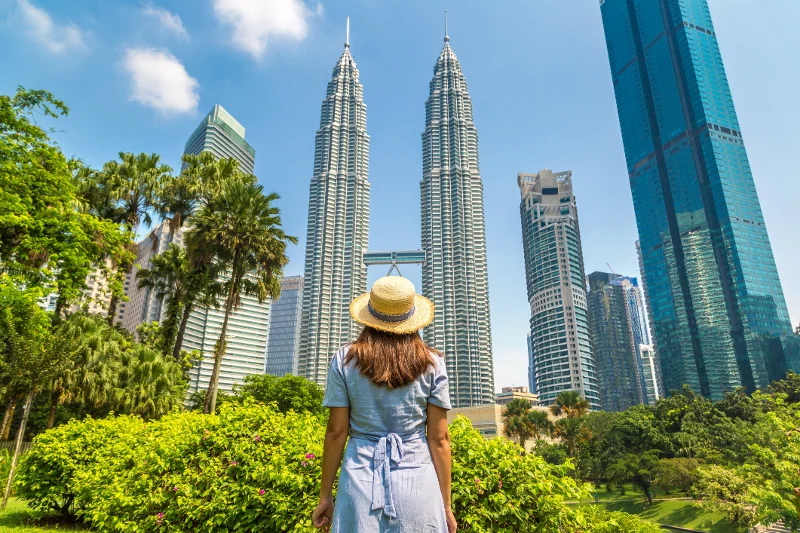
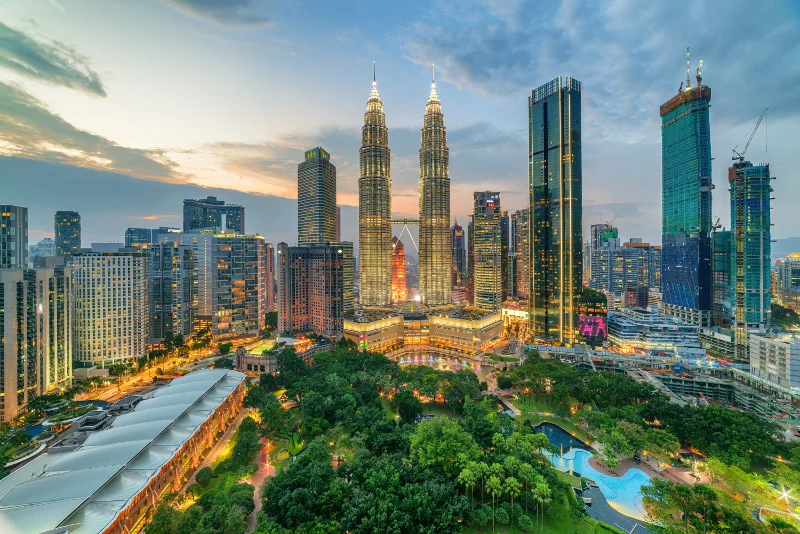
Malaysia represents the ultimate harmony of contradictions, standing as a premier global destination where ancient geological wonders coexist with dizzying skyscrapers. It is a land defined by its "truly Asia" spirit, offering a cultural depth that stems from its unique fusion of Malay, Chinese, Indian, and indigenous heritage. Beyond the physical landscape, Malaysia represents a journey of the senses, where...

Best time to visit

Given its tropical location near the equator, Malaysia is hot and humid year-round, but your experience will depend on the monsoon cycles. The ideal time to visit is generally between March to June or July and October. During these windows, the weather is relatively stable across the peninsula. For the West Coast, including areas like Penang, Langkawi, and Kuala Lumpur, the dry season peaks from November to March. If your goal is to explore the East Coast’s diving spots like Redang or Tioman, plan your trip between March and September, as many resorts close during the heavy year-end monsoon. Determining your itinerary often starts with checking the rain radar, but even in the wet season, showers are usually brief and refreshing. For the best balance of sunshine and manageable crowds, the shoulder months of March and October are excellent choices for exploring the country.

How to reach Malaysia

By Air

Kuala Lumpur International Airport (KUL) is the primary gateway, connected by direct flights from major Indian cities like Delhi, Mumbai, and Chennai. Airlines such as AirAsia, Malaysia Airlines, and IndiGo offer frequent services. Other entry points include Penang and Kota Kinabalu, making the air route the fastest and most popular way to start your journey.

By Train

You can reach Malaysia by rail from Thailand via the Keretapi Tanah Melayu (KTM) service. Most travelers take the train from Hat Yai to Padang Besar at the border, then switch to the modern ETS high-speed train to Kuala Lumpur. This is an eco-friendly and affordable way to see the changing countryside of the peninsula.

By Road

Road travel is highly convenient from Singapore or southern Thailand. Frequent luxury buses and private taxis cross the Johor-Singapore Causeway and the Second Link. The highway infrastructure in Malaysia is world-class, ensuring a smooth drive from the border into the heart of the country, with various scenic pitstops along the way.

By Sea

Luxury cruises frequently dock at Port Klang, Penang, and Langkawi, offering a scenic entry. For those coming from nearby Thailand or Indonesia, high-speed ferries operate daily. The most common route is the ferry from Satun, Thailand, to Langkawi, which takes about 90 minutes and offers a unique perspective of the Andaman Sea.

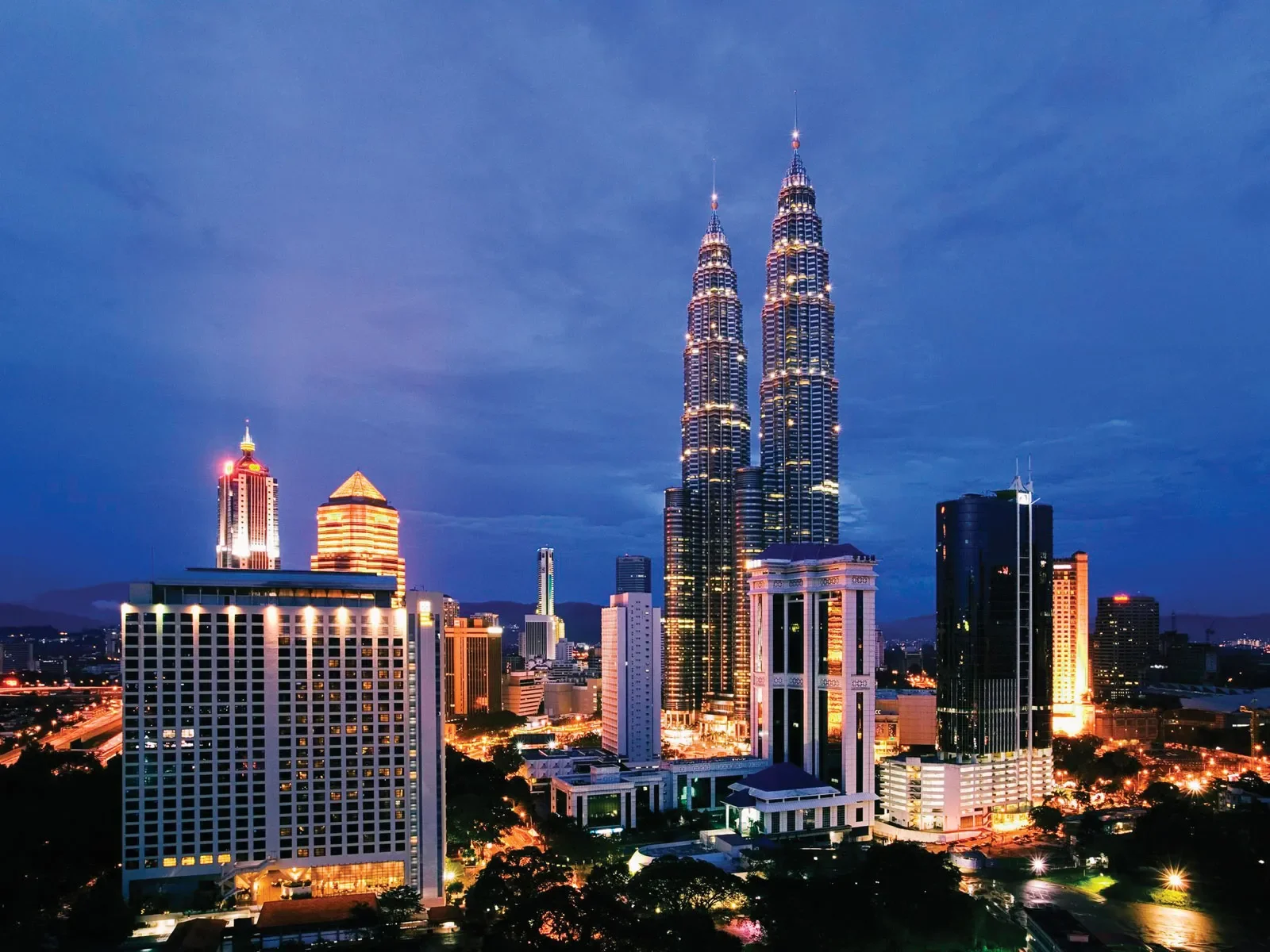
Places to Visit in Malaysia
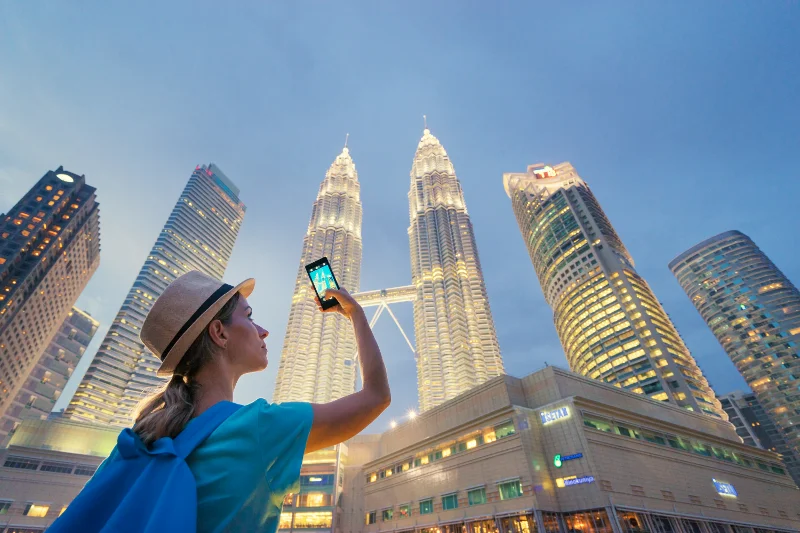
Top packages for Malaysia
What to Eat in Malaysia
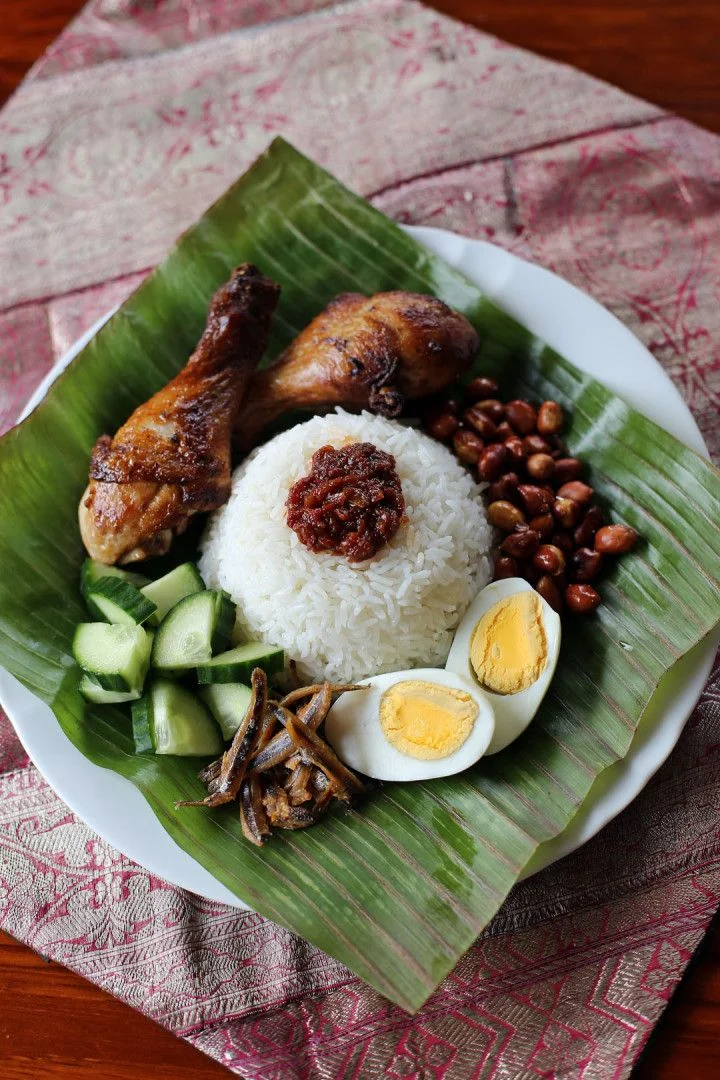
Nasi Lemak

Char Kway Teow

Rendang
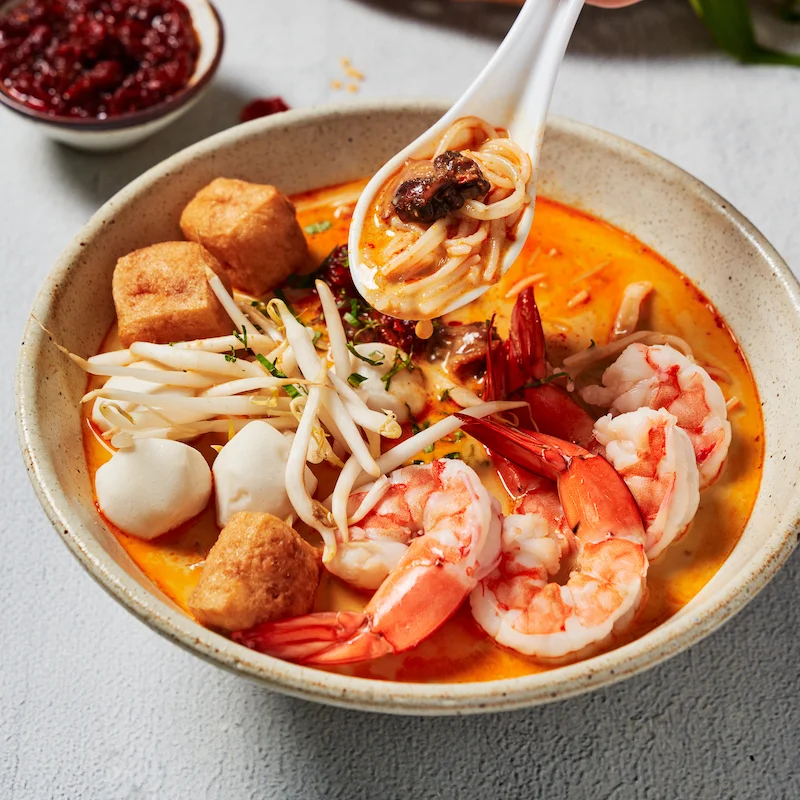
Laksa

Satay

Want the best Malaysia package, handpicked just for you?

Share your travel needs and our travel experts will reach out to you.

Frequently Asked Questions for Malaysia

The "best" time depends on your destination. For the West Coast (Kuala Lumpur and Langkawi), visit between March and October. For the East Coast (Perhentian and Tioman), the window between March and September is ideal. Overall, March to June is considered a great shoulder season for the entire country.


Malay (Bahasa Malaysia) is the official language, but English is widely spoken, especially in urban areas and tourist destinations.

Malaysia is generally considered safe, with low crime rates in most tourist areas. It’s still recommended to take standard precautions, especially in crowded places.

The currency is the Malaysian Ringgit (MYR). While cards are accepted in malls, carry at least 200-300 MYR in cash for street markets, small cafes, and public transport.

Yes, in an effort to boost tourism, Malaysia has extended its visa-free entry for Indian citizens through December 31, 2026. Indian travelers can stay for up to 30 days without a visa. However, you must complete the Malaysia Digital Arrival Card (MDAC) online within three days prior to your arrival and carry proof of a return ticket and hotel bookings.

Malaysia offers a "home away from home" feeling due to its significant Indian population. Travelers find familiar food, languages (Tamil is widely spoken), and religious sites like the Batu Caves. It is also an affordable international destination that provides a high-end experience, from luxury malls to world-class theme parks, at a fraction of the cost of Western countries.

Absolutely. There are non-stop flights from Delhi, Mumbai, Bengaluru, Chennai, Kolkata, Kochi, and Hyderabad. The flight duration from South India is approximately 4 hours, while from North India, it takes about 5.5 hours.

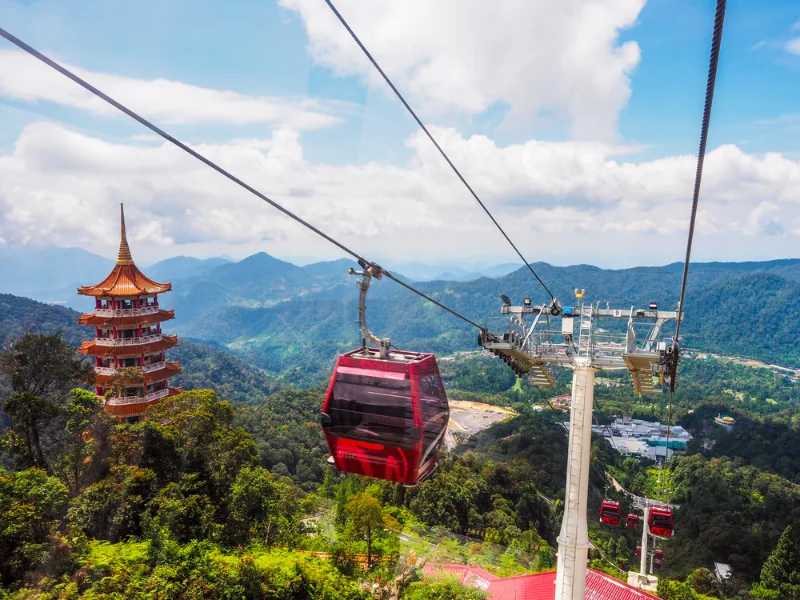
A 6- to 8-day trip is usually enough to cover the essentials: 3 days in Kuala Lumpur (including Genting Highlands) and 3-4 days in an island destination like Langkawi or a heritage city like Penang. If you wish to visit Borneo for wildlife, plan for at least 12 days.

For a mid-range 6-day trip, a budget of ₹60,000 to ₹75,000 per person (including flights) is realistic. Budget travelers can manage with ₹40,000 to ₹50,000 by staying in hostels and eating at local "Mamak" stalls, while luxury trips can easily exceed ₹120,000.

  • Download Grab: It’s the local version of Uber and is essential for fair-priced transport.
  • Dress Modestly: Especially when visiting religious sites, always carry a light scarf.
  • Stay Hydrated: The humidity is high, so drink plenty of water.
  • Power Plugs: Malaysia uses the UK-style 3-pin plug (Type G).
  • Respect Customs: Avoid using your left hand to give or receive items, as it is considered impolite.

  • Beryl’s Chocolate: A famous local brand with unique flavours like Durian and Mango.
  • Batik Fabrics: Beautiful hand-dyed silk or cotton sarongs and shirts.
  • Old Town White Coffee: Instant sachets of Malaysia’s signature creamy coffee.
  • Royal Selangor Pewter: High-quality decorative items made from tin.
  • Tanah Merah Tea: Fresh tea leaves from the Cameron Highlands.

It is one of the best. With attractions like Legoland, Sunway Lagoon, and the Aquaria KLCC, children are never bored. The country is safe, the water is generally clean, and the infrastructure is very stroller-friendly.

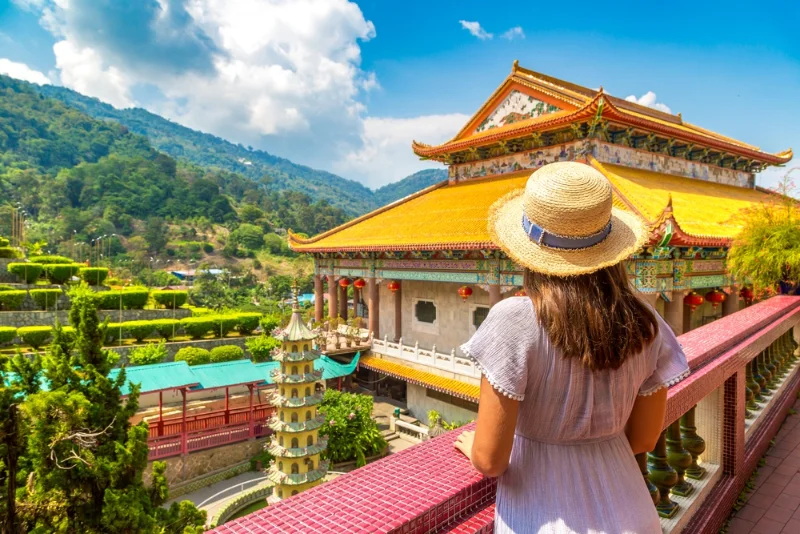
In cities like KL, the dress code is liberal. However, for mosques (like the Blue Mosque) or temples (Batu Caves), you must cover your shoulders and knees. Many sites provide robes or sarongs for rent at the entrance.

The best months are January to March. During this peak dry season, the Andaman Sea is at its calmest, making it perfect for island-hopping tours, snorkelling, and sunset cruises.

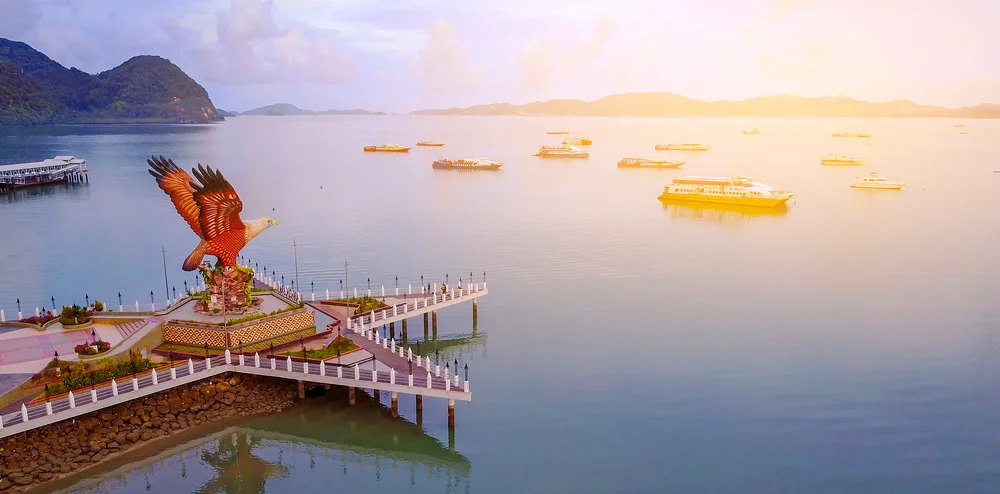
Langkawi is most famous for its duty-free shopping, making chocolates, perfumes, and kitchenware very affordable. Geologically, it is famous for its UNESCO Global Geopark status, featuring ancient rock formations. Icons like the Langkawi Sky Bridge and the giant eagle statue at Dataran Lang are also world-renowned landmarks.

For a good mix of relaxation and sightseeing, 3 to 4 days is usually perfect. This gives you enough time to spend a day on the water, a day exploring the mountains and waterfalls, and plenty of time for beach lounging and shopping.

As of 2026, Indian citizens enjoy visa-free entry to Malaysia for stays up to 30 days. However, you must complete the Malaysia Digital Arrival Card (MDAC) online within three days before your arrival. Always carry a copy of your return flight and hotel booking for immigration.

  • Pantai Cenang: Best for first-timers, featuring the most cafes, shops, and water sports.
  • Pantai Tengah: A bit quieter than Cenang but still close to the action.
  • Kuah Town: Ideal if your main goal is duty-free shopping and easy ferry access.
  • Tanjung Rhu: Best for families and luxury seekers looking for secluded, pristine beaches.

Absolutely. It is one of the most popular travel duos in Southeast Asia. A short 1-hour flight connects the two. You can enjoy the urban energy and skyscrapers of KL for a few days before flying to Langkawi to unwind by the sea.

You shouldn't miss the Langkawi SkyBridge for the best views on the island. Eagle Square (Dataran Lang) is essential for a classic photo op, and Kilim Karst Geoforest Park offers an incredible boat tour through mangroves and bat caves.

Pantai Cenang is the most popular for its sunset views. For something more scenic and quiet, head to Tanjung Rhu in the north. Sandy Skulls Beach (Pantai Pasir Tengkorak) is a hidden gem loved by locals for its clear water and shady trees.

Langkawi has a more "chill" nightlife scene compared to places like Phuket. You will find plenty of beach bars in Pantai Cenang where you can enjoy a drink on a beanbag. There are some live music spots and late-night lounges, but it is generally more relaxed than a clubbing destination.

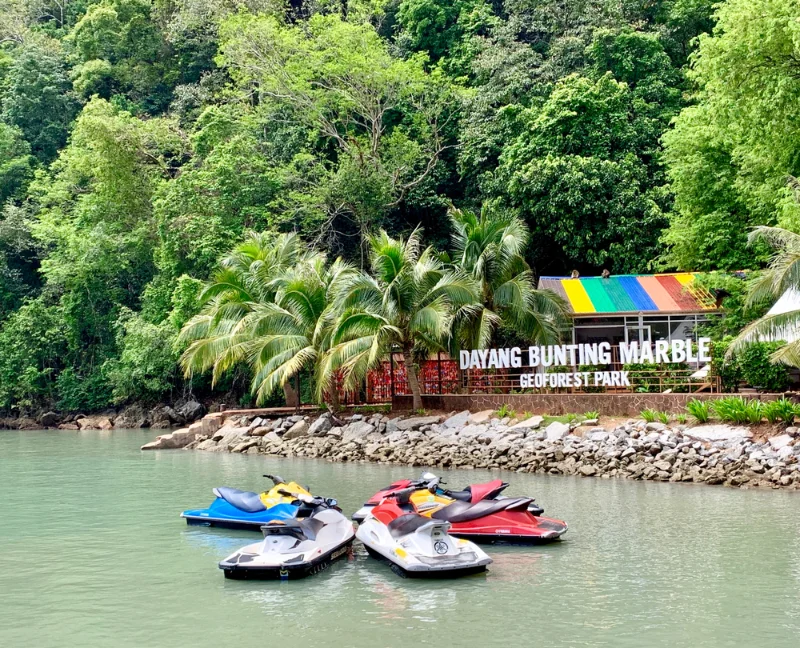
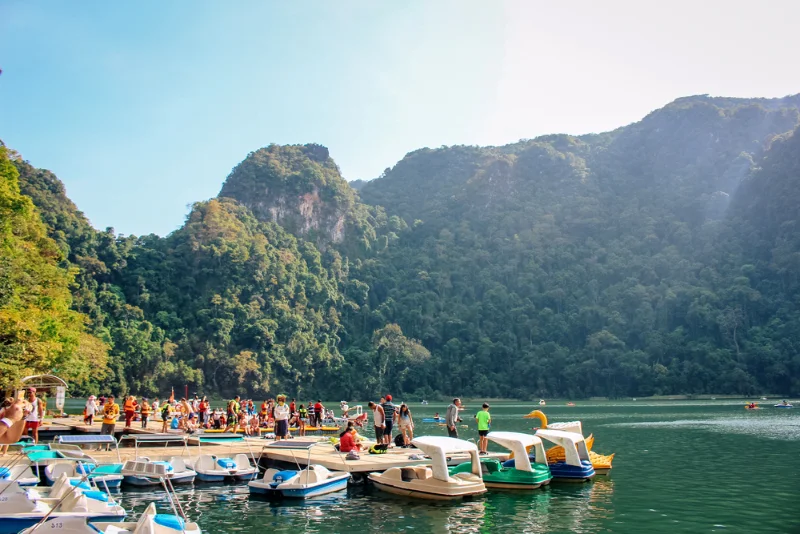
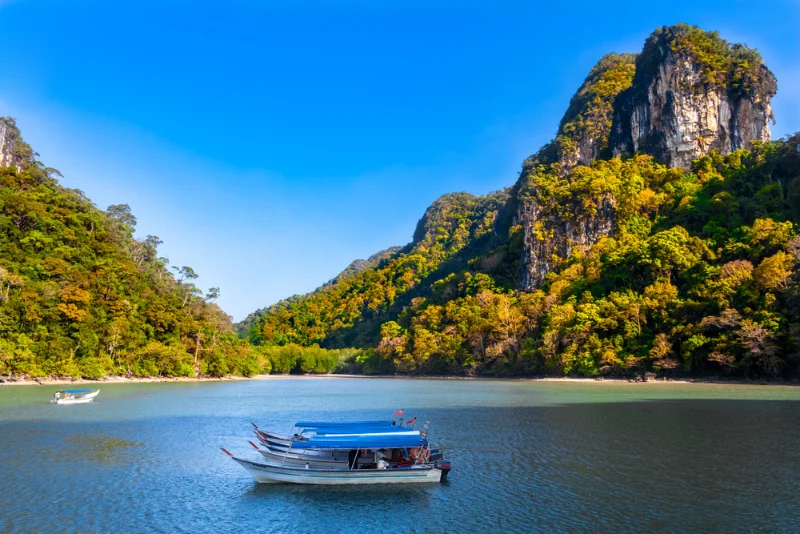
Beyond the beaches, try island hopping to Pulau Dayang Bunting (Lake of the Pregnant Maiden). You can also go snorkelling at Pulau Payar Marine Park, take a sunset dinner cruise, or hike up to Telaga Tujuh (Seven Wells Waterfall) to swim in natural infinity pools.

There is no public bus system on the island. The best way to get around is by renting a car or scooter, which gives you total freedom. If you don't want to drive, the Grab app works very well here and is quite affordable for getting between major spots.

The currency is the Malaysian Ringgit (MYR). While major hotels and malls accept cards, you should carry cash for night markets, small local eateries, and entrance fees for some nature parks. ATMs are widely available in Kuah and Pantai Cenang.