
A visit to
France
France Destination Guide
Quick Information
IDEAL DURATION
6 - 7 Days
per person
₹67,499
France
France is one of the world’s most captivating travel destinations, blending timeless elegance with diverse landscapes, rich culture, and unforgettable culinary experiences. From the romantic streets of Paris to the lavender fields of Provence and the glamorous French Riviera, the country offers something for every kind of traveler. Its deep-rooted history is reflected in stunning architecture, iconic landmarks, and charming...
Best time to visit
The best time to visit France depends on your travel preferences, but generally, April to June and September to October are considered ideal. During these months, the weather remains pleasant, crowds are manageable, and outdoor activities can be enjoyed comfortably. Spring brings blooming flowers and vibrant landscapes, especially in regions like Provence and the Loire Valley. Autumn offers mild temperatures and fewer tourists, making it perfect for sightseeing and wine tours. Summer, from June to August, is peak tourist season with warm weather, festivals, and lively beaches, though popular cities can get crowded and expensive. Winter, from December to February, is ideal for skiing in the Alps and enjoying festive Christmas markets across cities like Strasbourg and Paris. Each season offers a unique charm, making France a year-round destination.
Weather in France
Jun - Aug
20-30°C
Sun-soaked days and festive vibes
Summer Season in France
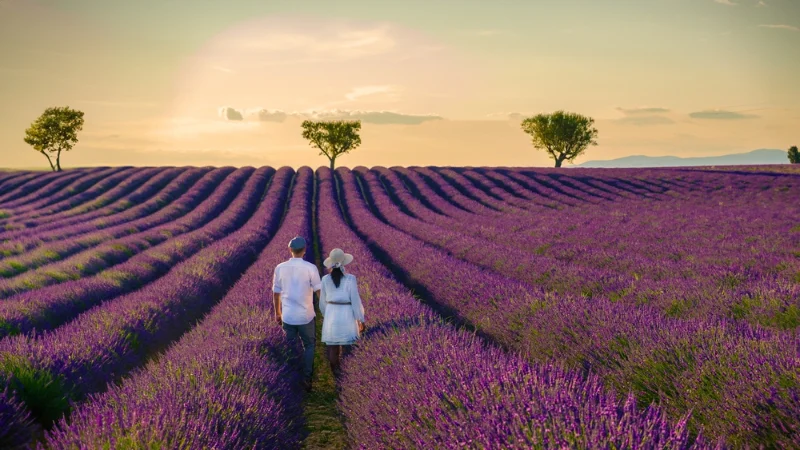
Summer in France is vibrant, lively, and filled with festivals, making it the peak tourist season across the country. Coastal regions like the French Riviera attract beach lovers, while cities host cultural events, music festivals, and open-air dining experiences. Countryside areas such as Provence bloom beautifully, offering scenic drives and lavender fields. Though popular destinations can get crowded and expensive, the long sunny days provide ample time for sightseeing and outdoor activities.

Dec - Feb
0-10°C
Snowy charm and festive magic
Winter Season in France
Winter in France is magical, especially with festive decorations, Christmas markets, and snow-covered landscapes. The French Alps become a hotspot for skiing and winter sports, attracting adventure seekers. Cities like Paris and Strasbourg glow with holiday lights, offering a romantic and cozy atmosphere. While temperatures can drop significantly, fewer crowds and seasonal charm make it a unique time to visit.

Sep - Dec
10-22°C
Golden landscapes and wine harvests
Autumn Season in France
Autumn offers a peaceful and scenic experience in France, with golden foliage covering vineyards and countryside landscapes. It is harvest season, making it an excellent time for wine tours and food experiences. The weather remains comfortable for sightseeing, and tourist crowds begin to thin out. Cities and rural areas alike showcase a relaxed charm, allowing travelers to explore attractions at a slower pace.

Mar - May
10-20°C
Blossoms, beauty, and fresh beginnings
Spring Season in France
Spring in France is a refreshing and colorful season, ideal for travelers who enjoy mild weather and blooming landscapes. Gardens, parks, and vineyards come alive with flowers, especially in regions like the Loire Valley and Provence. It’s a great time for sightseeing without heavy crowds, and outdoor cafés begin to buzz with activity. The pleasant climate also makes it perfect for walking tours, photography, and exploring charming towns.
How to reach France
By Air
France is well connected globally through major international airports like Charles de Gaulle Airport in Paris. Direct and connecting flights operate from major Indian cities such as Delhi, Mumbai, and Bangalore. Airlines including Air France, Emirates, and Qatar Airways offer frequent services, making air travel the fastest and most convenient option.
By Train
France has an extensive rail network connected to neighboring European countries via high-speed TGV trains. Travelers can easily reach France from cities like London, Brussels, and Amsterdam. The Eurostar connects London to Paris in under 3 hours, offering a comfortable and scenic travel option.
By Road
France shares borders with several European nations, making road travel a viable option. Well-maintained highways and scenic routes allow travelers to drive or take buses from countries like Spain, Italy, Germany, and Switzerland. Self-drive trips are popular for exploring rural regions and countryside landscapes.
By Sea
France can also be accessed via ferry services from the UK, Ireland, and nearby coastal countries. Ports like Calais and Marseille handle regular ferry operations. This mode is ideal for travelers combining road trips with sea journeys, especially those bringing their own vehicles.
Top packages for France
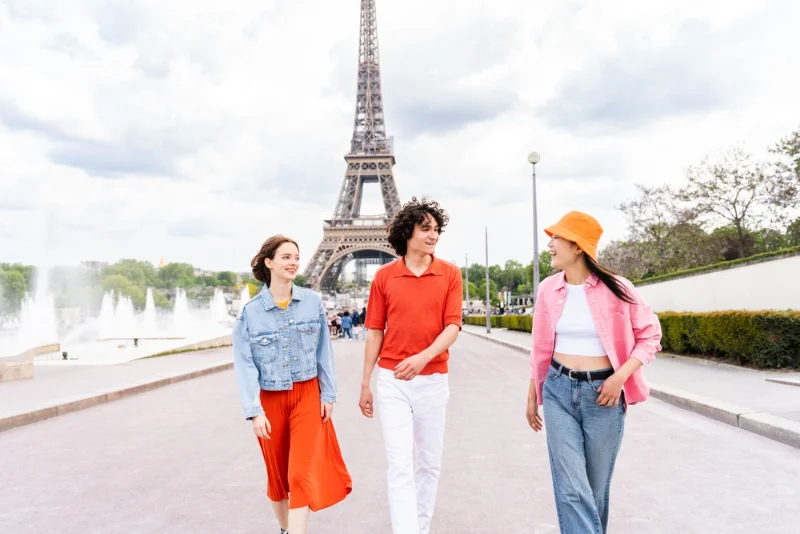
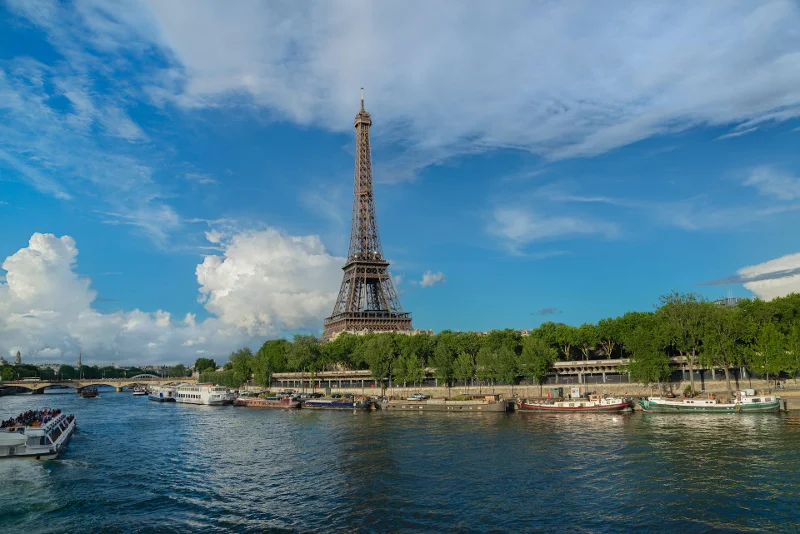
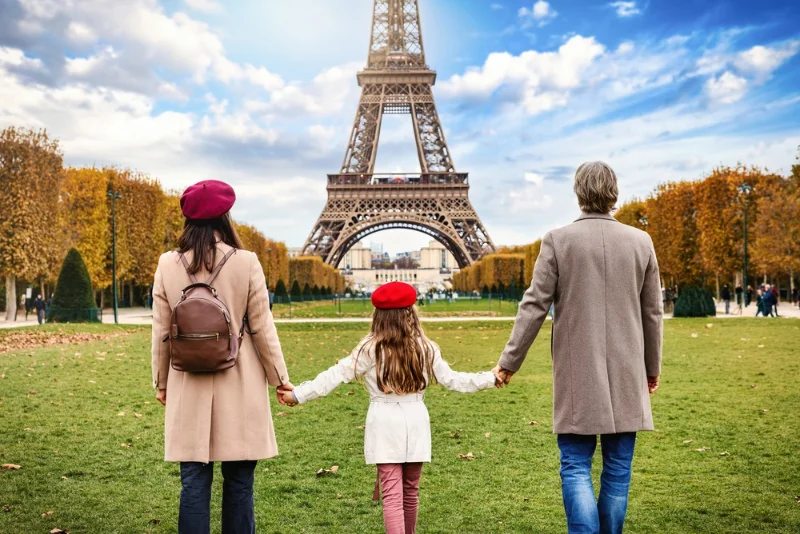
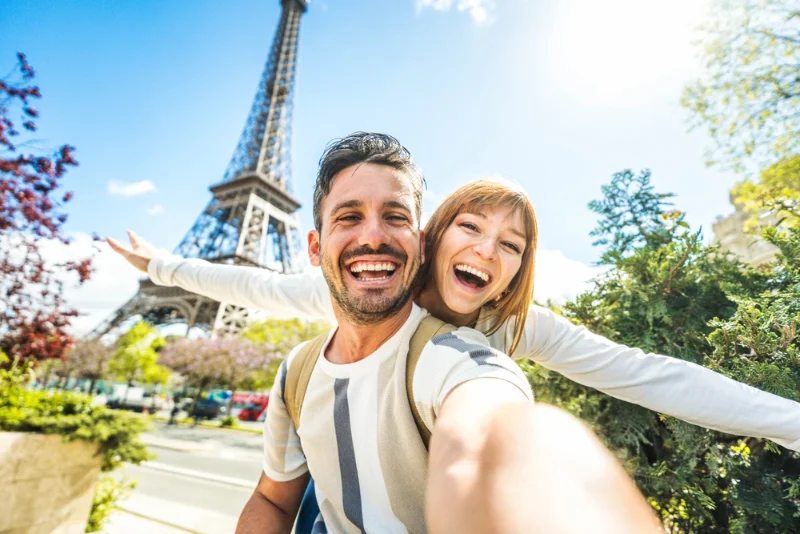
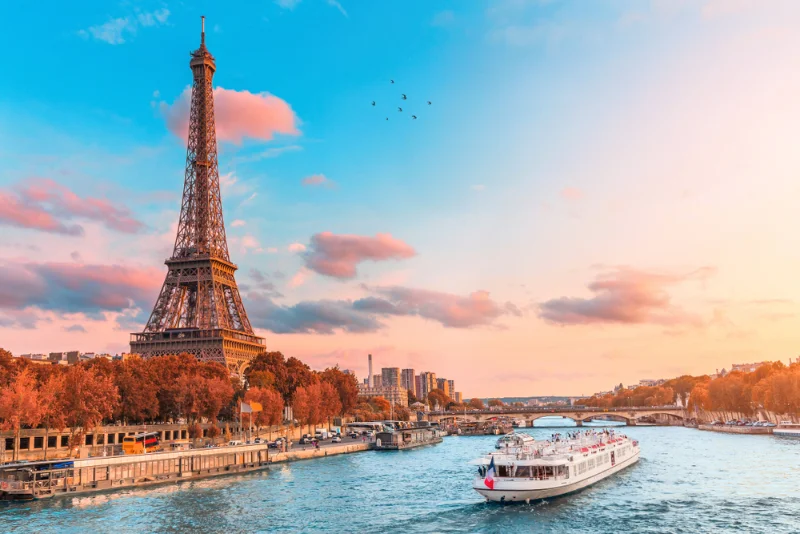
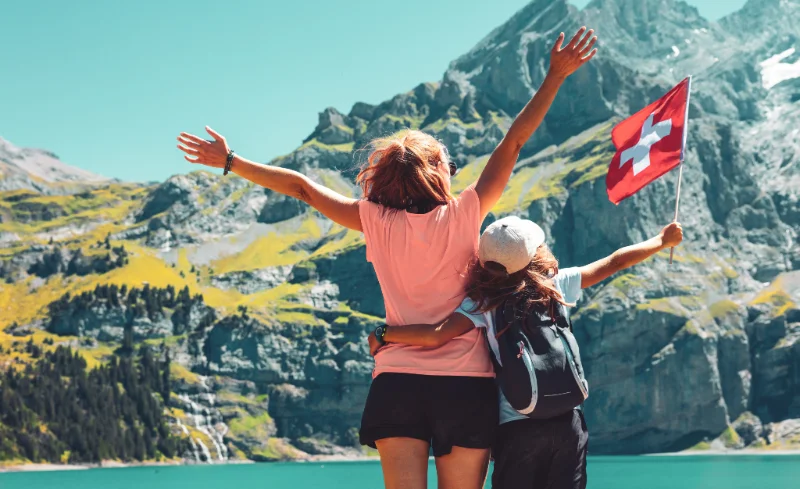
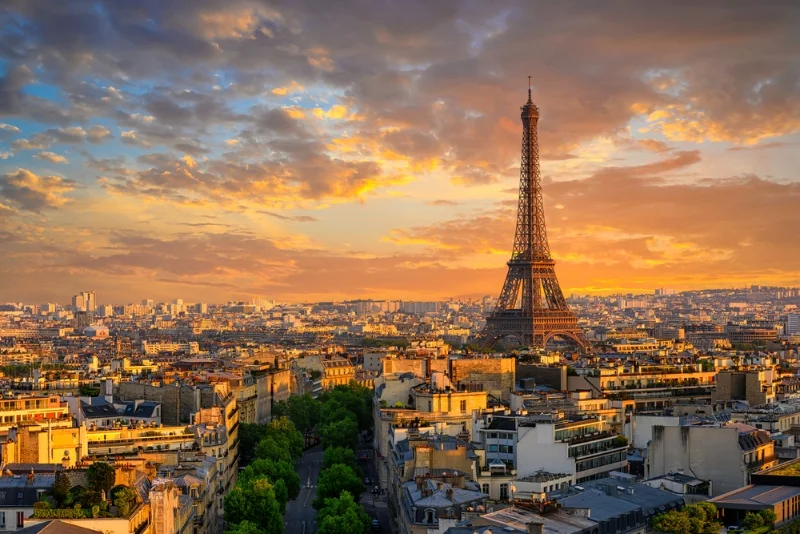
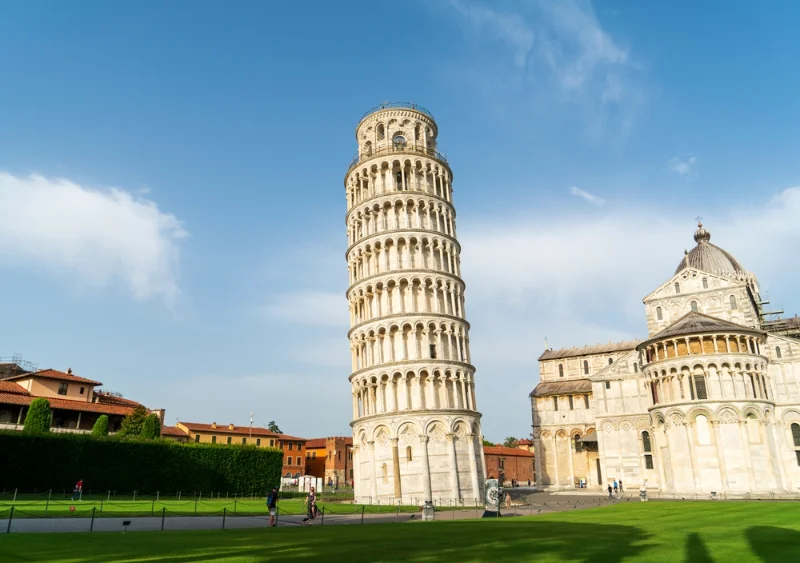
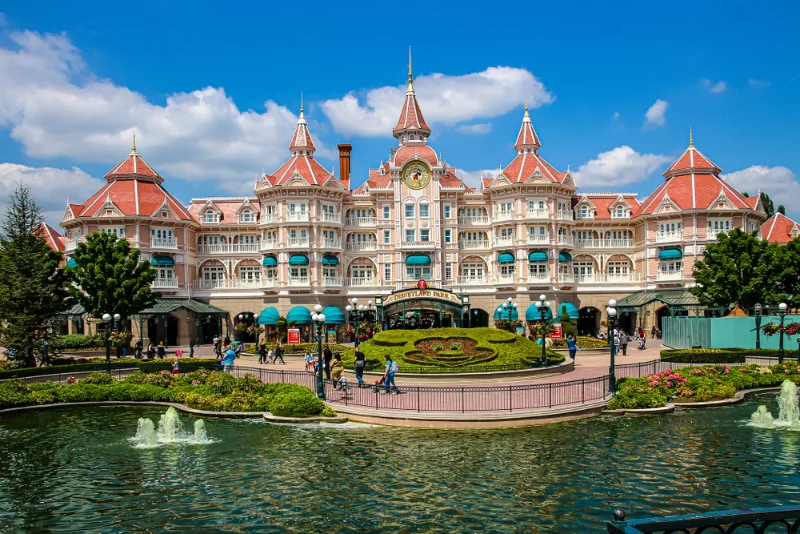
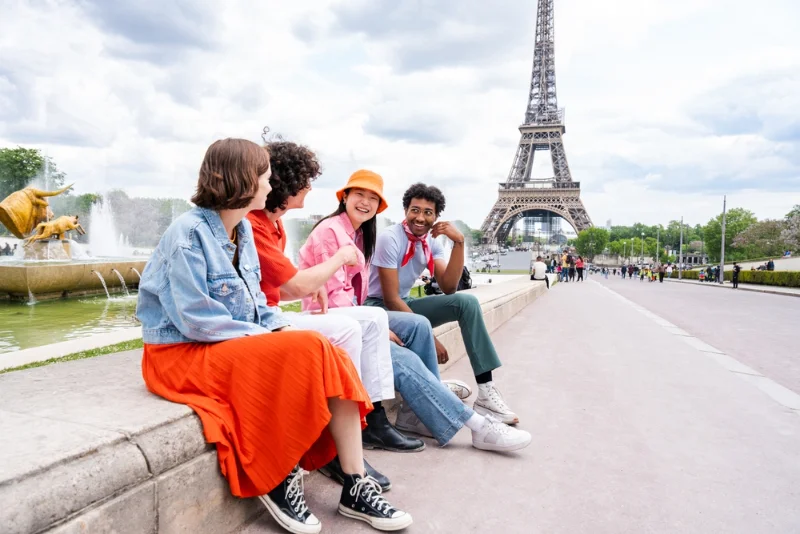
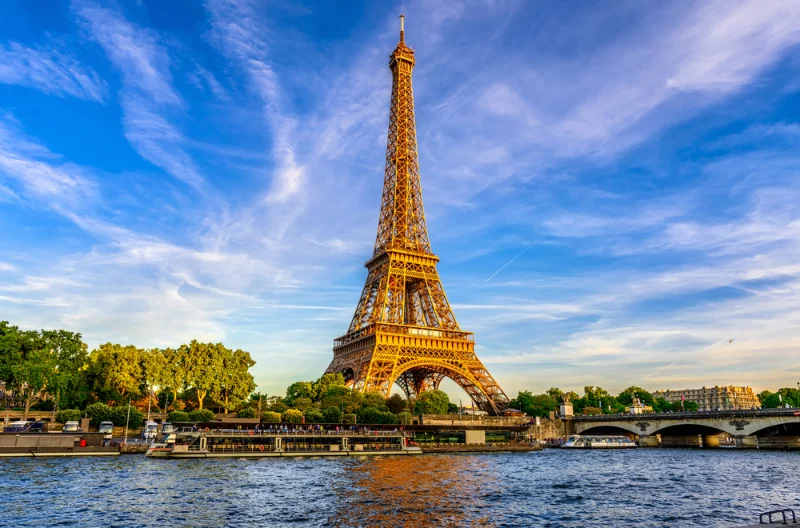
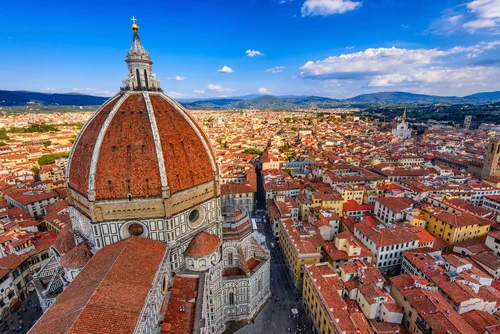

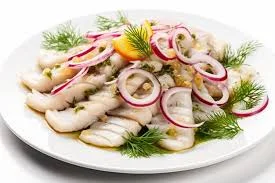
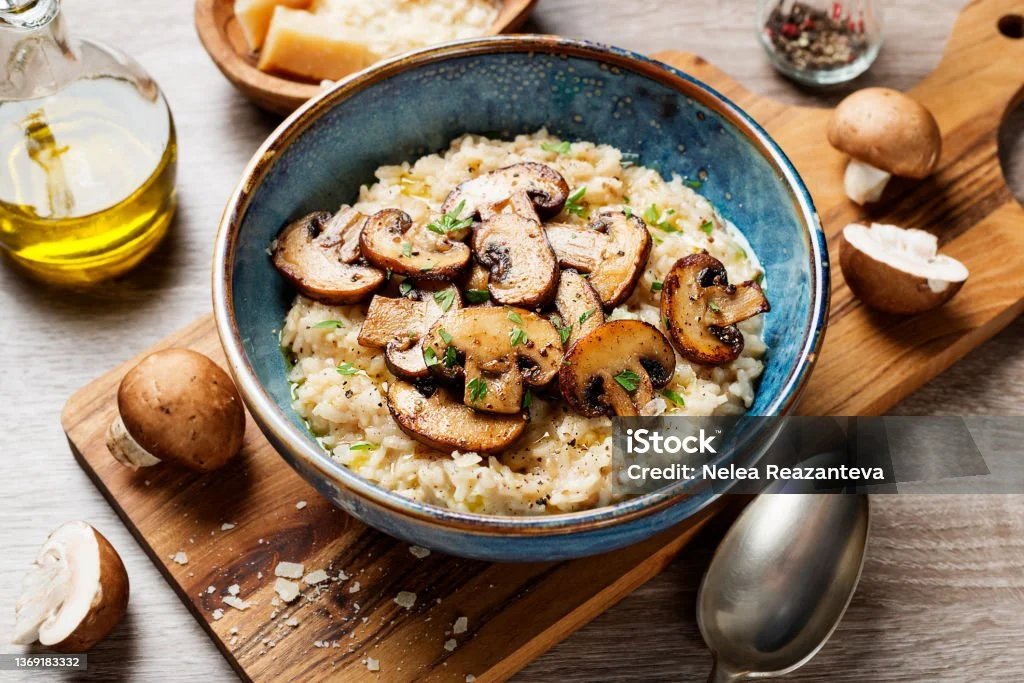
What to Eat in France
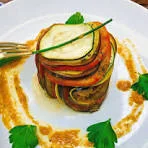
Ratatouilleqwe
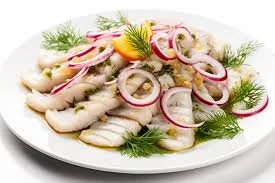
Croissant
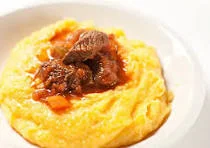
Lemon tart
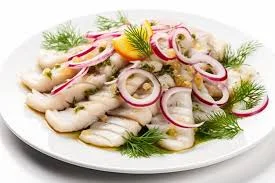
Falafel
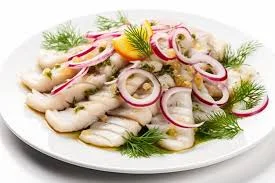
Eclairs
Want the best France package, handpicked just for you?
Share your travel needs and our travel experts will reach out to you.
Frequently Asked Questions for France
English is widely spoken by locals in France. You will be able to easily coomunicate with the locals and seek help if the need arises.Moreover, premium hotels and facilities offer you welcome information in several languages which can be of great help.
220 volts and 50 cycles is the standard electricity norm in France. This may differ from the standards in your country. Also sockets vary from country to country and so carry an adapter and also a transformer for safety in order to keep your favourite electronic gadgets working perfectly.
Yes, they have a wide range of vegetarian and vegan food for you to choose from.
This tax is collected by the country to maintain its tourism standards and attractions. Tourists over the age of 13 have to mandatorily pay tourist taxes.
Paris and other big cities have pickpockets so be careful while visiting crowded places. Do not carry jewellery in your bags. Carry only the amount of cash you need or carry a card. Do not display the contents of your bag to anyone.
- Learn basic French greetings and phrases
- Validate train tickets before boarding
- Carry travel insurance and documents
- Avoid peak tourist hours at attractions
- Respect local customs and dining etiquette
- Keep valuables secure in crowded areas
- French perfumes and cosmetics
- Wine and champagne
- Designer fashion and accessories
- Artisan chocolates and macarons
- Lavender products from Provence
- Handmade soaps and gourmet cheese
- Le Marais: Great for boutiques, art galleries, and a central feel.
- Saint-Germain-des-Prés: Ideal for those who love classic Parisian cafes and a literary vibe.
- The 7th Arrondissement: Perfect if you want to be close to the Eiffel Tower.
- Montmartre: Offers a charming, village-like atmosphere with great views.